Palazzo Roderio: Sarzana’s Civic Government Palace
Site at a Glance
- Popularity
- Low
- Country
- Italy
- Primary era
- Early Modern
- Eras represented
- Medieval, Early Modern, Modern
- Civilizations
- Genoese
- Site type
- Civic
- Remains
- Palace
On this page7 sections
History
Foundation and redesign
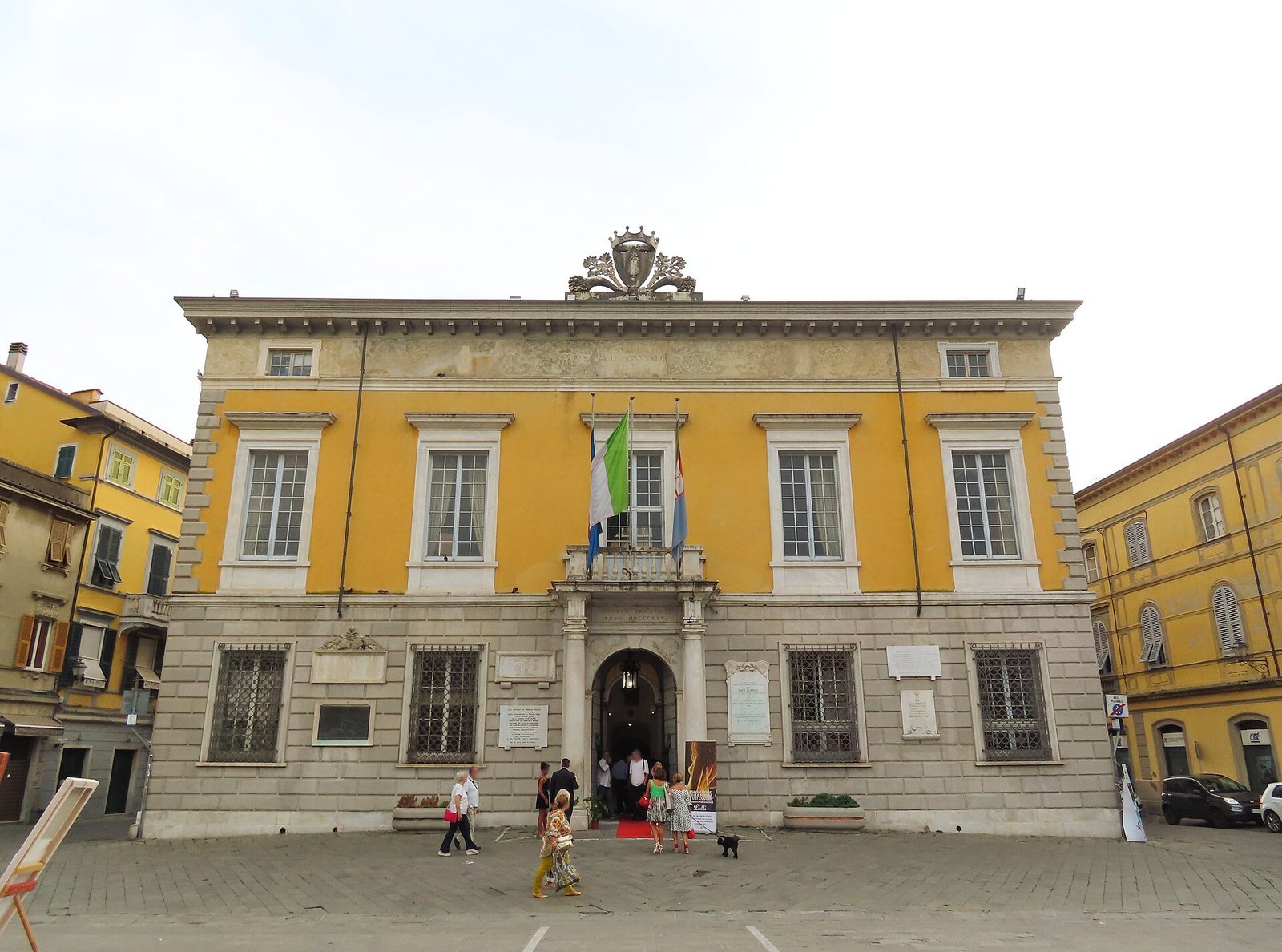
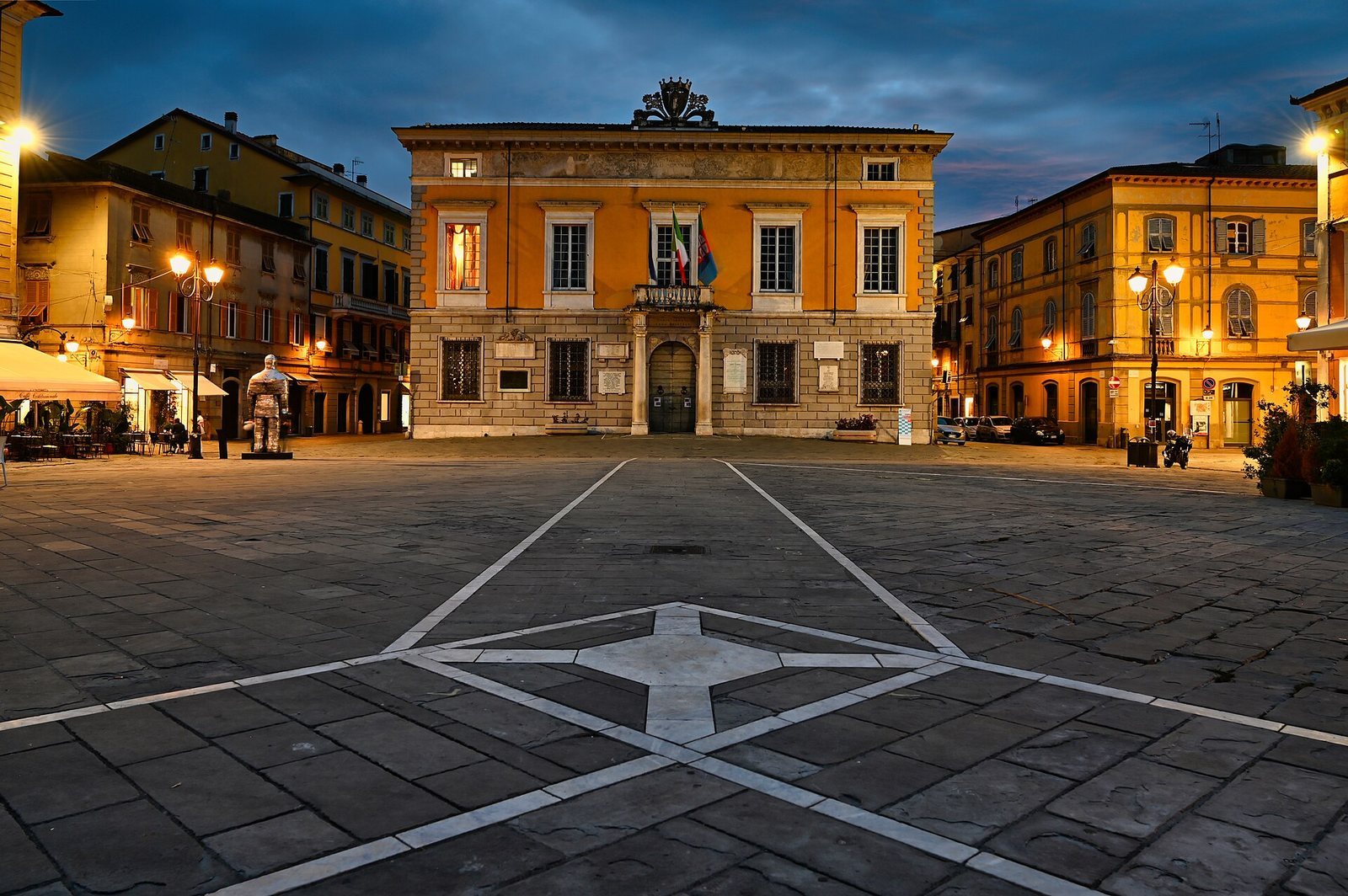
Palazzo Roderio is a civic government palace in Sarzana, Italy, built to bring the town’s political and administrative work together. Construction began in 1466, after Pope Paul II elevated Sarzana to city status in 1465. Antonio da Lucca designed the palace, which was intended to reflect the town’s new standing, but the first building project was halted before completion.
Around 1473, Renaissance architect Giuliano da Maiano proposed and oversaw a new design for the same site. Wars and sieges between Genoa and the Medici, a powerful Florentine family, over control of Sarzana delayed the work considerably.
Genoese completion and civic use
During the sixteenth century, construction continued under Genoese and Banco di San Giorgio control. Antonio Roderio revised da Maiano’s Renaissance design, particularly its exterior, bringing the palace closer to the forms of Genoese palaces. The building was considered complete in 1554.
The palace has served as Sarzana’s government seat since the fifteenth century and remains the town hall.
Remains
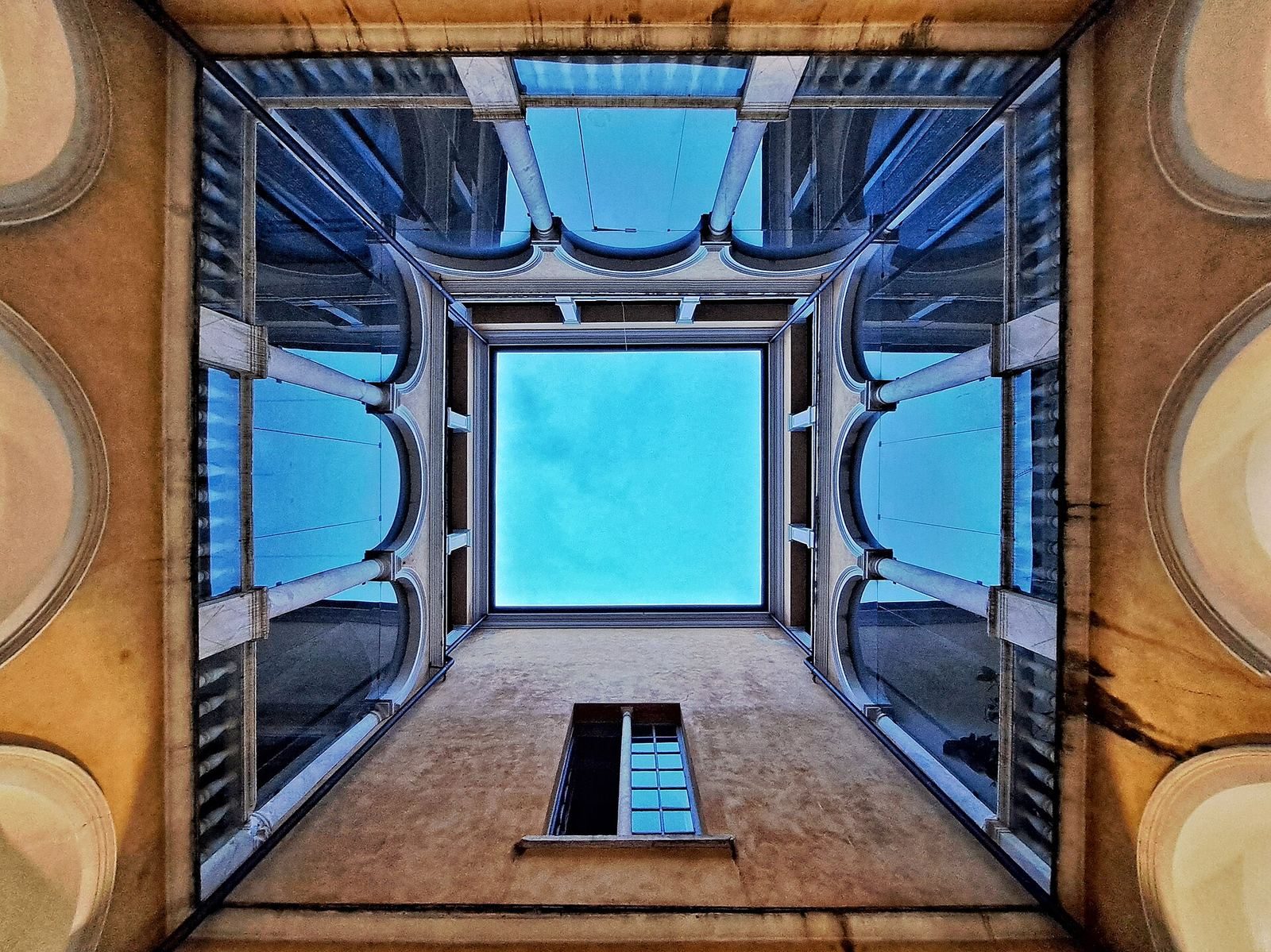
The palace has a quadrangular plan. In its inner courtyard, a marble colonnade supports upper open-sided galleries. The courtyard arrangement recalls that of Genoese palaces.
Courtyard features
The courtyard contains numerous remains from the ancient Roman city of Luni, the funerary monument of jurist Benedetto Celso, and coats of arms belonging to Sarzana’s noble families.
Entrance and interior artworks
Beside the Council Hall entrance, a marble carving shows Saint George slaying a dragon. Made in 1554 by an unidentified sculptor, it sits within a small architectural frame with a horizontal top structure. The work may commemorate a lost Saint George monument made for the city by Matteo Civitali in 1499–1500. The Council Hall also contains portraits of Pope Nicholas V, Cardinal Filippo Calandrini, jurist Francesco Cicala, and Jesuit Nicolò Mascardi. In an adjoining room, a painting by Stefano Lemmi depicts the Trinity, understood in Christian belief as one God as Father, Son, and Holy Spirit, with the Virgin Mary and Saints Andrew and Nicodemus.
Nineteenth-century additions
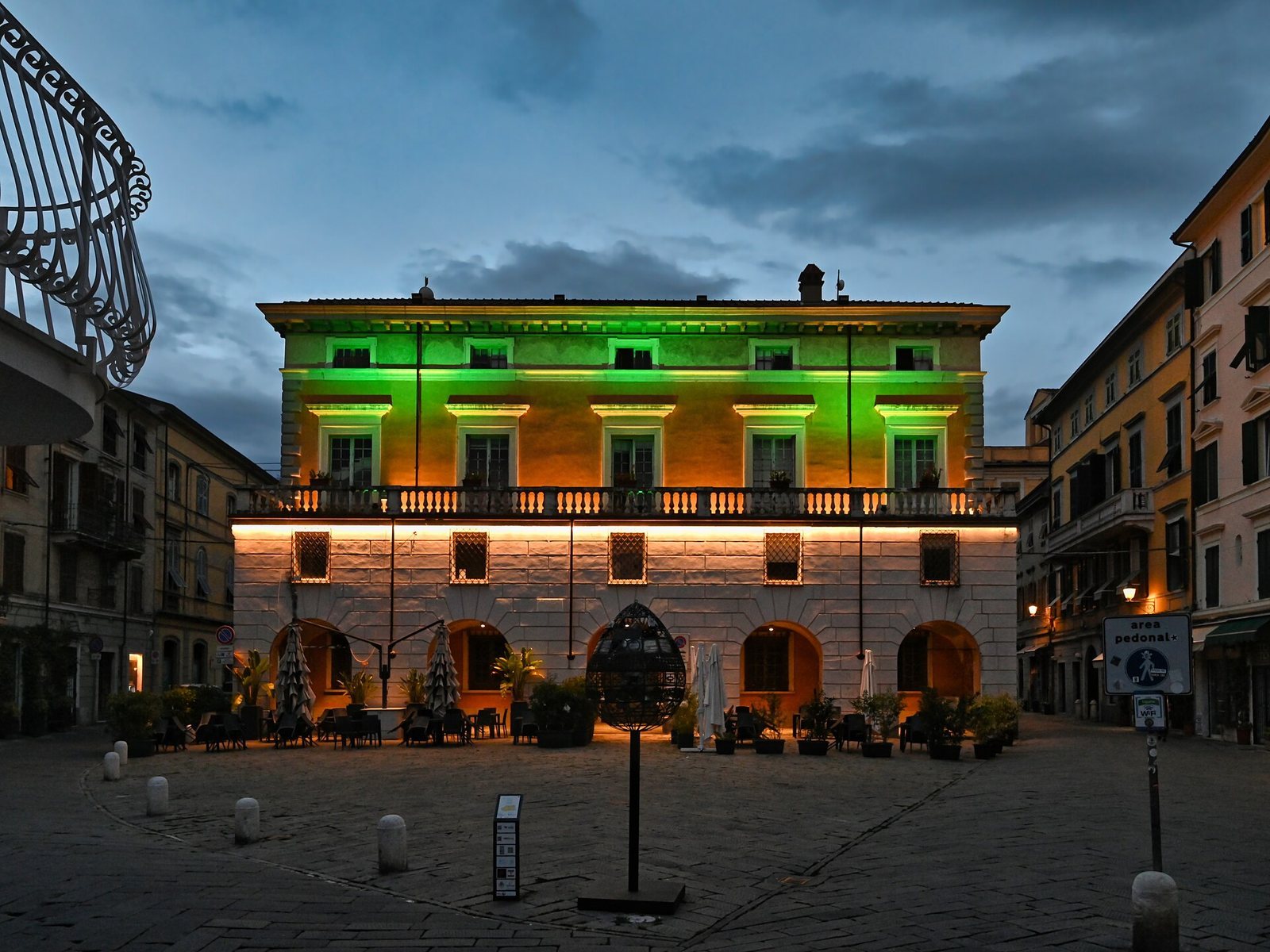
Structural work in the nineteenth century added a portico and a terrace to the palace.