Diepenstein Castle: A Water Castle in Belgium
Site at a Glance
- Popularity
- Low
- Country
- Belgium
- Primary era
- Early Modern
- Eras represented
- Medieval, Early Modern, Modern
- Civilizations
- Belgian, Duchy of Brabant, Habsburg, Holy Roman Empire, Spanish
- Site type
- Domestic
- Remains
- Castle
On this page6 sections
History
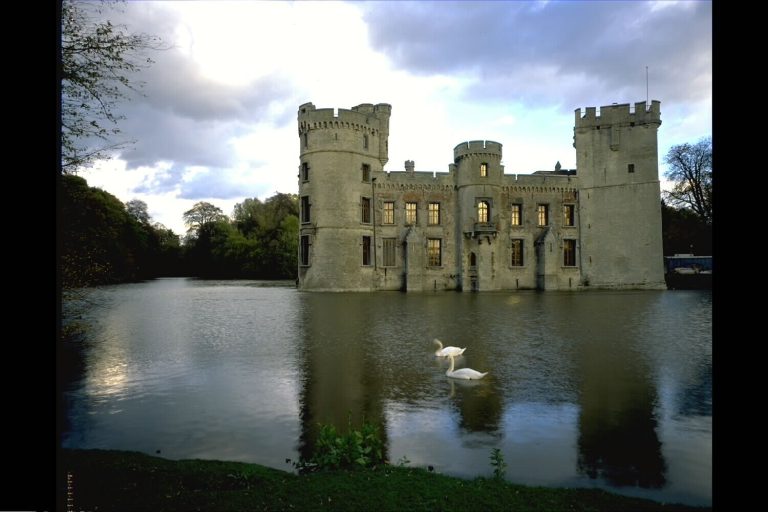
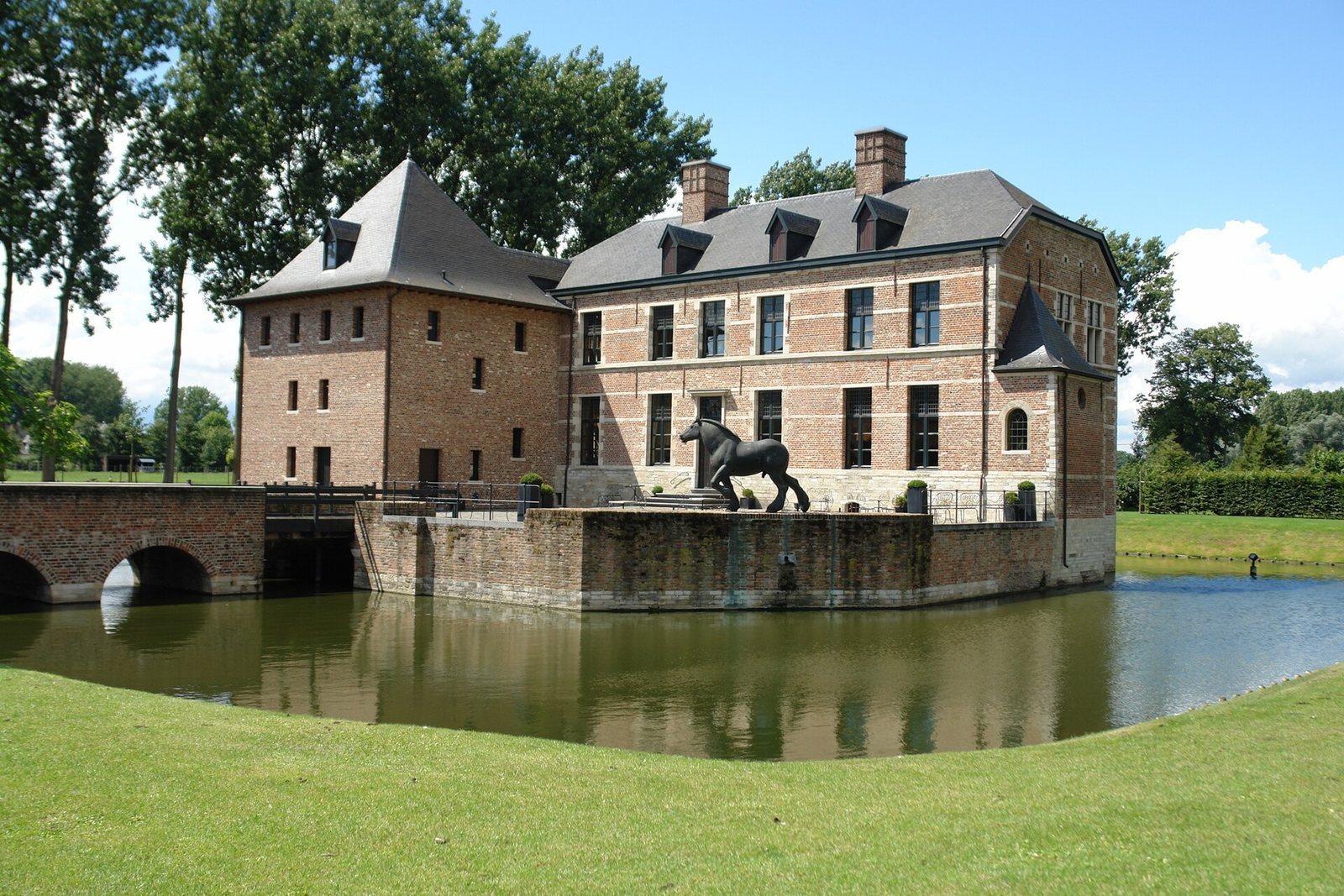
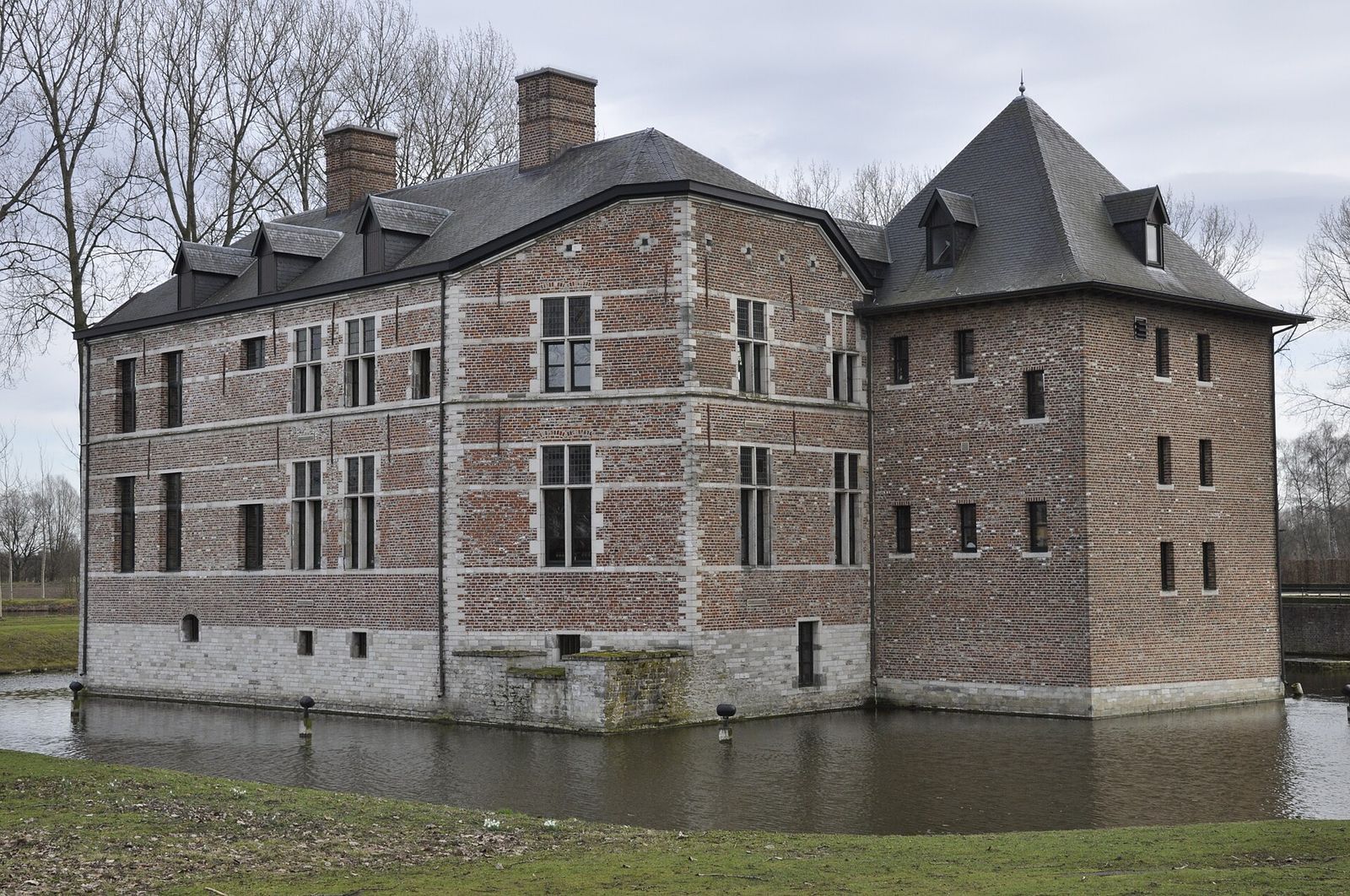
Diepenstein Castle is a water castle in Steenhuffel, within Londerzeel in Flemish Brabant, Belgium. A wooden watchtower stood on the site in 1147, forming part of the defensive line of the House of Brabant, the dynasty that ruled the Duchy of Brabant, a principality in the Low Countries. Wouter van Craynhem, later known as van Wange and then van Bouchout, erected the first watchtower. In 1290, it was replaced by a stone donjon, the castle’s principal fortified tower, and a wooden defensive fence. The water castle was completed in 1357.
The Bouchout lordship
In the 13th century, the castle and neighboring village belonged to the Lords of Bouchout. Diepensteyn, as the castle was then called, was the center of their lordship, an estate with local jurisdiction. The property was initially held under the authority of the Duchy of Brabant.
Expansion and conversion
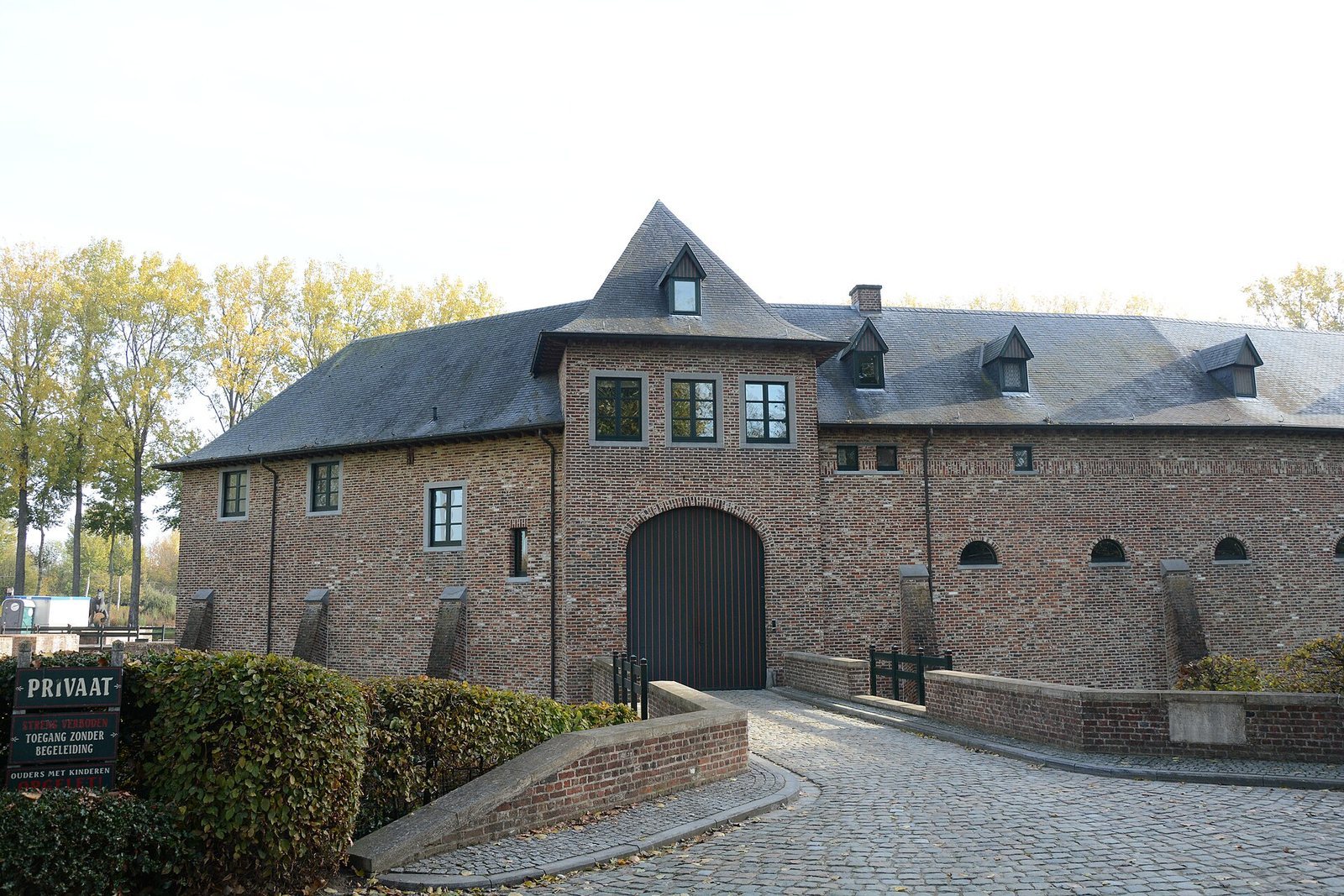
A new gatehouse and drawbridge were added in 1460. In 1517, the castle’s defensive wall was removed, and a new bridge accompanied its conversion into a residence intended more for leisure than defense. The building was enlarged in 1616 with a gallery. In 1685, Diepensteyn became the center of a county held by the Counts of Maldeghem, a noble family.
Demolition and modern history
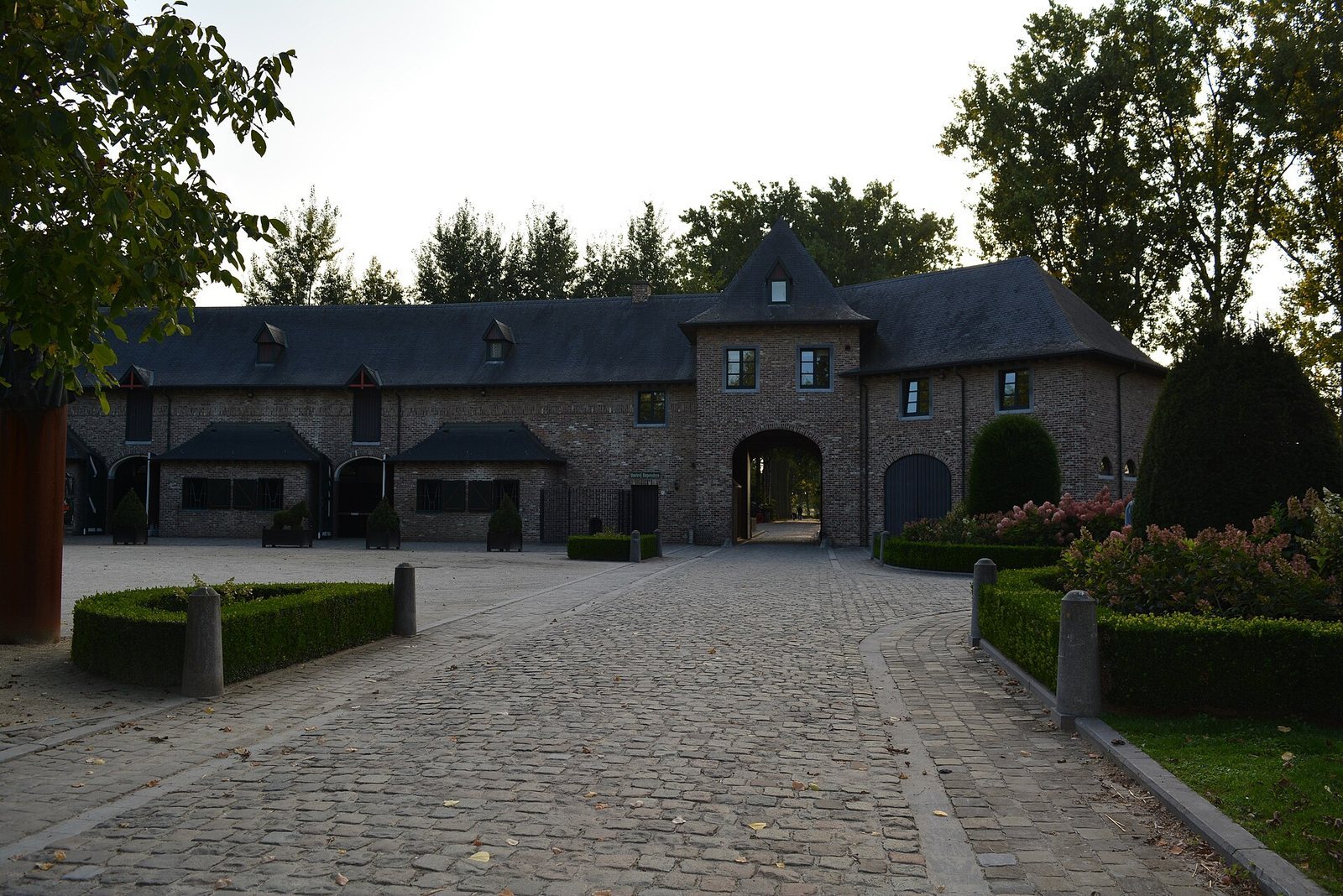
The original donjon and several outbuildings were demolished in 1719. The last residents left after the French Revolution, the political upheaval that began in France in 1789 and brought an end to the monarchy. In 1825, further demolition removed the gatehouse, coach house, and stables, while the surrounding ponds and moats were filled in. The castle was protected as a monument in 1980. NV Diepensteyn, a public limited company, has owned the property since 1989, and it remains in private use.
Remains
Surviving wing and water setting
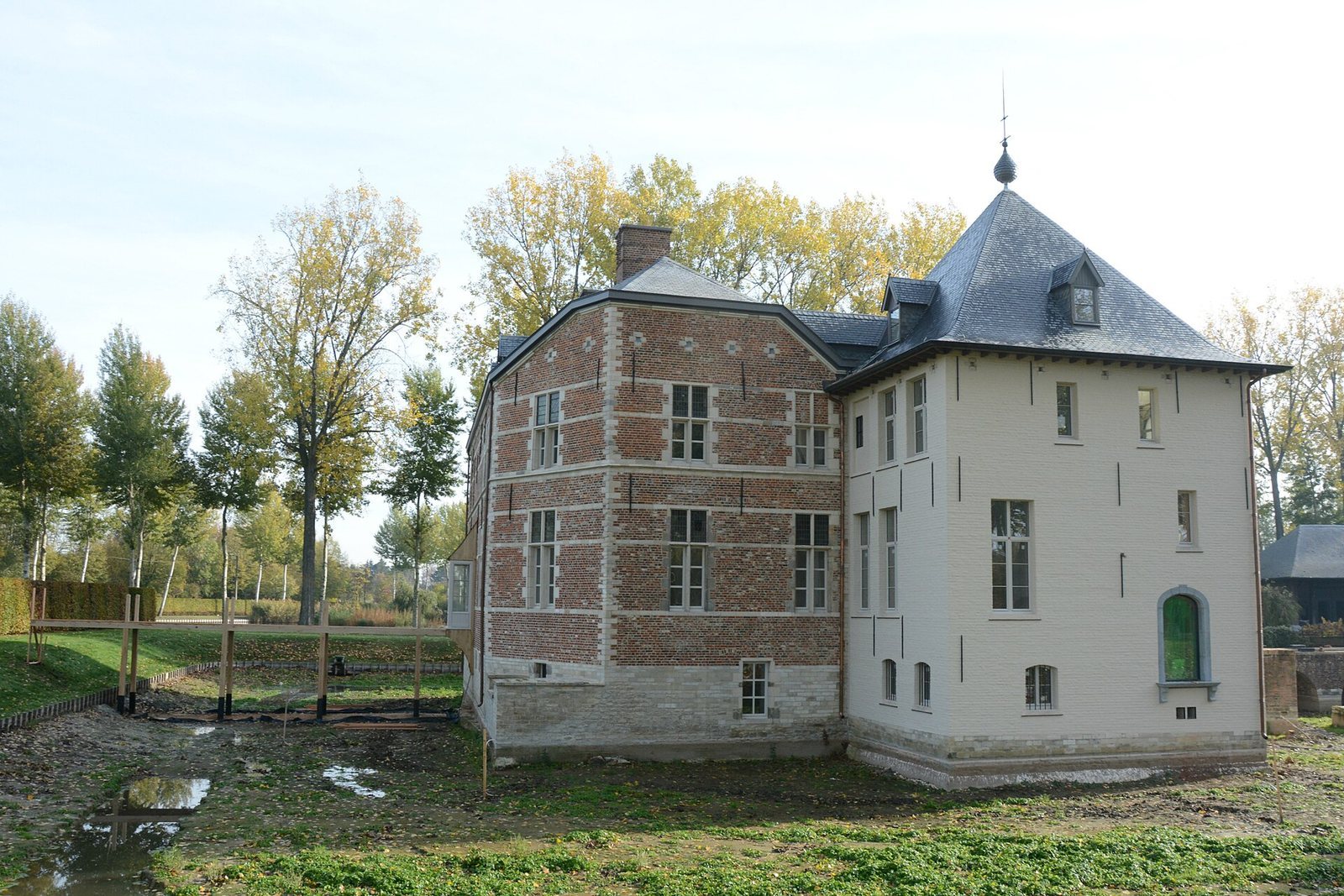
The surviving castle wing dates to the 17th century, with a residential building attached to it in 1960. Restoration and reconstruction between 1993 and 1995 re-established a pond around the castle and created a garden park. Renovation work begun in 2018 focused chiefly on the donjon and gave it a more Venetian appearance.