Grah-Niol Gallery Grave: A Neolithic Burial Monument in France
Site at a Glance
- Popularity
- Very Low
- Country
- France
- Primary era
- Stone Age
- Eras represented
- Stone Age, Modern
- Civilizations
- Unclassified
- Site type
- Burial
- Remains
- Tomb
On this page8 sections
History
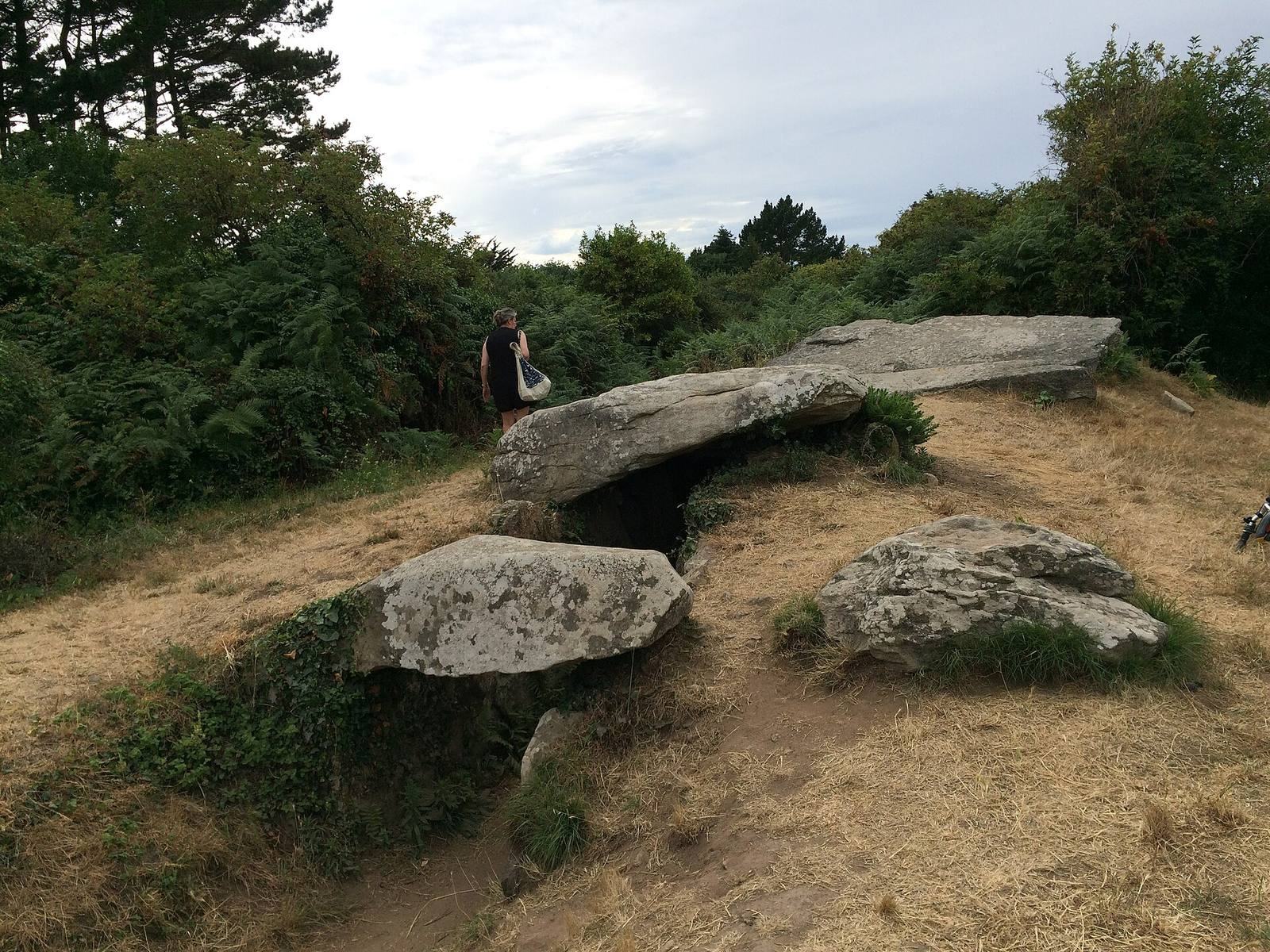
The Grah-Niol gallery grave is a Neolithic burial monument at Arzon, France, dating to about 3500 BCE. The Neolithic was the later part of the Stone Age, associated with farming and the construction of large-stone monuments.
French archaeologist Félix Gaillard excavated the grave during the 1890s. It received French historic-monument classification under an order dated 3 December 1973, a legal designation that protects heritage sites.
Remains
The burial monument
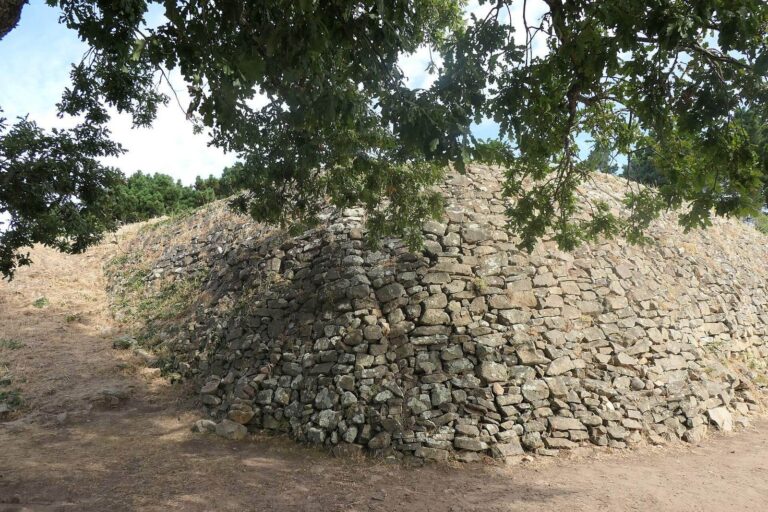
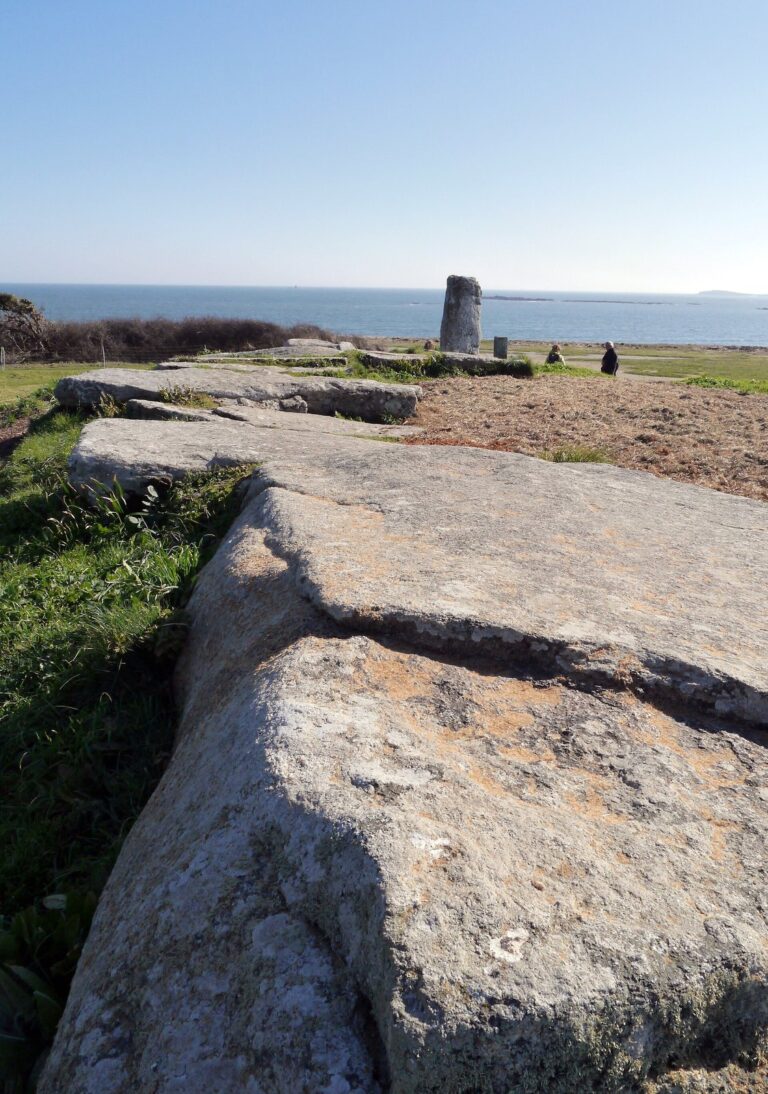
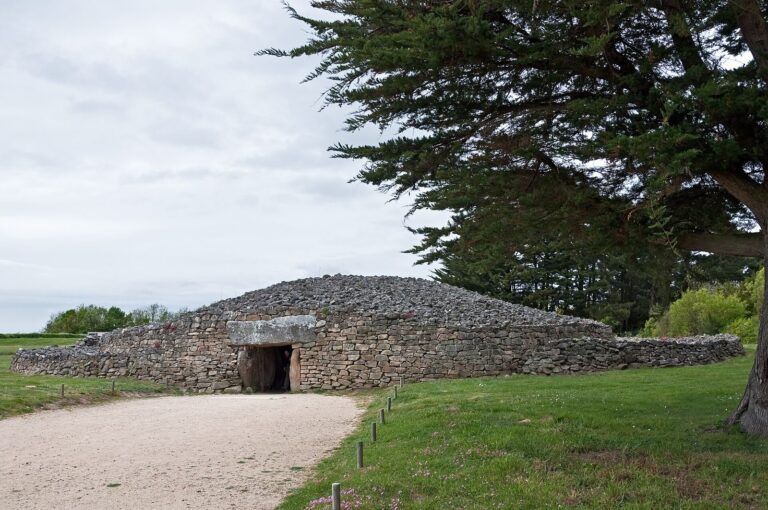
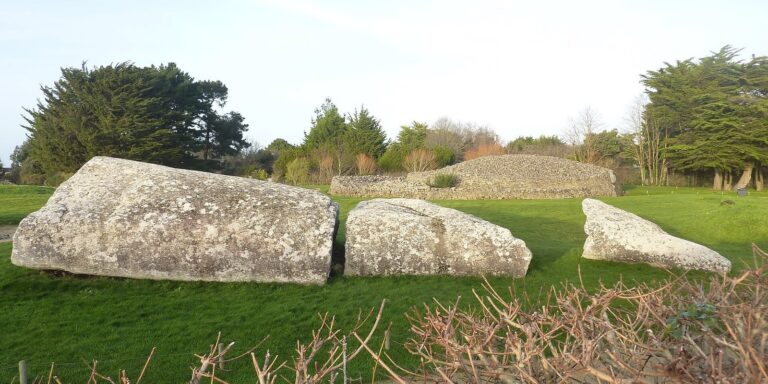
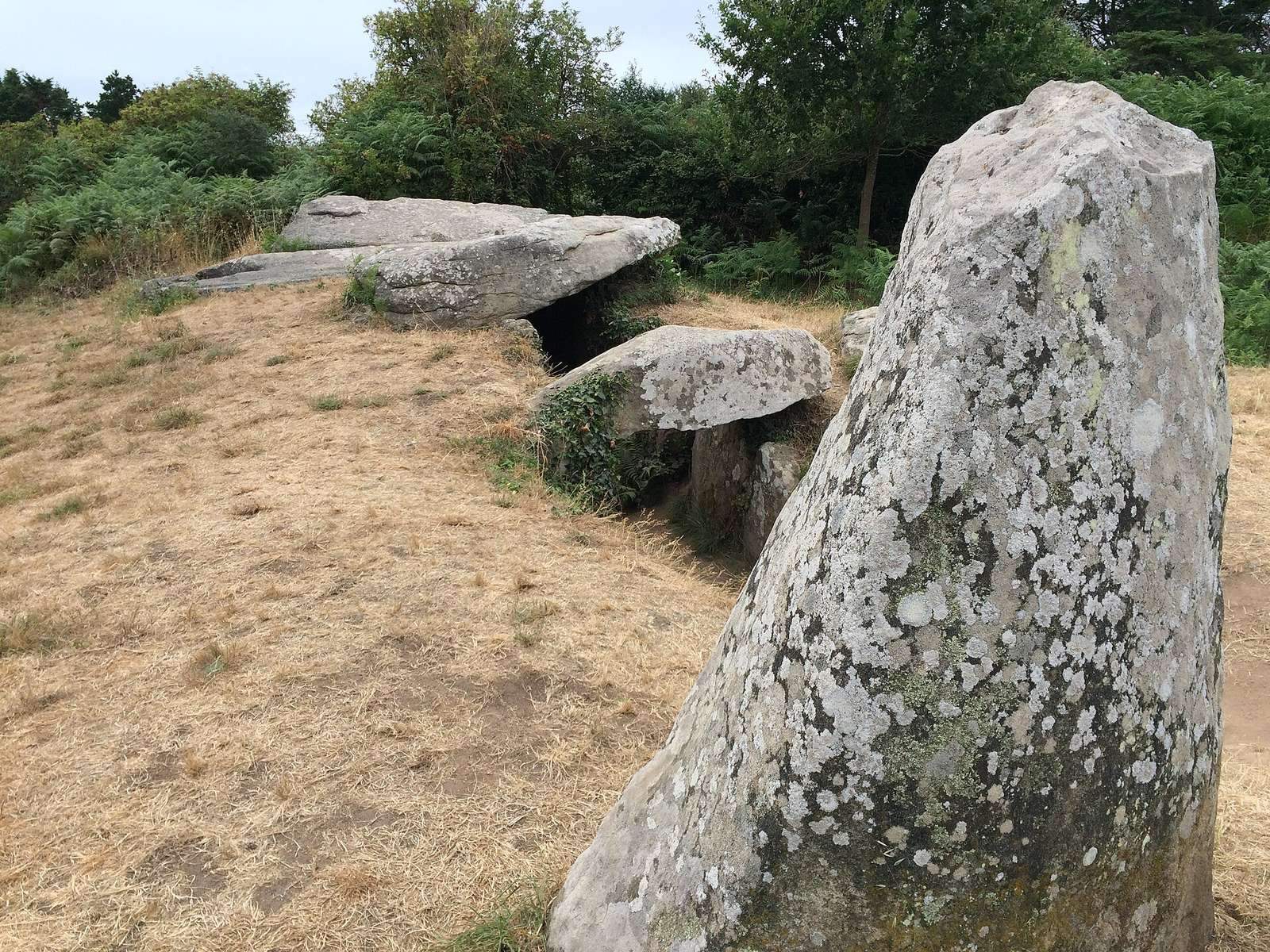
The covered gallery stands on a small rise at the end of the Rhuys Peninsula, overlooking the Gulf of Morbihan. It lies within an oval mound measuring about 25 by 18 m, and a menhir, a large standing stone, stands in front of the entrance. The names Grah-Niol and Graniol mean “sun mound.”
Passage and chamber
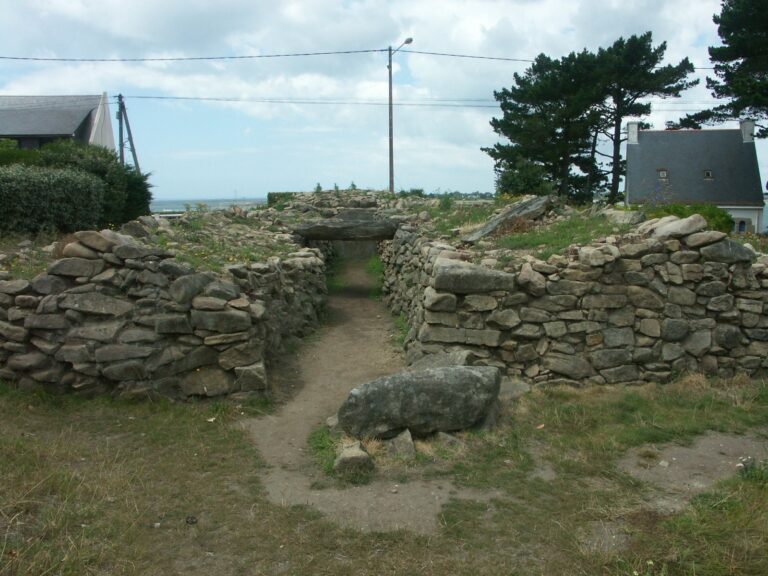
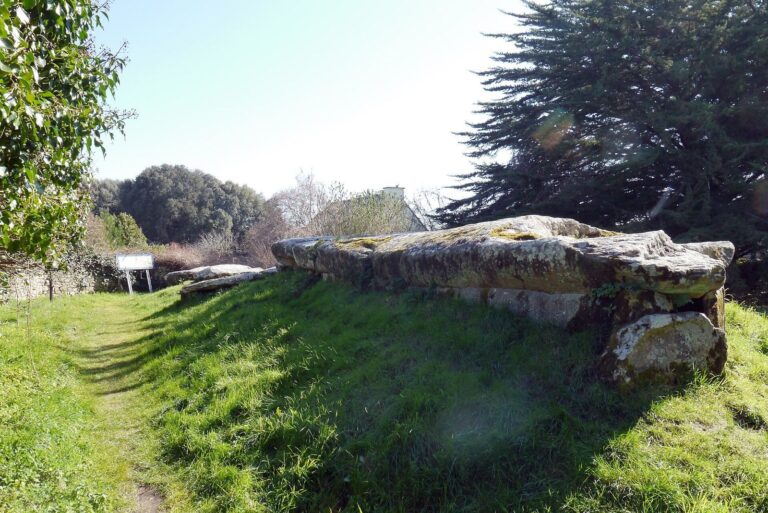
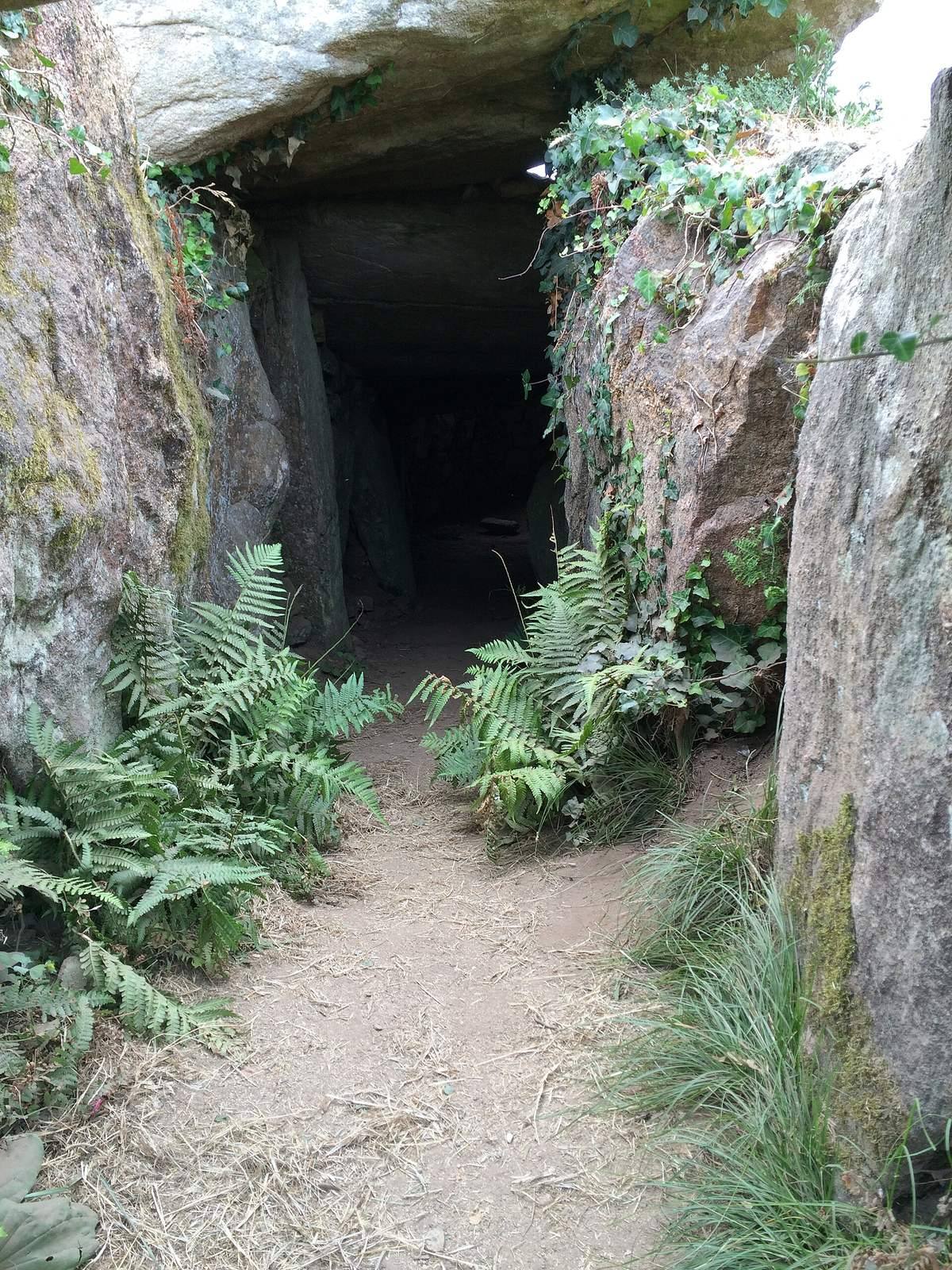
The gallery runs west to east and opens at its eastern end. Its passage and main chamber together measure about 11.4 to 12 m long, around 1 m wide and approximately 1.5 to 2 m high. A side chamber about 2 m deep opens on the south side after roughly two-thirds of the gallery’s length. One roof slab spans this chamber and part of the main gallery. Floor paving continues for 13 m; Gaillard interpreted its length as evidence that the gallery once extended farther.
Stone supports and roof slabs
The arrangement includes seven upright stones along the north side, five on the south, three around the side chamber and one at the end. Fifteen supporting stones survive. Four roof slabs remain, three over the passage and one over the chamber. Near the entrance, the first two measure 1.60 by 1.35 m and 2.70 by 1.80 m, with thicknesses of 0.25 m and about 0.35 m. The third is triangular, 5.50 by 2.90 m and about 0.52 m thick. The chamber slab measures 4 by 2.80 m and is 0.50 m thick. Concrete pillars reinforce the monument, and the chamber has dry-stone masonry, built without mortar. The reinforcement dates to 1930 and the chamber work to 1936.
Carved stones
The stones bear crook-shaped marks, U-shaped signs, shield motifs and images of axes. Some damaged carvings may indicate that slabs from an earlier monument were reused. Several designs are difficult to make out: horn-like forms on the fourth northern stone resemble a boat, the seventh bears several crosses, and the end slab carries a large axe. A two-armed figure appears on the upright stone at the side chamber’s right corner.
Excavated objects
Finds from the grave include a transverse flint arrowhead, a scraper and a blade, along with three diorite axes and a small rounded quartz stone. Personal ornaments comprised about ten beads of callaïs, a green ornamental stone, and serpentine, as well as three small gold tubes. Together, they may have formed a necklace. Pottery fragments represent six types, including three bell-shaped vessels and two small vessels without feet.
Northern enclosure
A megalithic enclosure about 50 m in diameter stood north of the grave and was still present in the nineteenth century; it is now entirely ruined. In 1930, geologist René Merlet found a quarter-circle bank about 1 m wide and 0.80 m high, with two upright stones on it. Two more stones continue the arc beyond the bank. These remains may belong to the enclosure.