Nesenitz Megalithic Tomb: A Neolithic Burial Monument in Germany
Site at a Glance
- Popularity
- Very Low
- Country
- Germany
- Primary era
- Stone Age
- Eras represented
- Stone Age
- Civilizations
- Unclassified
- Site type
- Burial
- Remains
- Tomb
On this page7 sections
History
The Nesenitz Megalithic Tomb is a Neolithic burial monument in Germany, built around 3500–3000 BCE and associated with the Deep-Stroke Pottery culture, an archaeological culture known for pottery decorated with deep incisions.
Surveys and damage
Johann Friedrich Danneil, a nineteenth-century German antiquarian and local historian, described and examined the tomb in 1843. In the 1890s, Eduard Krause and Otto Schoetensack surveyed the large-stone tombs of the Altmark, a historic region in present-day Saxony-Anhalt.
Over time, stones from tombs in the region were taken for building material or to clear land for farming. More than 200 such tombs once stood in the Altmark, and 48 survive in some form. In the 1990s, a stonemasonry company from Lower Saxony illegally tried to remove one of the Nesenitz tomb’s capstones with a crane. A local resident challenged the operator, who fled; further damage was prevented, and the case was prosecuted.
In 2003–04, the State Office for Heritage Management and Archaeology of Saxony-Anhalt, the Johann-Friedrich-Danneil Museum in Salzwedel, and the Young Archaeologists of Altmark jointly surveyed and measured all surviving large-stone tombs in the region.
Remains
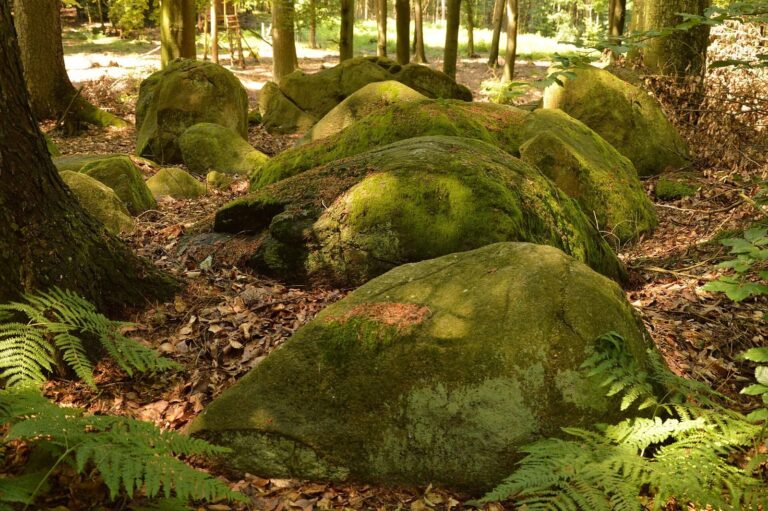
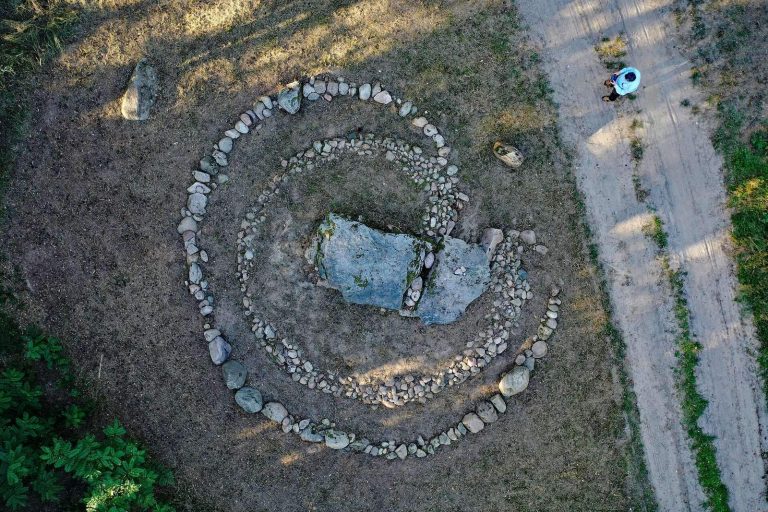
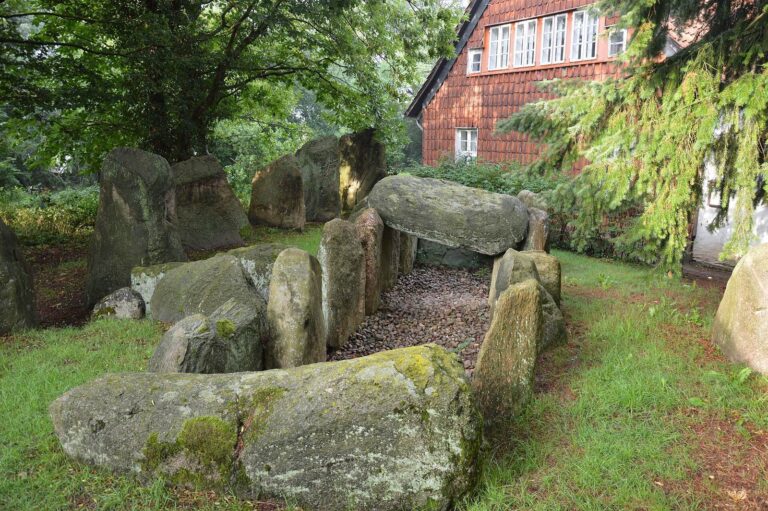
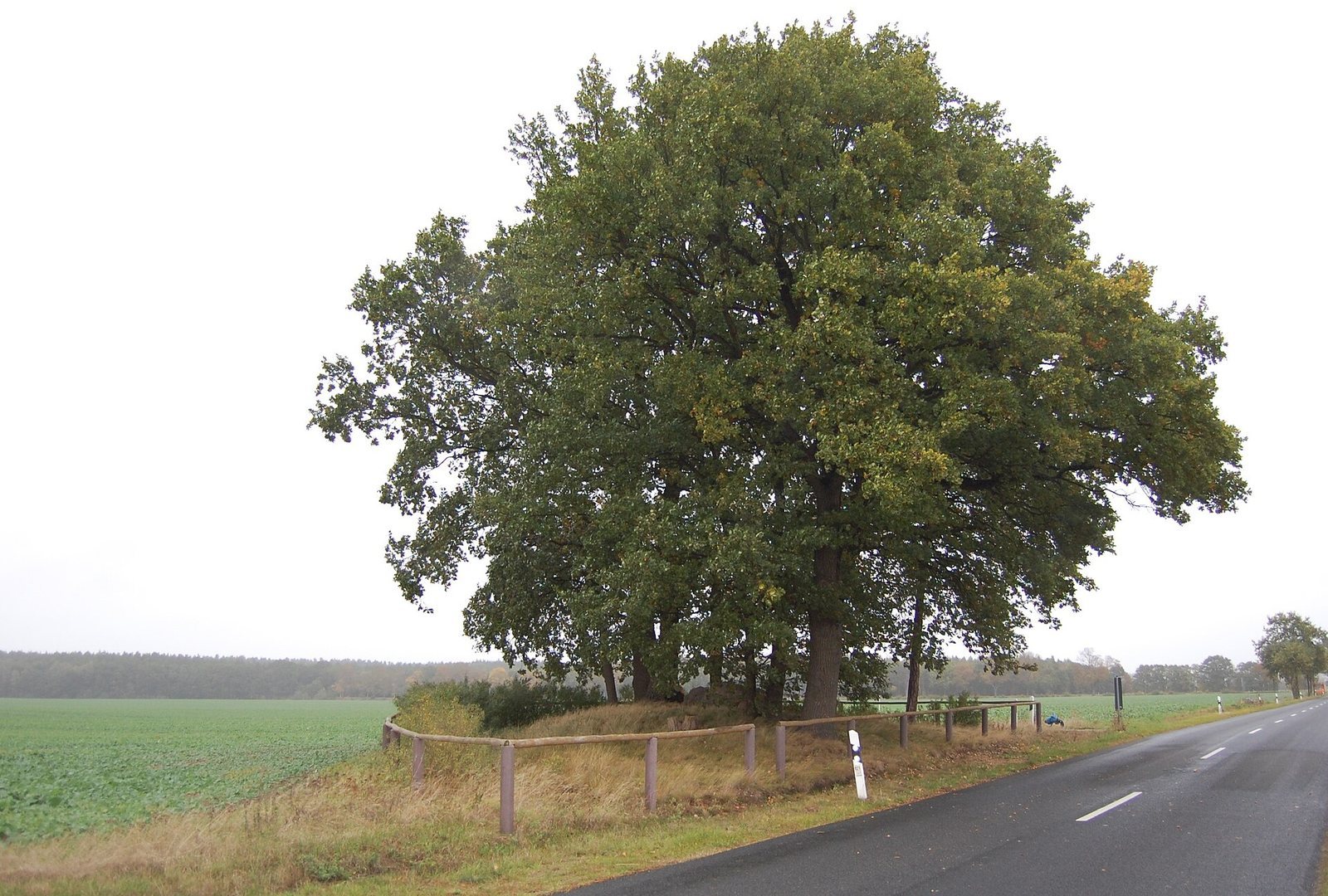
The poorly preserved tomb lies about 1.2 kilometres east of Nesenitz, on a small slope facing northwest. The road from Nesenitz to Klötze runs immediately to its south. It is probably a great dolmen, a large chambered tomb built from very large stones, with a surrounding enclosure, a stone setting around a tomb.
Tomb layout and stones
Mound and chamber
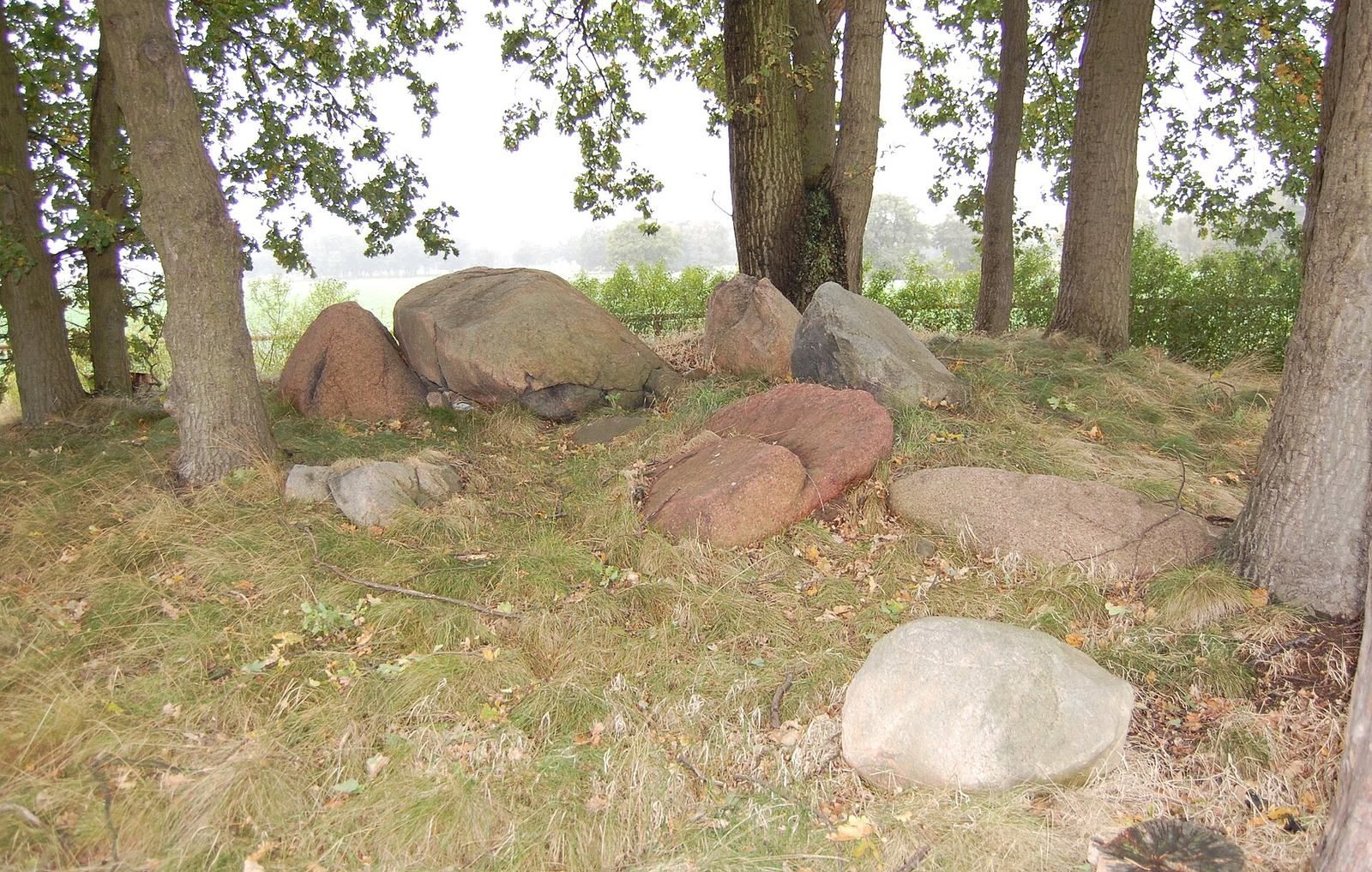
An irregularly rounded mound rises about one metre above the ground. The chamber is aligned west to east and measures at least four metres long and 1.9 metres wide. Five wall stones and two capstones remain; the largest capstone measures two metres long, 1.3 metres wide, and 0.7 metres thick.
Cup-shaped depressions
The western capstone bears three cup-shaped depressions. Each is about five centimetres across and up to one centimetre deep.
Enclosure measurements
In 1843, Danneil measured the megalithic setting at 7.5 metres long and 3.3 metres wide.