Gorkhatri: A Mughal Caravanserai and Archaeological Site in Peshawar
Site at a Glance
- Popularity
- Medium
- Country
- Pakistan
- Primary era
- Early Modern
- Eras represented
- Early Modern, Modern
- Civilizations
- British, Mughal, Sikh Empire
- Site type
- Economic
- Remains
- Caravanserai
On this page10 sections
History
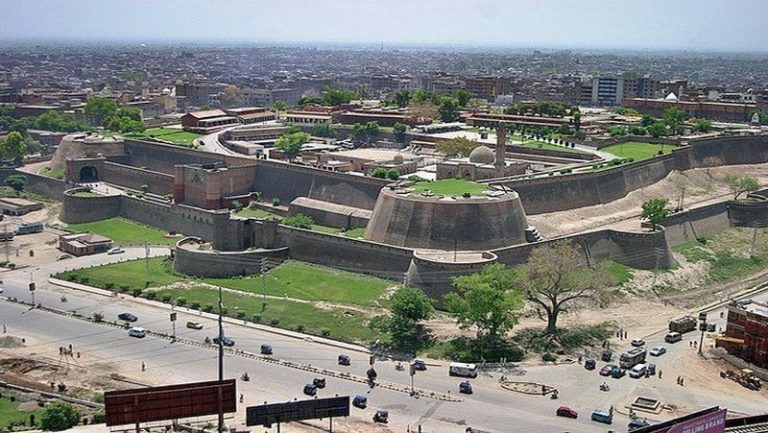
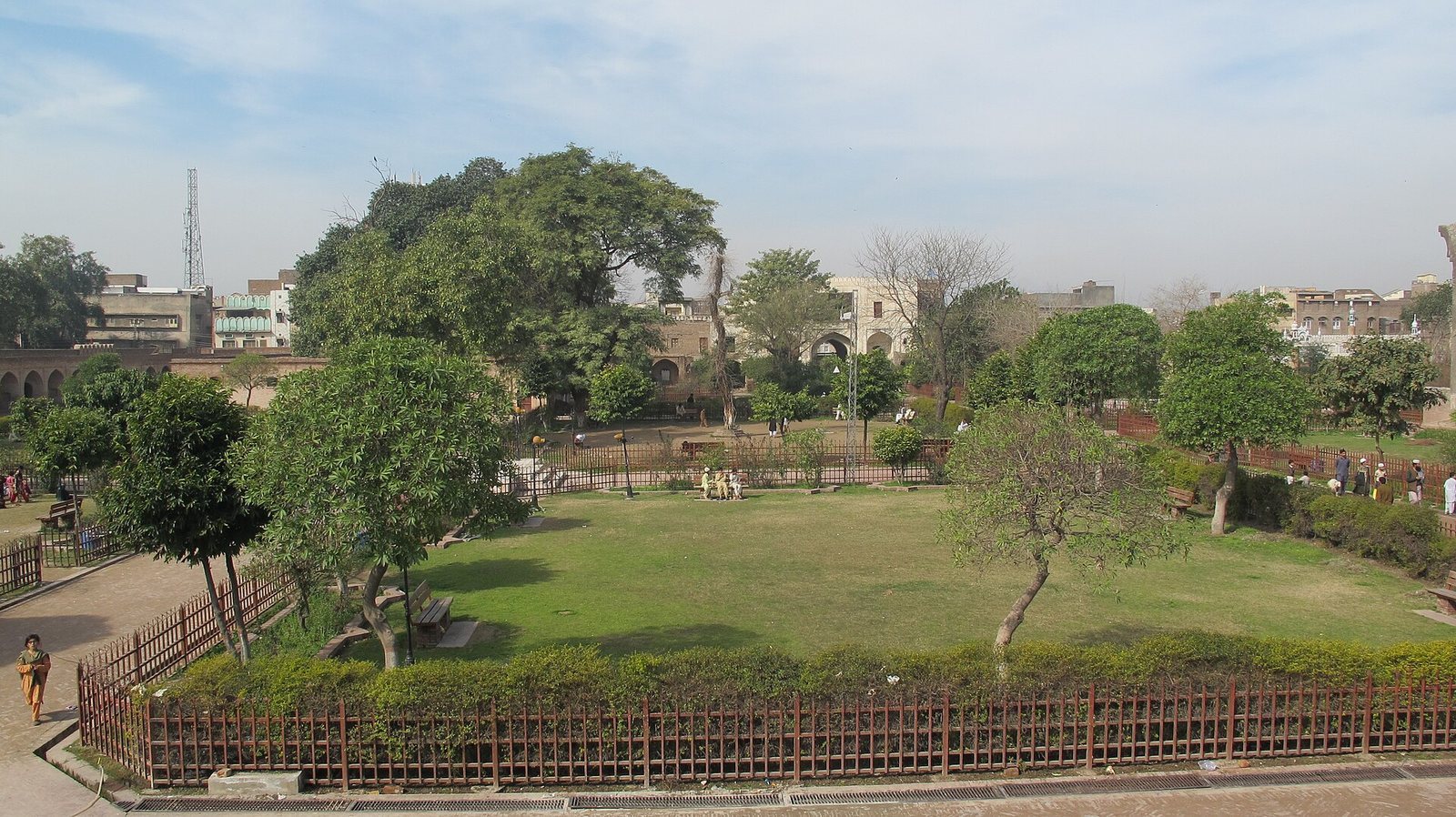
Gorkhatri is an archaeological site and public park in Gor Khatri, Peshawar, Pakistan, where a fortified compound became a Mughal caravanserai in 1641 over older ruins. Its history includes proposed ancient Buddhist associations, successive religious and administrative uses, and excavations that reshaped understanding of Peshawar’s early urban past.
Ancient associations
The name Gorkhatri means “grave of a Kshatriya,” a traditional South Asian social class associated with rulers and warriors. Alexander Cunningham identified the site with the former location of Kanishka’s great Buddhist monument. Ahmad Hasan Dani also placed here a tower believed to have housed the Buddha’s bowl.
Xuanzang, a Chinese Buddhist monk and pilgrim who travelled in Gandhara, an ancient region centered in what is now northwestern Pakistan and eastern Afghanistan, in the early seventh century, praised Peshawar and Kanishka’s monument. He also described a place where the Buddha’s great bowl was kept, which many historians identify with Gorkhatri. Babur, founder of the Mughal Empire, visited the site and noted its importance in his autobiography. Historian S.M. Jaffar further associated Gorkhatri with a Hindu pilgrimage place where devotees performed a head-shaving rite called Sardukahr.
Mughal caravanserai
In 1641, Jahanara Begum, daughter of Mughal emperor Shah Jahan, built a pavilion at the ancient site and converted it into Sarai Jahanabad. The complex served as a caravanserai, a roadside lodging for travellers and their animals.
Sikh rule
Under the Sikh Empire, a nineteenth-century state centered in Punjab, the compound became the residence and official headquarters of Paolo Avitabile. The Italian-born military commander served as governor of Peshawar from 1838 to 1842. Sikhs also built a Hindu temple dedicated to Shiva, a major Hindu deity, within the complex.
Excavations and later use
A fire-brigade building was constructed at Gorkhatri in 1917. From that year until 2002, the compound was used as a police headquarters and fire-brigade station. Archaeologist Farzand Ali Durrani began vertical excavations in 1992–93, digging down through layers of occupation. Although the work could not be completed for lack of funds, it established that Peshawar’s urban origins reached back at least to the third century BC. Another excavation campaign in the northeastern sector, carried out through 2007, pushed the city’s antiquity back by roughly two centuries and strengthened its claim to be South Asia’s oldest continuously inhabited city.
Remains
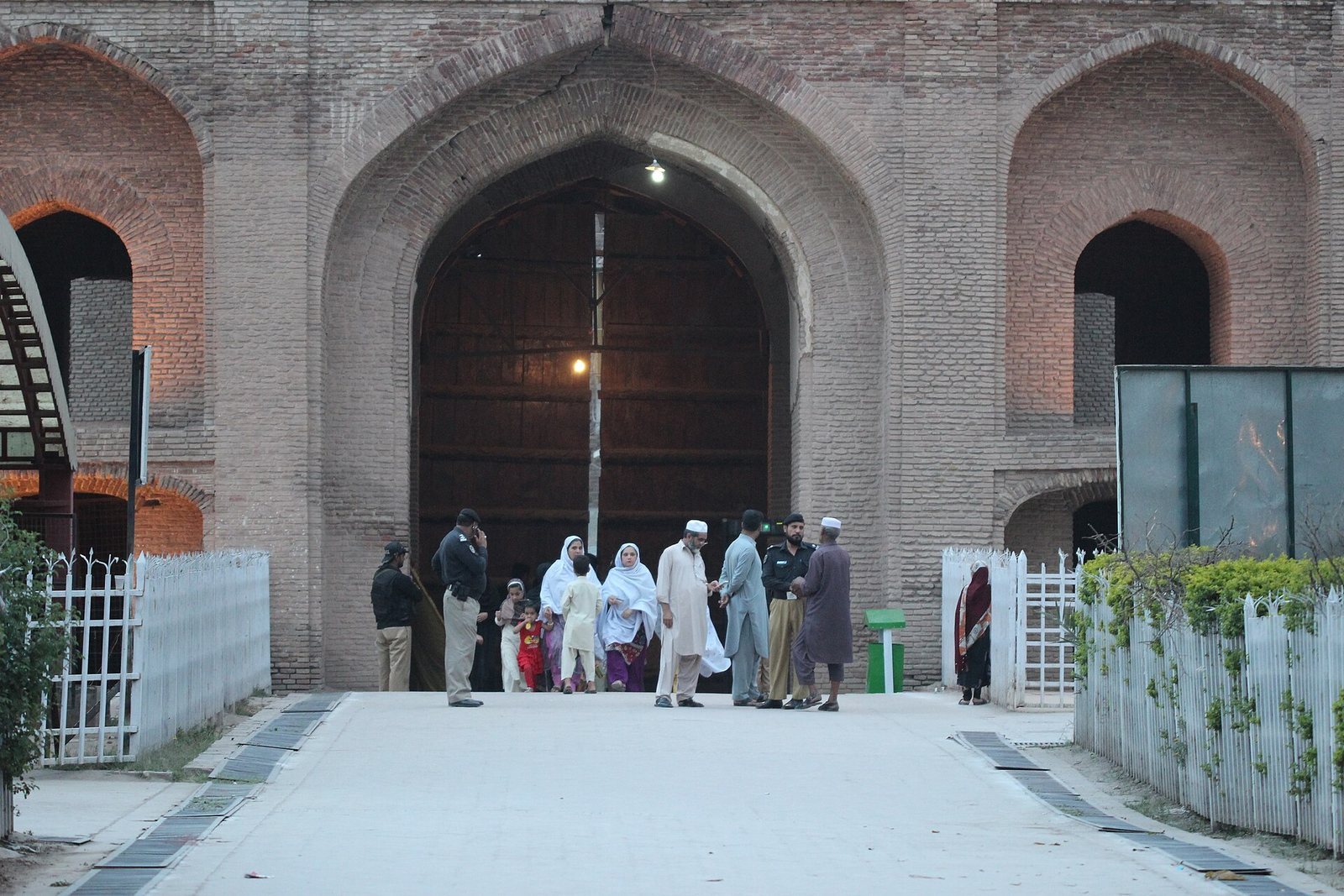
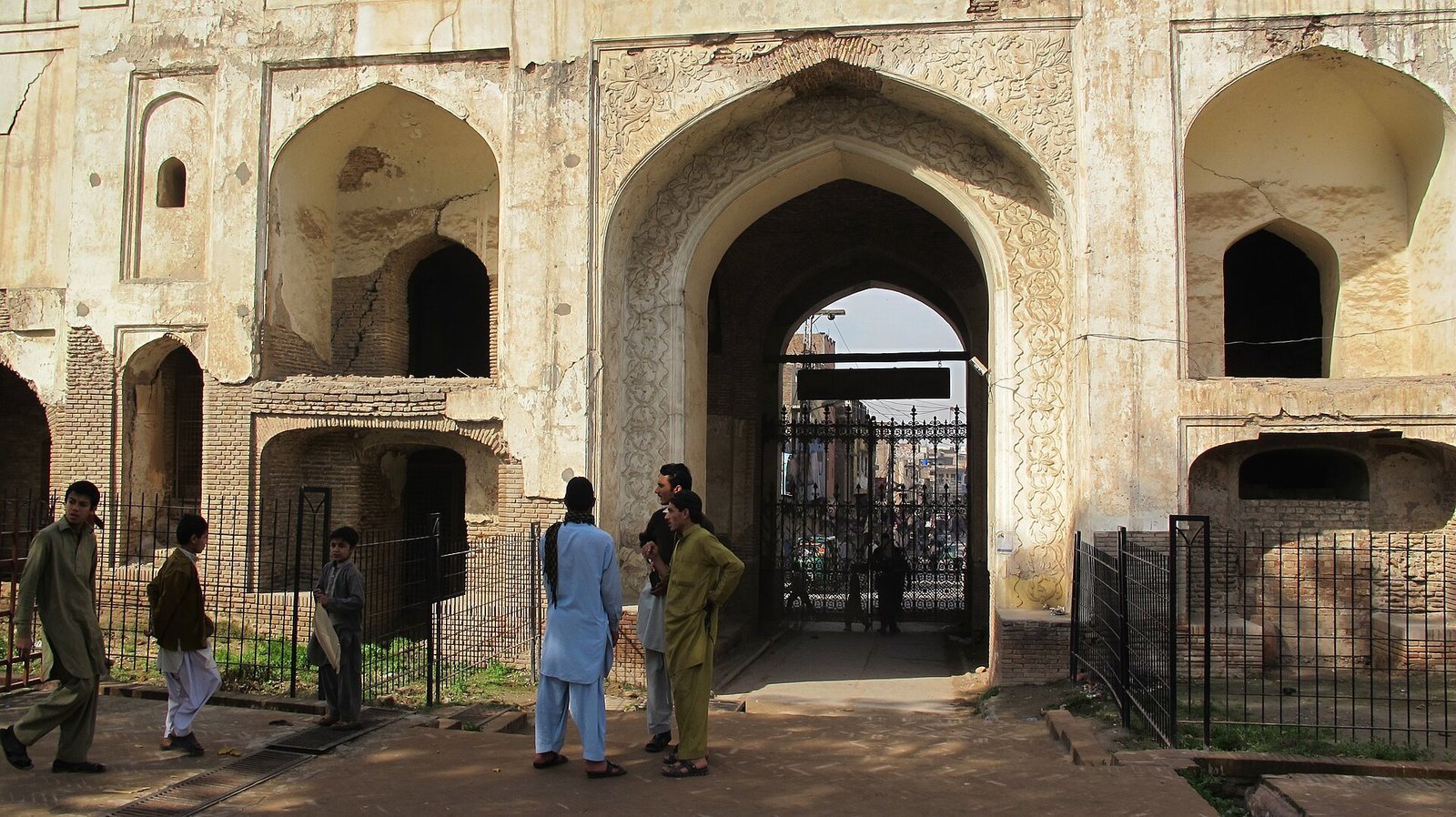
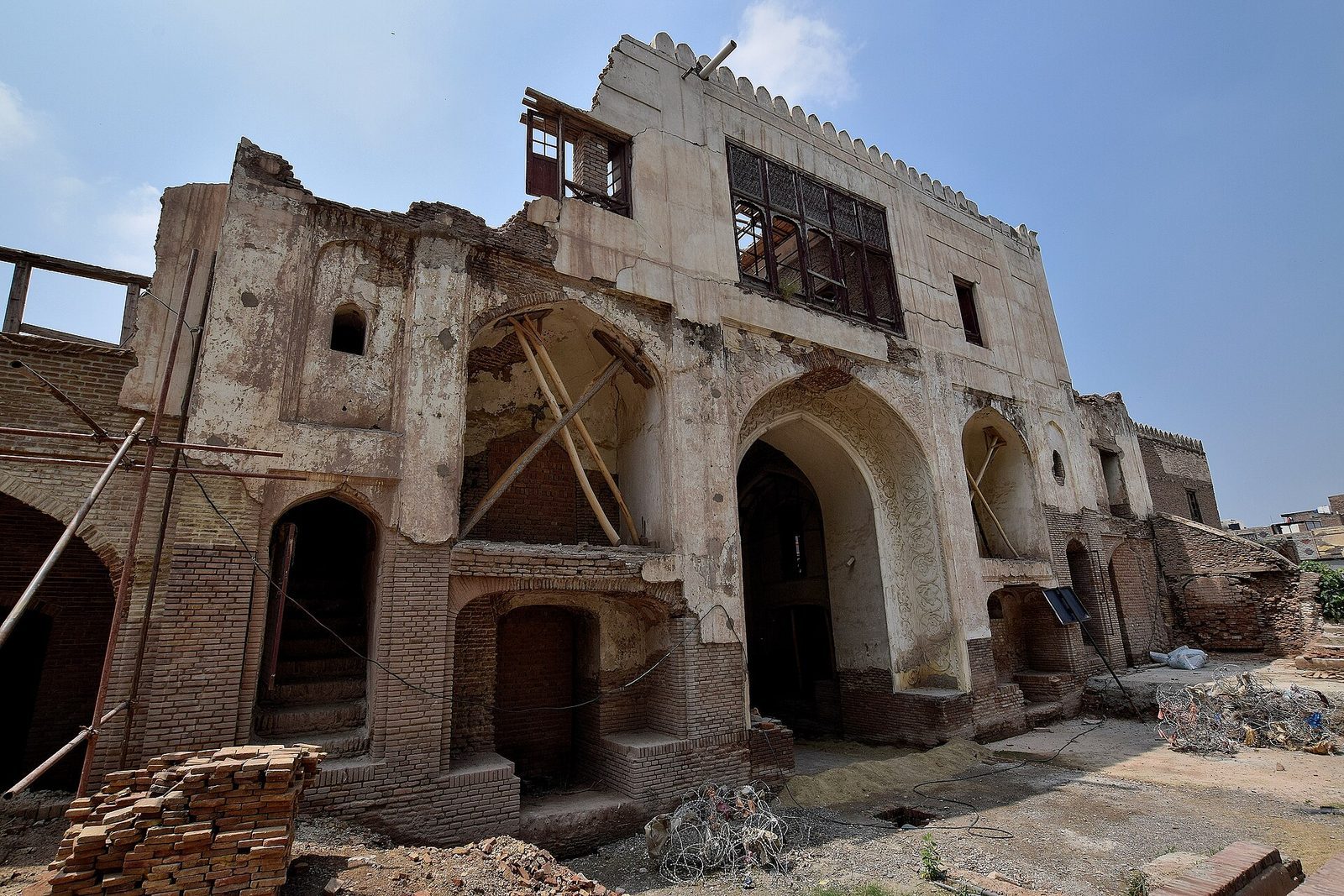
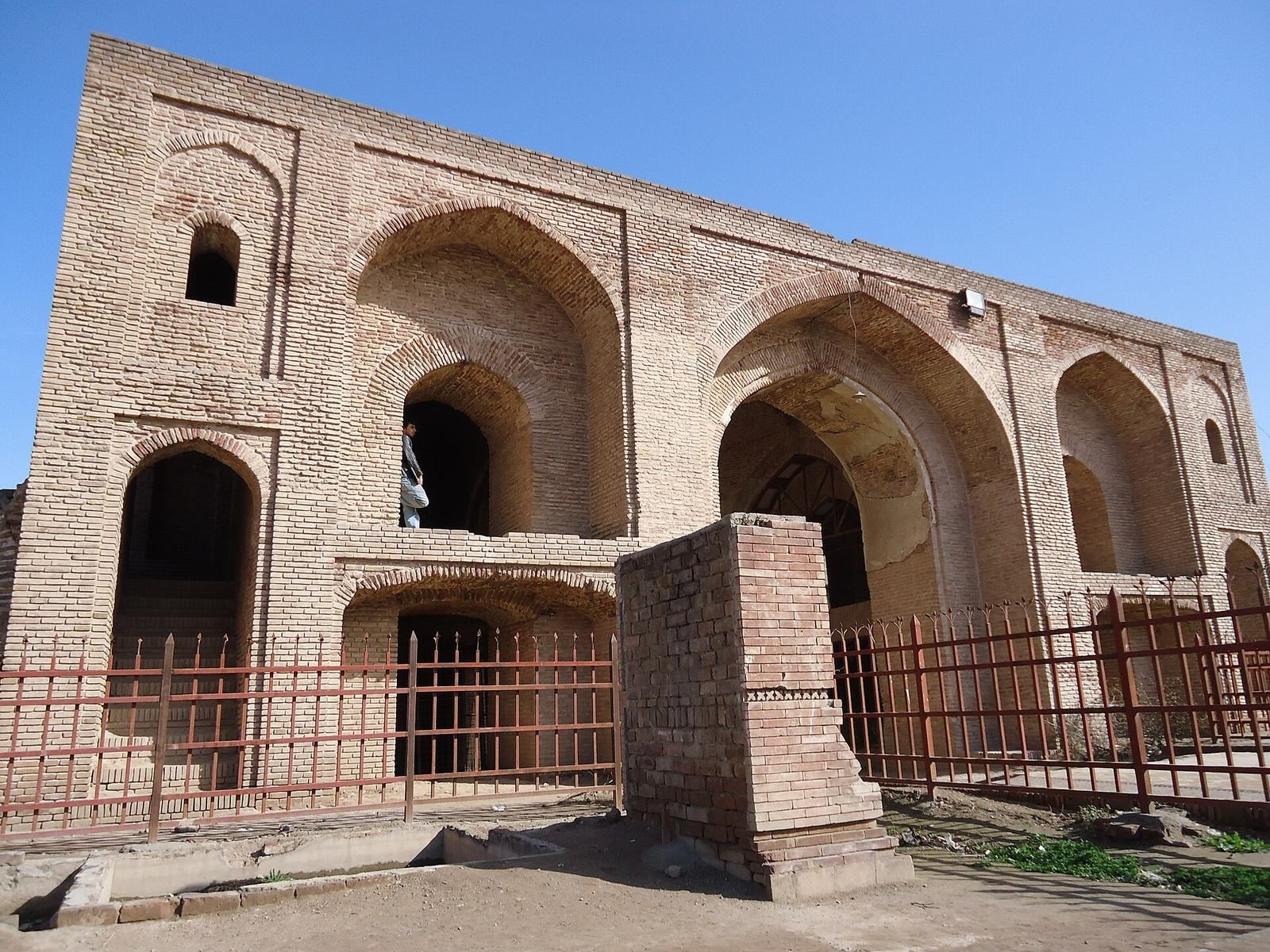
Gorkhatri occupies a fortified square compound measuring 160 metres on each side, on one of southeastern Peshawar’s highest points. Its two principal gateways face east and west. Cells and other buildings occupy the southern and western parts of the complex.
Religious and caravanserai buildings
Goraknath Temple
The Goraknath Temple stands at the centre of the compound. It is the central religious building within the surviving layout.
Sarai Jahanabad
The caravanserai included a congregational mosque, a sauna bath, and two wells provided for travellers. These facilities formed part of the lodging complex within the fortified compound.
Fire-brigade building
The complex also contains the fire-brigade building constructed in 1917, a later civic structure within the site.