Black Friars’ Monastery of Stockholm: A Dominican Religious House
Site at a Glance
- Popularity
- Medium
- Country
- Sweden
- Primary era
- Medieval
- Eras represented
- Medieval
- Civilizations
- Swedish
- Site type
- Religious
- Remains
- Monastery
On this page10 sections
History
The Black Friars’ Monastery of Stockholm was a Dominican monastery on Stadsholmen in Stockholm, Sweden, founded by King Magnus IV in the mid-1330s. The Black Friars belonged to a preaching order established by Saint Dominic in 1216; the friars were known for their black hooded robes and traditionally relied on alms. The monastery later became Stockholm’s largest and hosted important political events.
Arrival and foundation
The friars came to Sweden in 1220 and sought land in Stockholm for a religious house and shelter. A royal official at Three Crowns Castle initially ruled their claim to land unlawful. In 1289, they may have purchased a house near the southern bridge between Stadsholmen and Södermalm for use when visiting the city.
In the mid-1330s, Magnus IV granted the friars crown land in southern Stadsholmen. He provided further funds in 1338, but construction awaited approval from Pope Clement VI in 1343, after a dispute between the king and the friars at Strängnäs. By the end of the fourteenth century, the monastery had gained renown. Beatrix of Bavaria and her newborn son may have been buried in its cloister, a covered walk around a courtyard, in 1359. Queen Richardis was buried there in 1377.
Fire and political use
A major fire swept across Stadsholmen in 1407, destroying the monastery and killing some of its friars. The house was rebuilt soon afterward on a larger and more elaborate scale.
During the Engelbrekt Rebellion, an uprising in Sweden in the 1430s, Charles Knutsson was appointed Captain of the Realm at the monastery in 1436. Sten Sture the Elder assumed the regency there in 1501. After the siege of Three Crowns Castle on 9 May 1502, Sten held the defeated Queen Christina of Saxony prisoner at the monastery.
Demolition and later identification
Gustav Vasa had the monastery demolished in 1528. The church and a few rows of houses remained, while building materials from the monastery were taken in 1547 for work on Three Crowns Castle. In the late Middle Ages, a monastery basement was probably leased to a wine merchant for use as a local restaurant.
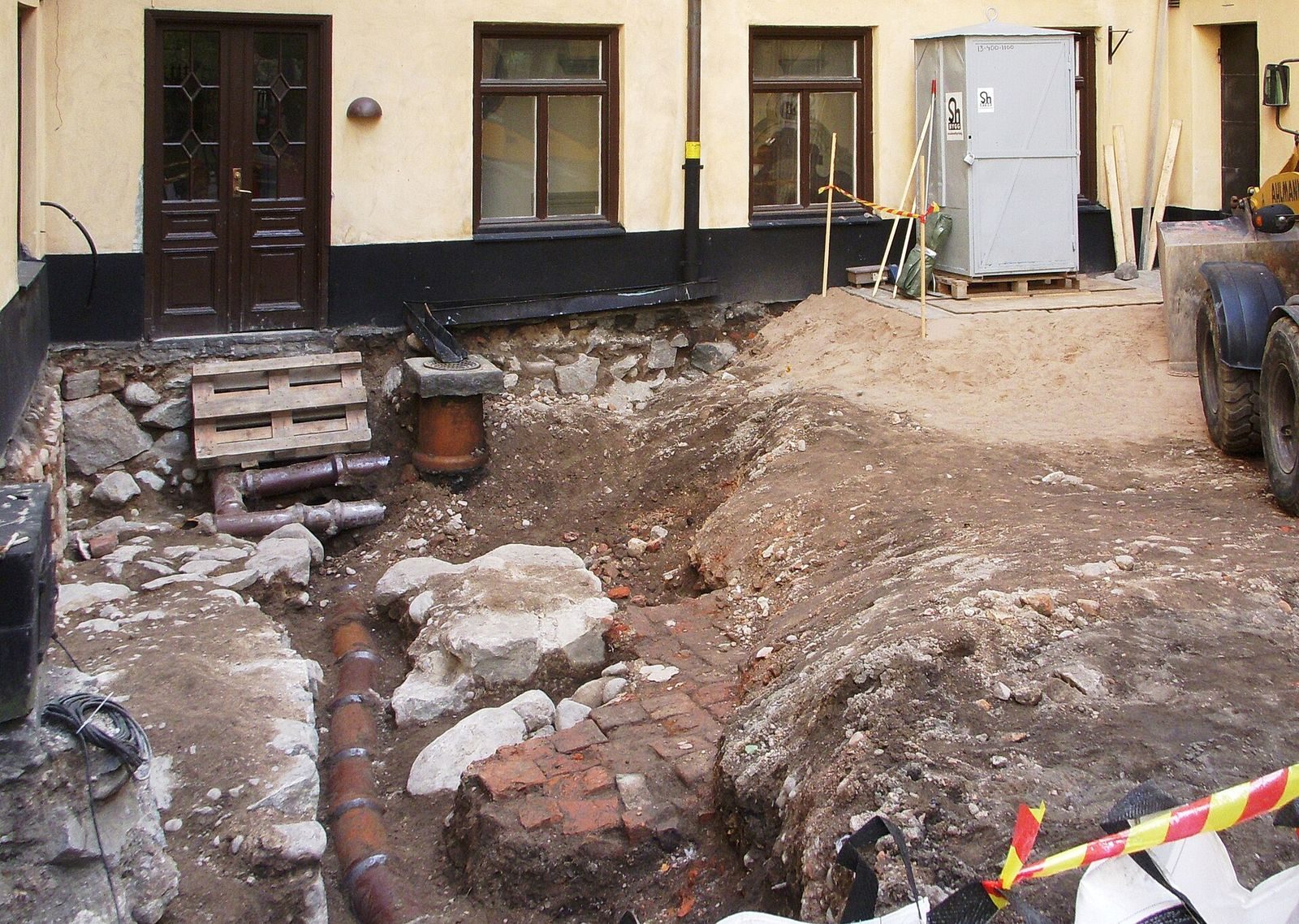
In 1929, Tord O:son Nordberg examined and measured the Venus and Juno blocks. His work identified medieval wall remains and helped establish where the monastery complex had stood.
Remains
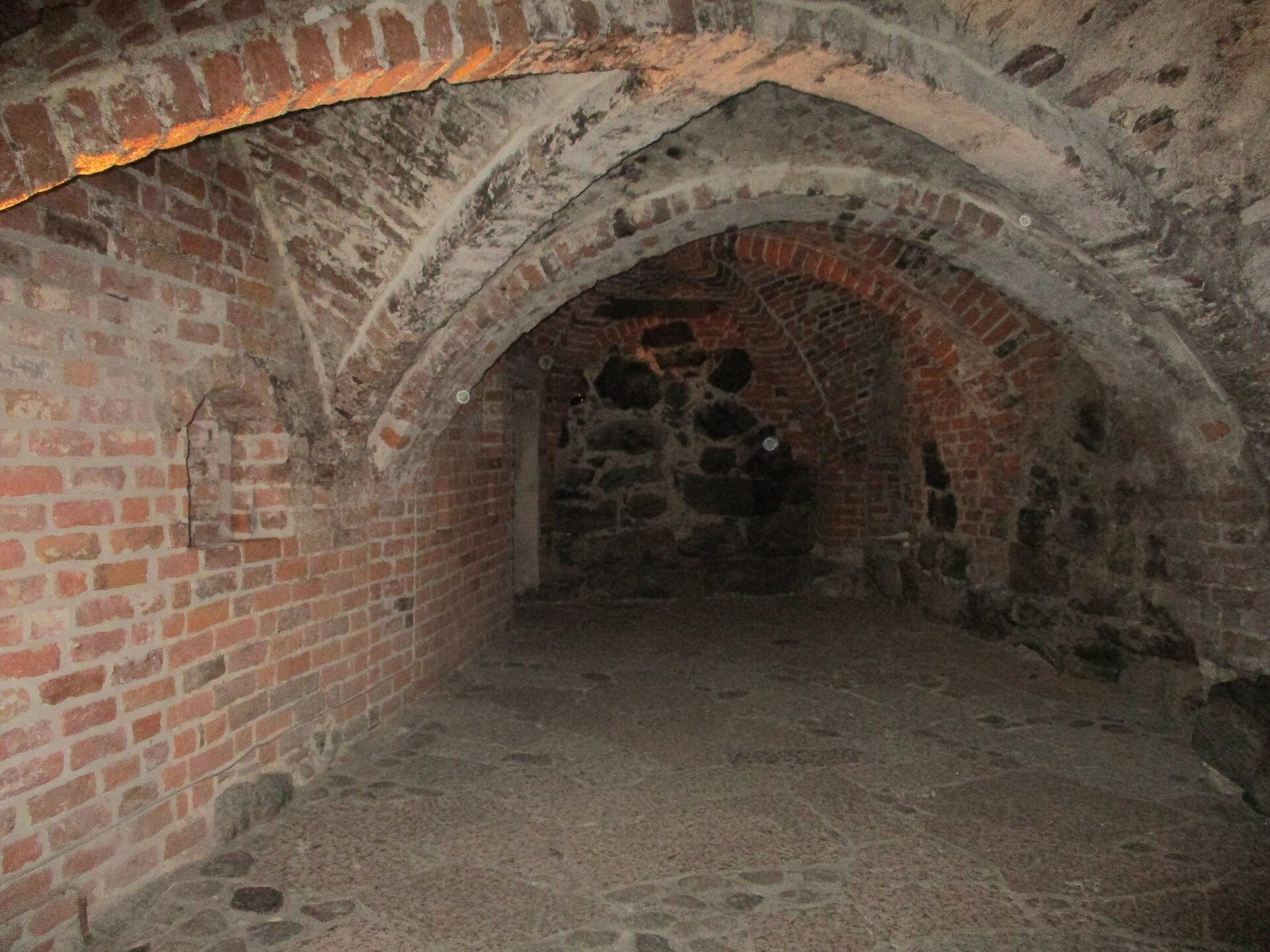
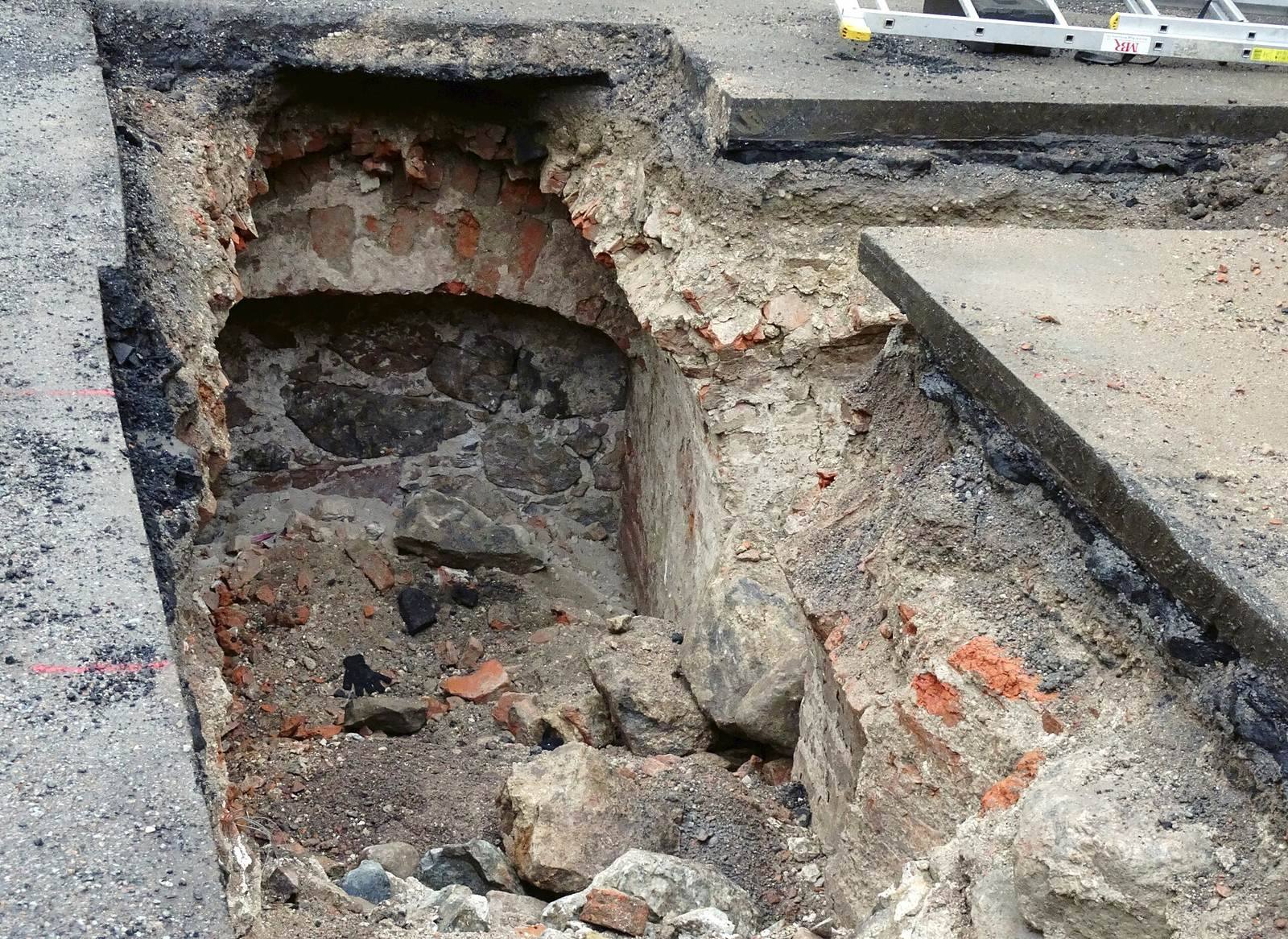
The monastery occupied southern Stadsholmen within the thirteenth-century city walls, in the area of present-day Prästgatan and Österlånggatan. Its surviving evidence includes medieval wall remains and six basement rooms, with brick arches preserved in two of them.
Location of the monastery buildings
Wall remains in the Venus and Juno blocks indicate the arrangement of the complex. Most of the monastery buildings stood in Venus, while the church occupied neighbouring Juno.
Basement rooms
Benickebrinken rooms
Two of the six surviving rooms are at the southern end of Benickebrinken. They contain seven brick arches. A basement entrance opened directly onto the street and did not connect to the monastery itself.
Österlånggatan rooms
Four further rooms lie beside Österlånggatan in Gamla stan. They were originally intended to shelter wayfarers and pilgrims.
Street name
Svartmangatan, the street leading down toward the monastery, preserves a name recalling the Black Friars.