Çifte Medrese: A Seljuk Hospital and Medical School in Kayseri
Site at a Glance
- Popularity
- Medium
- Country
- Turkey
- Primary era
- Medieval
- Eras represented
- Medieval
- Civilizations
- Seljuk
- Site type
- Civic
- Remains
- University
On this page8 sections
History
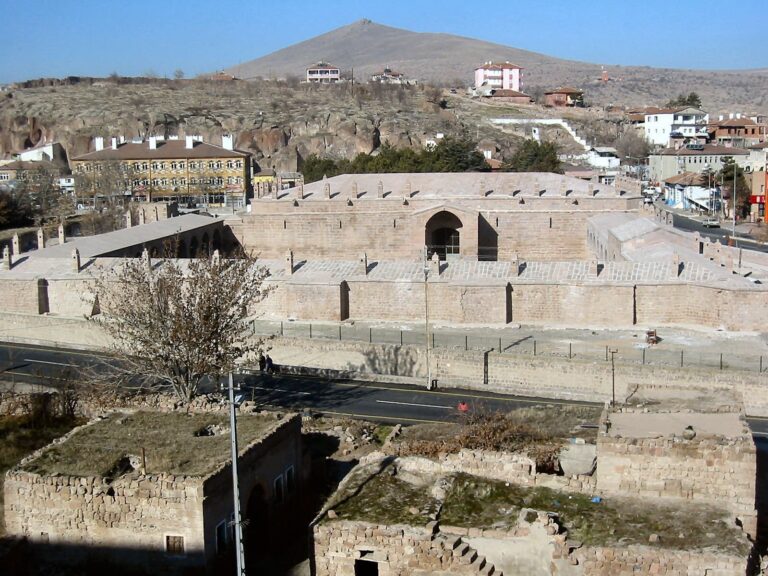
The Çifte Medrese, also known as the Gevher Nesibe Medical Complex, is an Anatolian Seljuk hospital and medical school in Kayseri, Türkiye. Kaykhusraw I, ruler of the Sultanate of Rum, the Seljuk state in Anatolia, commissioned it in 1204, and construction was completed in 1206. Built in the Anatolian Seljuk architectural style, it is regarded as one of the earliest medical schools in the Islamic world and may have been the first in Anatolia to unite medical teaching with hospital care.
Foundation and purpose
A foundation tradition connects the complex to Gevher Nesibe, a member of the Seljuk ruling family. According to the story, her brother Kaykhusraw refused her marriage to a palace commander and sent the man to war, where he died. Gevher Nesibe later fell ill and, before her death, asked her brother to establish a hospital where people could receive free treatment. The institution was intended to commemorate her and spare others a similar fate. It was also called the Giyasiye Madrasa and Hospital, after Kaykhusraw, and the Gevher Nesibe Sultan Madrasa and Hospital, after the princess.
Medical teaching and care
The hospital treated patients in internal medicine, surgery, eye care, mental health, and pharmacy. For people with mental illnesses, care could include soothing sounds from water, birds, and music. Physicians performed cataract and bladder operations, and an anesthetic mixture contained opium, wine, yellow aloe, mandrake, and coconut.
The medical madrasa, an Islamic institution of learning, trained physicians including Ebubekir, Gazanferi, Ali Şinasi, Ebu Salim Ibni Kübra, Yakubi, Sucauddin Ali Bin Ebu Tahir, and Seyit Samet. Ekmeleddin, health minister to Sultan Alaeddin Keykubad, also taught there. The complex’s combination of medical education and hospital care provided a model for later medical institutions in the Seljuk and Ottoman periods.
Museum and heritage
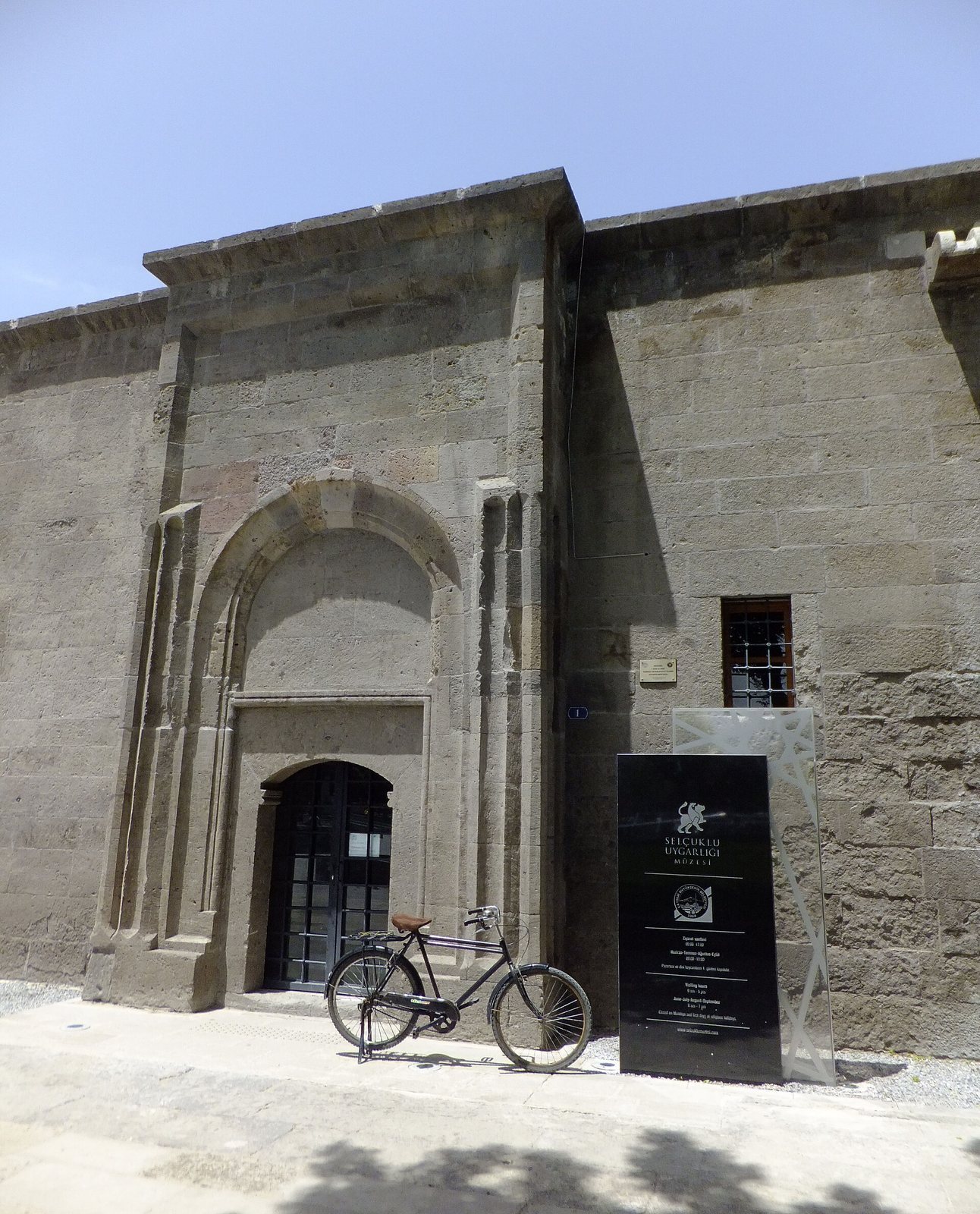
The complex was allocated to Erciyes University’s Institute of Medical History and opened as a Museum of Medical History on 14 March 1982. It now houses the Seljuk Civilization Museum, which presents objects and information about Seljuk culture and science. In 2014, it was added to UNESCO’s World Heritage Tentative List as one of the Anatolian Seljuk madrasas. Inclusion on this list means a property may be considered for future nomination, rather than being inscribed as a World Heritage Site.
Remains
Architectural layout
Hospital and medical madrasa
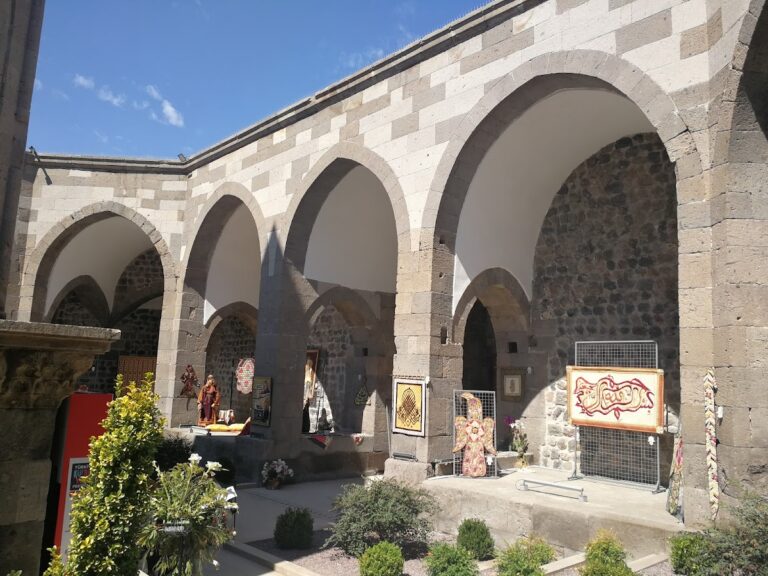
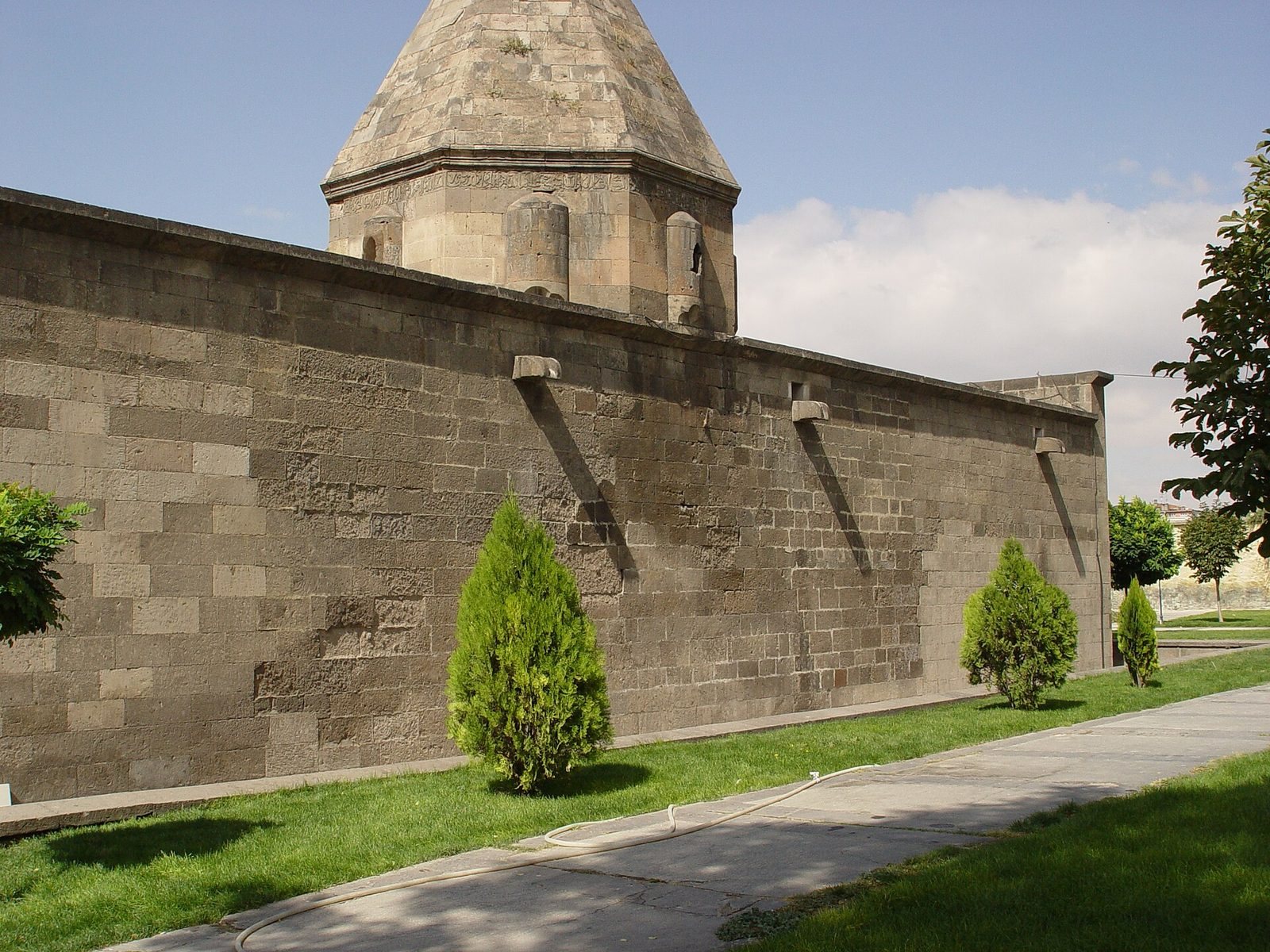
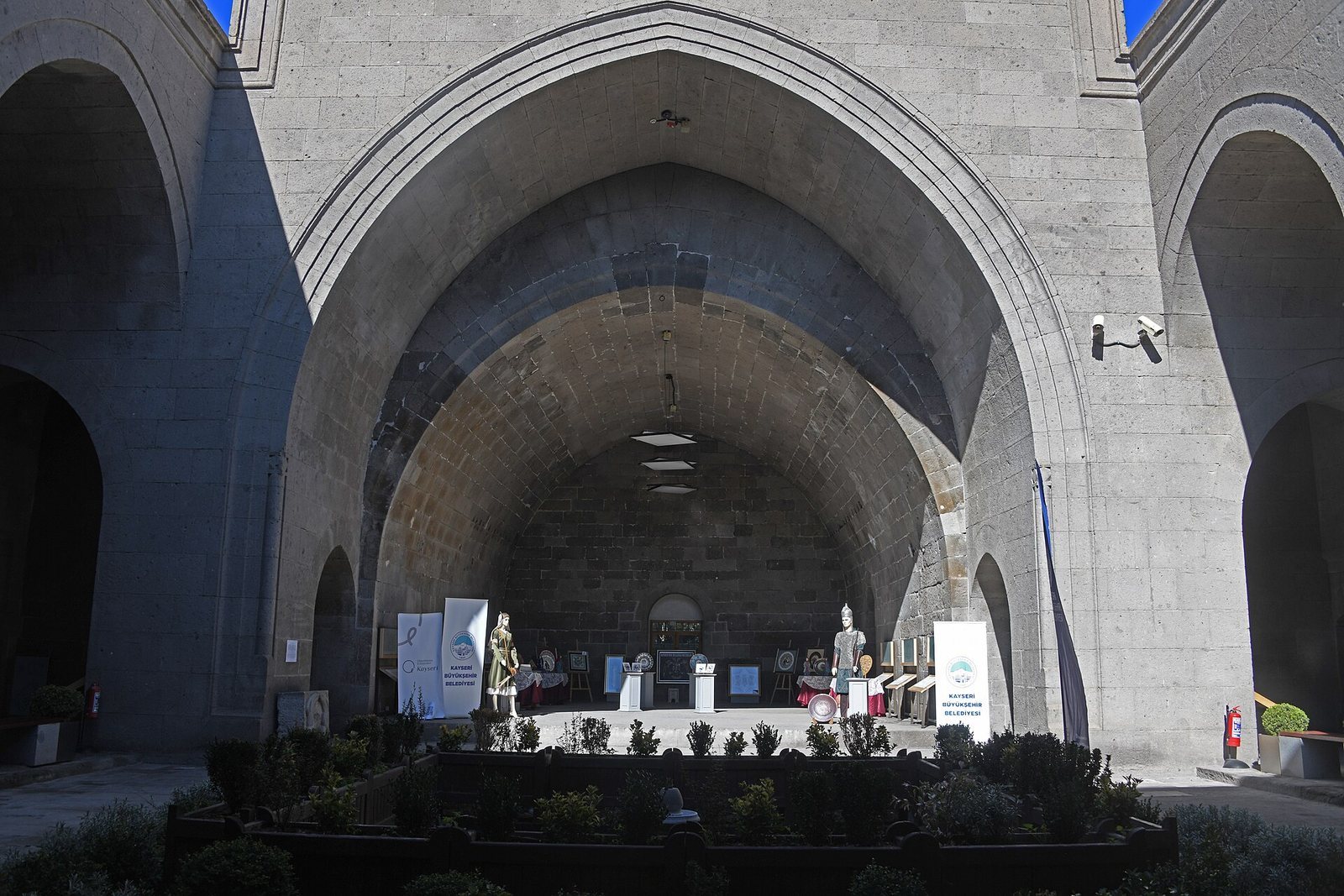
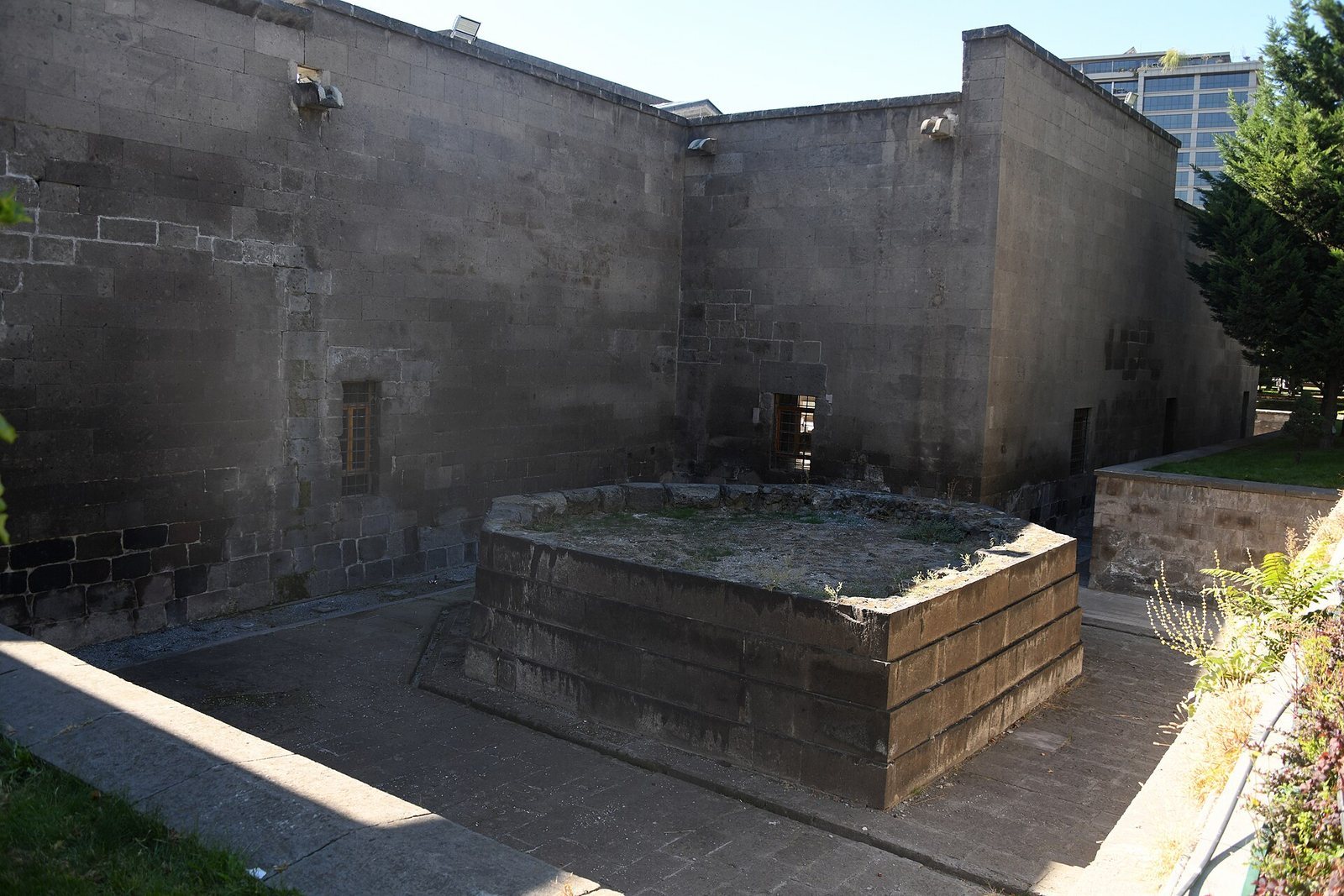
The complex consists of two adjoining, single-storey buildings made of cut stone. The hospital stands to the west and the medical madrasa to the east. Together they measure about 60 metres across and 40 metres long. Their plan includes a central open courtyard, three large halls, one large and two small iwans, meaning halls open on one side and often facing a courtyard, and thirteen rooms. Domed chambers and ornamental stone carvings are among the architectural features.
Medical rooms and roof
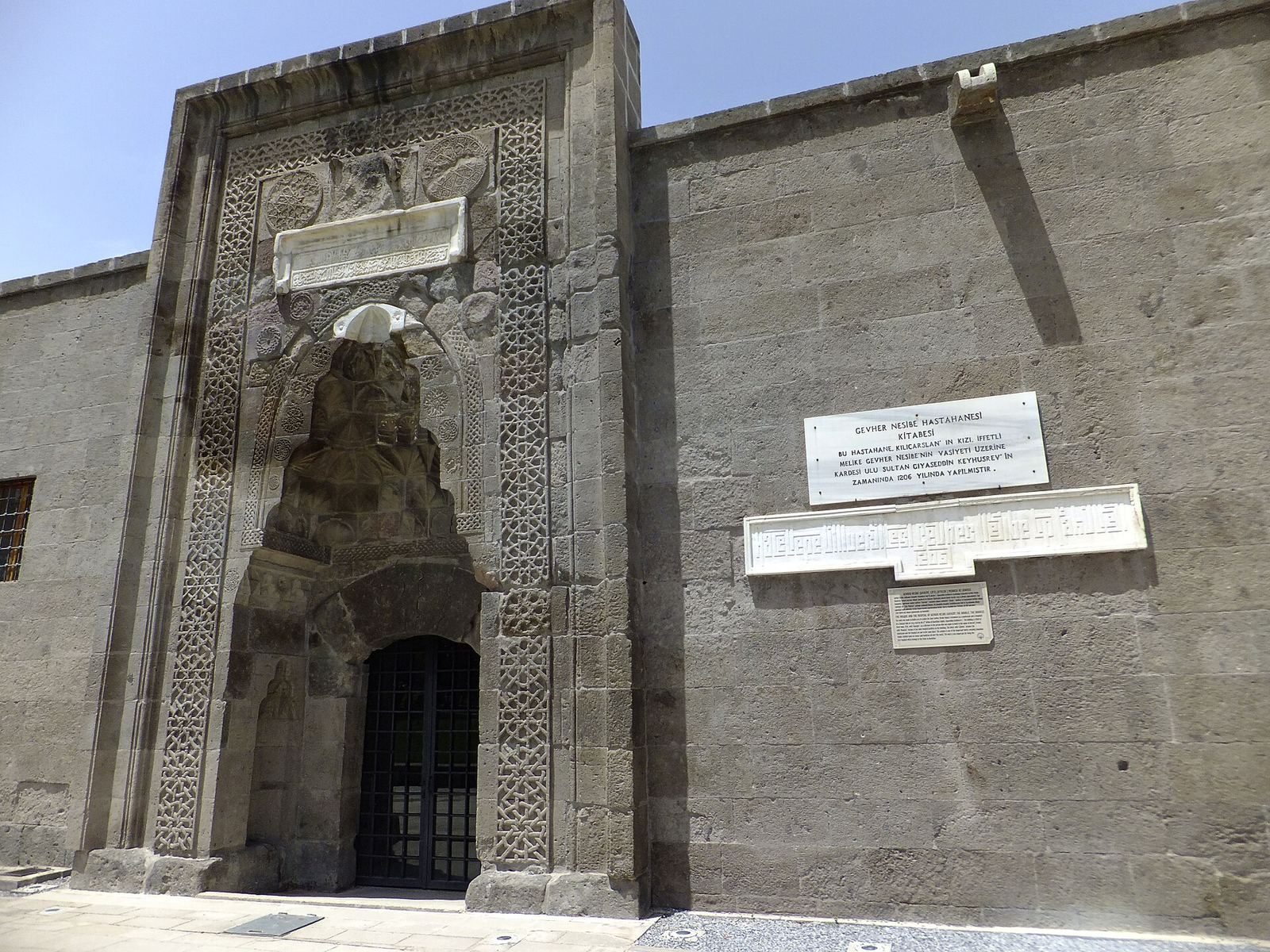
The madrasa had three operating rooms lit from above. A central heating system warmed the complex in winter. On the roof, a greenhouse supplied medicinal plants and vegetables, including lettuce and parsley. A soil layer about 1.5 metres thick covered the roof and also provided insulation. An inscription above the entrance identifies Gevher Nesibe as the daughter of Kilij Arslan II, an earlier ruler of the Sultanate of Rum.