Boekenberg Castle: A Rococo Garden Retreat in Antwerp
Site at a Glance
- Popularity
- Low
- Country
- Belgium
- Primary era
- Modern
- Eras represented
- Early Modern, Modern
- Civilizations
- Belgian, Duchy of Brabant, French, Habsburg, Holy Roman Empire
- Site type
- Domestic
- Remains
- Elite Residence
On this page6 sections
History
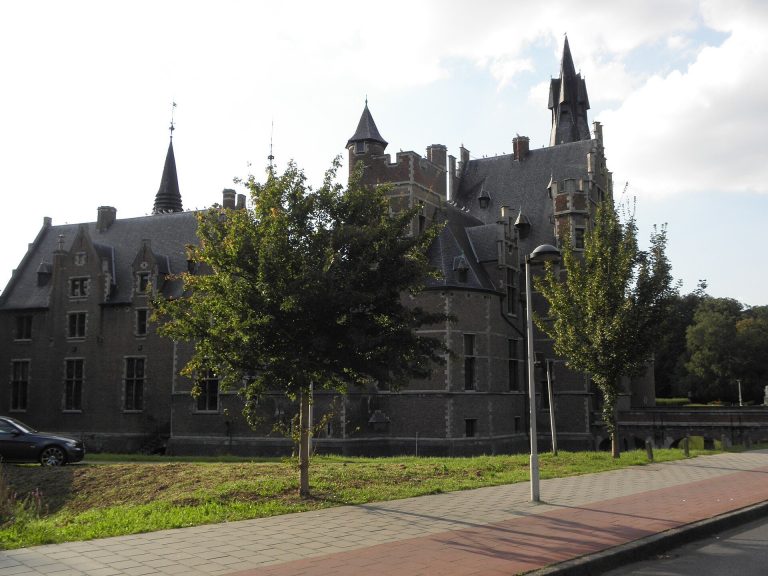
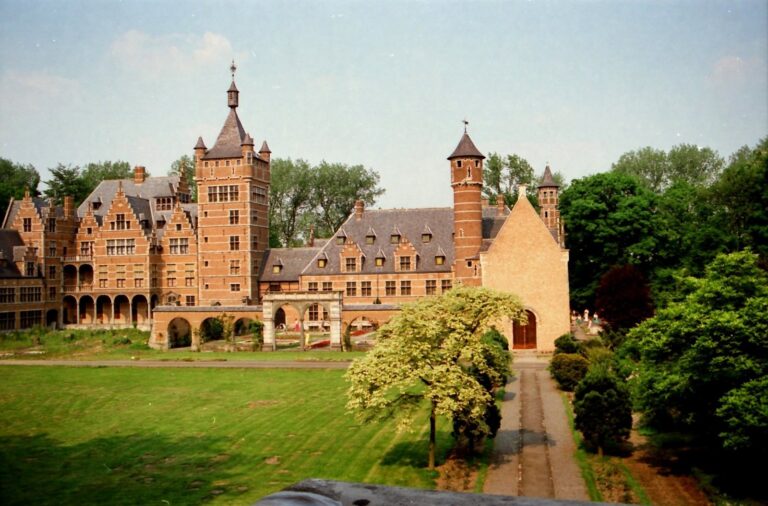
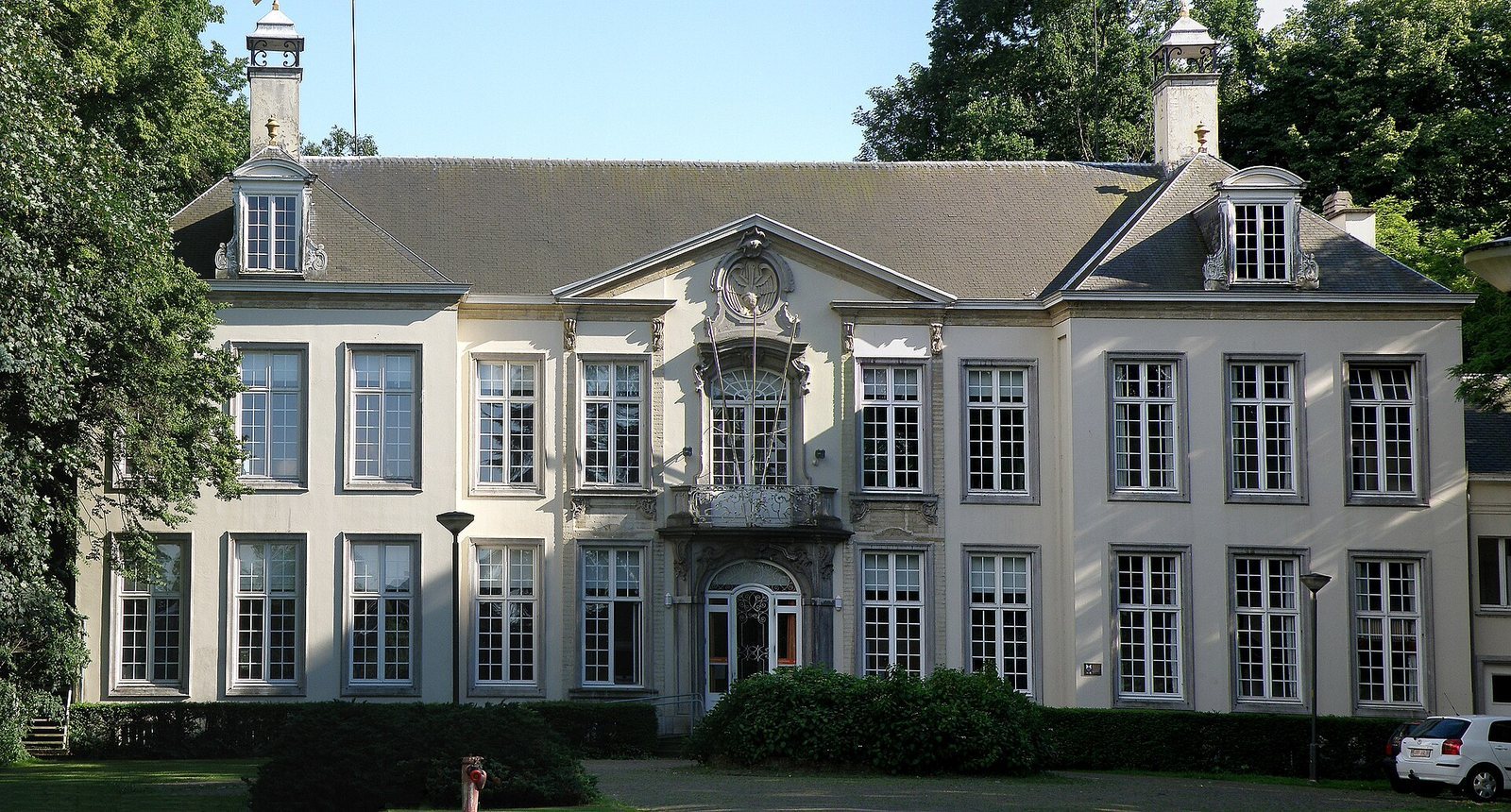
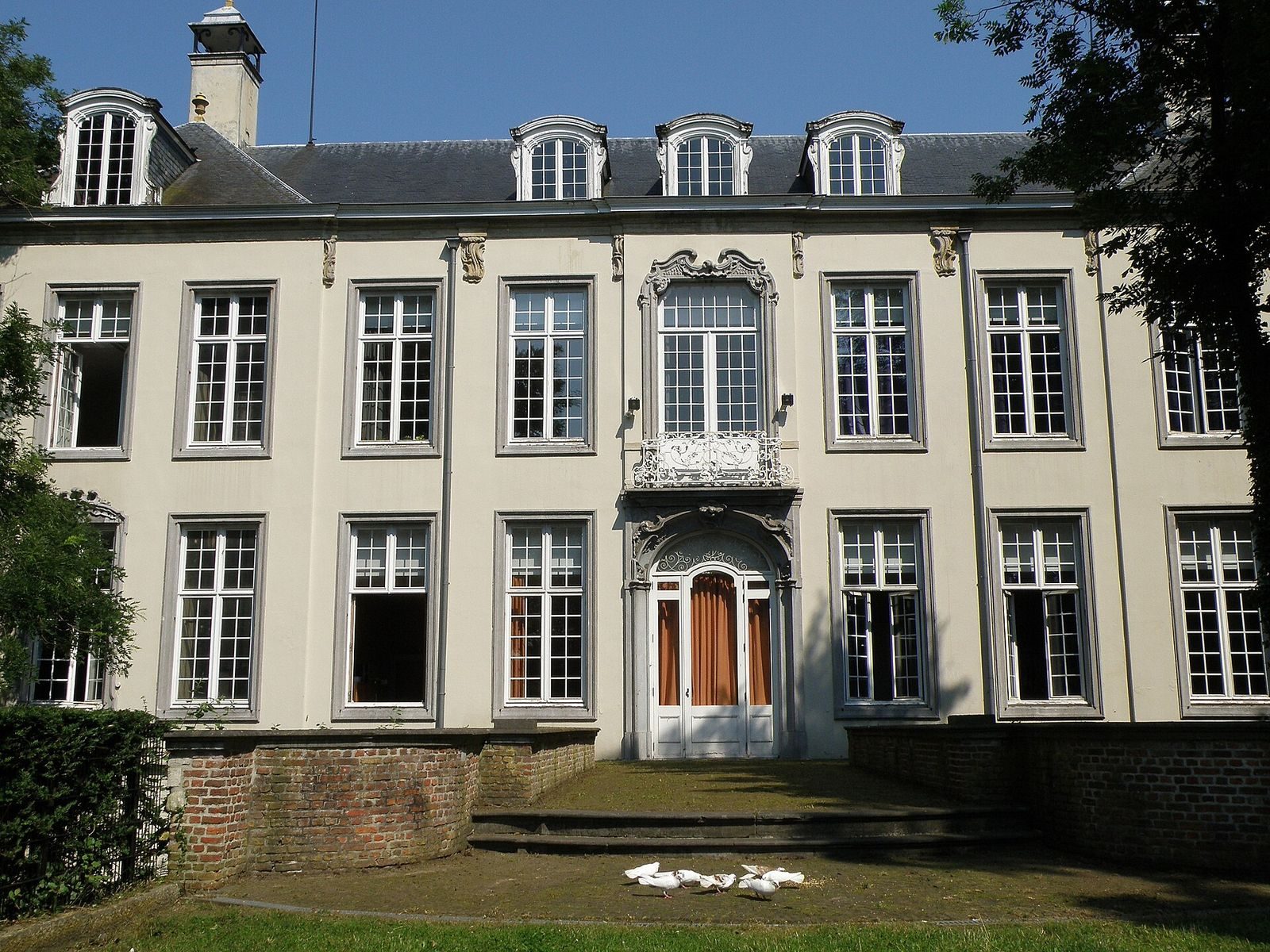
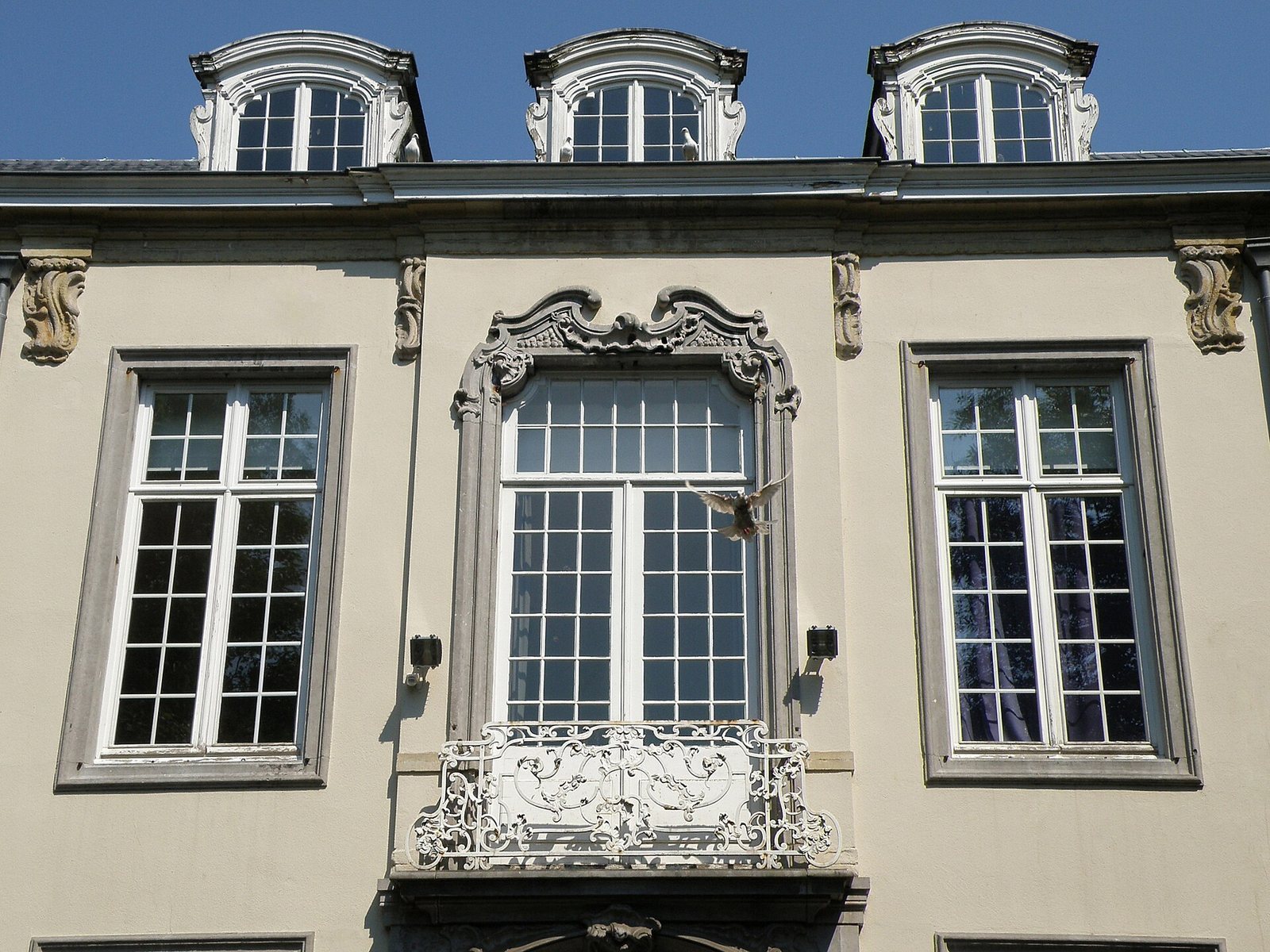
Boekenberg Castle is a Rococo garden retreat in Boekenberg Park, Deurne, Antwerp, Belgium. A house and farm stood on the site in the first half of the sixteenth century. The present castle was rebuilt between 1751 and 1755 for Maria Knyff, widow of J.C. Bosschaert, and J.J. du Bois. Its Rococo design, an eighteenth-century European style known for elaborate decorative forms, is attributed to the architect Van Baurscheit.
From estate to landscaped park
In 1798, merchant and banker J.W. Smets bought the castle and surrounding land and laid out a romantic park. A five-part Chinese pagoda was added around 1800. In 1859, the gardens were redesigned in landscape style, replacing their earlier geometric arrangement. The estate eventually extended over about 30 hectares.
Public park and changing use
The municipality acquired about 10 hectares of the park’s central section in 1914, while the remaining land was subdivided. The park opened to the public in 1926. In 1934, its former reflecting pond was converted into an open-air swimming pool.
After several changes of use, the castle became the property of the Public Centre for Social Welfare (OCMW), a Belgian public body providing social assistance, in 1956. Restoration took place in the years after 1980, and the building served as a Center for Special Youth Care until 2018. Zorgbedrijf Antwerpen, formerly the OCMW, then decided to put it up for sale. The castle has protected-monument status.
A permit was sought in 2019 to rebuild the castle as senior cohousing, a shared housing arrangement for older adults with private homes and common facilities. At about 3:30 p.m. on 12 August 2022, a severe fire destroyed the castle while project-related restoration work was underway. Construction of a temporary roof began on 1 May 2023 so work could continue beneath it.
Remains
Water, landforms, and bridges
The park’s designed landscape brings together water features, shaped ground, and garden structures. The earlier house and farm were surrounded by a moat. The grounds also include a serpentine pond, an ornamental pond with a winding outline, fed by the Luysbeek stream, as well as artificial hills. The landscape redesign linked ponds with the moat and incorporated the cast-iron Della Faille Bridge and plantings of numerous exotic species. A separate rock bridge is among the park’s features.
Grotto and garden structures
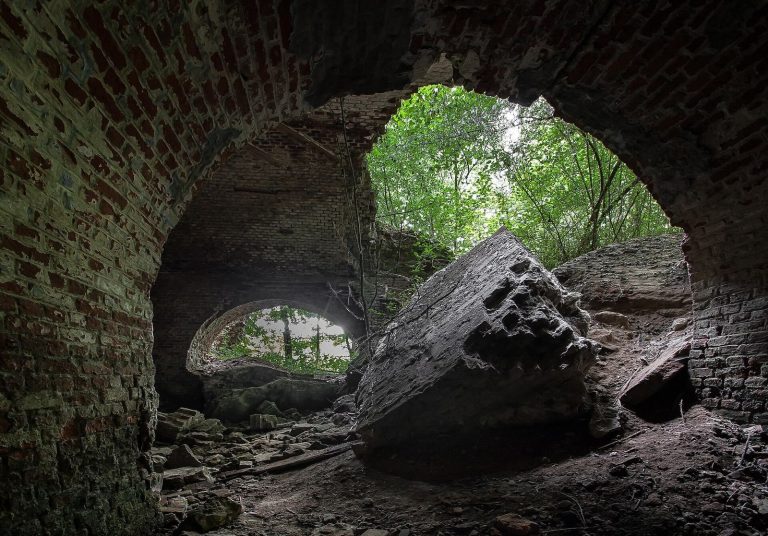
An underground grotto and ice cellar form a complex within the park. The cellar, an underground structure for storing ice, later became the Boekenberg Natural History Museum. Other garden features include a tower ruin and sculptural groups.