Wittouck Castle: A Belgian Neo-Louis XIII Residence
Site at a Glance
- Popularity
- Medium
- Country
- Belgium
- Primary era
- Modern
- Eras represented
- Modern
- Civilizations
- Belgian
- Site type
- Domestic
- Remains
- Castle
History
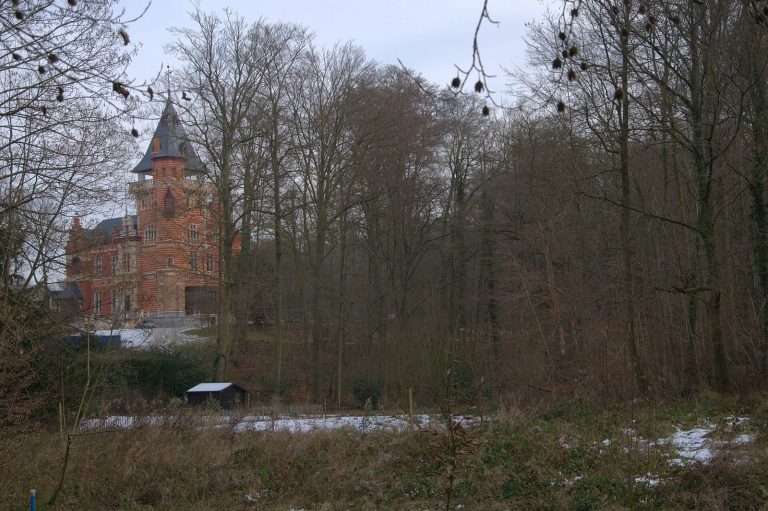
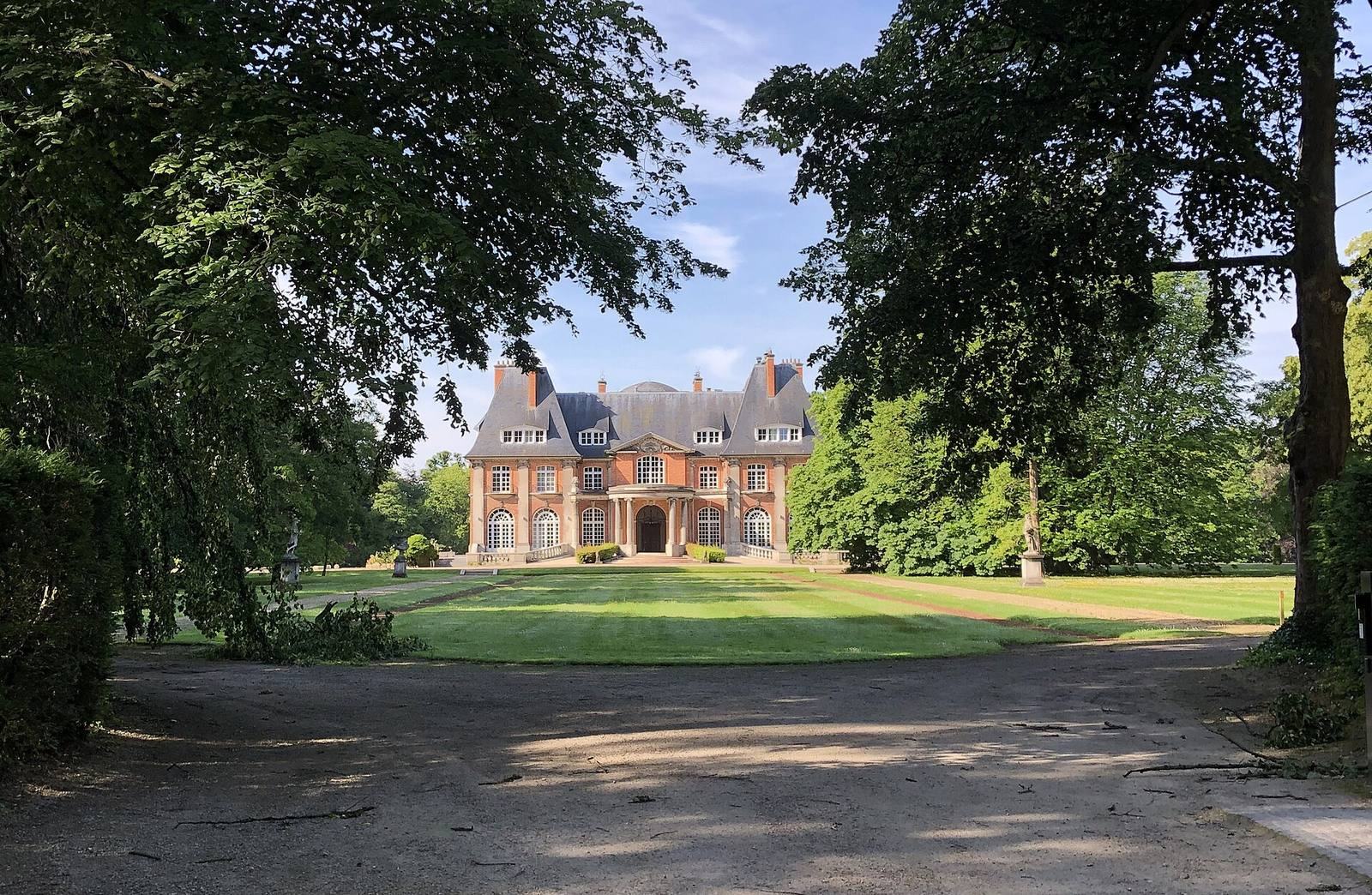
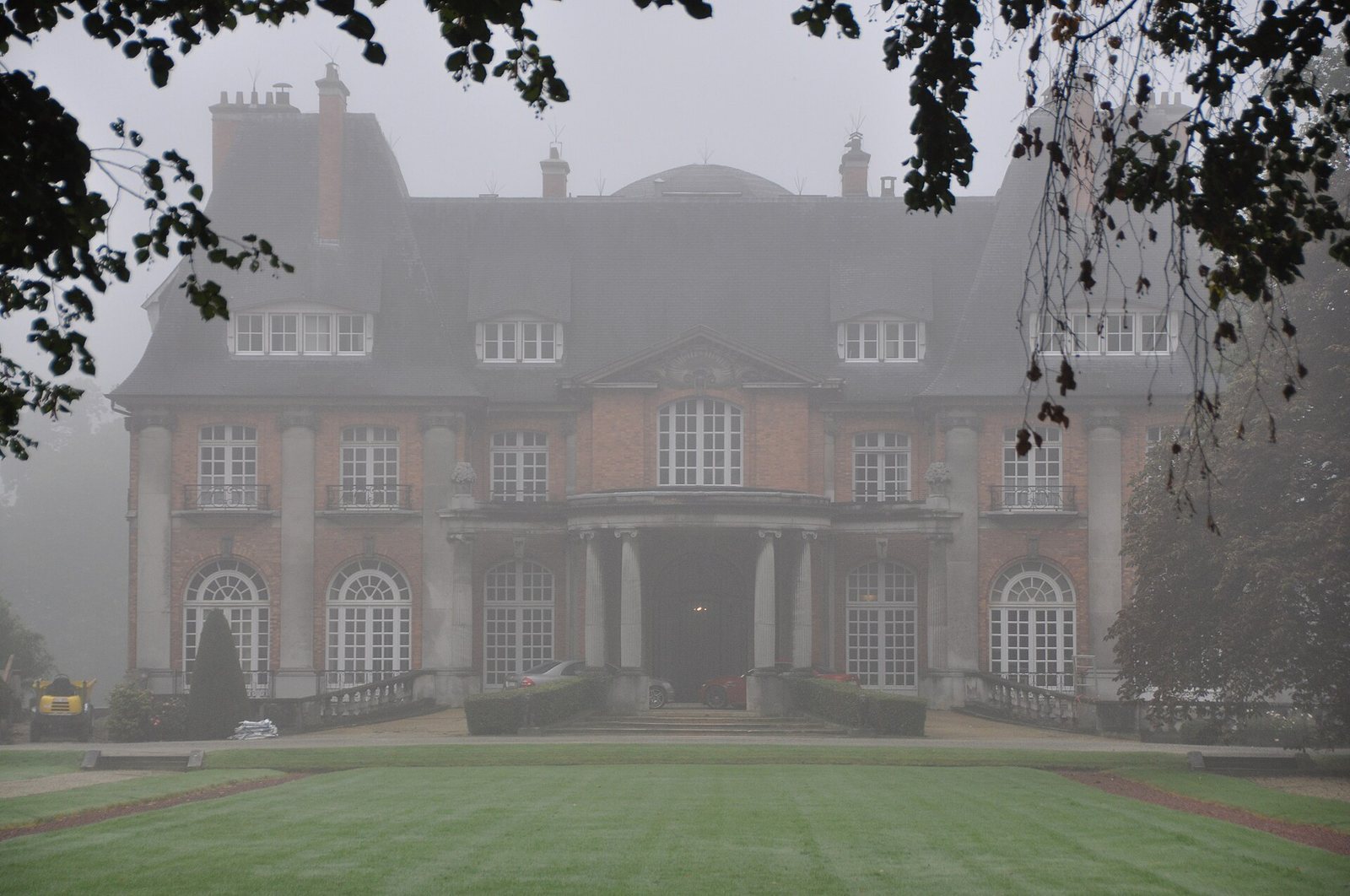
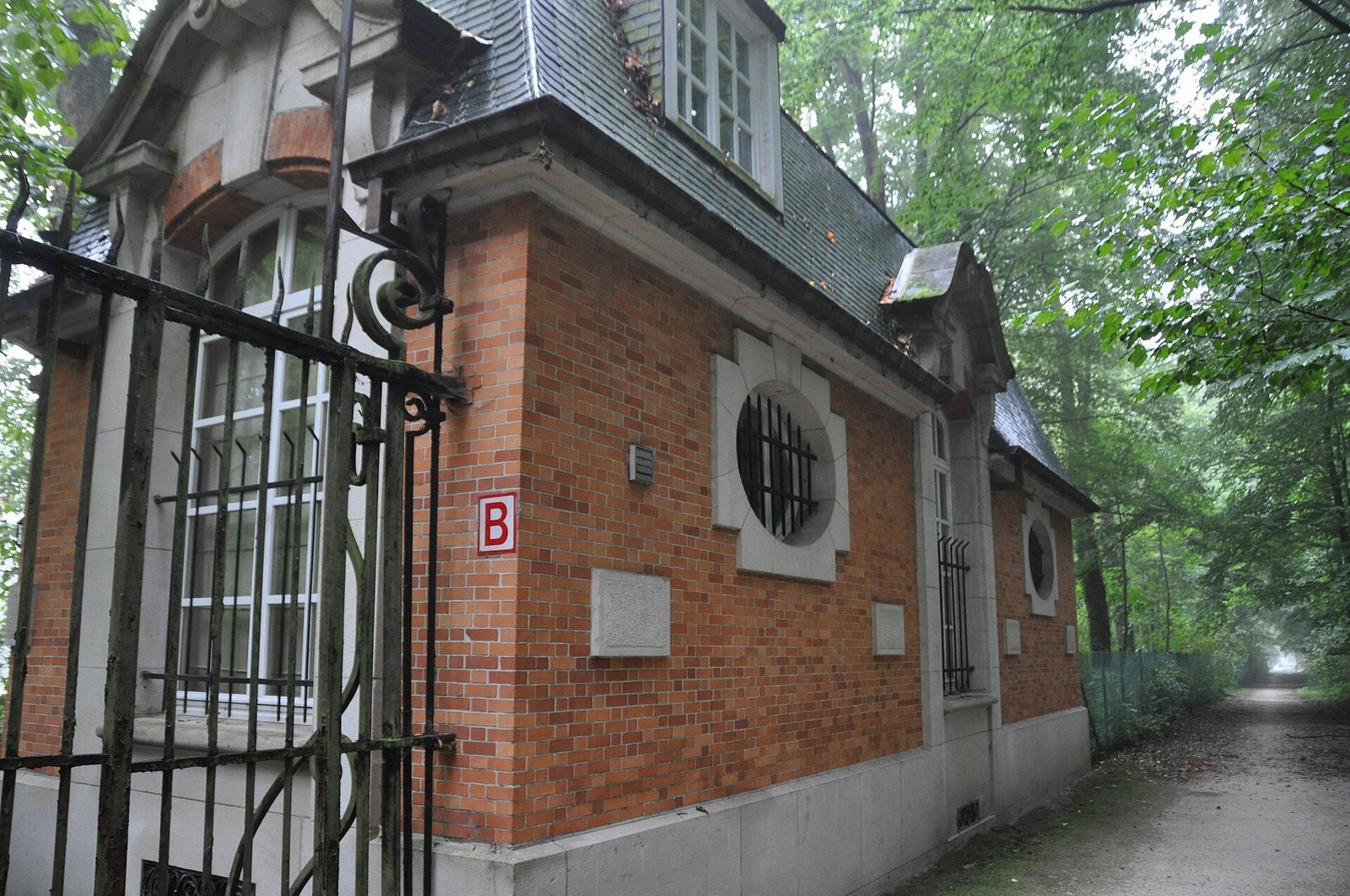
Wittouck Castle is a stately home in Uccle, Belgium, built in 1911 for Belgian industrialist Paul Wittouck (1851–1917). Also known as Château de La Fougeraie and Château Wittouck, it follows the twentieth-century Neo-Louis XIII style, a revival drawing on French architecture associated with Louis XIII, whose reign lasted from 1610 to 1643.
Wartime occupation
During the Second World War, the Wittouck family were forced to leave the castle, which Belgian fascist leader Léon Degrelle then occupied. Prince Bernhard of Lippe-Biesterfeld, a German-born prince who became the Netherlands’ prince consort, used the house as his base in September and October 1944.
On 28 October 1944, Dutch wartime intelligence operative Christiaan Lindemans, nicknamed “King Kong” because of his physique, was arrested at the castle on suspicion of betraying the attack on Arnhem. He had served British intelligence for four years before offering his services to the Germans. The accusation that he betrayed the attack was almost certainly false.
The castle remains a residence owned by Eric Wittouck. It was not the model for Château de Moulinsart, the fictional castle in Belgian cartoonist Hergé’s The Adventures of Tintin; that model was Château de Cheverny in France.
Remains
The stately home stands among numerous trees and French-style gardens within the Sonian Forest, on the outskirts of Brussels. Inside, frescoes painted by French painter and decorator Gustave Louis Jaulmes form part of the residence’s interior.