Offerdal Church: A Medieval Parish Church in Sweden
Site at a Glance
- Popularity
- Very Low
- Country
- Sweden
- Primary era
- Early Modern
- Eras represented
- Medieval, Early Modern, Modern
- Civilizations
- Norwegian, Swedish
- Site type
- Religious
- Remains
- Church
On this page10 sections
History
Medieval foundation and regional role
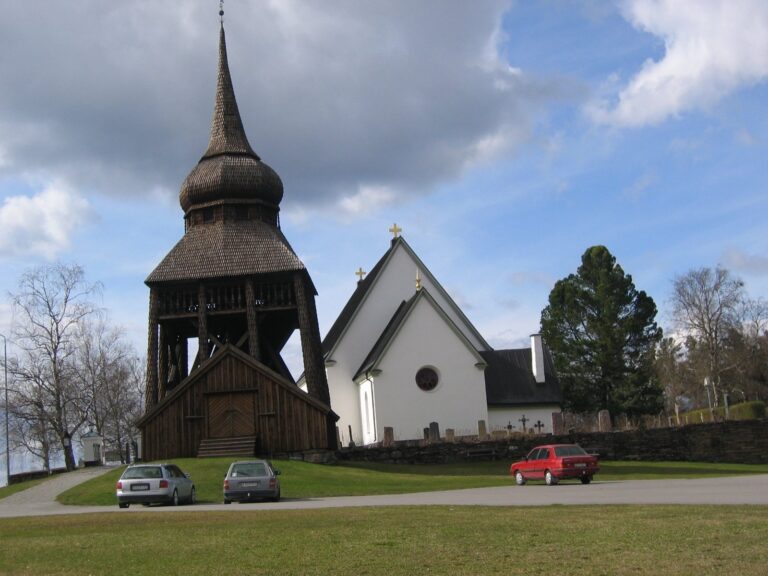
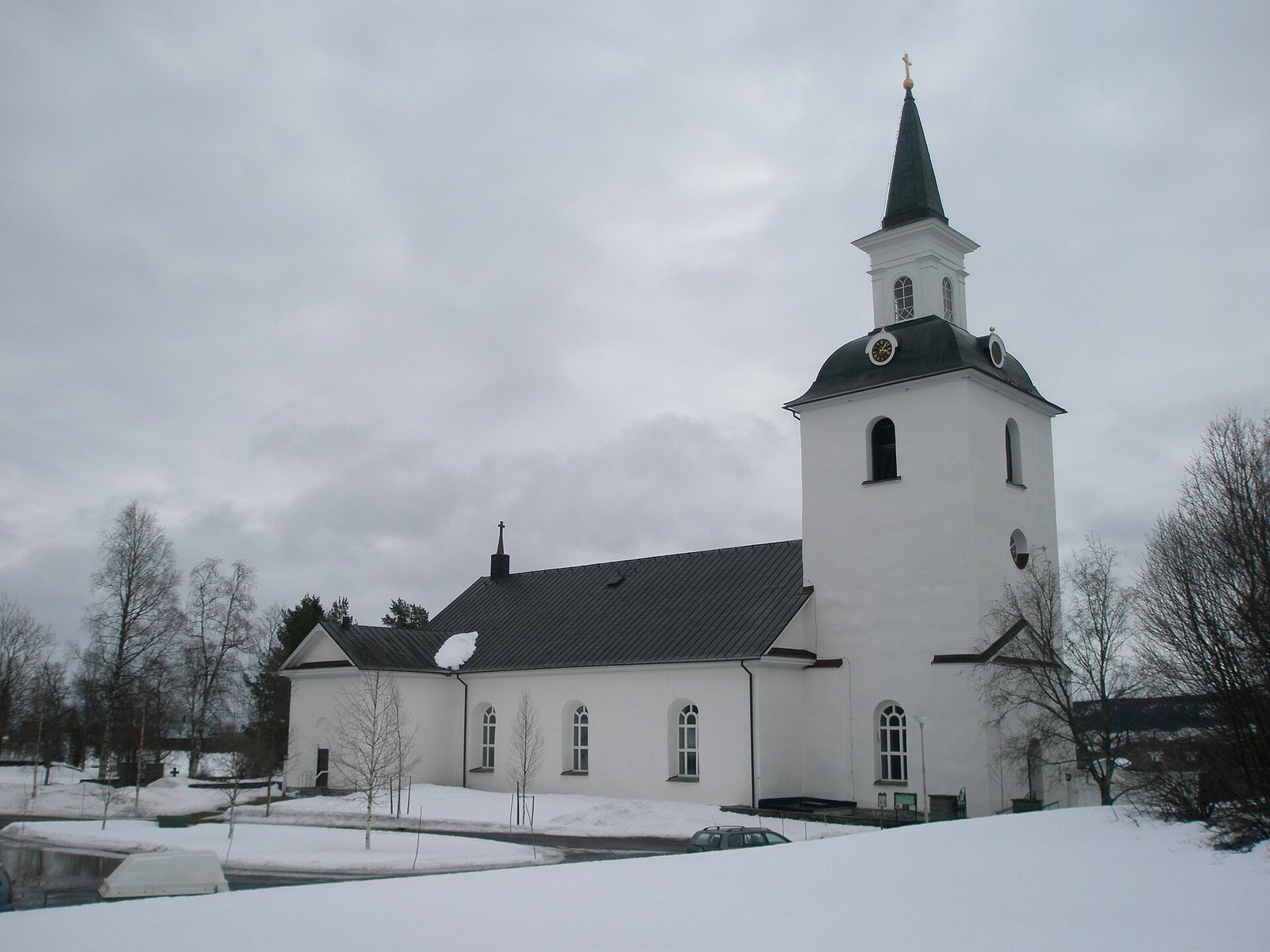
Offerdal Church is a medieval stone church in Ede, Sweden, at the eastern end of Lake Hällsjön. Construction began in the mid-12th century, and it is one of Jämtland’s four oldest stone churches. It began as a small fortress church, with a defensive character. At the time, Jämtland was divided into four territorial quarters, each served by a church. Offerdal, Hackås, Sunne and Brunflo were the quarter churches.
Reformation and rebuilding
By the 16th century, residents were considering whether Offerdal needed a larger church. In 1536, the Reformation, a movement that established Protestant churches apart from Roman Catholic authority, was implemented in Denmark-Norway and consequently in Offerdal, which was then under Danish-Norwegian rule.
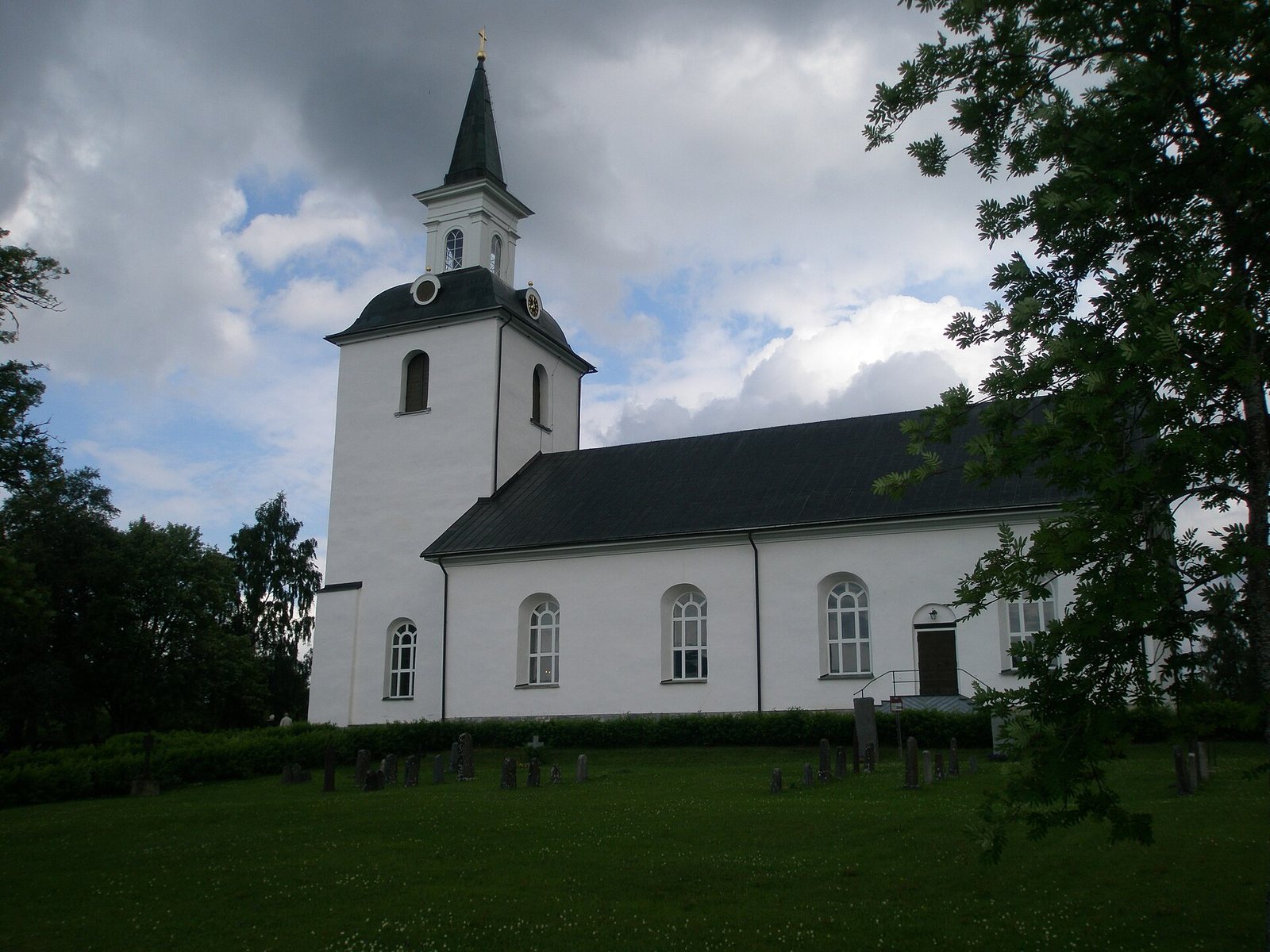
The church was rebuilt during the 17th century. In 1766, parts of it were demolished and construction began on a church four times as large.
Later changes and parish role
Several renovations altered the church’s exterior, and an archaeological investigation took place in 1990. Offerdal Church serves as the parish church of Offerdal Parish in the Diocese of Härnösand, an ecclesiastical administrative region, within the Lutheran Church of Sweden.
Remains
Church and interior furnishings
Early church and medieval furnishings
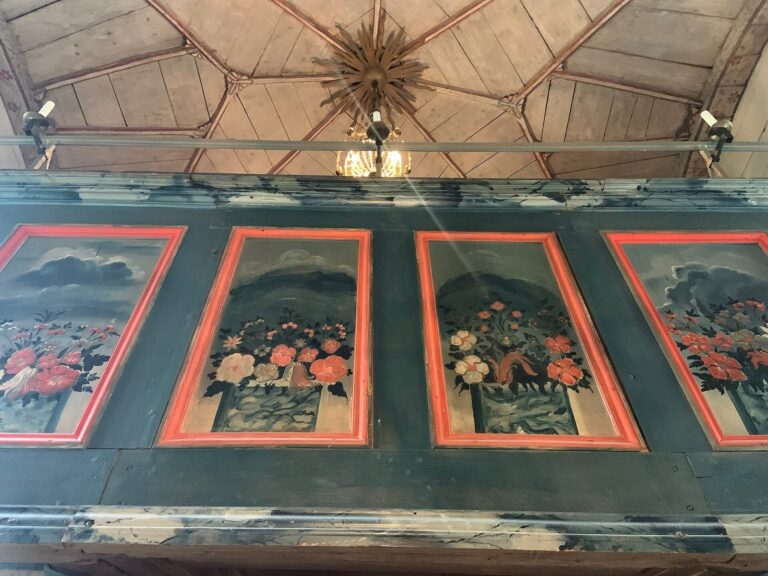
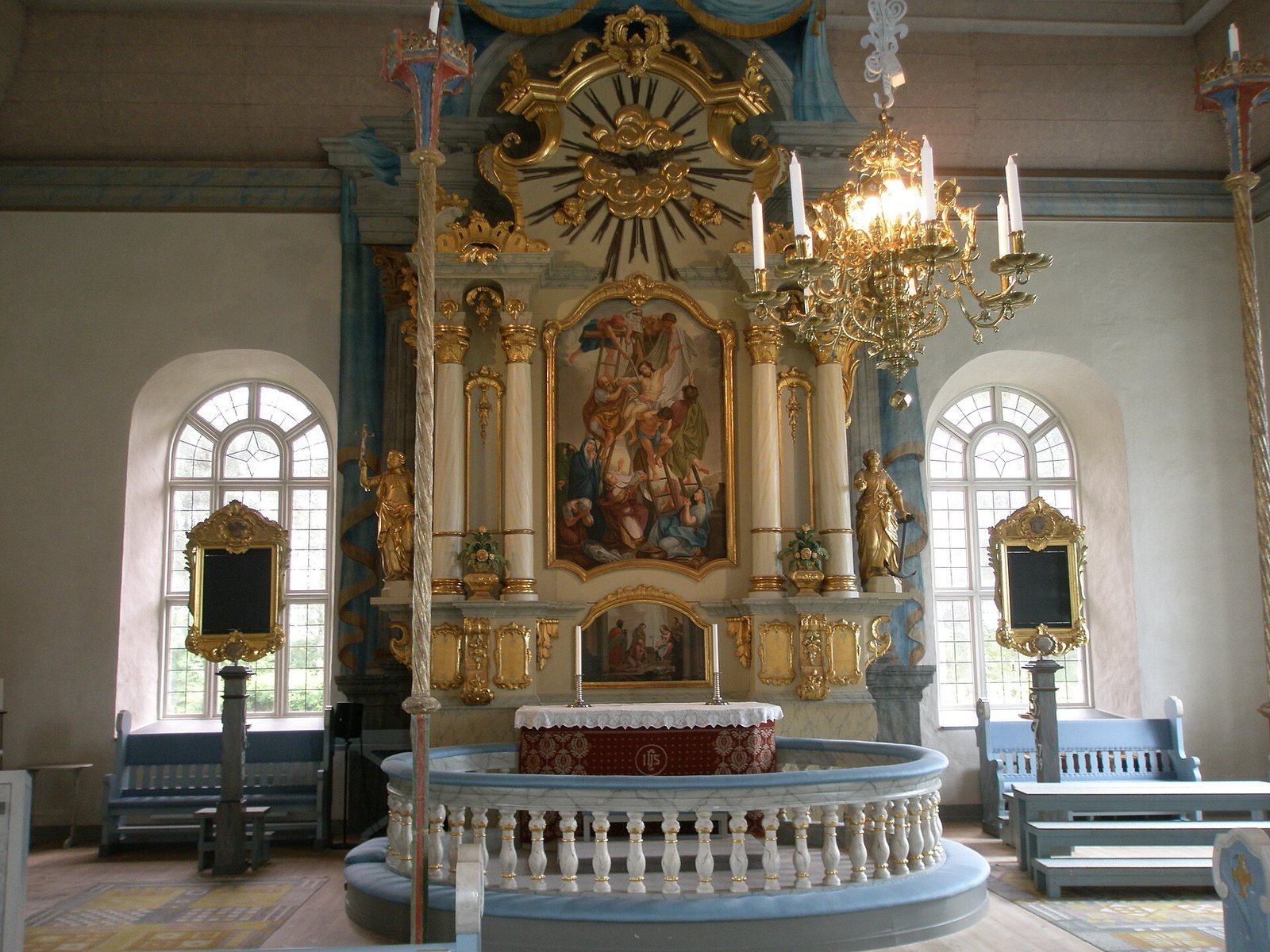
The first church had an apse, a recess at the end of a church, commonly semicircular. A door from the earlier building is preserved. Two candle staffs at the front of the pew rows were used in processions during the Catholic period before the Reformation. Other medieval furnishings include an incense burner from the 13th or 14th century, an iron chandelier and a ship-shaped iron candlestick from the 15th century.
Baptismal and communion furnishings
The 1716 baptismal font takes the form of a winged baptismal angel holding a support for a baptismal bowl. The church also contains a communion chalice from the 1610s known as the Offerdal Chalice, and a feast loaf from 1690 called Stor-Gertrud.
Organs
Carl Holm of Uppsala built an organ with eight stops in 1753. Each stop selects a rank of pipes. In 1767, Petter Qvarnström of Sundsvall renovated and enlarged the instrument, adding a pedal operated by foot. E. A. Setterquist & Son of Örebro built a 14-stop organ in 1882, with two manuals, or hand-operated keyboards, and a pedal.
The current organ was built by Olof Hammarberg of Gothenburg in 1953. It is electric and has two selectable combinations of stops, a register crescendo that progressively adds stops, and a tutti setting for the full organ. Its front and 14 stops come from the 1882 instrument.
Churchyard memorial
A memorial stone in the churchyard commemorates the fiddler Lapp-Nils (1804 to 1870), who lived at Lapp-Nilstorpet in Önet, Offerdal. Jämtland sculptor Olof Ahlberg designed it at the initiative of regional heritage official Eric Festin, and it was unveiled in 1943. Offerdal fiddler Olle Falk performed at the ceremony and had continued Lapp-Nils’s musical legacy.