Monastery Prousou: A Greek Orthodox Pilgrimage Center in Evrytania
Site at a Glance
- Popularity
- Very High
- Country
- Greece
- Primary era
- Medieval
- Eras represented
- Medieval, Early Modern
- Civilizations
- Byzantine, Ottoman
- Site type
- Religious
- Remains
- Monastery
On this page8 sections
History
Monastery Prousou is a Greek Orthodox monastery in Evrytania, Greece, founded in the 12th century and the region’s principal spiritual and pilgrimage center. Dedicated to the Theotokos, a title for Mary, the mother of Jesus, it marks the Dormition, the feast commemorating her death and departure from earthly life, with a concluding observance on August 23.
Origins and foundation traditions
A tradition links the monastery’s foundation to an icon of the Theotokos brought from Prousa in Asia Minor to protect it from destruction during the rule of Byzantine emperor Theophilus, who opposed the veneration of religious images. The icon is traditionally attributed to Luke the Evangelist and said to have been painted in 829. After miracles at the present site, the story says, the icon could not be moved. Its carrier and his servant remained there as monks named Dionysios and Timotheus and established the monastery.
A separate tradition places a Christian hermitage at the site around the 10th century and associates it with monks called Dionysios and Timotheus. Another legend locates an oracle of the epic hero Odysseus here in antiquity. A further explanation connects the monastery’s Greek name with a word meaning “torch,” understood as a light for Evrytania.
In 1748 the monastery became stauropegic, meaning it came directly under a senior church authority rather than the local bishop. It falls under the jurisdiction of the Metropolis of Karpenisi.
Education and the War of Independence
A few years before the Greek War of Independence began in 1821, Kyrillos Kastanofyllis became abbot. A member of the Filiki Eteria, a secret society that helped prepare the struggle against Ottoman rule, he said he had come to address the monastery’s alleged spiritual and moral decline. Under his leadership, the School of Greek Letters operated from 1818 to 1828.
During the war, the monastery provided political guidance, with letters from Greek political leader Mavrokordatos and others connected to this role. It also contributed to the management of the siege of Missolonghi and helped rescue survivors after the city’s 1826 attempt to break out, known as the Exodus. Wounded people received care there throughout the conflict. General Karaiskakis used the monastery as his headquarters and, after recovering from a fever there, gave a silver cover for its icon in gratitude.
Destruction and rebuilding
On August 16, 1944, German forces burned a large part of the monastery because it supported resistance fighters. The fire destroyed many religious relics, vessels, manuscripts, and books, but the icon was saved after being placed in a crypt. Reconstruction began after the Greek Civil War under Abbot Germanos and continued into the 1970s under Gregorios, who later became abbot of Docheiariou on Mount Athos.
Remains
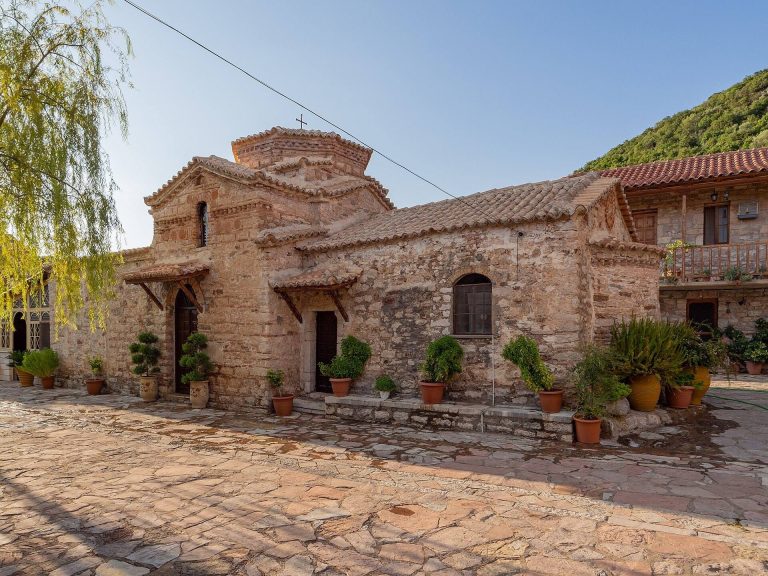
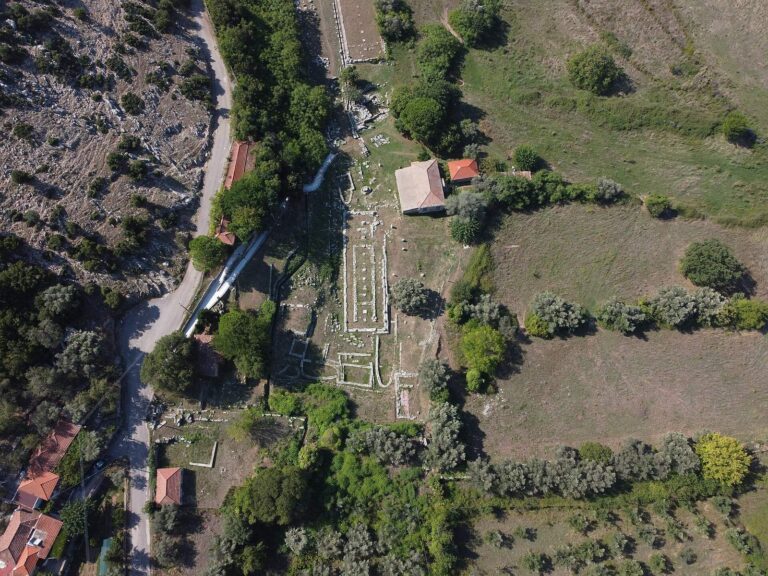
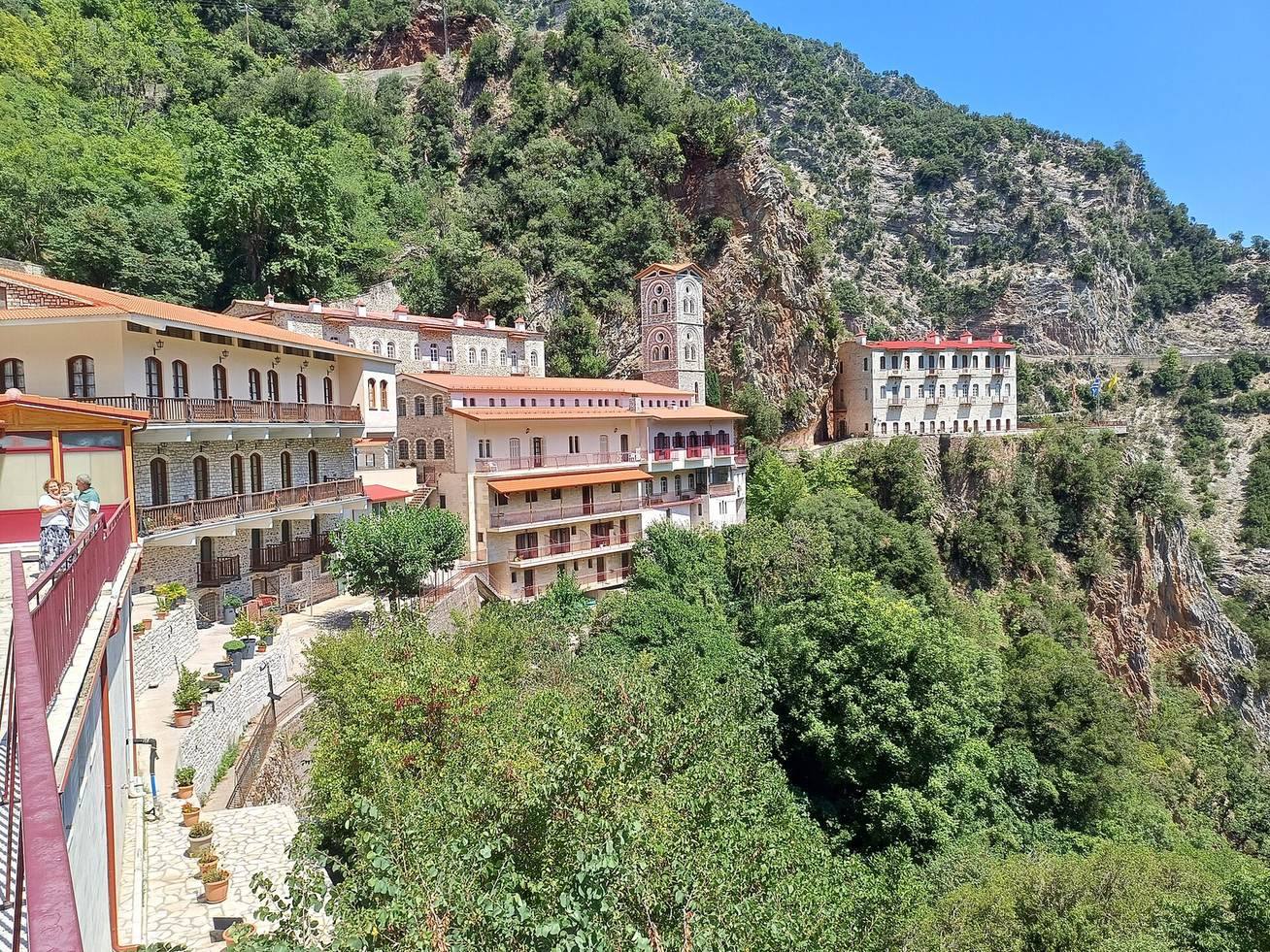
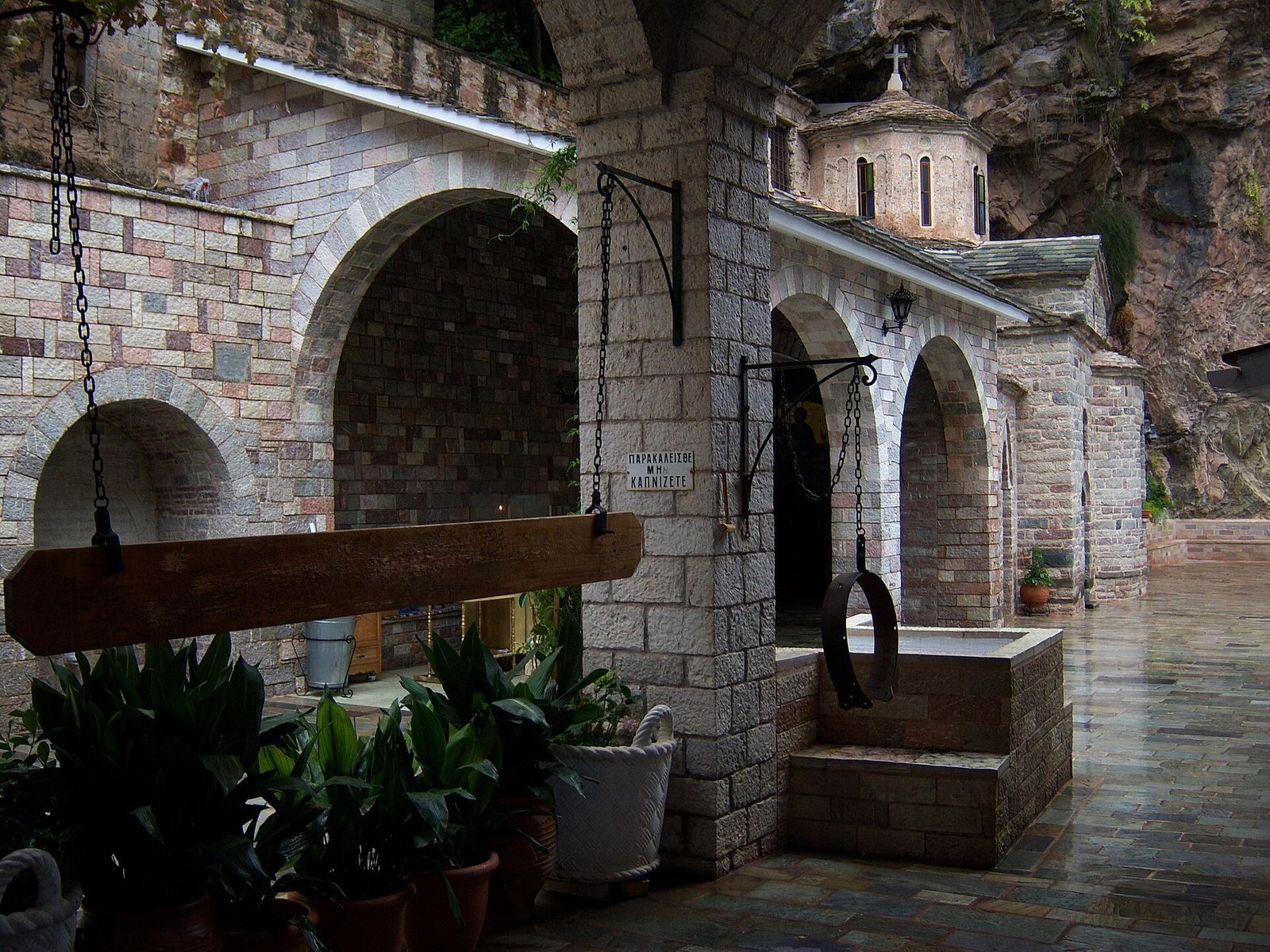
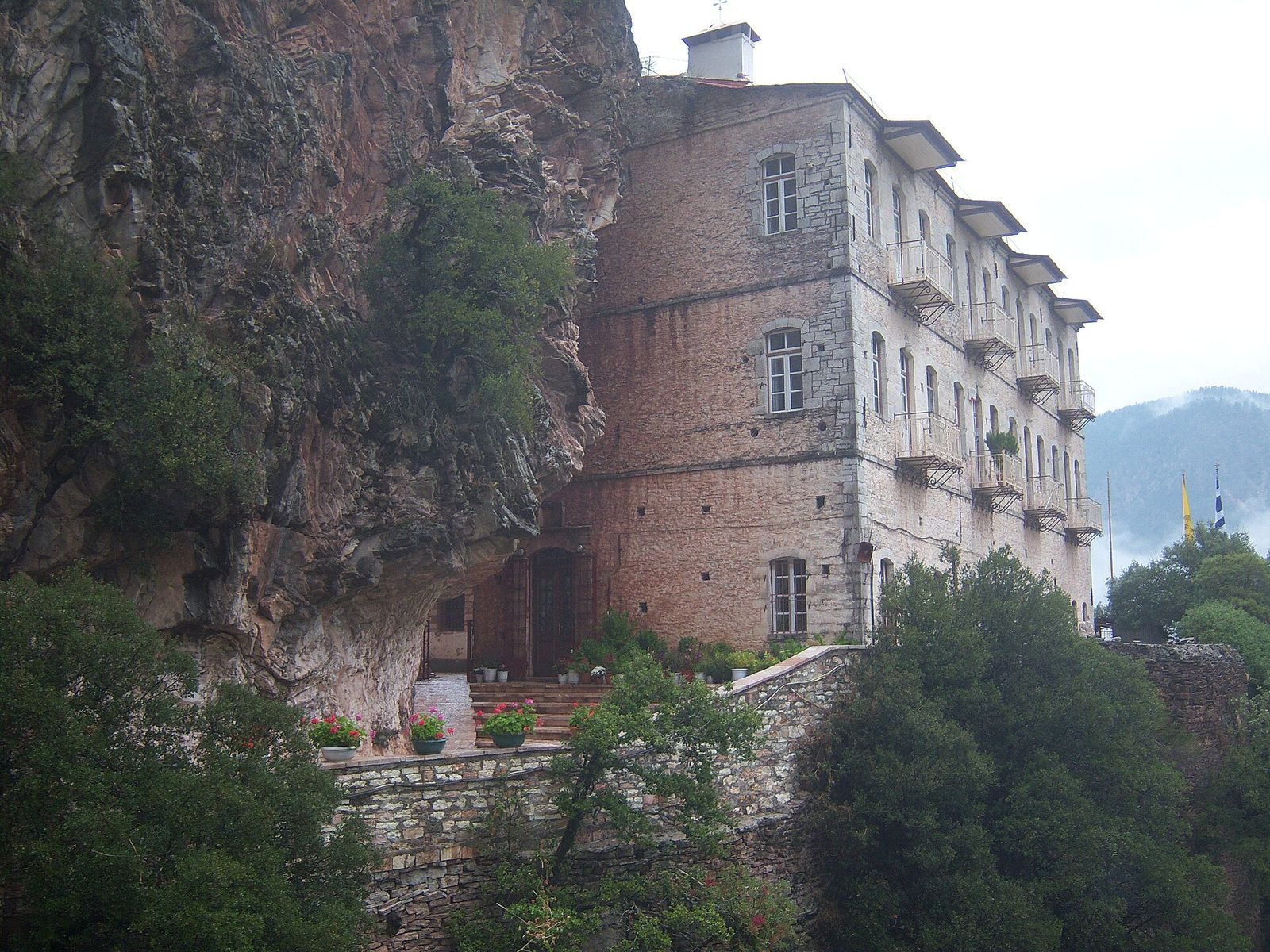
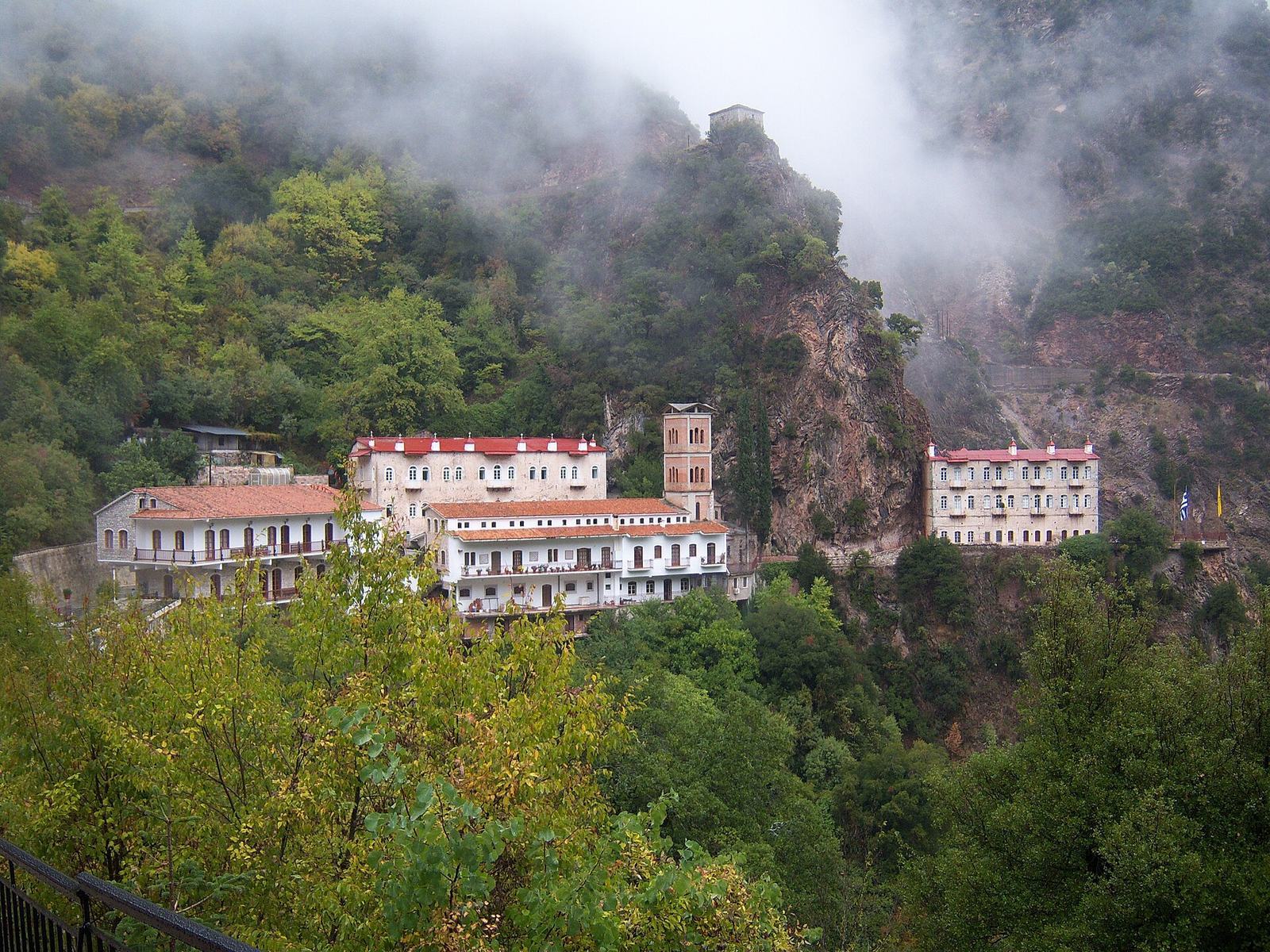
The monastery stands among steep, rocky terrain between the mountains of Helidona and Kaliakouda and the Panaitoliko range, in an area covered with fir trees. Its principal features include a small domed church, a crypt at the foot of the rock to the church’s west, two towers outside the monastery, the Chapel of All Saints, and the restored school building.
Church and crypt
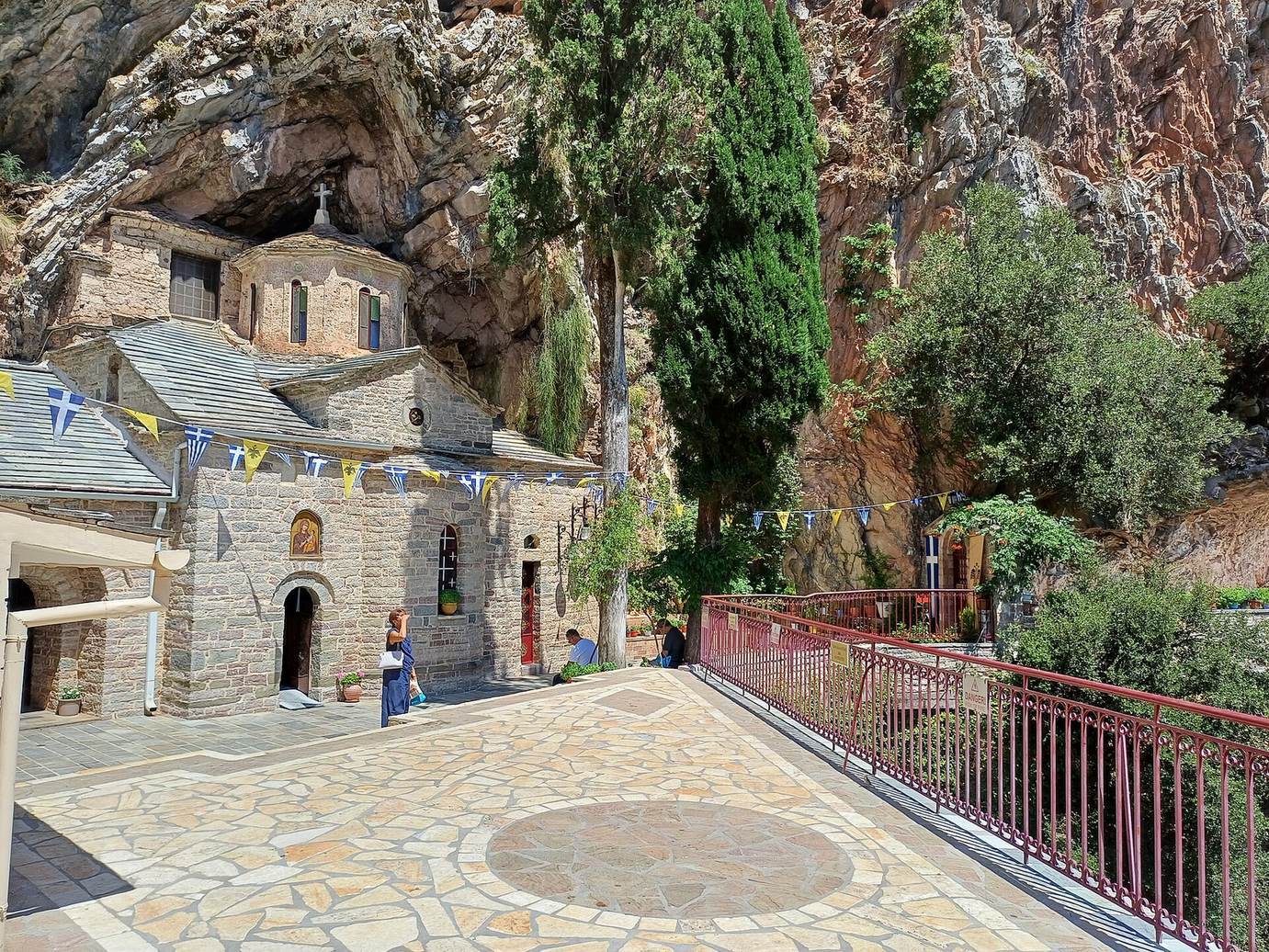
The main church has a cross-shaped plan and a dome. The crypt, arranged as a chapel, lies west of it at the base of the rock. Murals in the monastery date to around 1785, while paintings on the crypt’s exterior date to the 13th century. Inside the crypt, two painted layers survive, one dated to 1518. It also contains a carved wooden screen for icons, made in 1810.
Towers, chapel, and school
Two towers stand outside the monastery, one on either side, and are known as the Towers of Karaiskakis. The Chapel of All Saints dates to 1754. The restored building that housed the School of Greek Letters during Ottoman rule also survives within the monastery.
Treasury and museum
The treasury holds manuscript books, icons, sacred vessels, reliquaries, and other books. The museum displays 15th- and 16th-century icons, religious vestments, silver and gold chalices, manuscripts, printed books, and weapons including Karaiskakis’s sword. The monastery’s icon of the Theotokos is covered by a silver casing, and the collection also includes part of the skull of Saint Clement, an early Christian bishop of Ancyra.