Trigulyay Monastery of St John the Baptist in Tambov
Site at a Glance
- Popularity
- Medium
- Country
- Russia
- Primary era
- Modern
- Eras represented
- Early Modern, Modern
- Civilizations
- Russian
- Site type
- Religious
- Remains
- Monastery
On this page11 sections
History
Trigulyay Monastery of St John the Baptist is an active Russian Orthodox monastery in the village of Trigulyay, Tambov Oblast, Russia. Its founding is placed in 1688, when it began as a small religious retreat before developing into a monastery.
Foundation and early community
Tradition associates the foundation with 15 September 1688, when Pitirim of Tambov selected a place in the Tsna Forest while walking with Mitrofan of Voronezh and the monk Innokenty. A local legend connects the name Trigulyay with Pitirim’s fondness for walking in the area. Varlaam, a hieromonk (a monk ordained as a priest), became the first builder and abbot. Pitirim also kept a cell at the site.
The community initially functioned as a hermitage, a small monastic retreat, and became a monastery in the second quarter of the eighteenth century. A fire in 1717 destroyed most of its buildings, including its church. Reconstruction followed, but successive wooden churches were later dismantled as they deteriorated.
Rebuilding and monastic life
A sustained rebuilding phase took place under Theophilus (Raev), bishop of the Tambov Diocese from 1788 to 1811. Abbot Filaret (Raisky), who held the senior monastic rank of archimandrite, served from 21 August 1822 to 8 October 1824. The monastery’s abbot generally held that rank and usually also served as rector of the Tambov seminary.
By 1917, the monastery had no more than 20 monks, though it attracted pilgrims before the Revolution. It also housed retired bishops of the diocese, including Athanasius (Telyatinsky) and Nikolai (Dobrokhotov), whose sobriquet was “the Tambov Chrysostom.” Among the monastery’s revered objects were an icon of the Mother of God known as the “Burning Bush,” containing relics (sacred remains or objects associated with saints) of Andrew the First-Called and others, and a fragment of the Holy Sepulchre. A cross held relics of John the Baptist. The “Quick to Hear” icon, brought from a monastery on Mount Athos, a center of Orthodox monasticism, arrived in 1867.
Further building and church renewal marked the late nineteenth and early twentieth centuries. This phase included the construction of new churches and renovation inside the Entry church, before the monastery’s closure after the Revolution.
Closure and Soviet use
The monastery closed in 1918. Its churches were desecrated, the episcopal and monastic cemetery was destroyed, and its holy wells were filled. In 1920–1921, the former monastery became the first Soviet concentration camp for participants in the peasant uprising led by Alexander Antonov. More than 27,000 people passed through the camp, which was disbanded in late 1922.
A correctional-labor house occupied the grounds from 1927. Military units later used the site, and from the early 1960s it served as a military range. Buildings, including churches, were used as military storage. The churches and architectural ensemble were destroyed during the 1950s and 1960s, although several other buildings survived.
Revival
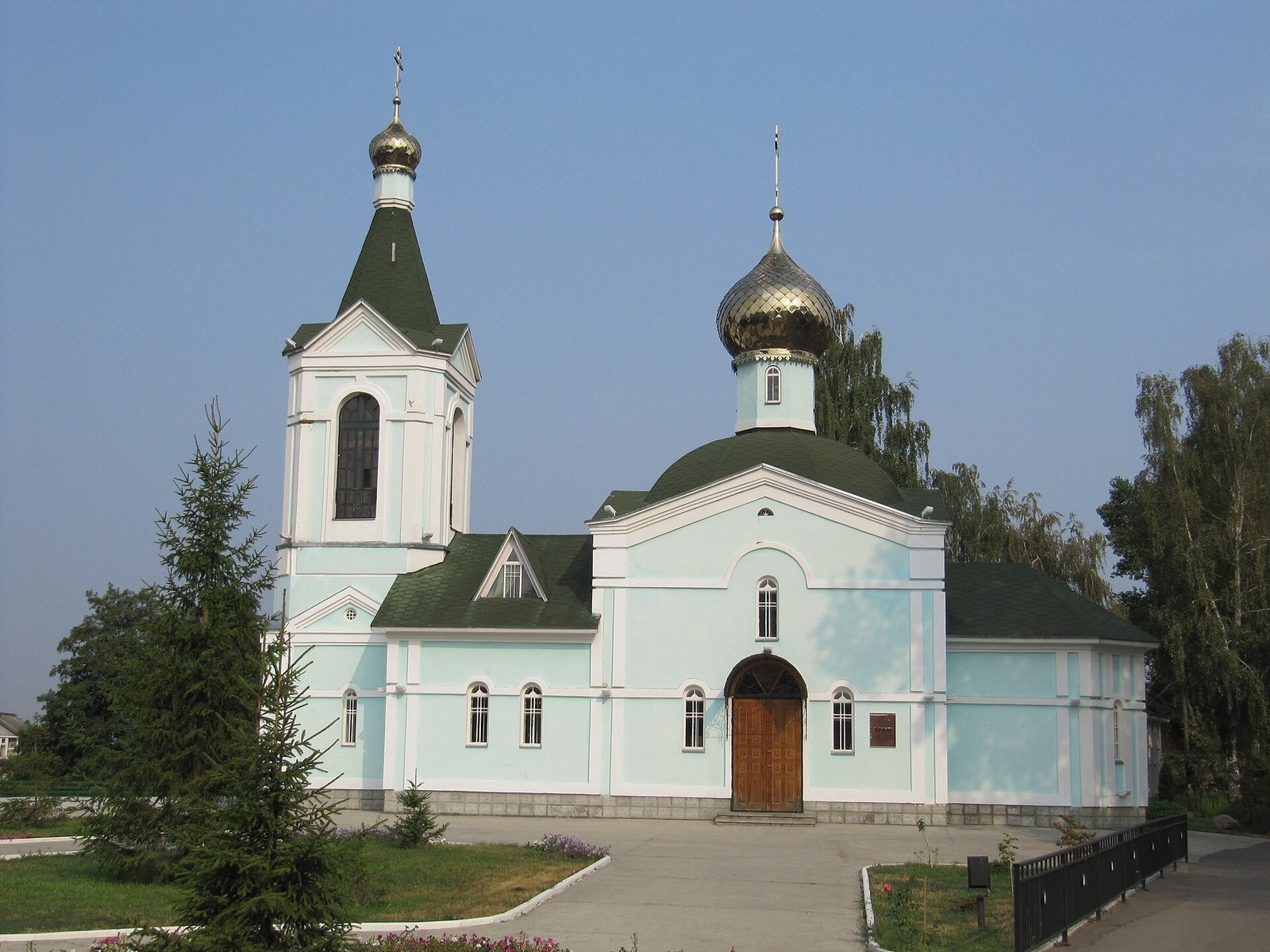
Renewal began in 1998, including work on the slope beside the river and excavation of a well. A new church and a chapel above the spring were erected in 2002; Patriarch Alexy II consecrated the chapel on 8 August that year during a visit to the Tambov Diocese. A bishop’s metochion, a church establishment dependent on a larger ecclesiastical institution, was later set up, and worship and pilgrimage resumed. In 2007 the grounds passed from the Ministry of Defense to the diocese. The monastery is active again.
Remains
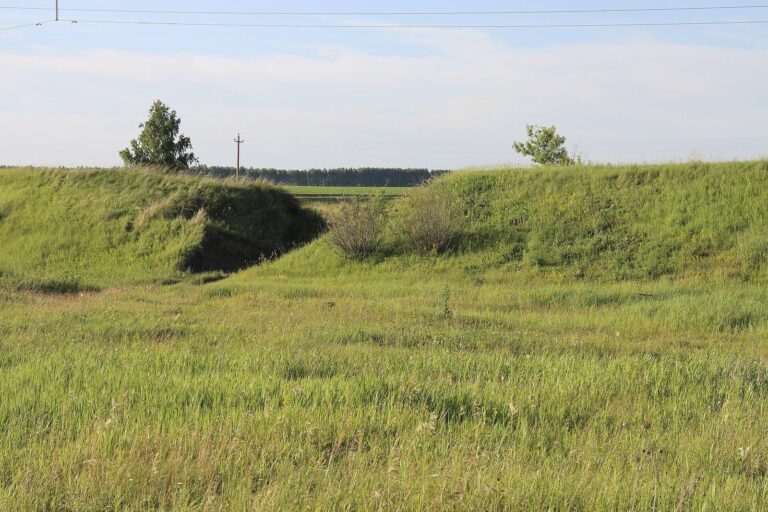
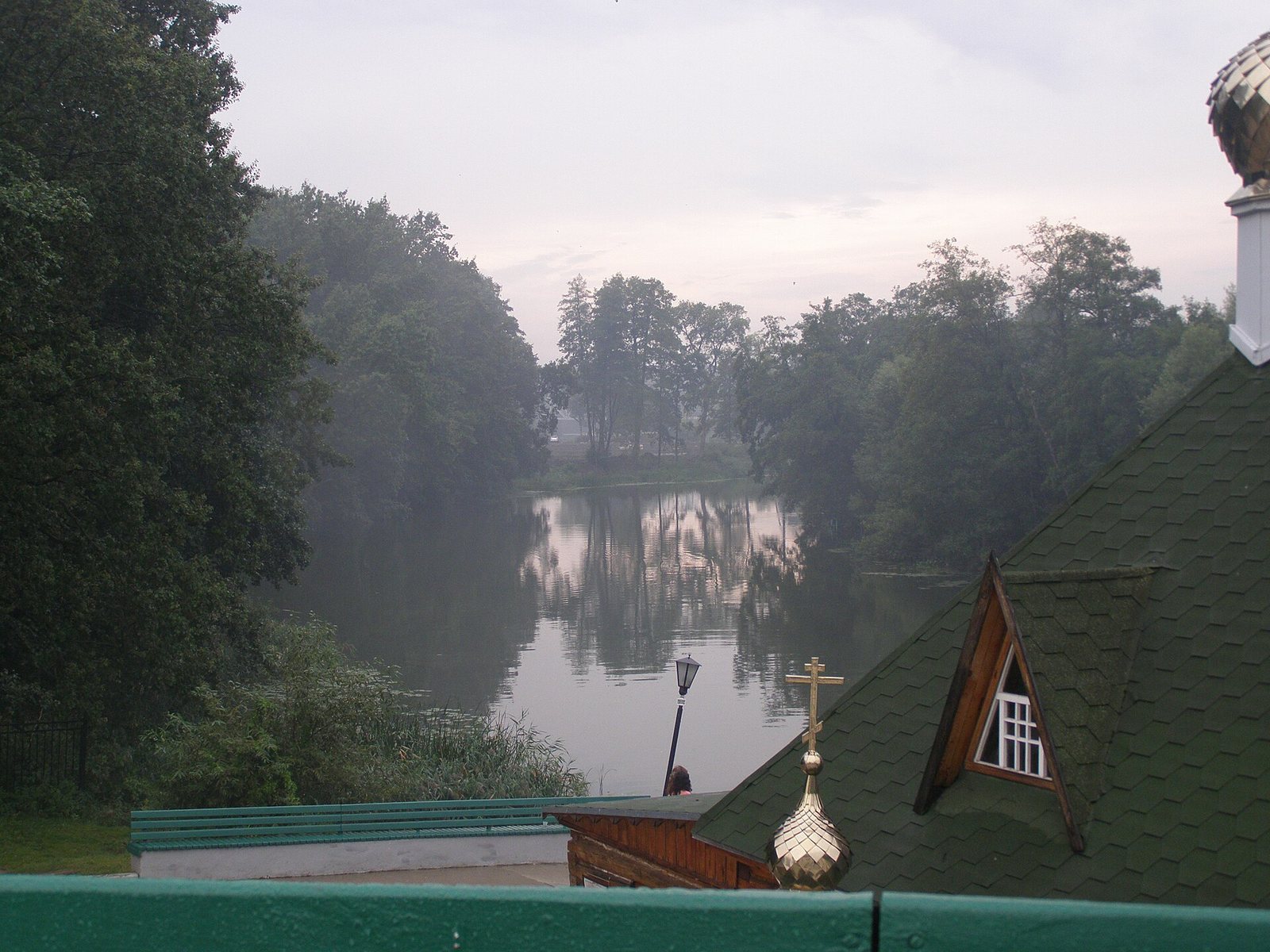
The monastery’s present grounds lie beside the Tsna River, while its original location was in forest east of the current site, about half a kilometer from the riverbank. Its buildings developed from wooden churches into a stone complex with an enclosing wall and supporting monastic buildings. The older structures that survive include the refectory, a monastic cell building, stables, an icehouse, and hay-drying sheds.
Historic churches and buildings
Early wooden churches
A wooden Church of Saint John the Baptist was built in 1691. After the 1717 fire, a rebuilt church with the same dedication served until 1753, when deterioration led to its dismantling. A wooden church dedicated to the Entry of Mary into the Temple, an Orthodox feast commemorating her presentation at the Temple, replaced it and was itself dismantled in 1790 after becoming dilapidated.
The stone complex
The monastery’s cells and refectory, or communal dining hall, were rebuilt in 1789, and a new building was provided for the abbot. A stone wall enclosed the grounds in 1795. The stone Church of the Nativity of John the Baptist was built between 1790 and 1808 and was accompanied by two stone wings.
Late churches and interior renewal
The Church of the Savior Not Made by Hands was a separate building from the John the Baptist cathedral, which was completed in 1903. The Savior church was constructed between 1895 and 1902 in Russian-Byzantine style, combining Russian church traditions with Byzantine influences. In 1901, both side chapels of the Entry church received renewed iconostases, screens of icons separating the sanctuary from the main body of an Orthodox church, and its walls were repainted.
The revived grounds
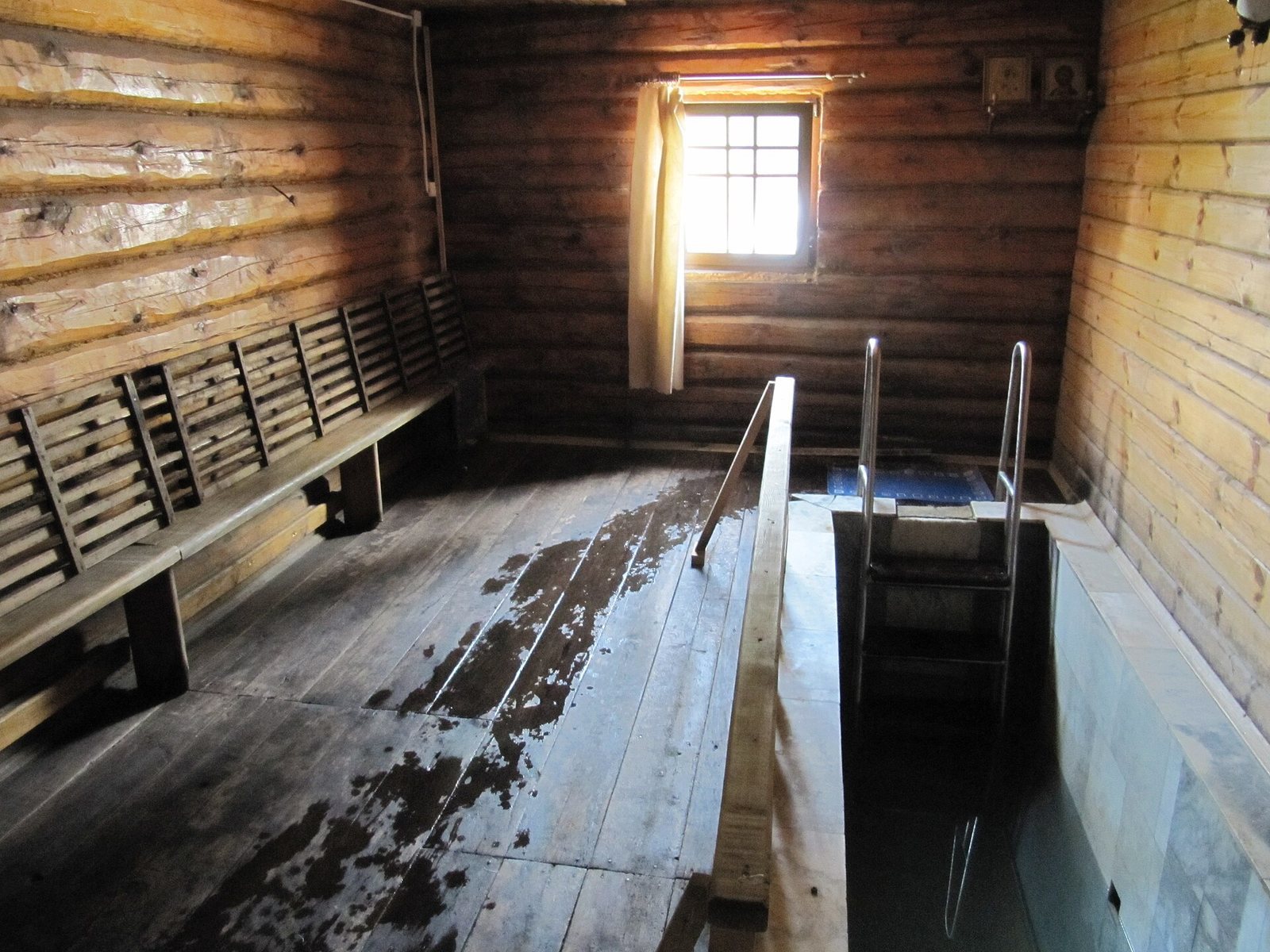
The monastery’s well was traditionally said to have been dug by Pitirim, and its water was believed to have healing properties. Revival work included excavation of the well. The present grounds also include a church dedicated to the Second Finding of the Relics of Saint Pitirim, meaning their later recovery, and a chapel above the spring. Work on a covered bathing facility began during the revival. Later improvements included a fence and gates bearing an icon of Pitirim, the monastery’s founder.