Exaltation of the Cross Church, Darna: A Russian Orthodox Parish Church
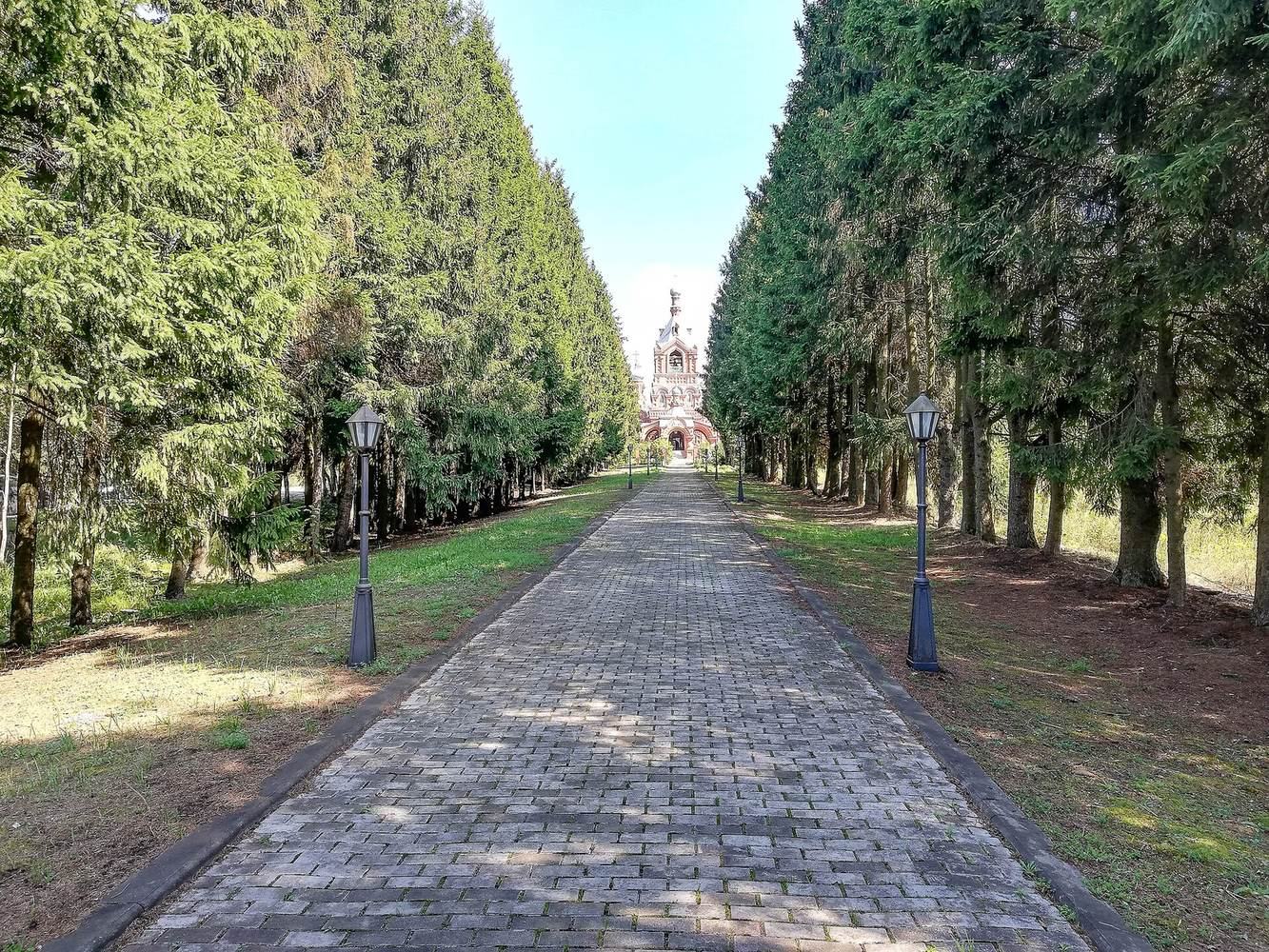
Site at a Glance
- Popularity
- Medium
- Country
- Russia
- Primary era
- Modern
- Eras represented
- Modern
- Civilizations
- Russian
- Site type
- Religious
- Remains
- Church
On this page6 sections
History
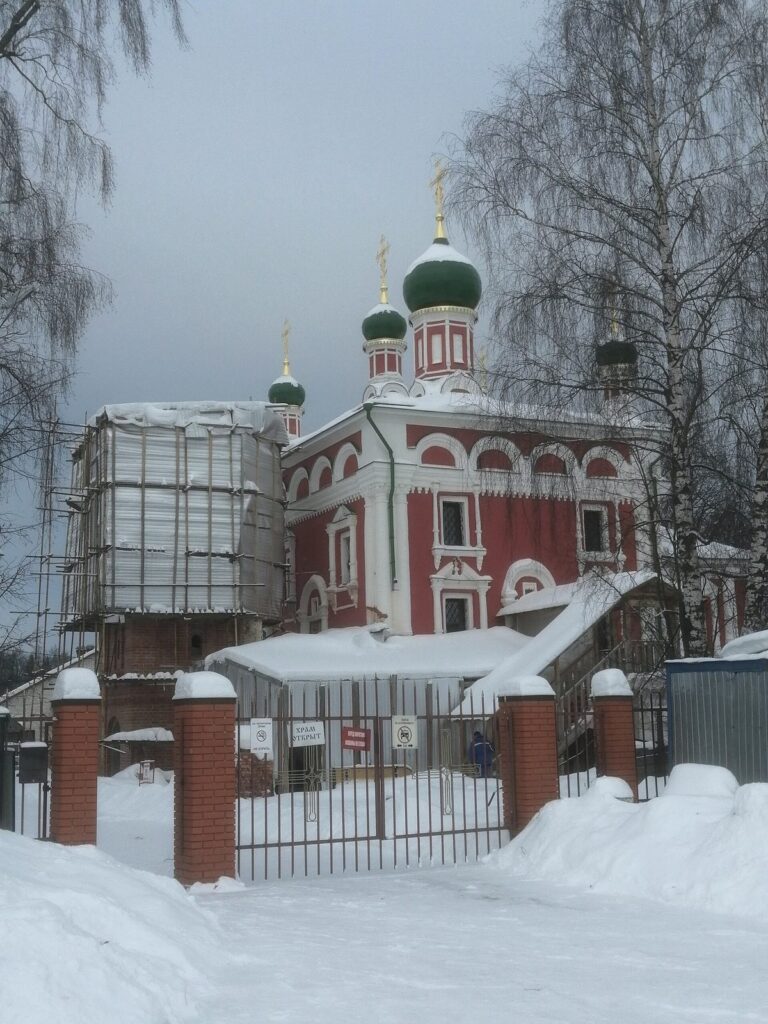
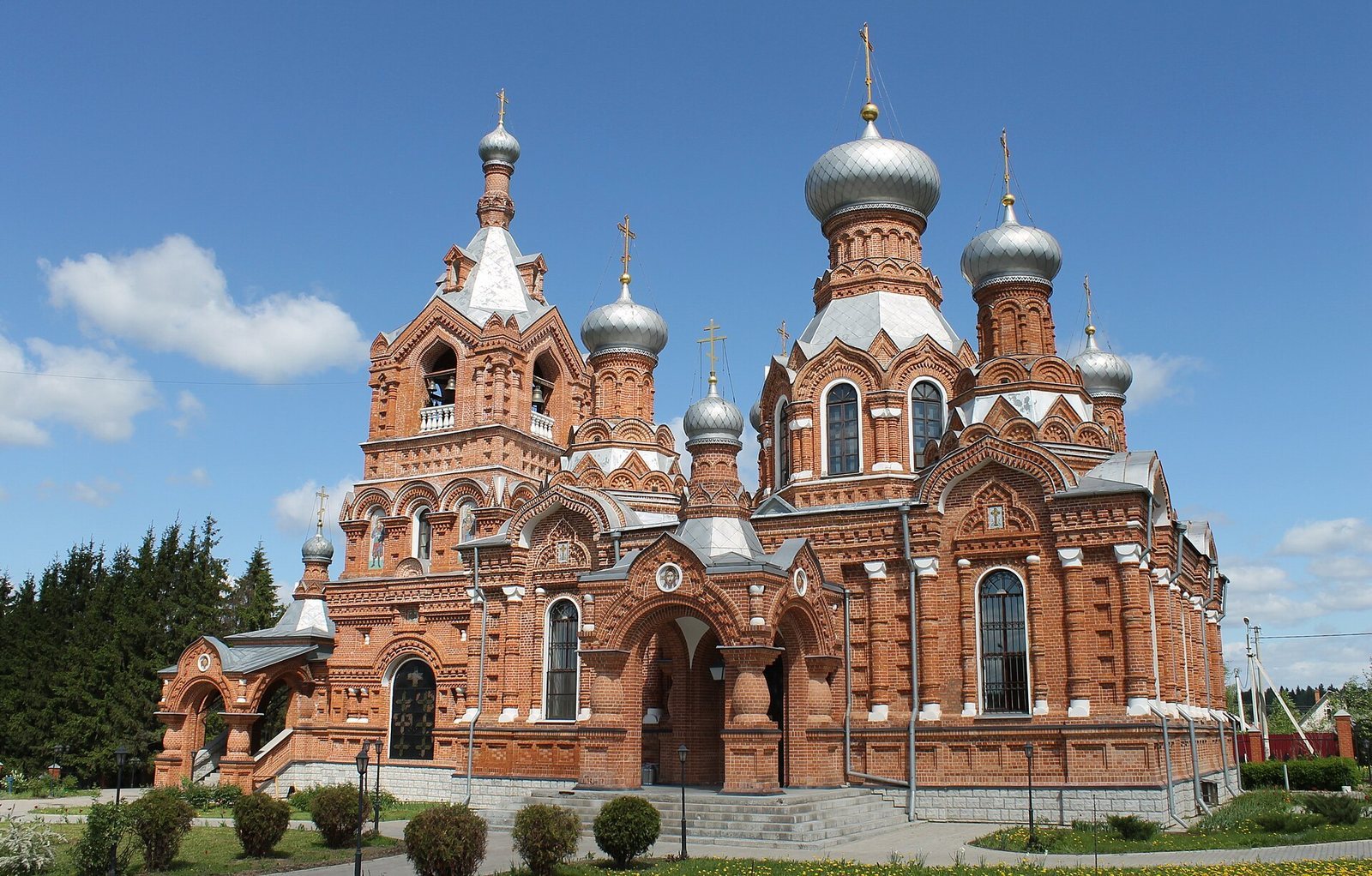
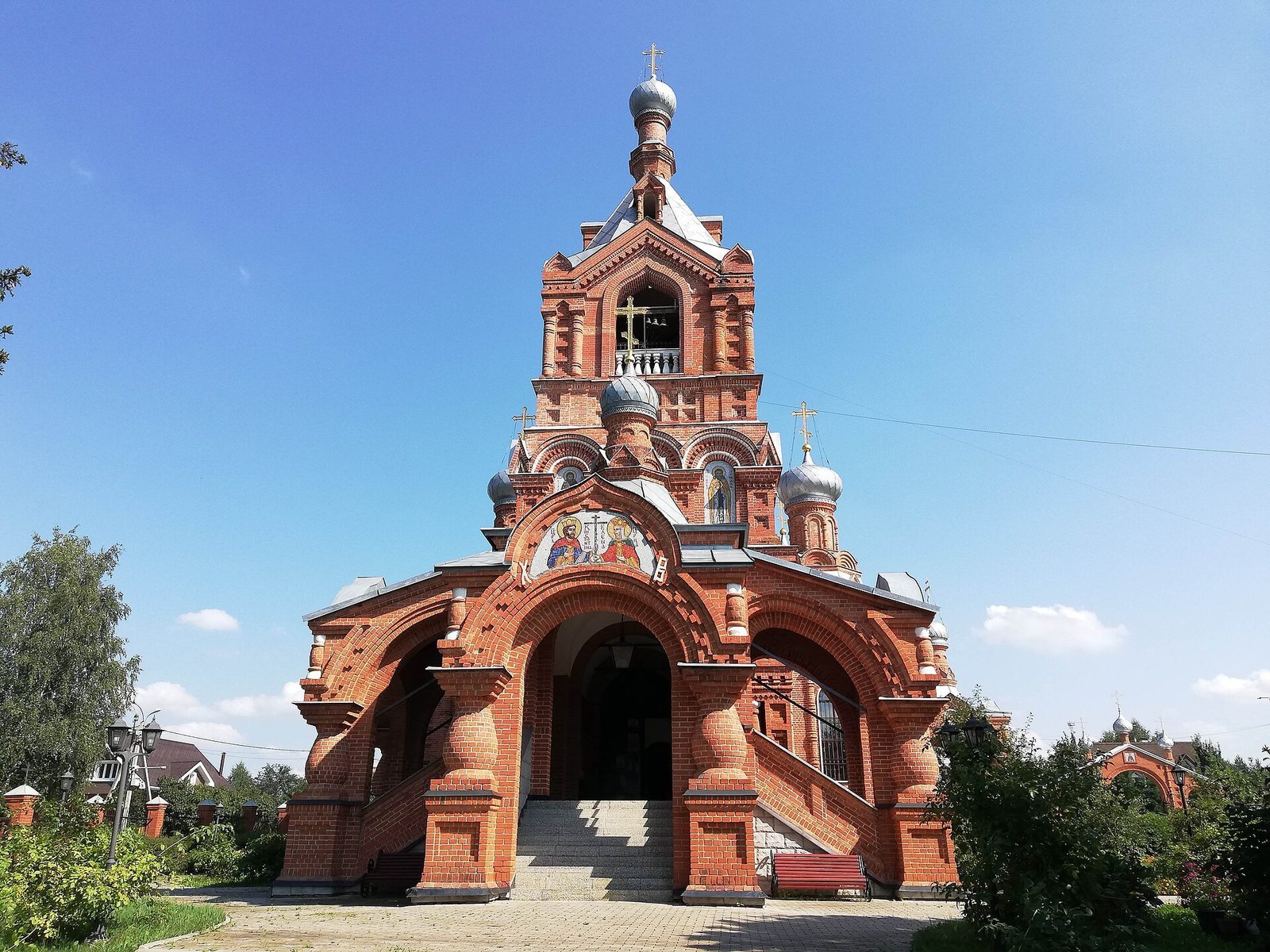
The Exaltation of the Cross Church is a Russian Orthodox church in Darna, Russia, built mainly in 1895 in the Russian style, a historicizing style drawing on Russian architectural traditions. Its dedication honors the cross associated with the Crucifixion.
Wooden churches and the 1893 fire
A wooden church dedicated to the Exaltation of the Precious and Life-Giving Cross was built in Darna in 1686 and stood for about a century. By the late 18th century, the village had a single-altar wooden church dedicated to the Apostles Peter and Paul. A fire destroyed that church on the night of 25–26 March 1893.
Construction in the 1890s
Sergey Shervud provided the design for the new church without charge. Building began in 1895 and was largely complete that year, though construction work continued until 1900. Lazar Gnilovsky was the builder.
Closure and wartime damage
The church was closed and desecrated in the 1930s. Its building was put to other uses, first as a tractor workshop and forge, then as a mineral-fertilizer warehouse. During World War II, German shelling completely destroyed the bell tower.
Return and restoration
The church was returned to the Russian Orthodox Church in 1991, and priest Konstantin Volkov became its rector. With his leadership, local residents, parishioners, and architect Marina Goryacheva took part in restoration work that continued through 2010. Interior restoration under Elena Dorofeeva continued until 2013.
The church is an active parish and is designated a regional cultural heritage site in Russia.
Remains
The church’s side chapels are subsidiary worship spaces dedicated to Saint Nicholas, also known as Nicholas the Wonderworker, and Michael of Klopsk, a Russian Orthodox monk and saint. Interior wall painting was complete by 2025.
The wider complex listed in 1917 included the church, a parish school, a wooden church dedicated to Saints Peter and Paul, an enclosure with gates and smaller gates, clergy houses, and a brickworks belonging to the church. It is uncertain whether the wooden Peter and Paul church in that listing was the one destroyed by fire in 1893.