Cathedral of the Nativity of the Blessed Virgin Mary: A Monastic Church in Medvedeva Pustyn
Site at a Glance
- Popularity
- Low
- Country
- Russia
- Primary era
- Early Modern
- Eras represented
- Early Modern, Modern
- Civilizations
- Russian
- Site type
- Religious
- Remains
- Church
On this page10 sections
History
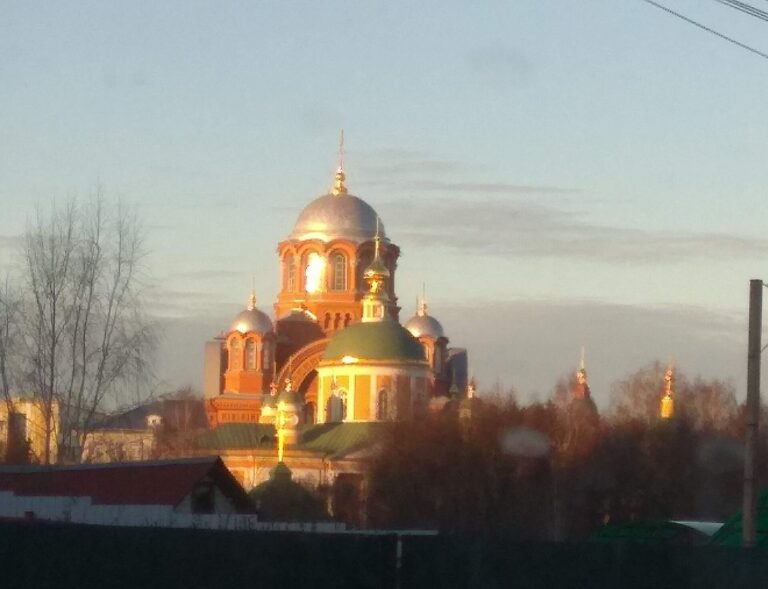
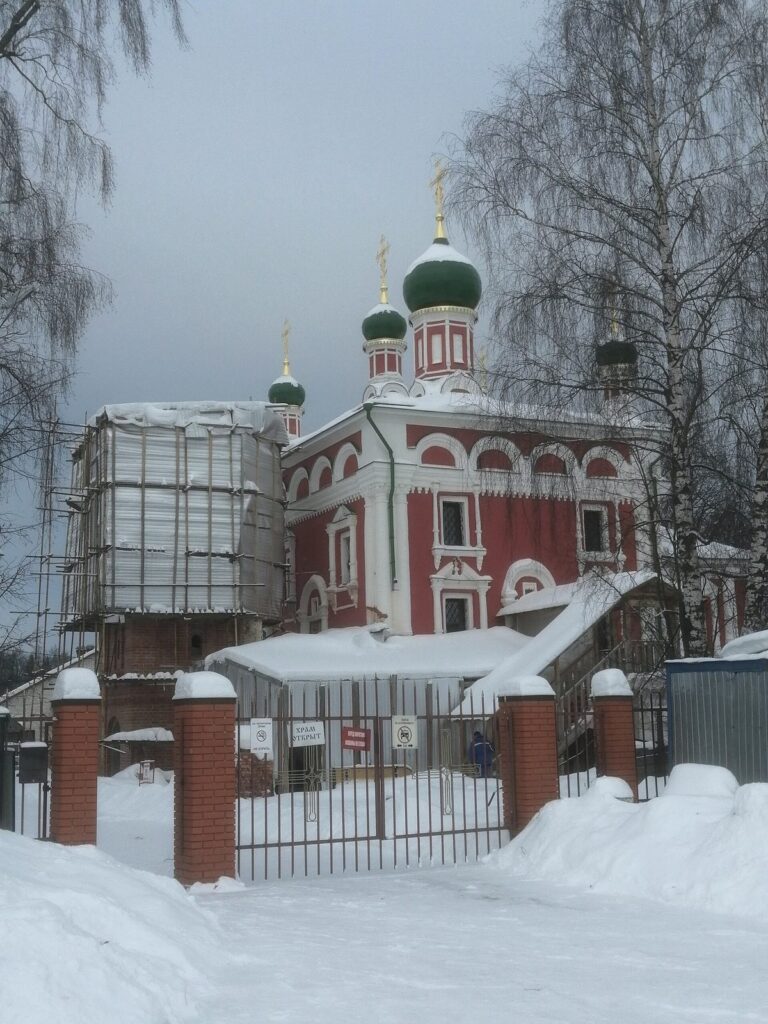
The Cathedral of the Nativity of the Blessed Virgin Mary is a stone church in the village of Medvedeva Pustyn, Russia, built in 1547 with funds donated by Ivan the Terrible. It became the principal church of the Medvedeva Pustyn monastery, and its construction helped establish the monastic community.
Early church and monastic foundation
A wooden church stood on the site from 1360, when Methodius of Peshnosha, a medieval Russian Orthodox monk, founded it. The monastery is mentioned in 1472 in the spiritual testament of Prince Yuri Vasilyevich. Its name was associated with the area’s extensive forests and sparse settlement in the 15th and 16th centuries, when bears were common. A large forest lay near the meeting of the Sestr and Dubna rivers.
On a journey to Kirillo-Belozersky Monastery in northern Russia, Ivan IV, known as Ivan the Terrible, stopped at the Monastery of St Nicholas at Peshnosha. His donation supported the new cathedral, which became a starting point for the formation of the Medvedeva Pustyn monastery.
Monastic church and regional connections
From the 16th through the 18th century, the cathedral served as the monastery’s principal church. The monastery traded with the Russian North, including Belozerye, the region around White Lake. Salt was among the goods brought in, while grain was shipped north. Its holdings included the villages of Ust-Pristan and Nizhnevo and Sokolovsky settlement, as well as the settlement beside the monastery.
The monastery suffered during the Polish-Lithuanian invasion, a military intervention by the Polish-Lithuanian Commonwealth during Russia’s early-17th-century Time of Troubles. The resulting damage later affected the monastery’s fortunes.
Parish use and restoration
In 1764, a reform that transferred monastic lands to state administration and reorganized monasteries led to the site’s conversion into a parish church. Residents of the former monastic community formed Podmonastyrskaya settlement, which became part of the newly established Ramenskaya economic district, or volost. A women’s almshouse continued at the former monastery until 1814. In 1809, a wooden winter Church of the Savior was moved from Dulovo, across the Sestr River, to join the group of buildings. It burned in either 1990 or 1991.
The cathedral was reconstructed in the 19th century and consecrated after the work by Philaret of Moscow, a leading Orthodox hierarch and Metropolitan of Moscow. The monastery closed in 1937, and its churches’ property was looted. In 1999, the church buildings were transferred to the Russian Orthodox Church, and restoration began. Work on the cathedral continues.
Since 8 August 2009, the cathedral has served as a metochion, a dependent church or monastic establishment, of the Monastery of St Nicholas at Peshnosha. It belongs to the Sergiev Posad diocese, a bishop’s territorial jurisdiction, and the Monastic Deanery, a subdivision of a diocese. The cathedral is designated a cultural heritage property of federal significance in Russia.
Remains
Church and enclosure
Cathedral
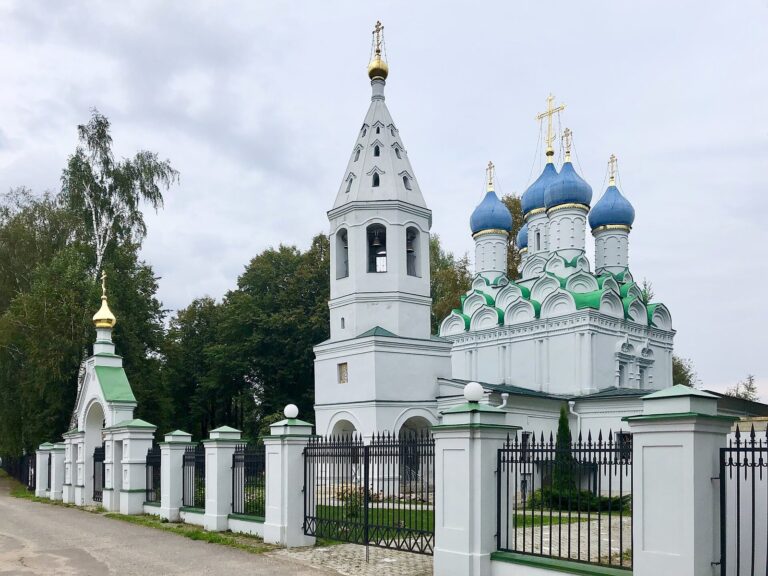
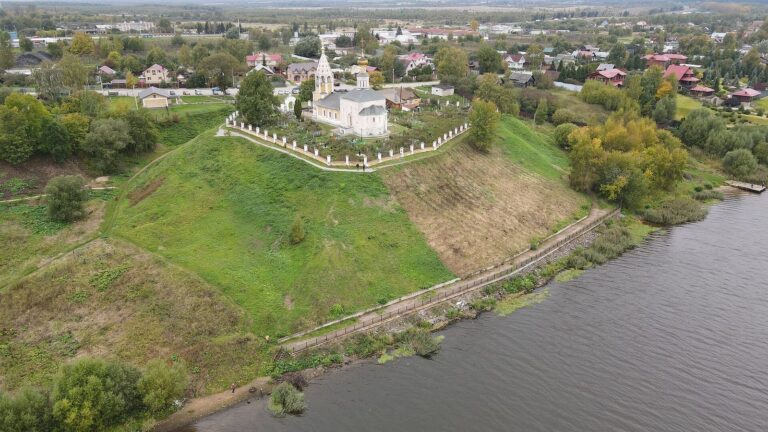
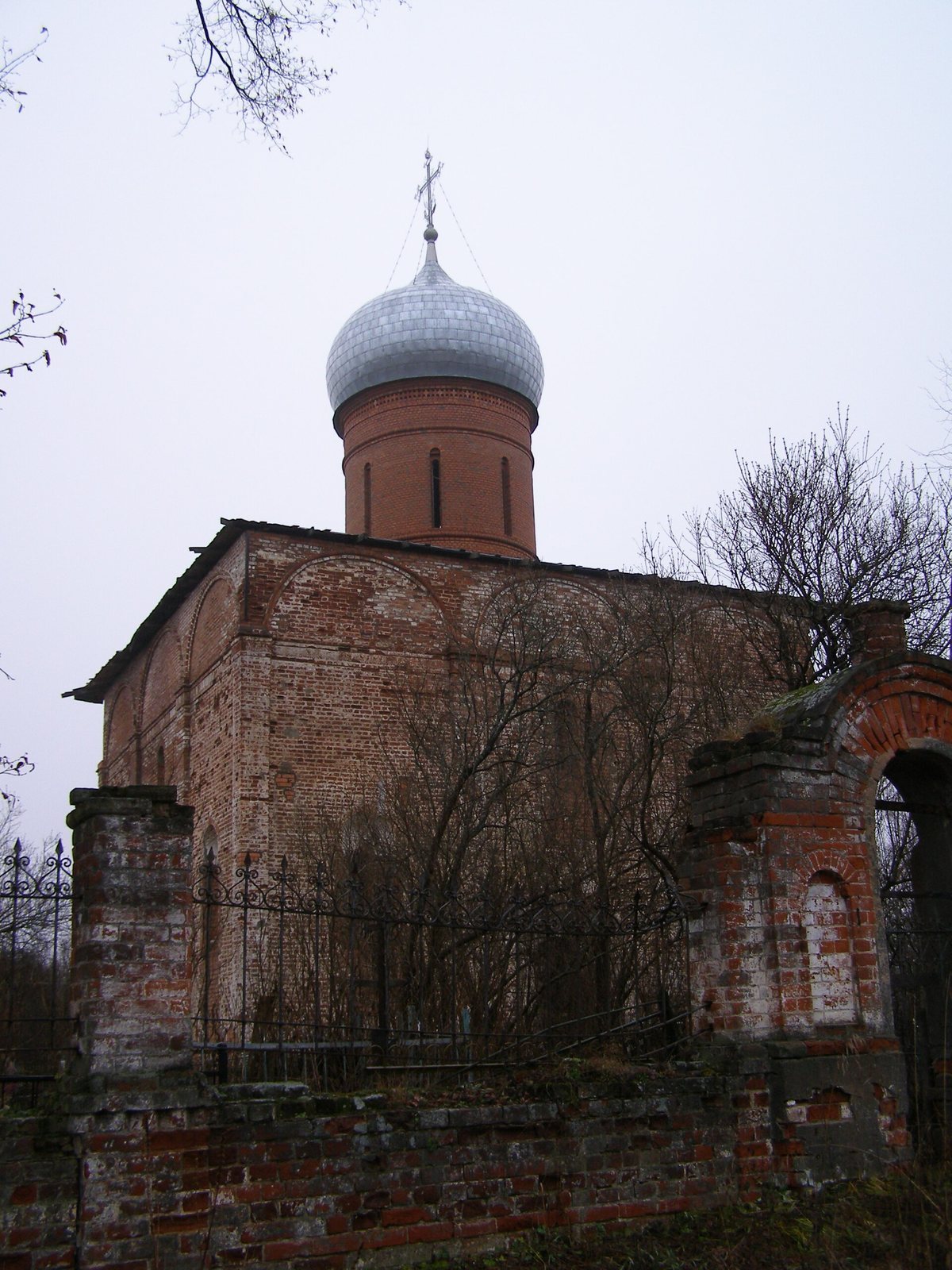
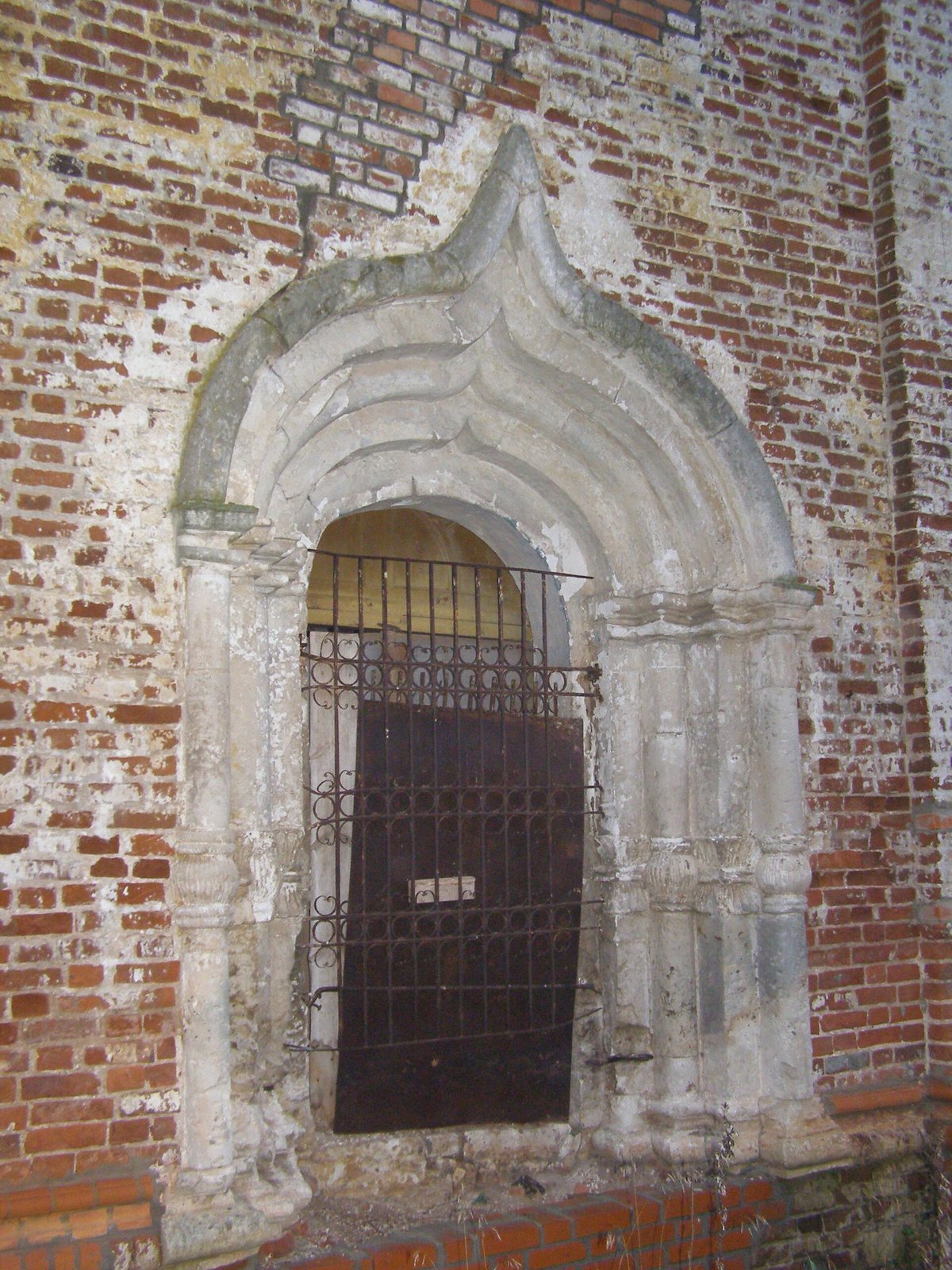
The cathedral stands in Medvedeva Pustyn, where the Yakhroma River flows into the Sestr. Its symmetrical, square plan is organized around four interior supports carrying a single dome on a windowed drum. The plain façades are divided into three equal bays, each topped by a curved gable form called a zakomara. Small, narrow windows punctuate the walls, while entrances on three sides provide the main exterior decoration. The horizontal frieze and other exterior details are close to church architecture in the Belozerye region during the 15th and 16th centuries.
The roof once had two tiers of kokoshniks, arch-shaped decorative elements beneath the roof. Its 19th-century simplification concealed the bases of these features.
Bell tower
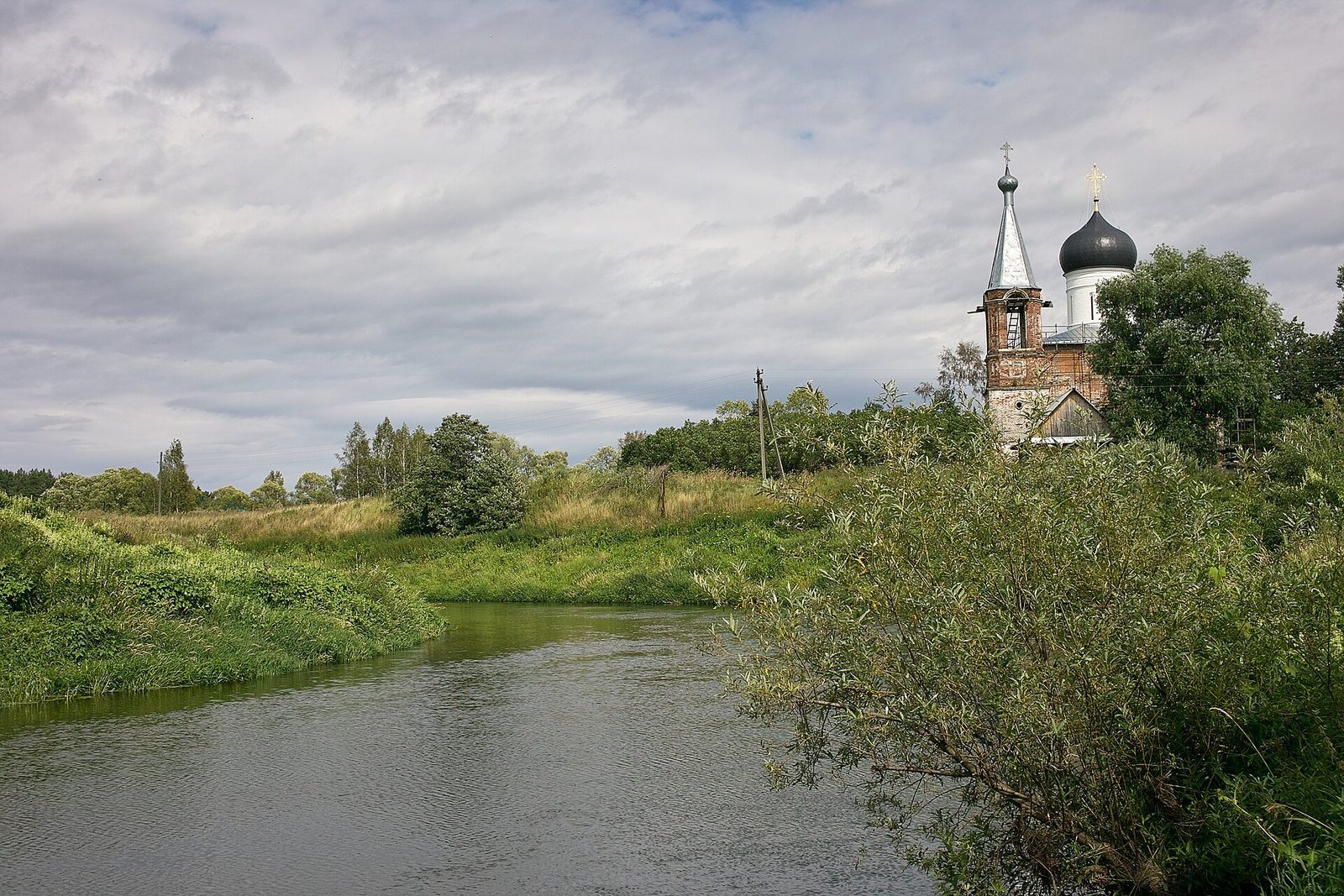
A three-tier bell tower dates to the 16th century. Its upper tier was rebuilt in 1871, when a brick dome was replaced by a wooden one covered with sheet iron.
Enclosure
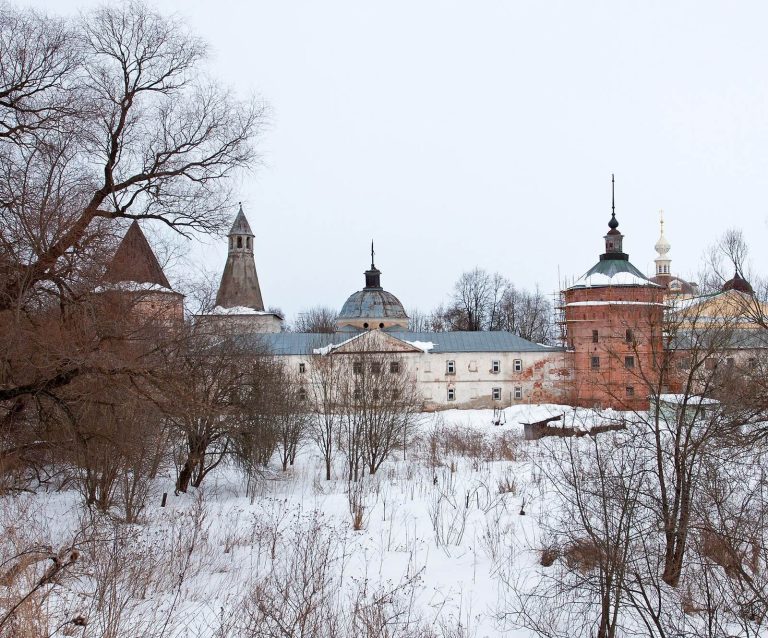
An old brick enclosure with gates surrounds the complex and is now dilapidated.
Buildings in a seventeenth-century inventory
A 1627–28 inventory describes the stone Church of the Nativity of the Virgin with a side chapel dedicated to Saint Nicholas of Myra. The chapel was not used for services. The inventory also names a separate stone church dedicated to Metropolitan Peter, an early Russian Orthodox senior bishop venerated as a saint, with a heated refectory, or communal dining hall. That church was also not used for services. The listed buildings included an abbot’s cell, four monastic cells, and a wooden enclosure.