Liventsovka-Karataevo Fortress: A Bronze Age Fortification in Russia
Site at a Glance
- Popularity
- Medium
- Country
- Russia
- Primary era
- Bronze Age
- Eras represented
- Bronze Age
- Civilizations
- Unclassified
- Site type
- Military
- Remains
- Fort
On this page5 sections
History
The Liventsovka-Karataevo fortress is a Bronze Age defensive site in Rostov-on-Don, Russia. Tribes of the Kamensk-Liventsovka group of the Catacomb culture built it in the 22nd–18th centuries BCE, during the final phase of the Middle Bronze Age. The Catacomb culture takes its name from burial chambers reached through shaft-like entrances; the Middle Bronze Age is an archaeological subdivision of the Bronze Age.
Bronze Age fortification
The fortress served a defensive purpose. Numerous arrowheads found there were projectiles fired by besiegers at the defenders, linking the finds to an attack on the fortification.
Archaeological investigation
An expedition led by archaeologist Alexander Miller investigated the wider area in the 1920s. The fortress was identified in the 1950s. In the 1960s, archaeologist Stanislav Bratchenko excavated the site and identified the Kamensk-Liventsovka group from its finds, relating them to material from the North Caucasus and Crimea.
Heritage status and land dispute
The fortress received local cultural heritage status in 1977 and now has federal-level heritage status in Russia. In 2012, its territory was allocated for cottage development. District prosecutors challenged the ownership registrations for 37 plots and their related sale contracts; in spring 2013, a court ruled the land transfer illegal.
Remains
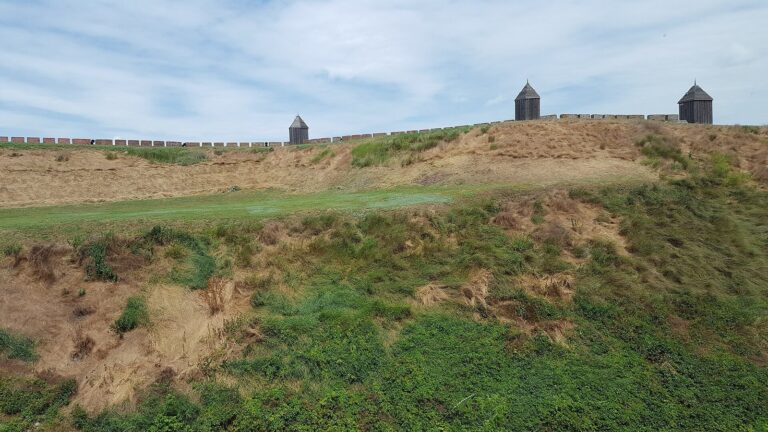
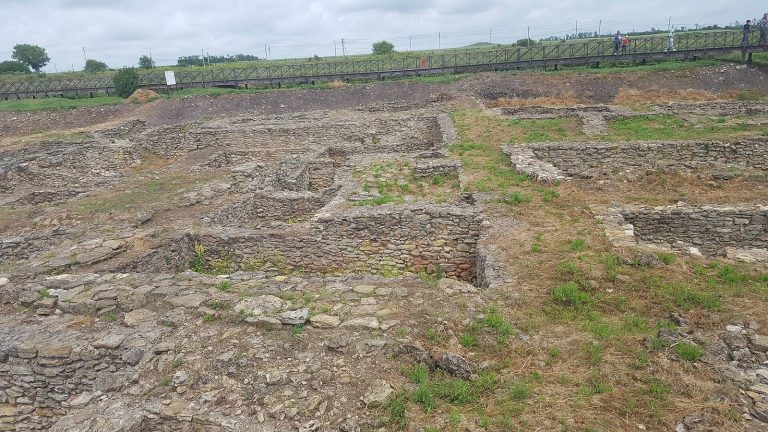
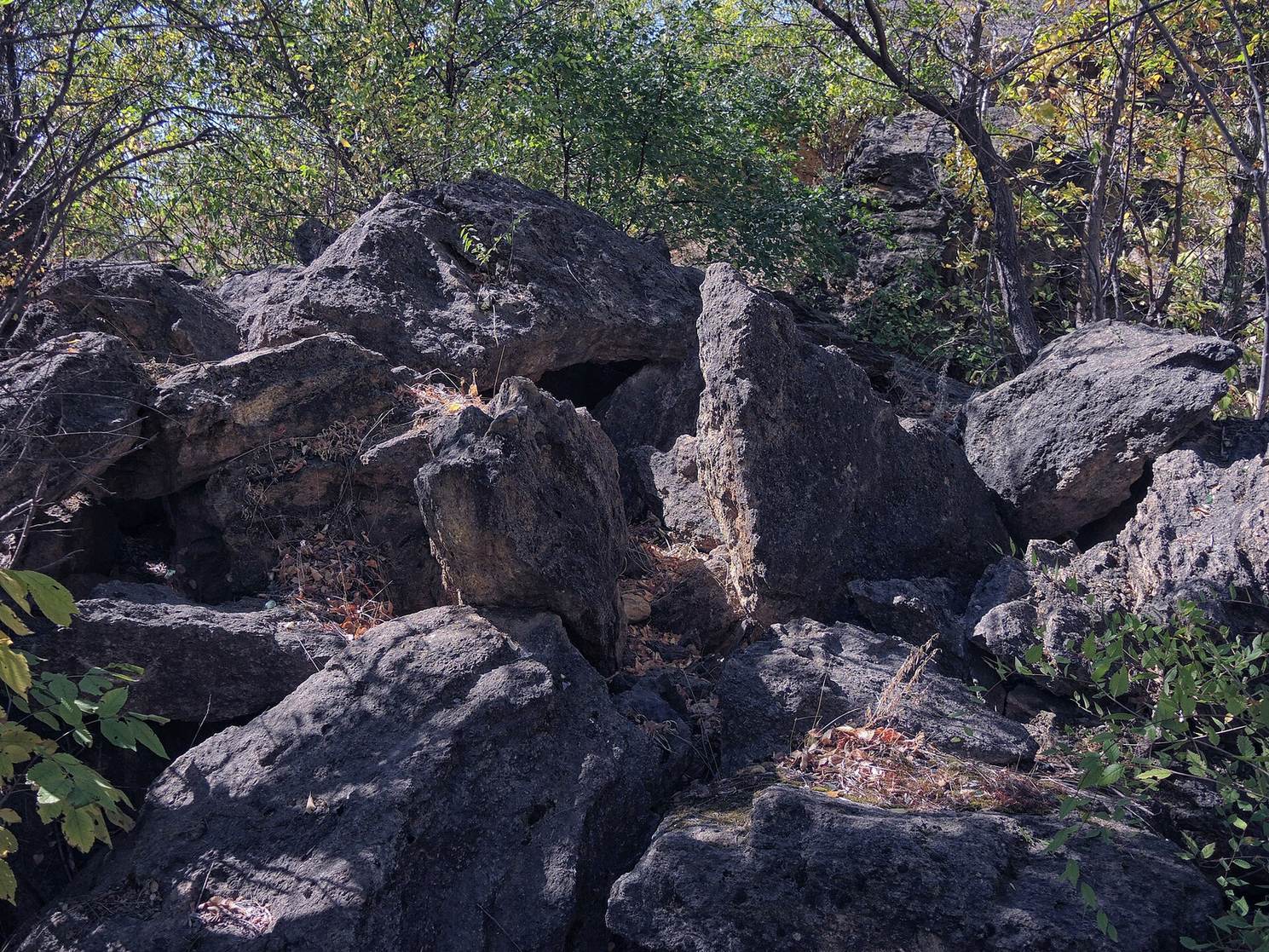
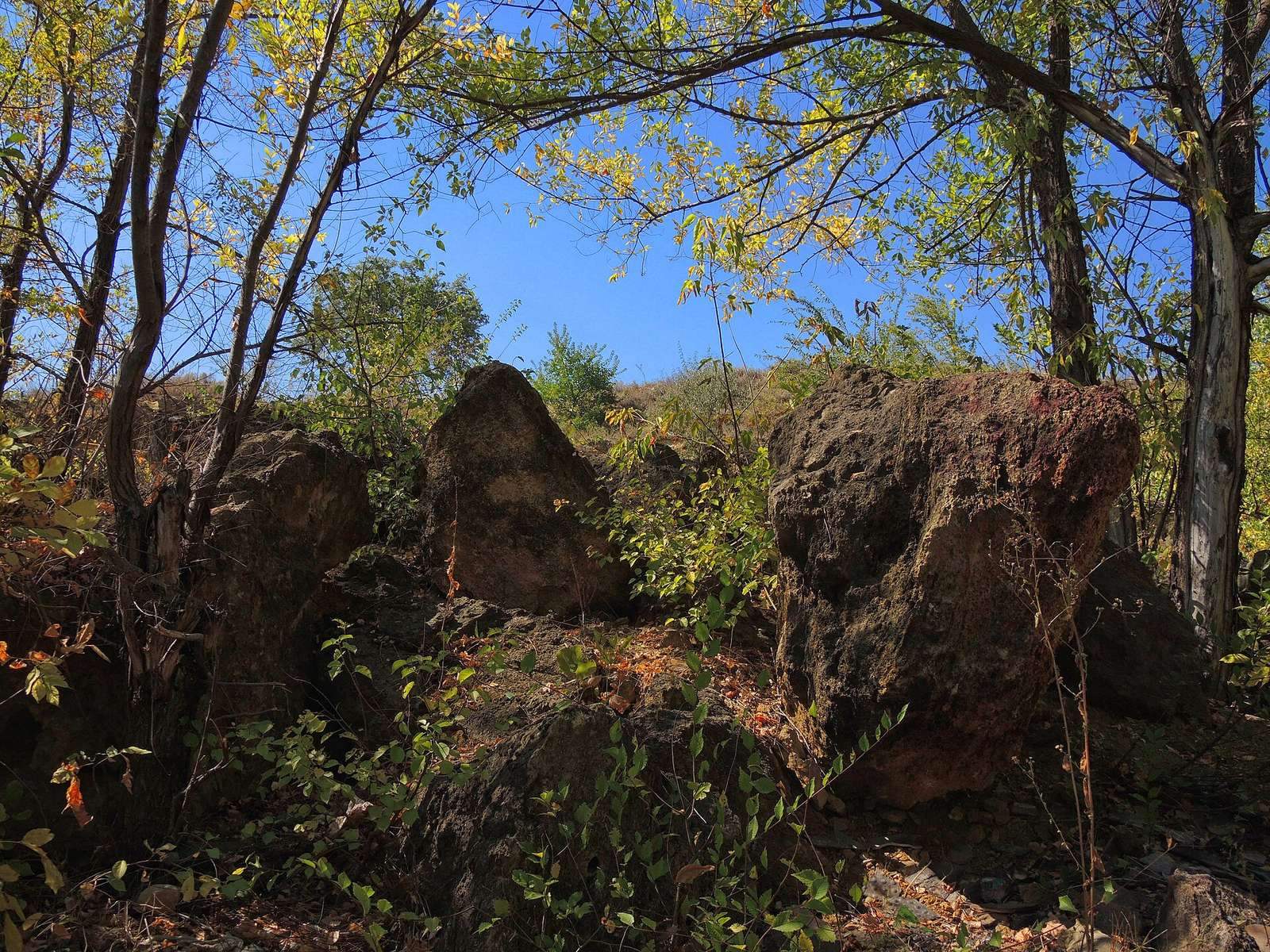
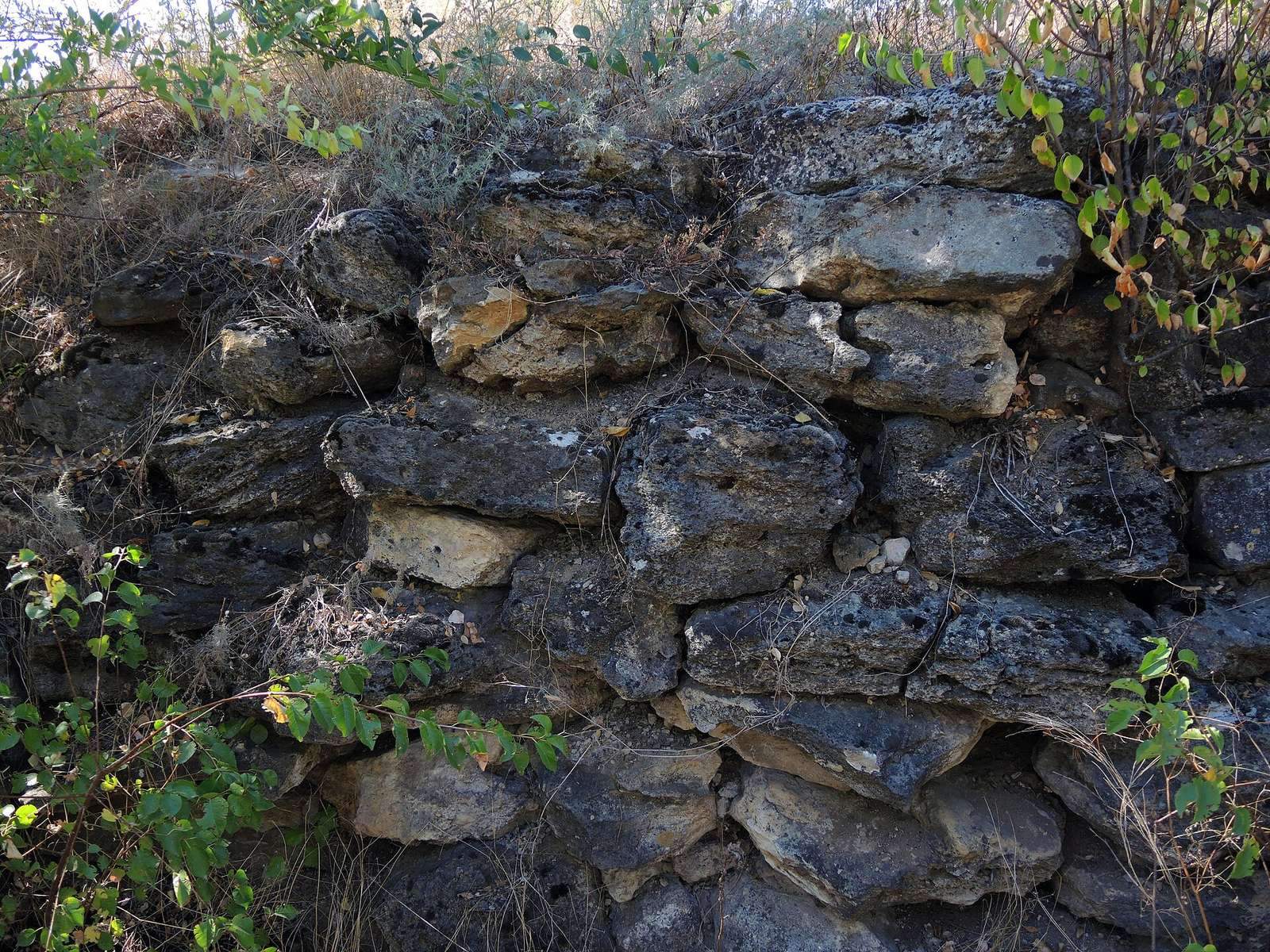
The fortress has a perimeter of 280 metres. Its surviving features include fragments of rubble-stone walls, ditches, and parts of buildings within the fortified area. Burial mounds and ground burials also lie within the fortress area. The fate of some structural fragments remains uncertain: local residents may have taken them for reuse at country homes, or Soviet archaeologists may have reburied them.
The fortress is part of an archaeological complex between Karataevo and Leventsovsky in the Sovetsky District, on the right bank of the Dead Donets River. The complex covers about 8 hectares and contains remains dating from the Eneolithic, or Copper Age, through the medieval period, as well as Bronze Age burial mounds and remains and burials associated with the Scythians, an ancient people of the Eurasian steppe. Excavation has covered only part of the fortress, and about a quarter of the wider complex. The remains are damaged and poorly preserved. Unauthorized rubbish dumping and dirt tracks linked to local use threaten the site. Federal ownership leaves Rostov-on-Don authorities unable to fund its upkeep, while federal authorities have also provided no funding.