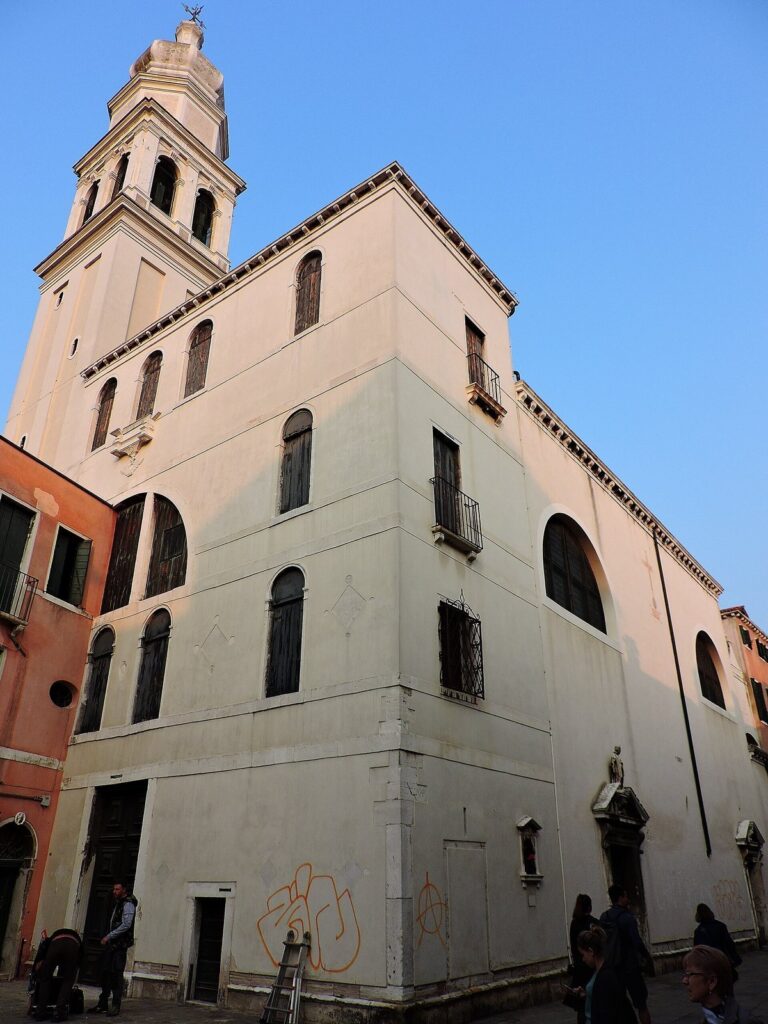
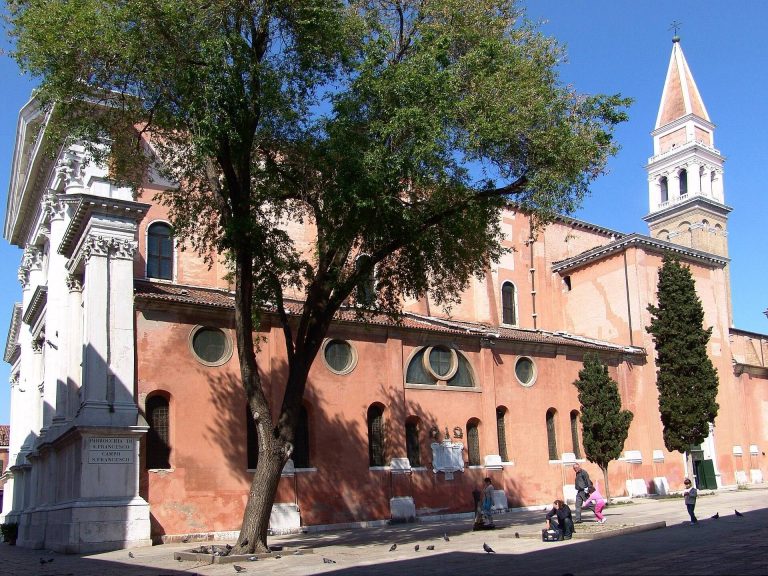
San Giuseppe di Castello: A Renaissance Parish Church in Venice
Site at a Glance
- Popularity
- Medium
- Country
- Italy
- Primary era
- Early Modern
- Eras represented
- Early Modern
- Civilizations
- Venetian
- Site type
- Religious
- Remains
- Church
On this page11 sections
History
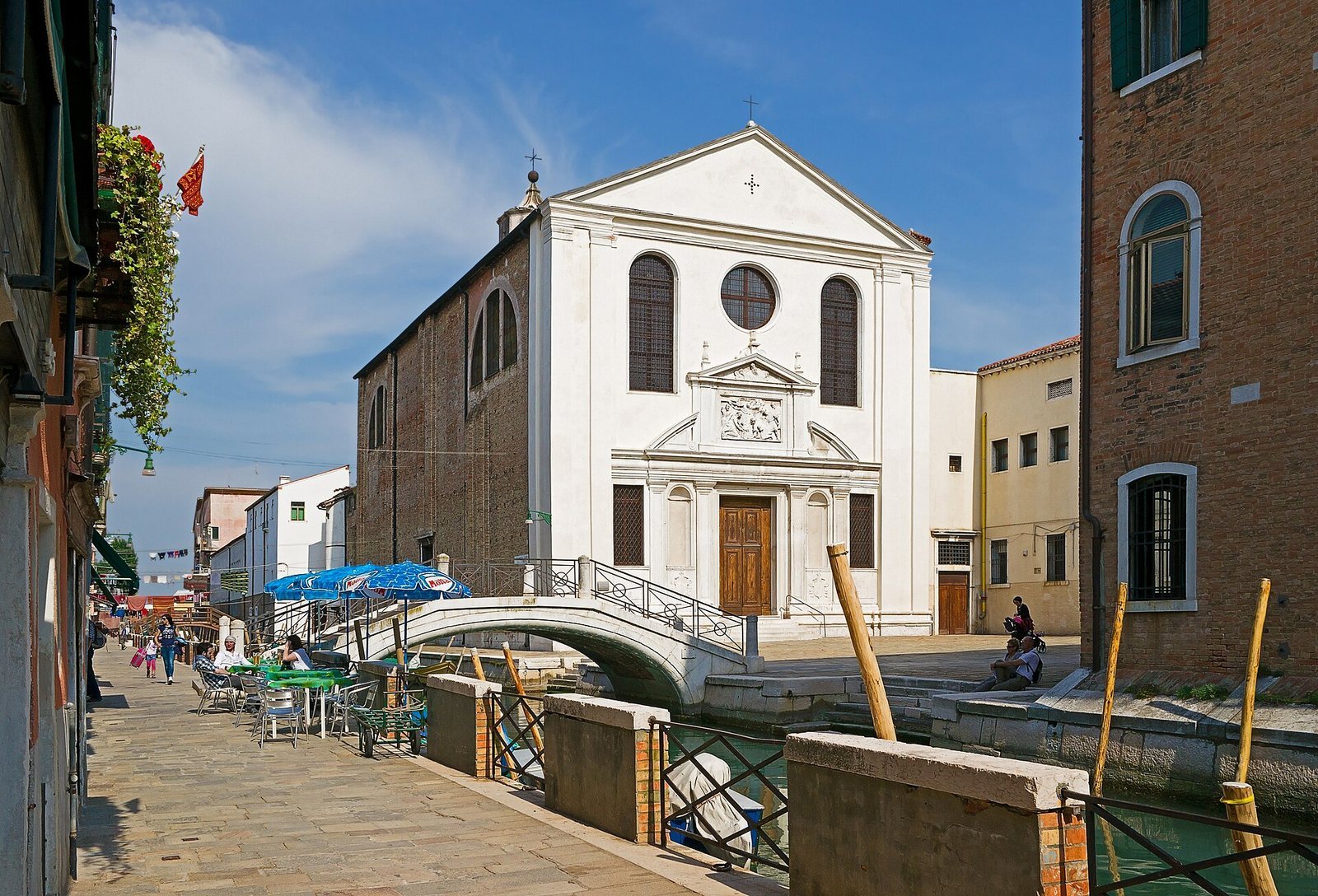
San Giuseppe di Castello is a Renaissance Roman Catholic church in Venice’s Castello district, Italy, built for an Augustinian convent in the 1520s.
Foundation and Renaissance development
On 25 June 1512, the Venetian Senate approved construction of a church and convent for a nearby community of Augustinian nuns. The church and convent were built during the 1520s, and their walls were complete by 1525. The site lay among islets in marshland. The surrounding marshes were reclaimed to create settlements on former islands, including Secco Marina, Paludo, and Rio terà.
A remodeling in the middle of the sixteenth century was completed in 1563, following a Grimani family donation that paid for the high altar. An inscription near the entrance gives 1543 as the church’s consecration year. Joseph of Nazareth, identified in Christian tradition as Mary’s husband and Jesus’ earthly father, became its patron that year. About fifty nuns lived in the convent during this period.
The Grimani family commissioned a funeral monument to Doge Marino Grimani, which was erected in 1595. A doge was the elected head of the Venetian Republic. Marino Grimani held the office from 1595 to 1605, died in 1605, and was buried in the church.
From monastery to parish church
The Augustinians cared for the church until 1801, when Napoleon suppressed their order and monastery. The church then passed to the sisters of the Visitation, known as Visitandines. Their order was founded by Francis de Sales, a French bishop and religious writer, and Jane Frances de Chantal. The sisters brought Francis de Sales’ heart from France as a relic, and their community maintained the church from 1880.
In 1912, the nuns left Venice for Treviso, taking the relic with them. They handed the convent to the city, which adapted it as a school. The church became a subsidiary of the Basilica of San Pietro di Castello. In 1923, Cardinal Pietro La Fontaine, a senior Catholic church official, made it a parish and separated it from the basilica. Since 1966, the Salesians of Don Bosco, a distinct Catholic religious congregation, have been entrusted with the church, which serves as the center of its namesake parish.
Remains
The Renaissance church combines an austere, classical exterior with a single main worship space. Its interior contains chapels, altars, a funerary monument, and painted decoration.
Exterior and interior plan
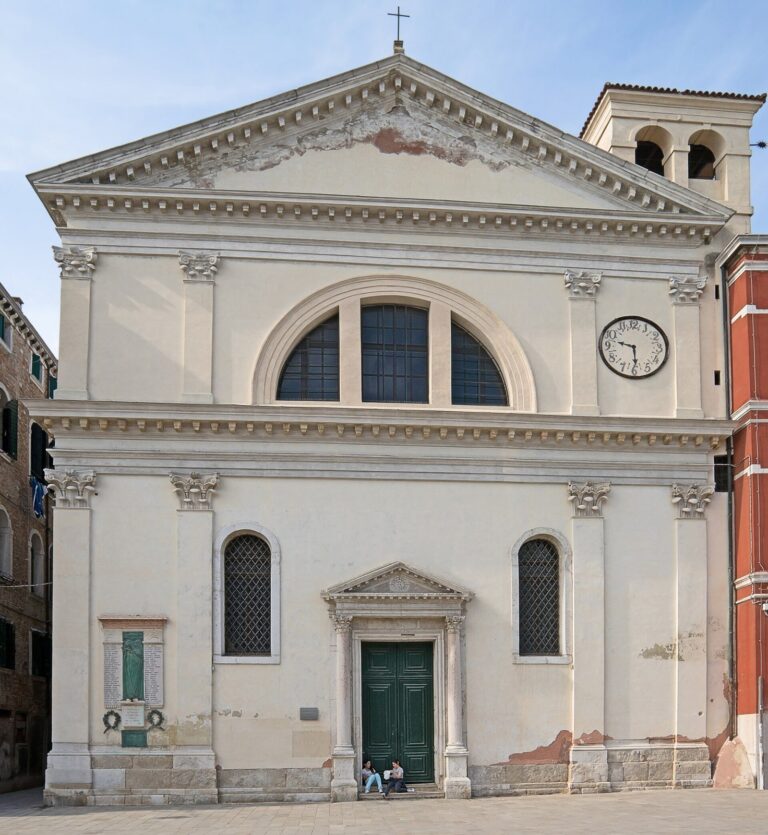
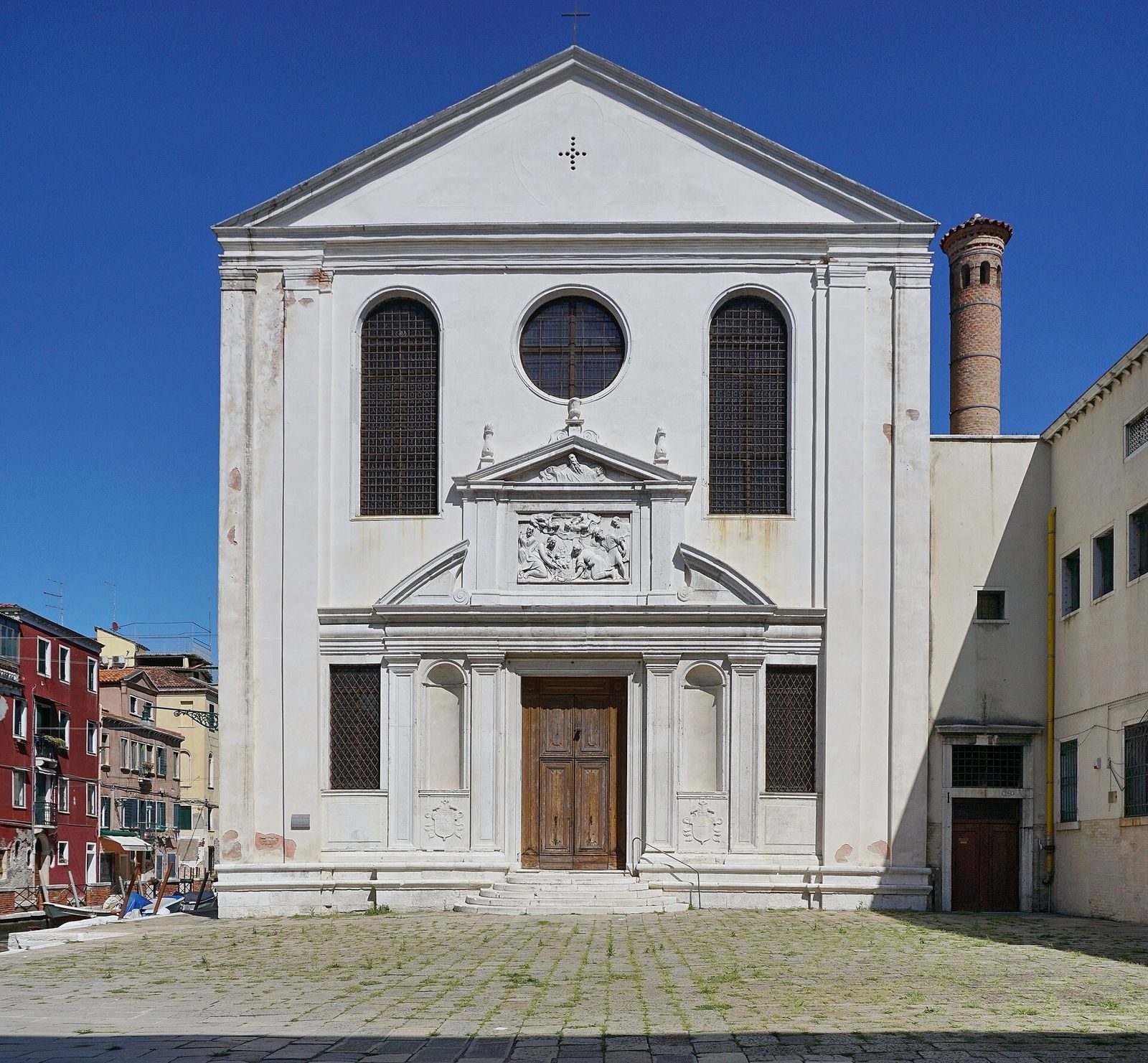
Facade and entrance
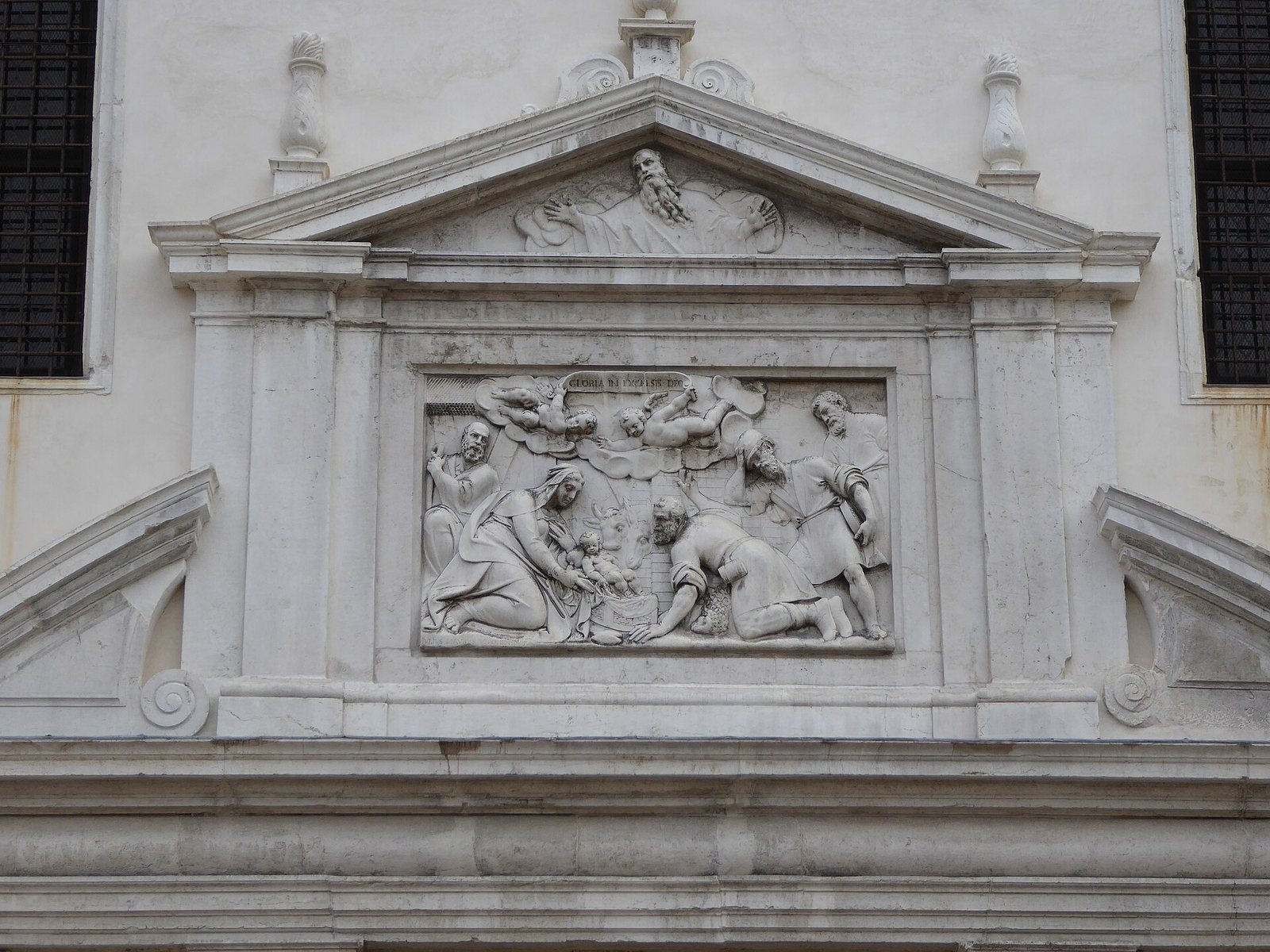
The exterior has flat, column-like strips along its sides and a modest triangular top. The Grimani family commissioned the entrance portal. At its center, a work by Giulio Del Moro depicts the Adoration of the Shepherds.
Interior and convent gallery
The interior consists of a single nave, or main worship hall, a presbytery, the area around the main altar, a rounded apse at the end, and two small chapels. Three altars stand on the right and two on the left; the left side also contains the Grimani mausoleum. An internal gallery called the barco links the church with the convent, allowing the nuns to enter without meeting others there.
Tomb and painted decoration
Grimani mausoleum
The large mausoleum, or monumental tomb, on the left commemorates Doge Marino Grimani and his wife, Morosina Morosini. Its sculptures are attributed to Gerolamo Campagna, and its raised bronze panels to Cesare Groppo. Vincenzo Scamozzi has traditionally been identified as the designer, while more recent research tends to attribute the work instead to the Venetian architect Francesco Fossati.
Ceiling and church paintings
Pietro Ricchi, known as the Lucchese, painted the ceiling between 1660 and 1663 in fresco, a technique using paint on wet plaster. The central circular scene shows Saint Joseph in Glory, with the Glory of Saint Monica at the sides. The composition covers 540 square metres. Painted architectural forms by the Bolognese artist Gianantonio Torri create the illusion that the church continues upward. In the presbytery, paintings by Paolo Veronese depict the Adoration of the Shepherds and Saint Jerome. The church also contains frescoes by Jacopo Palma the Younger.
Altars
The first altar on the right holds a work by Tintoretto and his son Domenico, showing Senator Bon praying as the Archangel Michael drives Lucifer away. On the left, a marble altar carved by Domenico Grazioli of Salò depicts the Nativity. Venetian Republic admiral Giovanni Vrana commissioned it, and its front panel shows the arrangement of galleys at the Battle of Lepanto, a major 1571 naval battle between the Ottoman Empire and a coalition of Christian states.