Palaiokastro of Nisyros: Acropolis and Fortifications of an Ancient Greek City
Site at a Glance
- Popularity
- Very Low
- Country
- Greece
- Primary era
- Classical
- Eras represented
- Classical, Medieval
- Civilizations
- Ancient Greek, Byzantine
- Site type
- City
On this page8 sections
History
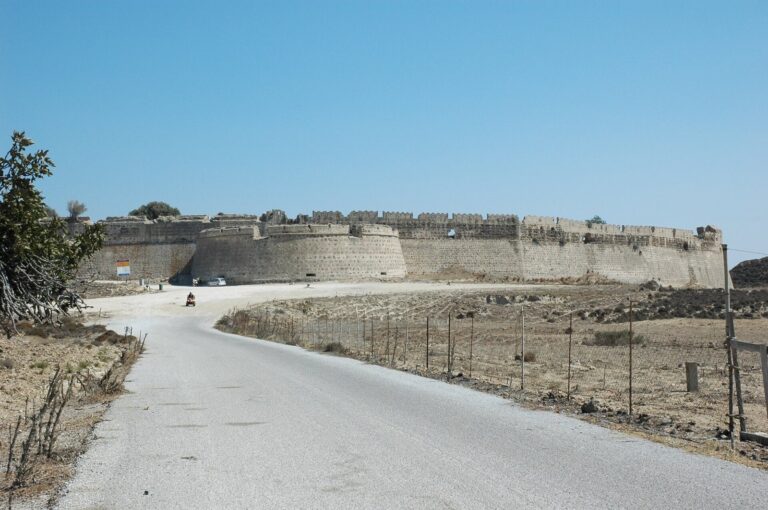
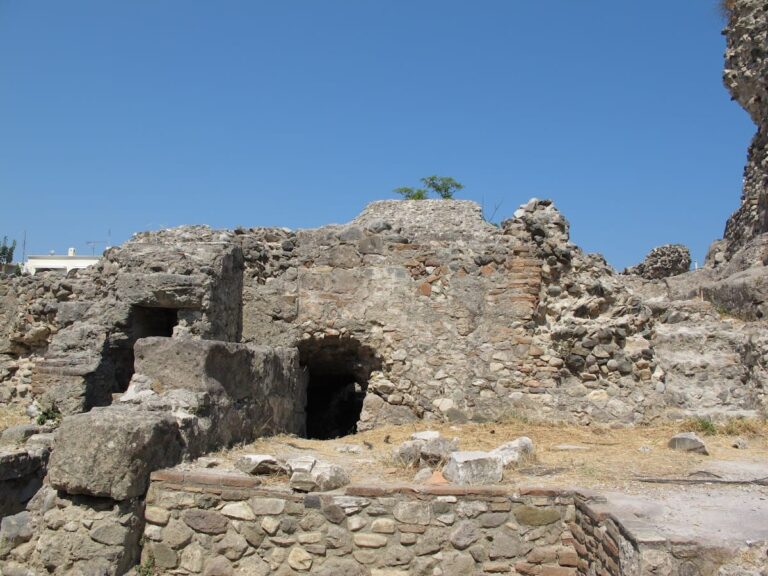
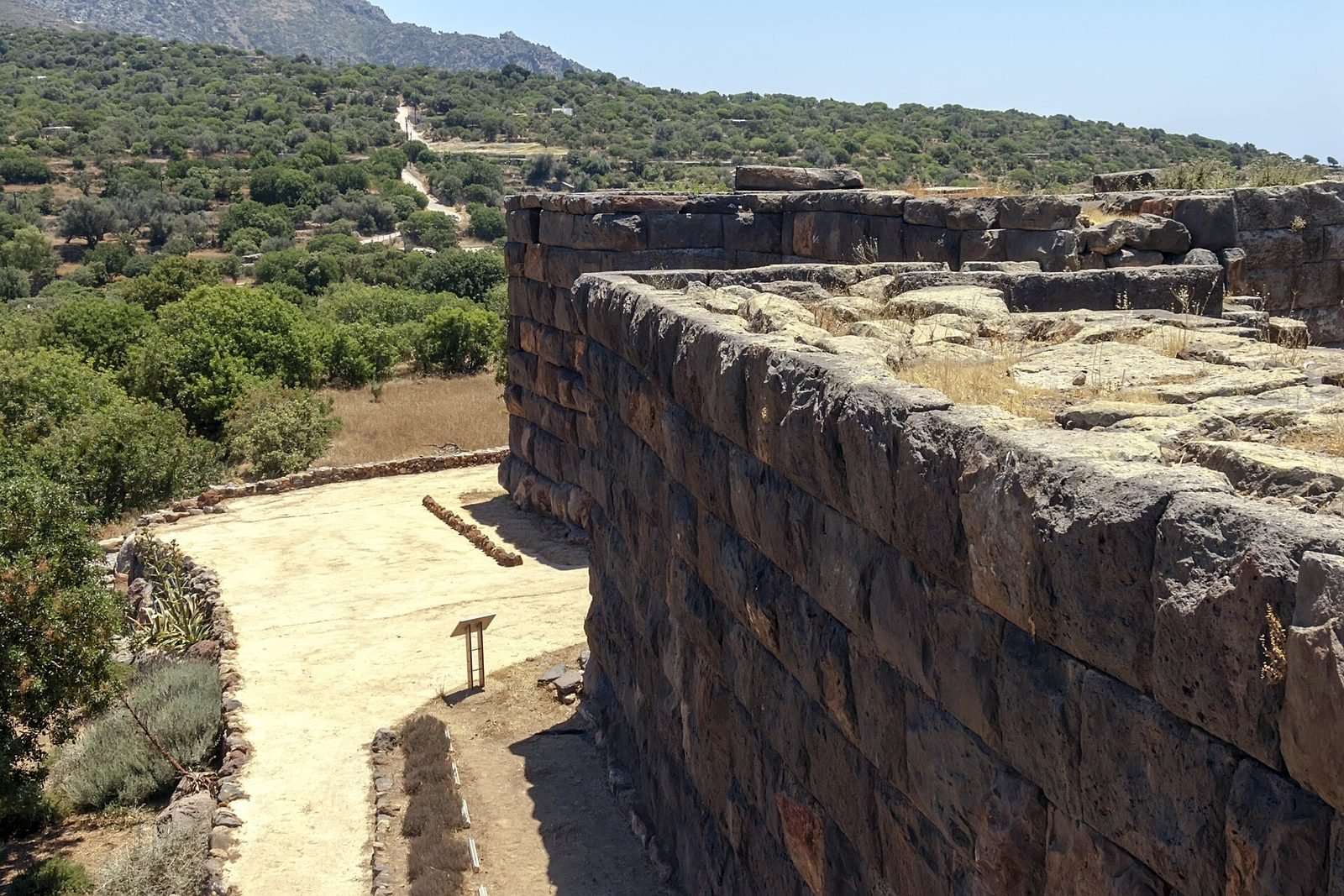
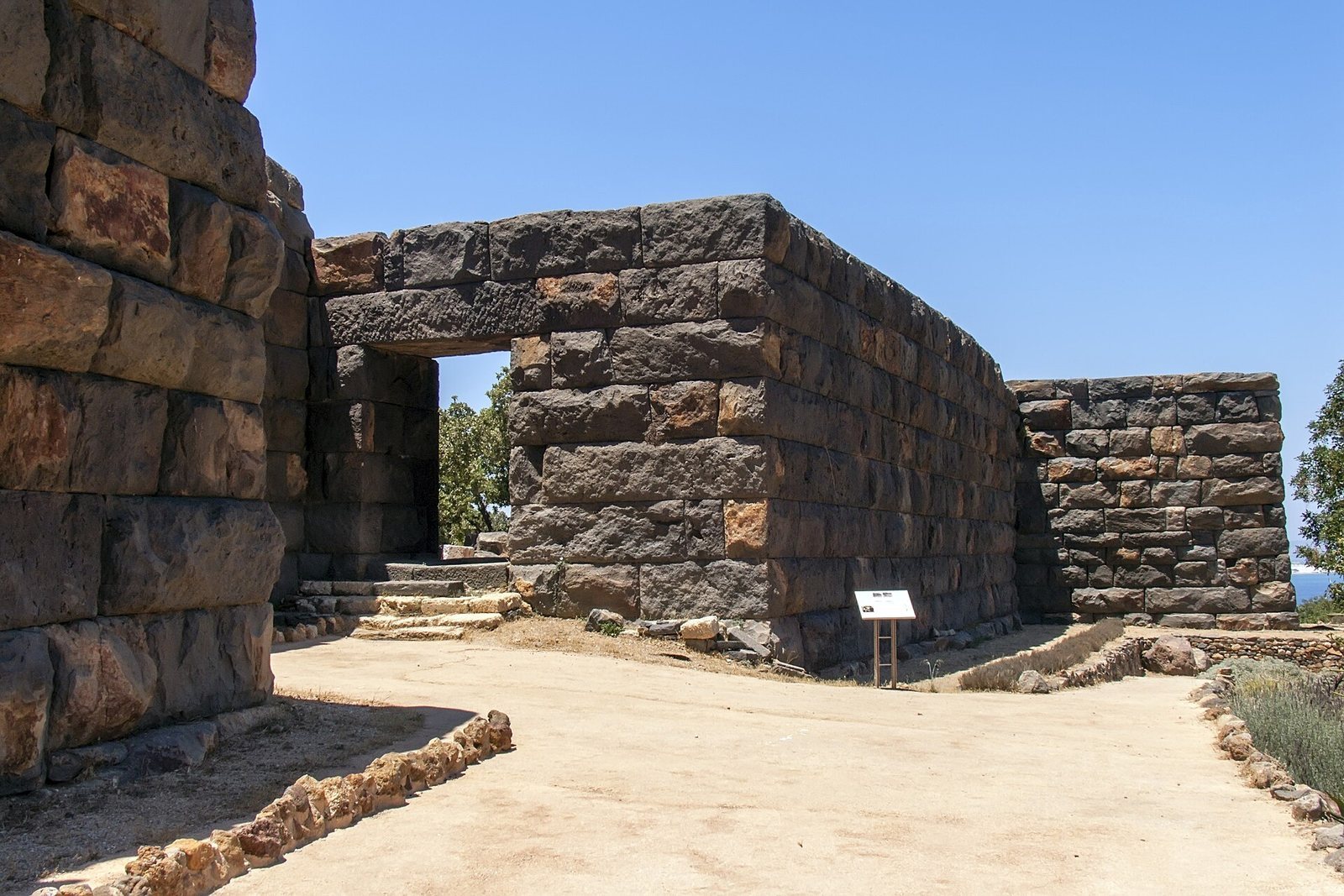
Palaiokastro of Nisyros is the archaeological area of an ancient Greek city on the island’s northwest coast in Greece. The city was a Dorian polis, or city-state with an urban center and surrounding territory, and its domain included the whole island and nearby smaller islands. A settlement called Argos on the southwest coast probably belonged to it. The surviving fortifications date to around the fourth to third centuries BCE and are the best-preserved ancient city walls on the Aegean islands.
Origins and Traditions
Greek myth attributed the island’s formation to Poseidon, who tore a piece from Kos and hurled it at the giant Polybotes. Volcanic activity was explained as Polybotes moving beneath the island. Tradition named the Carians as Nisyros’s earliest inhabitants, followed by Dorians led by Thessalos, whom legend identified as a son of the hero Heracles. The earliest mention of Nisyros by name occurs in the Catalogue of Ships in the Iliad, an ancient Greek epic traditionally attributed to Homer. It places the island among the forces in the war against Troy, under Thessalos’s sons.
A separate tradition told of settlers from Argolis arriving after Agamemnon’s return from Troy. This story explained both the island settlement’s name, Argos, and Herodotus’s description of Nisyrians as Epidaurians, people from the city of Epidaurus in Argolis. Earthquakes later reduced the population, after which settlers came from Kos and Rhodes. Strabo also placed a sanctuary to Poseidon in the city, where the god was known by the local title Argeios.
Classical and Hellenistic Periods
In the early fifth century BCE, Nisyros, Kos, and Kalymna were ruled by Artemisia, queen of Halicarnassus. During the Greco-Persian Wars, her ships changed sides amid the Greek victory at the Battle of Salamis in 480 BCE. Later in the fifth century BCE, Nisyros joined the Athenian-led Delian League, an alliance formed in response to the Persian threat. It appears on the league’s tribute lists from 452/451 to 428/427 BCE. The city later sided with Sparta; in 394 BCE, the Athenian commander Konon persuaded it to revolt against Spartan control.
Nisyros minted silver and bronze coins from the fourth century BCE, suggesting that this was a period of particular independence. Around 200 BCE, the island came under Rhodian control and later that of the Ptolemies, the dynasty that ruled Egypt after Alexander’s death. Ancient geographers associated Nisyros variously with Caria, in southwestern Asia Minor, or with the Cyclades; today it belongs to the Dodecanese. The island was also known in antiquity for its wine.
The archaeological area is called Palaiokastro, meaning “Old Castle.” Excavation in the ancient city area was limited during the twentieth century. Between 2003 and 2006, repairs were carried out on the upper-city walls, and the site was improved as an archaeological area.
Remains
City Layout and Fortifications
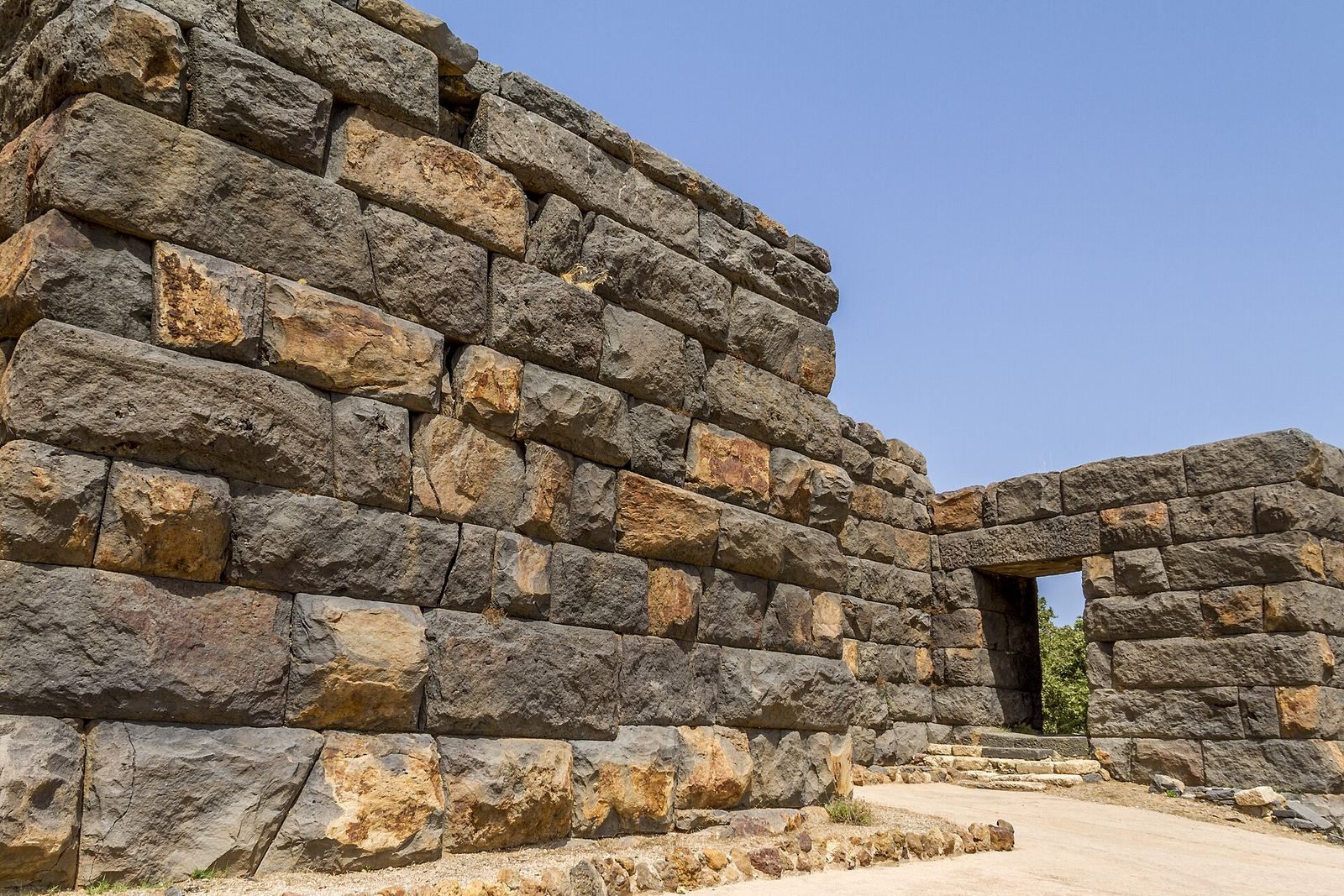
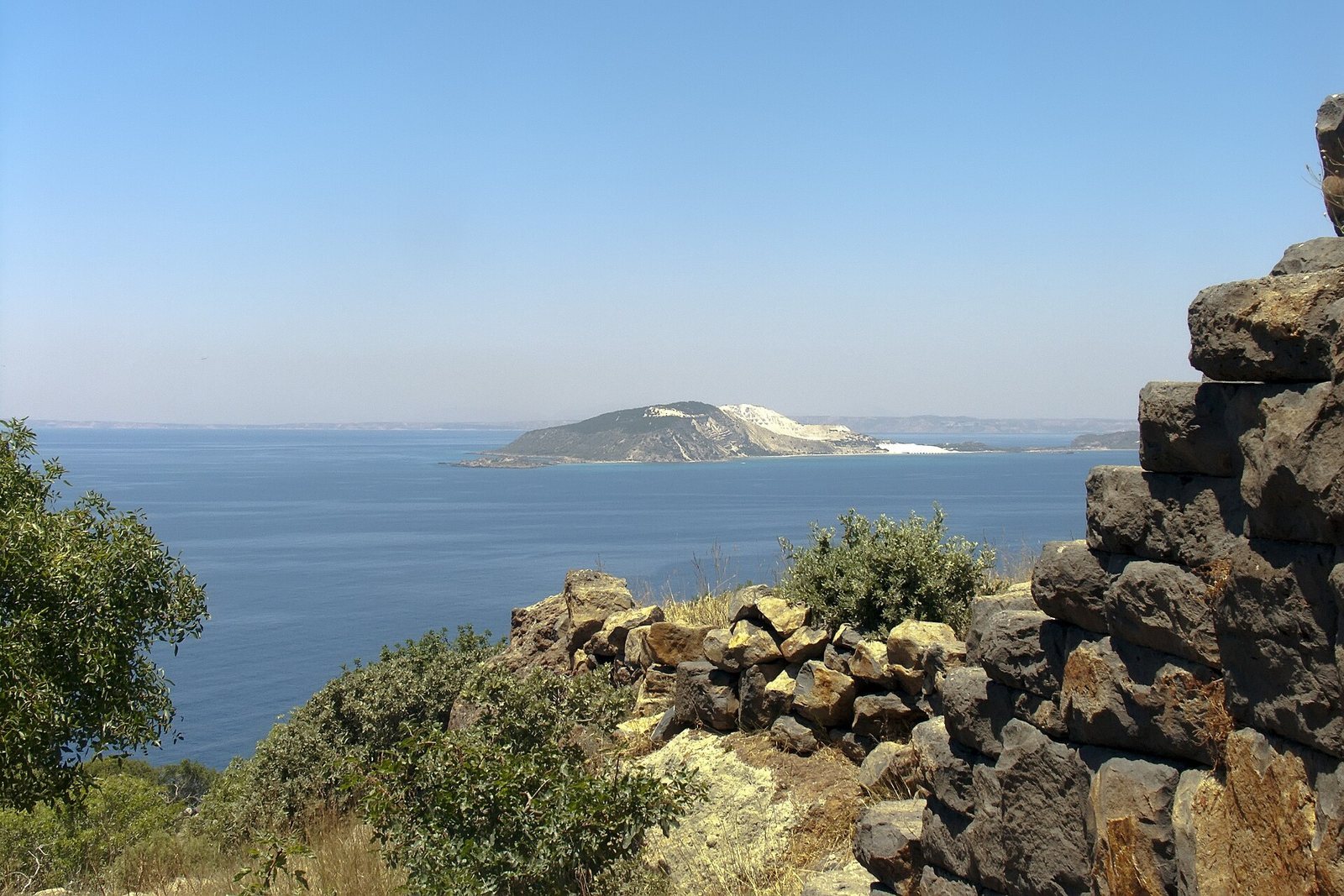
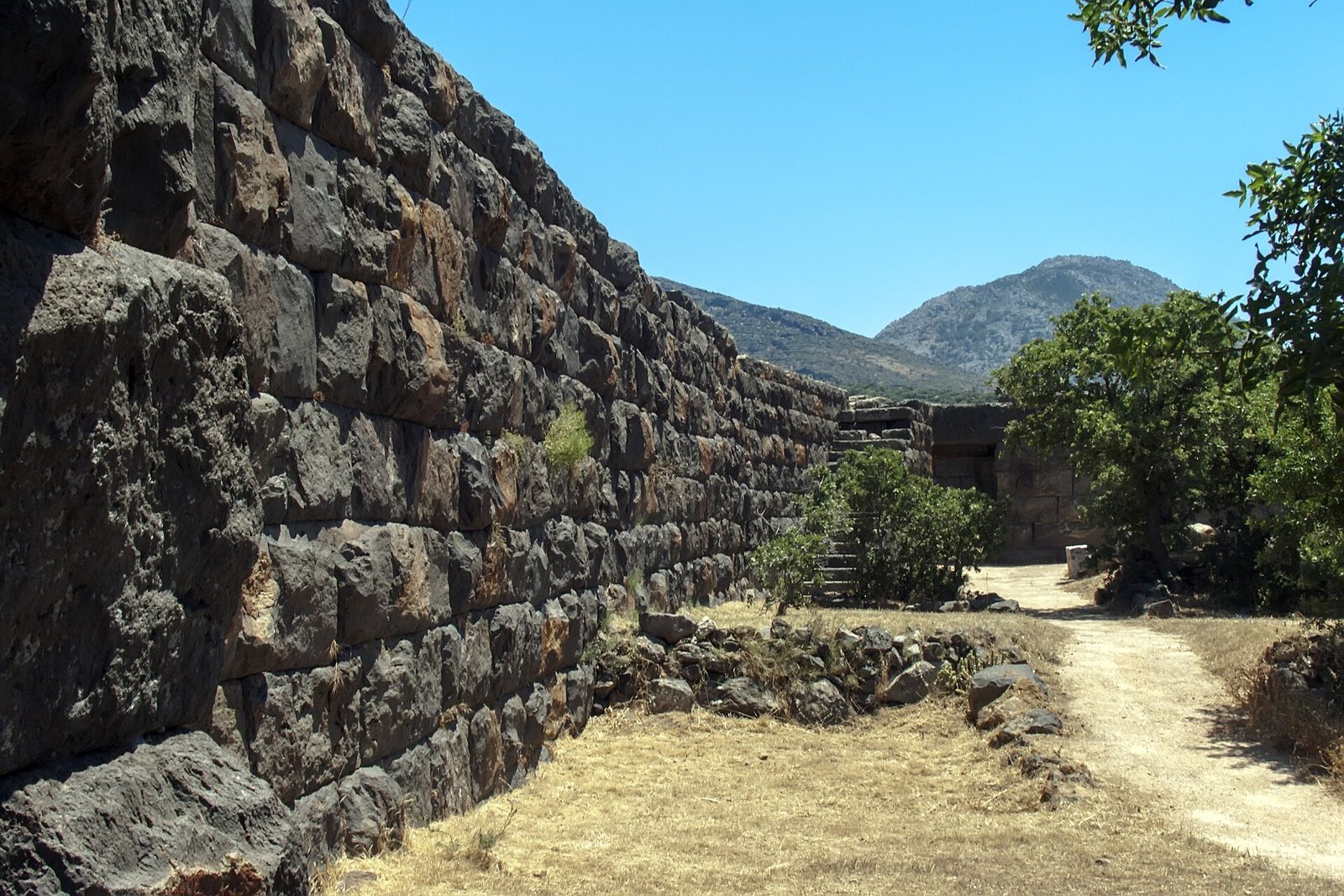
The ancient city center occupied a hill immediately south of modern Mandráki. The hill served as the acropolis (the elevated, often fortified center of a settlement), while the harbor probably lay at Mandráki. Nisyros is a nearly circular volcanic island between Kos and Telos, and hot springs lay east of the city. The walls enclosed about 10 hectares and were built from dark lava stone.
Surviving stretches measure about 230 meters on the south side and 80 meters on the east. The walls are around 3.5 meters thick and reach roughly 7 meters high in places. Square towers, about 9 by 8.5 meters, stood along them; six remain on the south side and two on the east. A gate about 2.1 meters wide stood at the southeast corner. Two wall sections descend from the hill and probably enclosed a lower town on its slope. An inscription on the wall’s outer face, dated to about 350–325 BCE, reserved a five-foot strip beside it as public land and barred building within that distance to protect the defenses.
Church and Burial Remains
Church of Saint John
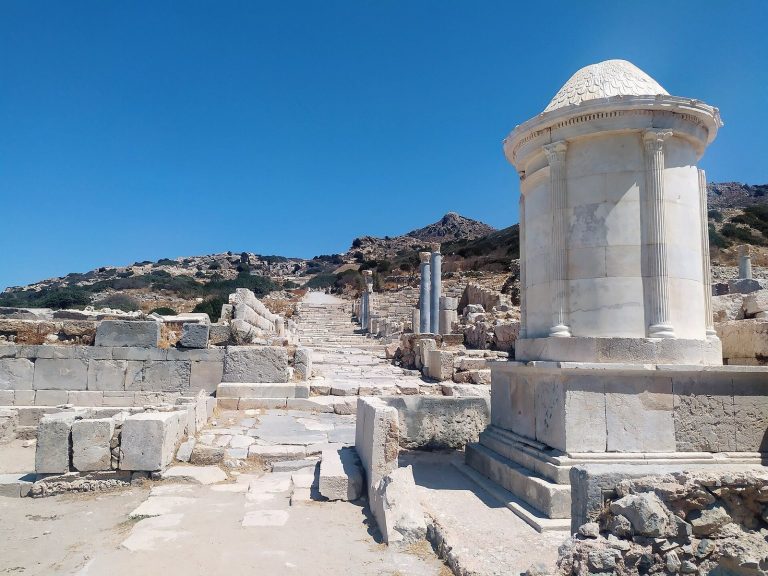
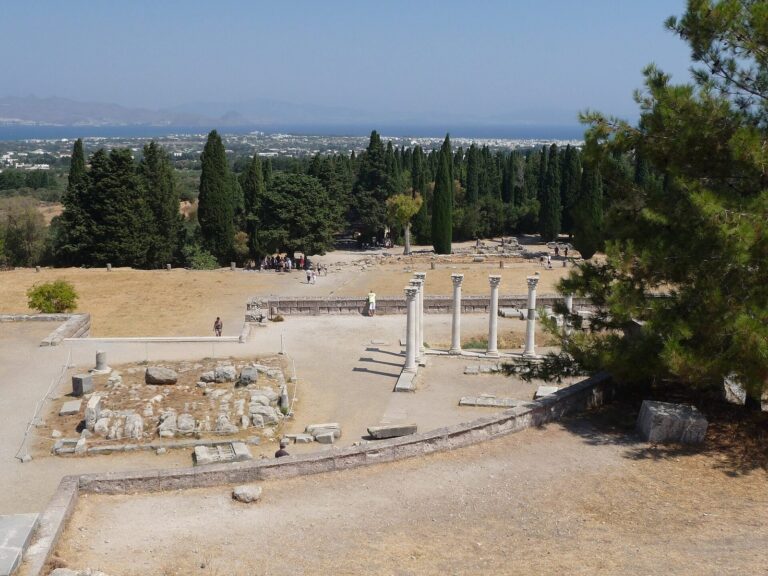
Remains of an early Christian basilica dedicated to Saint John survive at the city site. A basilica is a church with a long hall plan. The remains include marble columns and Corinthian capitals, the ornamented upper parts of columns associated with the Corinthian style.
Tombs in the Lower Valley
The lower valley contains tombs dating from the sixth to fourth centuries BCE.