Choquerecuay: An Inca Administrative Site in Peru
Site at a Glance
- Popularity
- Very Low
- Country
- Peru
- Primary era
- Early Modern
- Eras represented
- Medieval, Early Modern
- Civilizations
- Inca, Spanish
- Site type
- Civic
On this page5 sections
History
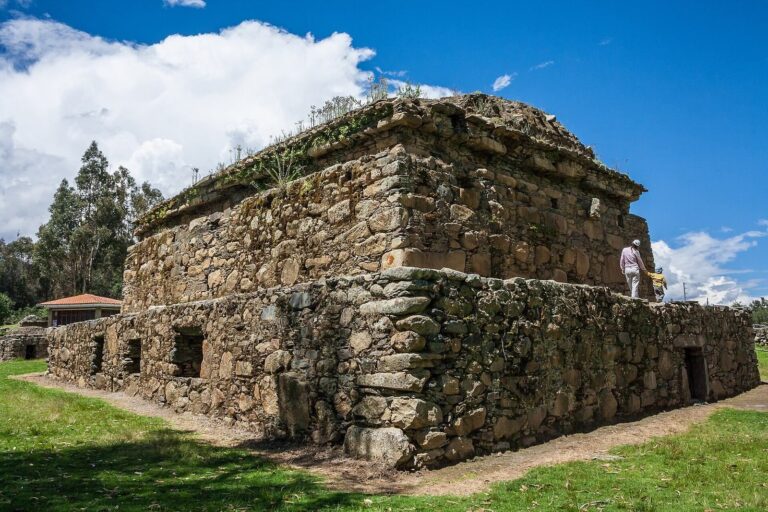
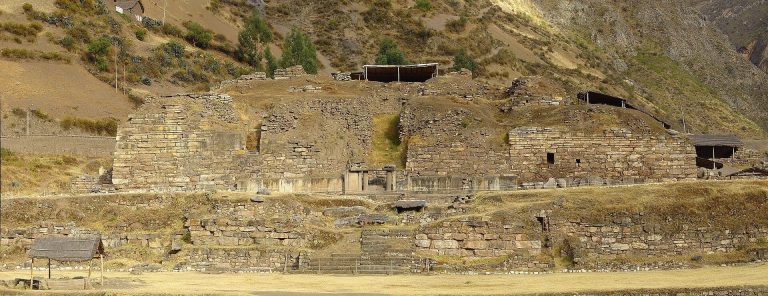
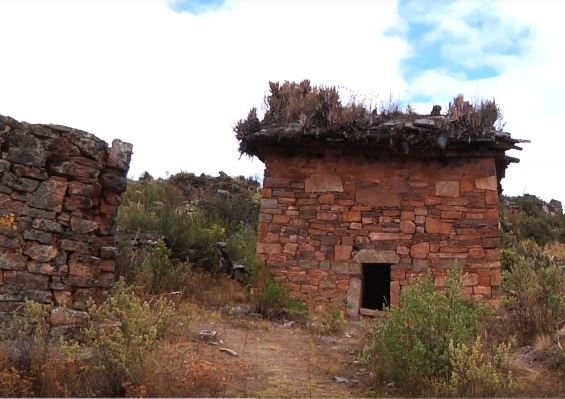
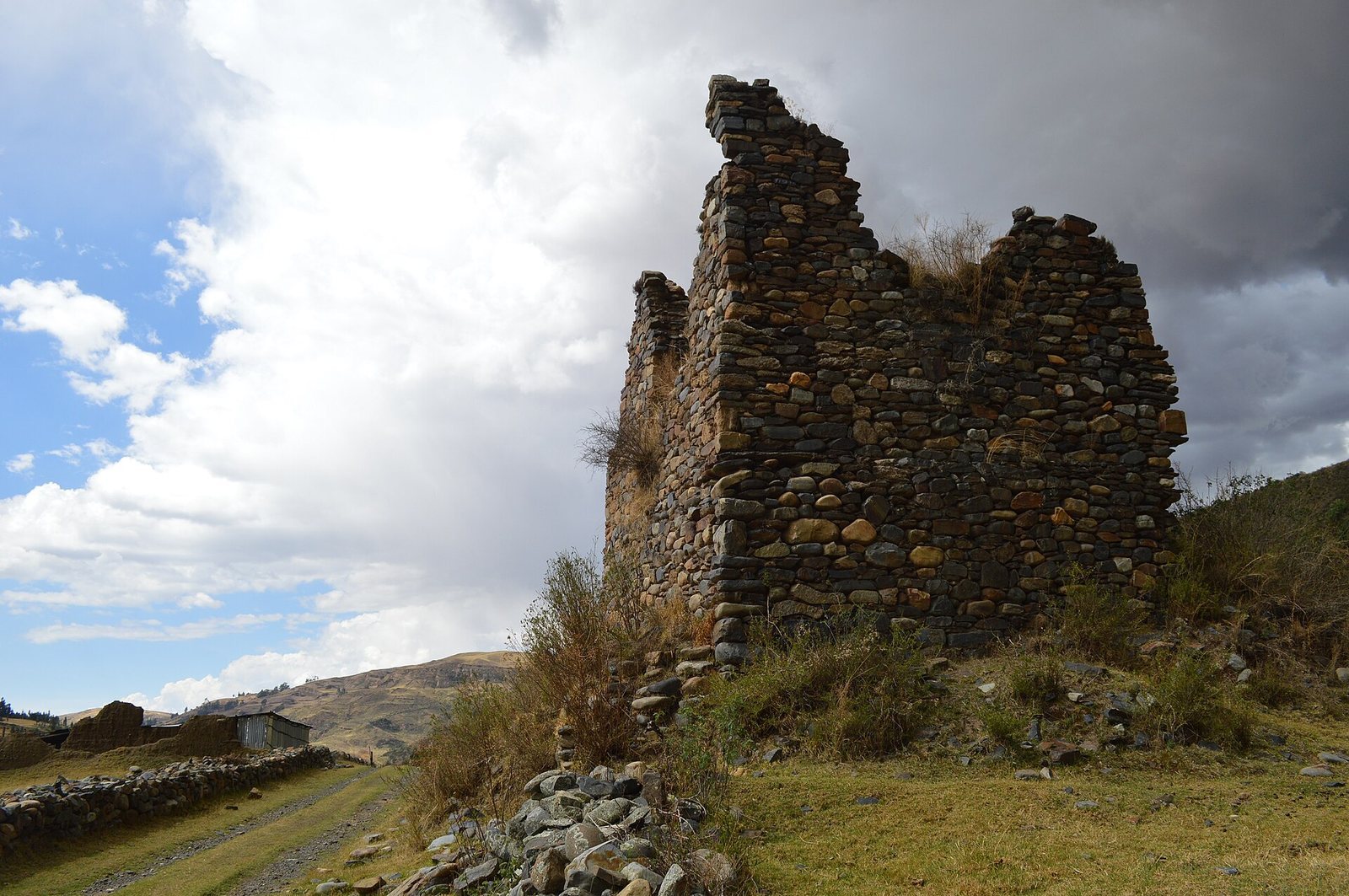
Choquerecuay, also known as Pueblo Viejo, is an Inca archaeological site in Recuay District, Áncash Region, Peru. Assigned to the Late Horizon, the Andean period associated with the expansion and rule of the Inca state, it originally served an administrative function. Its construction date remains uncertain: the date 1470–1532 BC conflicts with its Inca-period attribution.
A process to designate Choquerecuay as immovable cultural property within Peru’s Cultural Heritage of the Nation began in August 2017. Archaeologists associated with the site include Joseph Bernabé Romero, Claudio Olaya Cotera, and Miguel Aguilar Díaz.
Remains
The archaeological site covers about 150 hectares at an elevation of 3,400 metres. It lies about 2 kilometres north of Recuay and 40 metres from the Santa River. A route running north to south divides the site into two sectors, with remains on both sides.
Principal features
Sector 1, west of the route
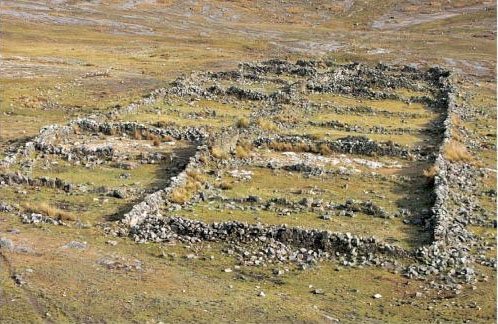
This sector contains the main plaza and a kallanka-type enclosure. A kallanka was a large Inca hall.
Sector 2, east of the route
Remains here include a colonial chapel and a structure identified as an ushnu, a ceremonial platform associated with Inca ritual and authority. The structure is described as a ceremonial pyramid.