Teshikkoʻpriktepa: An Archaeological Settlement and Citadel in Uzbekistan
Site at a Glance
- Popularity
- Very Low
- Country
- Uzbekistan
- Primary era
- Medieval
- Eras represented
- Classical, Medieval
- Civilizations
- Unclassified
- Site type
- City
On this page6 sections
History
Teshikkoʻpriktepa is an archaeological settlement with a citadel in Uzbekistan, occupied from the fifth century until the early thirteenth century. Its central fortress buildings date to the fifth through eighth centuries, while archaeological finds place the castle’s use approximately in the sixth through eighth centuries.
Fire and reoccupation
During the Arab conquest in the eighth century, fire destroyed buildings across the settlement. The mound and citadel ruins were later reoccupied, from the ninth through the twelfth centuries. In the tenth through twelfth centuries, a larger craft settlement grew there, producing iron and other metal goods and trading actively with nearby settlements. It was one of the craft and trading communities around Binkat, the new capital of Chach, the historical region centered on Tashkent.
Final destruction and modern investigation
The settlement was destroyed in the early thirteenth century. In the 1930s, local historian D. D. Bukinich repeatedly collected material at the site. The archaeology department of Tashkent State University made observations in the 1950s, followed by an examination by K. A. Shaxurin and Yu. F. Buryakov in 1962. The Tashkent Archaeological Expedition, including archaeologist M. I. Filanovich, investigated the site in 1968. Teshikkoʻpriktepa is included on Uzbekistan’s list of material cultural heritage objects of republican significance.
Remains
Settlement layout
The settlement originally covered a rectangular area measuring 500 by 600 metres and included a citadel. Its remains have been severely damaged by urban construction and metro works.
Citadel
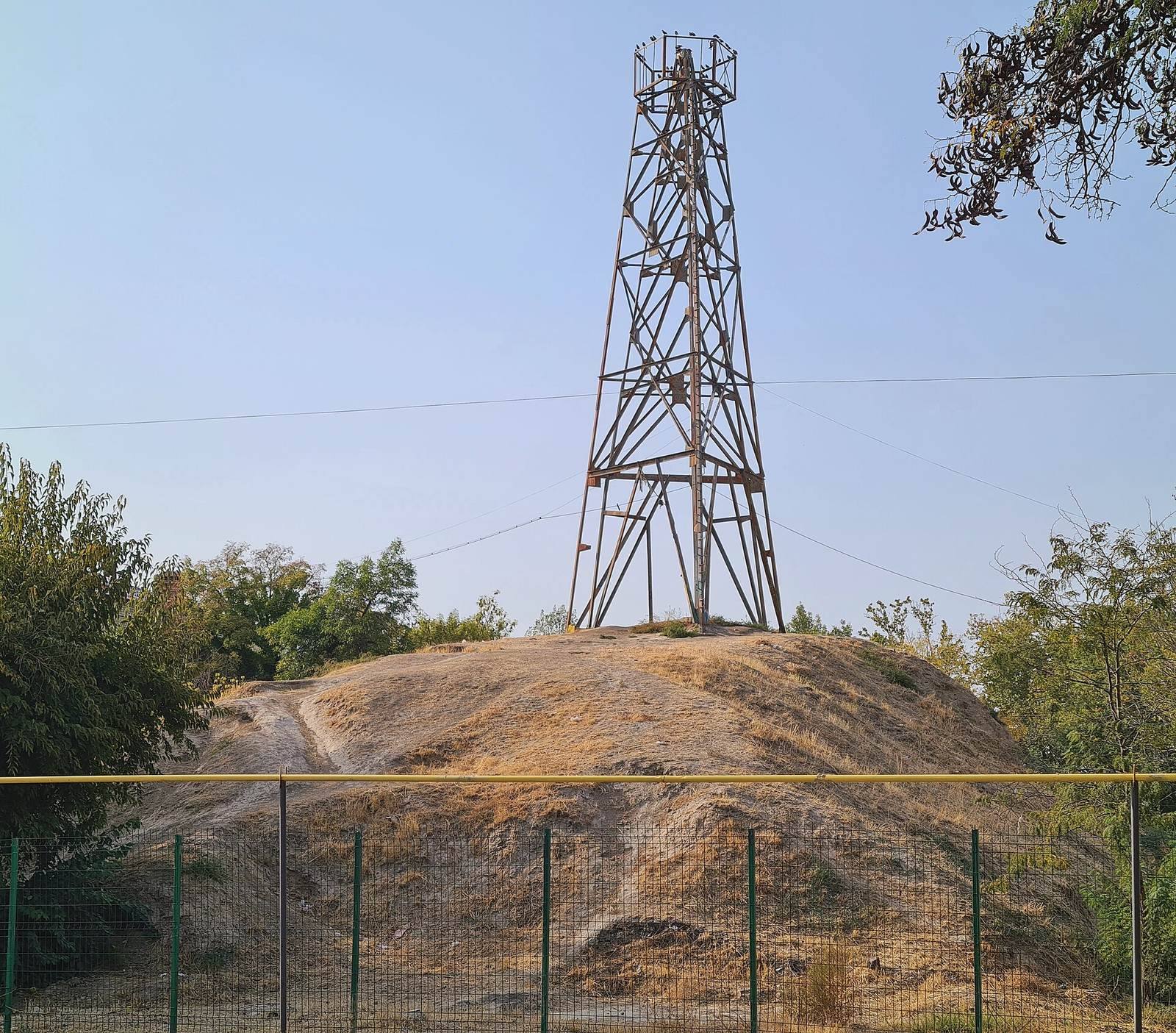
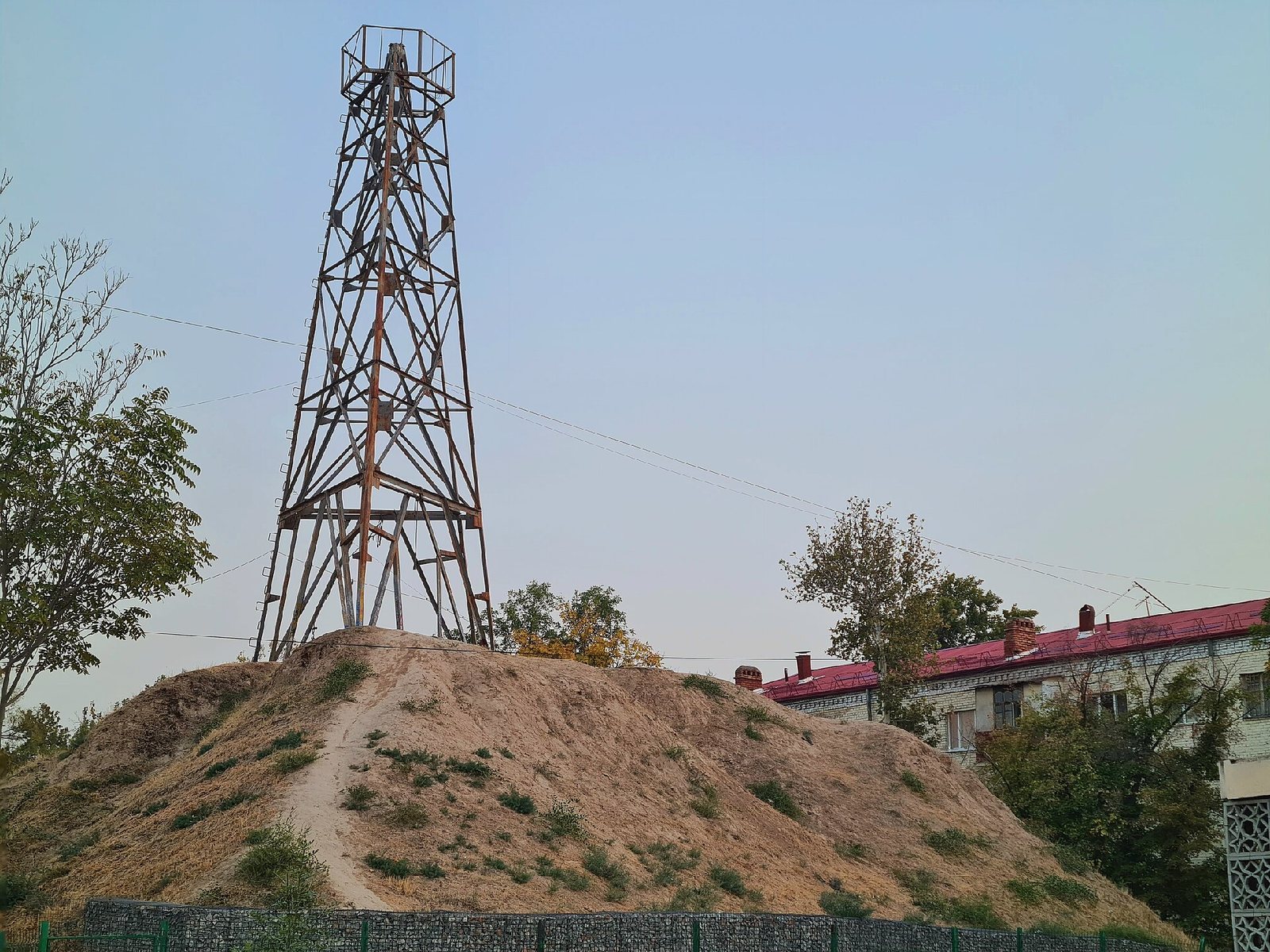
The citadel was a massive complex divided into separate rooms and enclosed by a substantial defensive wall. Built of unfired brick and pakhsa, a compacted-earth building material, it stood directly at ground level, unlike typical koshks, fortified Central Asian palaces or residences that rested on a raised base. Today, a remnant survives as a mound up to six metres high. A segment-shaped cut face exposes walls made of pakhsa and brick.