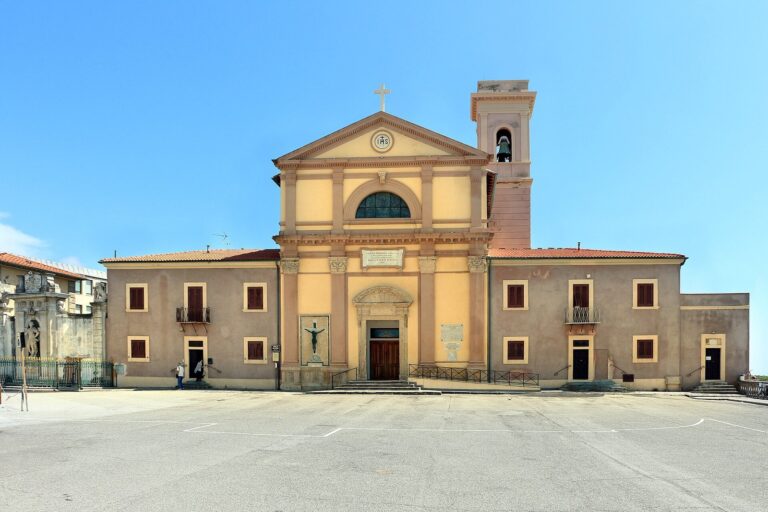
San Sebastiano: A Baroque Church in Livorno, Italy
Site at a Glance
- Popularity
- Low
- Country
- Italy
- Primary era
- Early Modern
- Eras represented
- Early Modern, Modern
- Civilizations
- Grand Duchy of Tuscany, Italian
- Site type
- Religious
- Remains
- Church
On this page9 sections
History
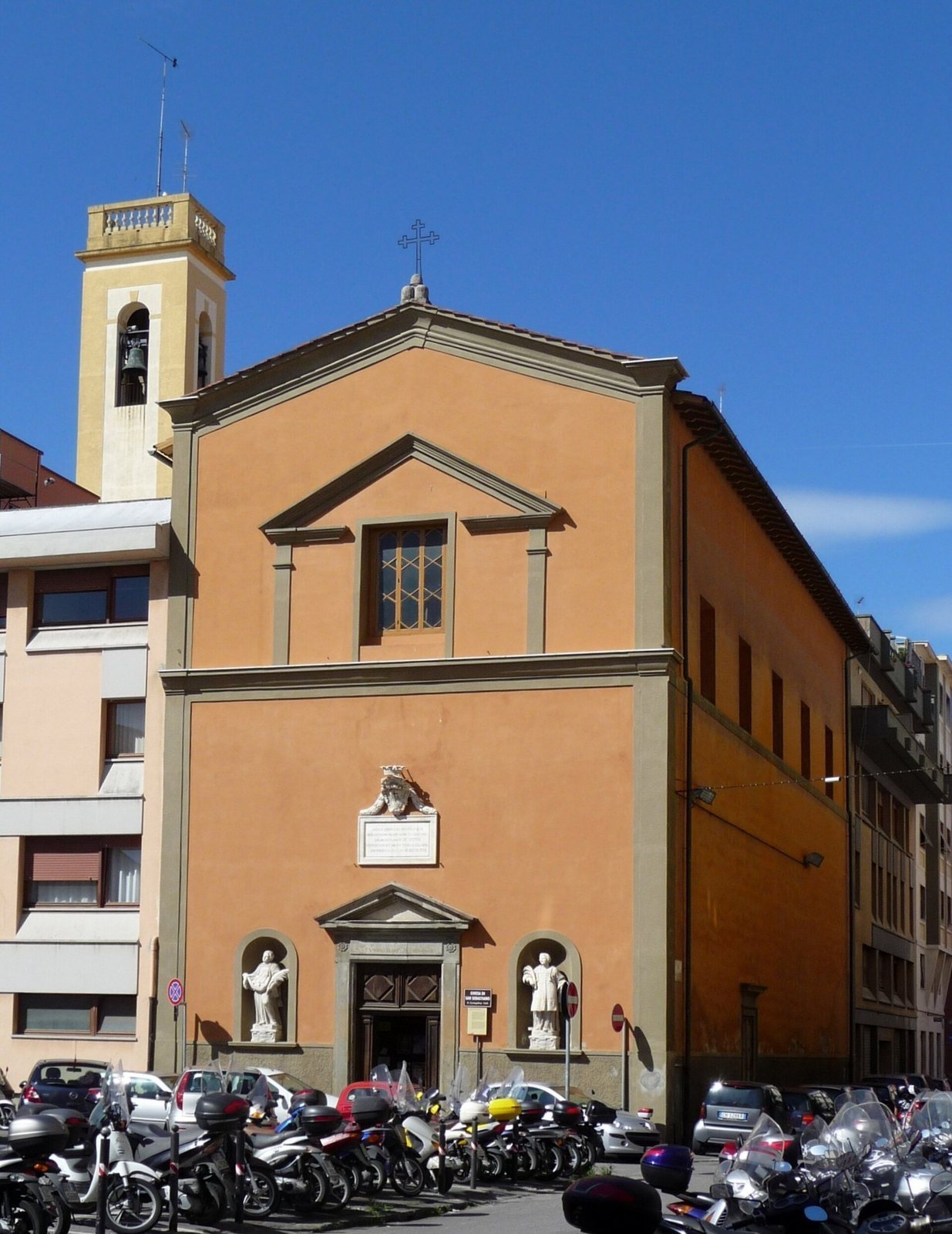
San Sebastiano is a Roman Catholic Baroque church in central Livorno, Italy. Designed by Giovanni Francesco Cantagallina, it was consecrated on 16 August 1633 and dedicated to Saint Sebastian, traditionally invoked for protection against plague, in the aftermath of Livorno’s 1632 epidemic.
Barnabite foundation and education
The Barnabites, a Roman Catholic religious order formally known as the Clerics Regular of Saint Paul, had been present in Livorno since the early seventeenth century. They first occupied a room belonging to the Confraternity of Mercy, then moved to a house near what is now Piazza Grande. A school run by the order opened beside the church in 1650.
Educational activity was suspended in 1783 amid reforms introduced by Grand Duke Peter Leopold, a Habsburg ruler of Tuscany associated with administrative and educational change. Barnabite direction returned in 1792. Under a school reorganization in 1852, lay teachers took charge of the lyceum, an academically oriented secondary school, while the Barnabites retained the grammar-school course, its preparatory division. The order was removed from that course in 1867. Its library of more than 5,500 volumes was transferred to Livorno’s civic Biblioteca Labronica.
Parish, restoration, and wartime damage
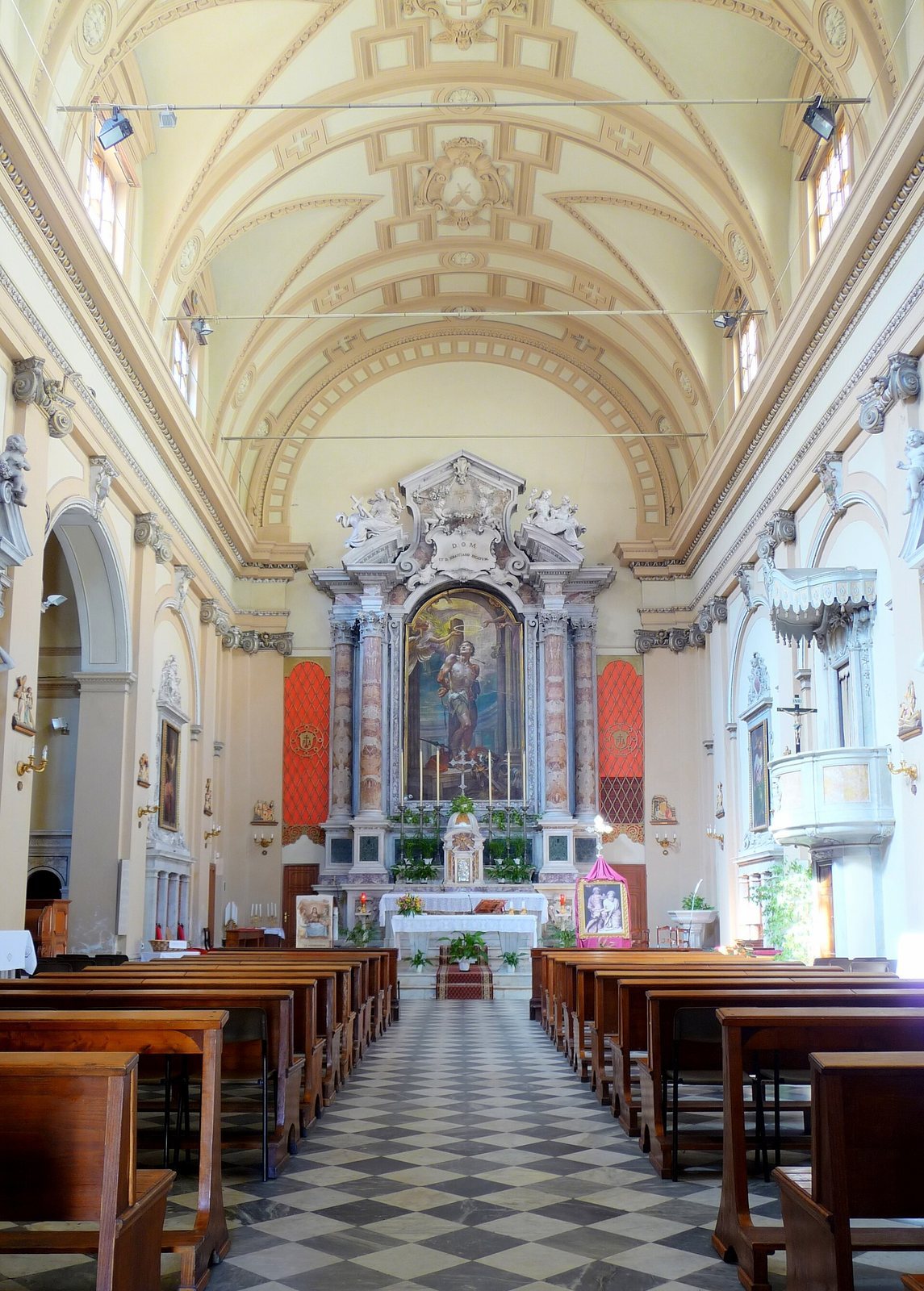
In 1874, the Bishop of the Diocese of Livorno made San Sebastiano a parish. Restoration work removed two side altars and renewed the ceiling paintings; a semicircular choir was later added behind the high altar. During the Second World War, bombing spared the church itself but severely damaged its adjoining premises. Subsequent looting took many sacred artworks from the church.
San Sebastiano belongs to the Roman Catholic Diocese of Livorno and follows the Roman rite. It is entrusted to the Institute of Christ the King Sovereign Priest, a Roman Catholic clerical institute.
Remains
Exterior and layout
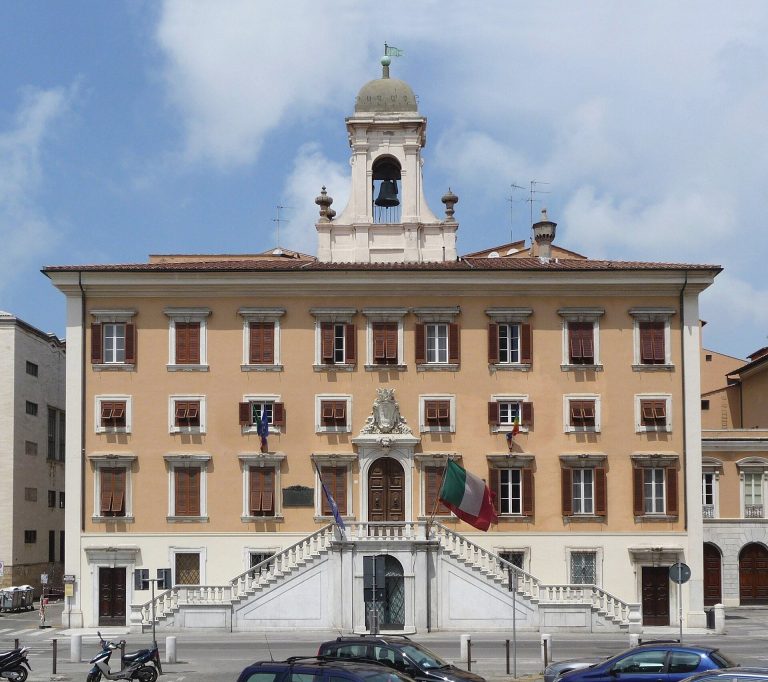
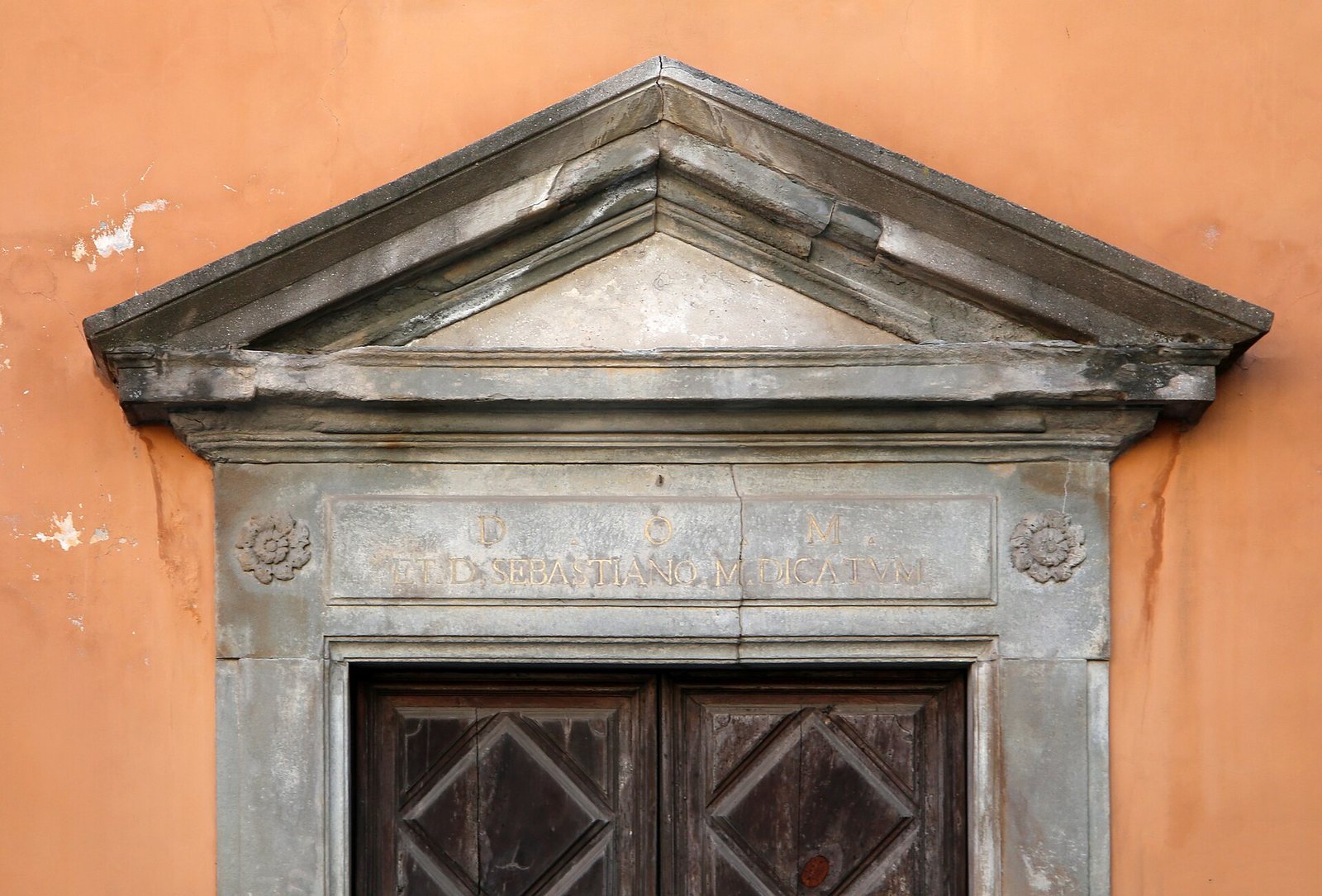
The church combines a simple exterior with a Baroque interior. Its rectangular plan has a single nave and side chapels. On the façade, two large statues of the early Christian martyrs Saint Stephen and Saint Lawrence flank the central doorway.
Interior and devotional works
High altar and Loreto chapel
Marble columns frame the church’s high altar and support semicircular ledges bearing statues of Faith and Charity, Christian virtues represented as figures. The chapel of the Madonna of Loreto faithfully copies the chapel at Loreto, a shrine associated with the Catholic tradition that the Holy House was transported from Nazareth to Loreto. The chapel has existed for more than three centuries, and its high altar holds an ebony image of the Virgin Mary known as the Black Madonna. At the chapel entrance is a sculpted panel depicting the Annunciation, made by Giovanni Dupré and installed during the 1879 restoration.
Paintings and sculpture
Two paintings by Giorgio Vasari, depicting the apostles and evangelists Matthew and John, are in the presbytery, the area around the altar used by clergy. They originally formed part of a group of three panels in the Vatican; the third is now in the church of Santa Caterina. A sixteenth-century Florentine statue of Saint Sebastian is kept in the sacristy, a room used by clergy.
Pipe organ
The organ loft is on the counter-façade, the interior wall opposite the main façade. The Ruffatti brothers built the pipe organ between 1964 and 1967, reusing the case of an earlier Agati-Tronci instrument. It has electric action, meaning electrical controls operate the pipes, and a console on the nave floor. The console has two manuals, or hand-played keyboards, each with 61 notes, and a concave-radial pedalboard with 32 notes. Played with the feet, the board curves inward while its pedals fan outward.
The wooden case has gold-finished relief carvings along its upper ledge and two Ionic pilasters, flat supports attached to the wall with Ionic-style capitals. Its display includes 23 principal pipes, which produce the organ’s characteristic principal tone, arranged in one peaked group. Their mouths have angled upper edges and are aligned horizontally.