Saint Isidor Church in Rostov Veliky: An Orthodox Church over Isidore’s Grave
Site at a Glance
- Popularity
- Medium
- Country
- Russia
- Primary era
- Early Modern
- Eras represented
- Early Modern, Modern
- Civilizations
- Russian
- Site type
- Religious
- Remains
- Church
On this page9 sections
History
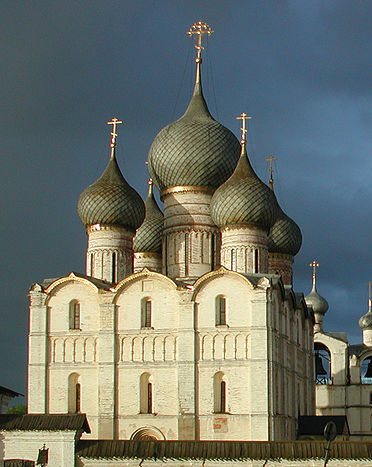
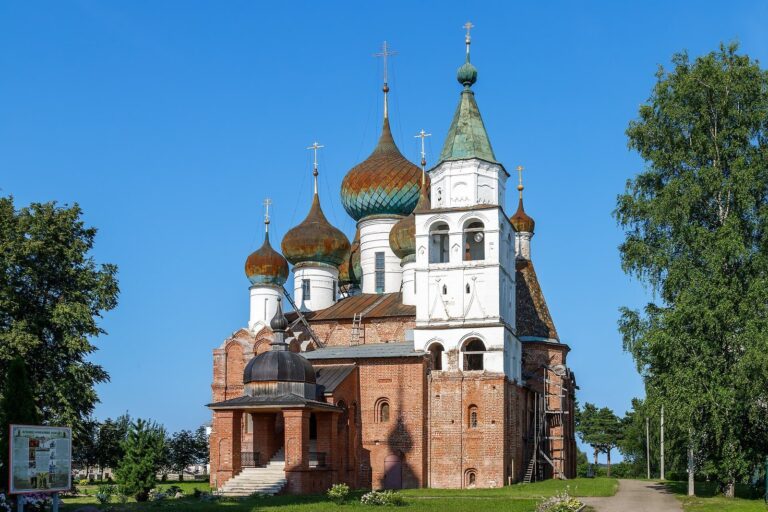
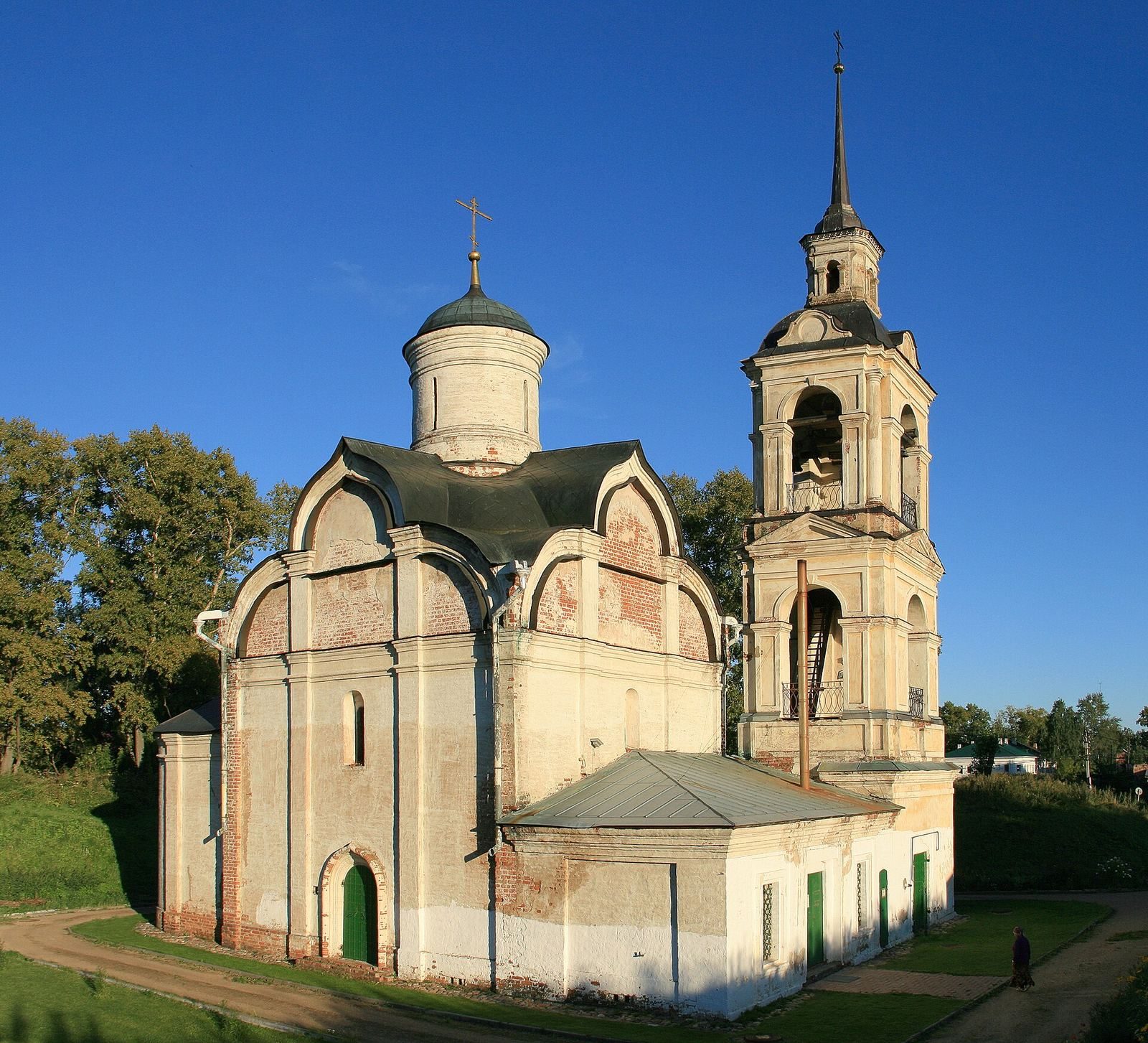
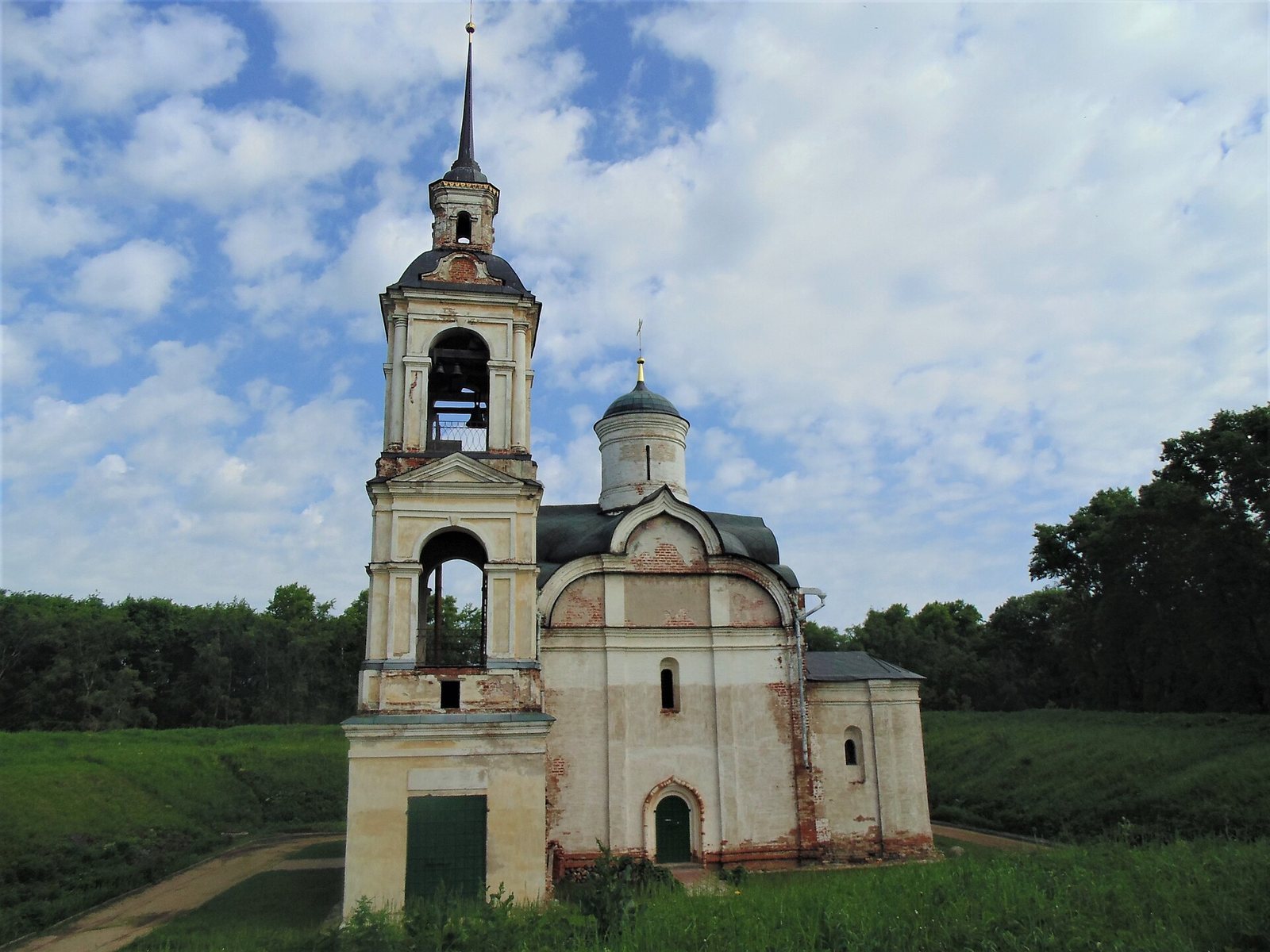
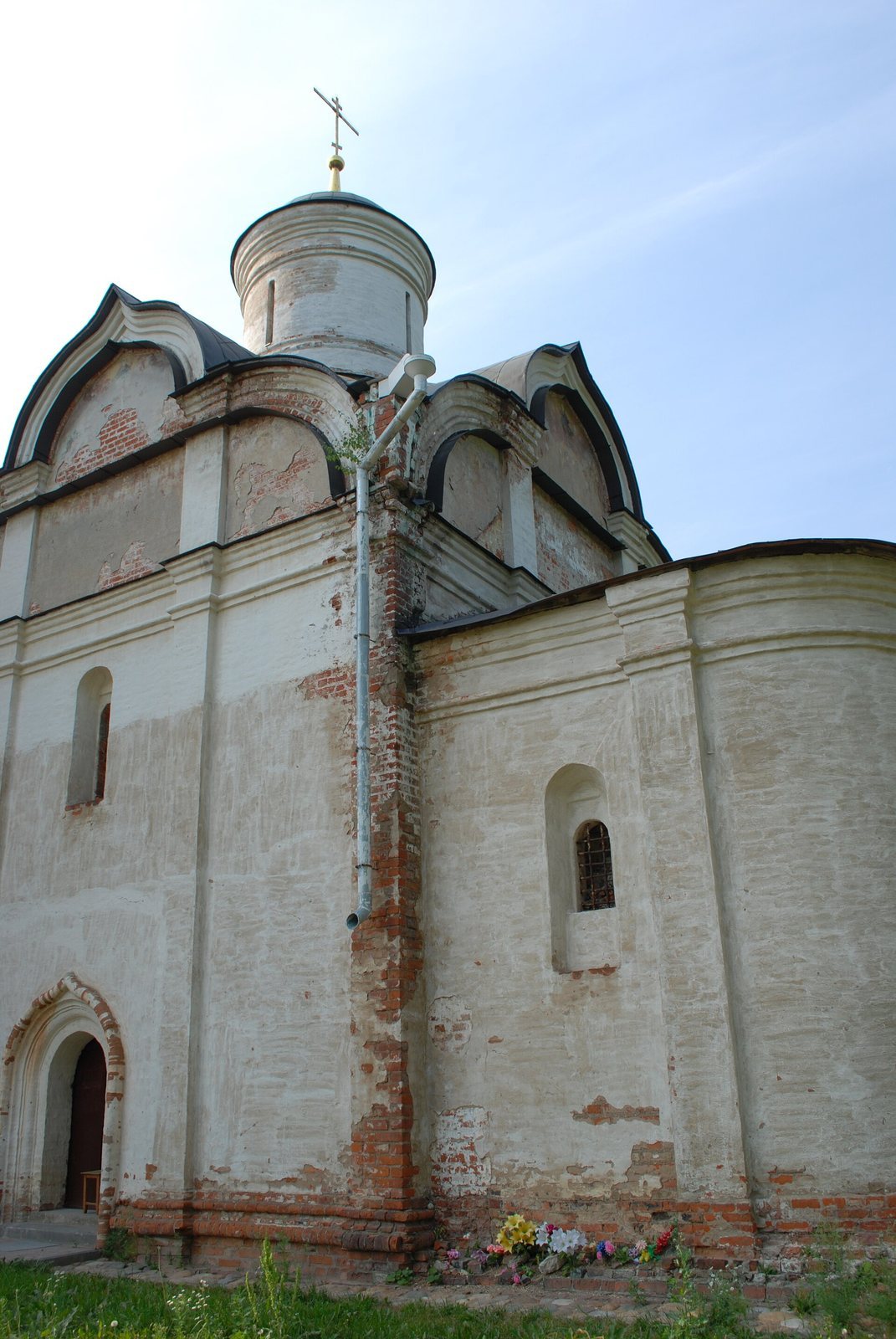
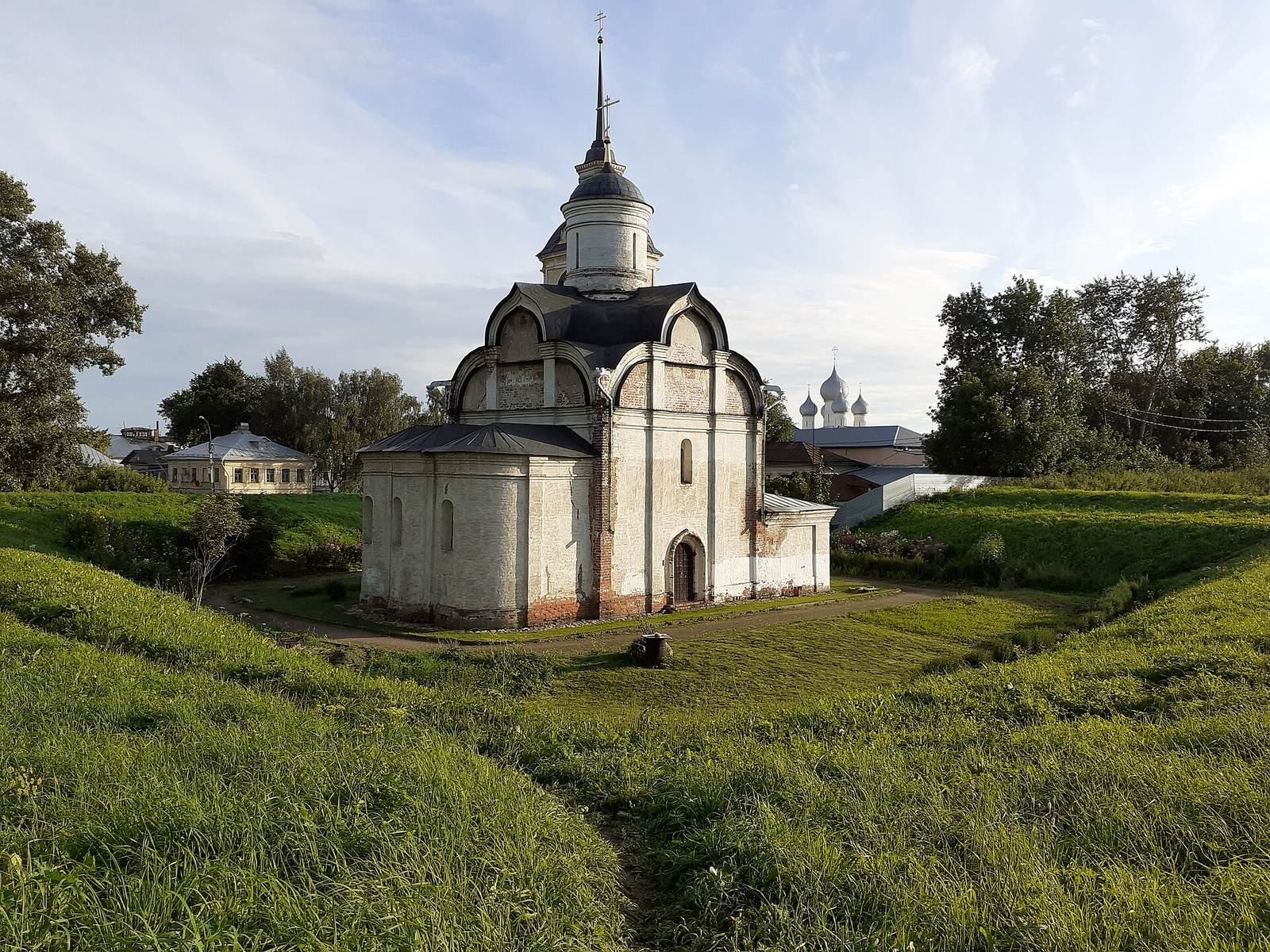
Saint Isidor Church, also called the Church of the Ascension of the Lord on the Ramparts, is an active Orthodox church in Rostov Veliky, Russia, built over the grave of Isidore of Rostov. Isidore is regarded as the first holy fool in Rus, the medieval East Slavic lands and polities. A wooden church was raised over his burial place in 1475, and the stone church was built in 1566 in the Moscow architectural style.
Isidore and the first church
Born near Brandenburg to a noble German Catholic family involved in a crusade, Isidore chose to live in Rus as a young man. He walked to Rostov and settled there, praying in a shelter he made from branches. His unusual appearance and way of life brought mockery and violence, but he was also credited with prophecies believed never to fail and with saving lives. His epithet expressed the belief that his words were always fulfilled.
In one account of his deeds, a crowd threw a merchant into the sea, and Isidore rescued him and returned him to his ship. On another occasion, members of a prince’s household drove him away while the prince received a bishop. The water vessels then emptied. Isidore came back with a prosphora, bread used in Orthodox worship, given to him by the bishop. After Isidore prayed, the vessels filled again. People who feel they have been treated unjustly continue to seek his help.
Isidore died on 14 May 1474 and was buried in the hut where he had lived. A fragrance said to have spread through the area at his death led townspeople to recognize his sanctity. The wooden church built over his grave the following year also became the burial place of three other Rostov holy fools: Stephen, Artemy Tretyak, and Athanasius.
Stone church and later worship
Ivan IV, known as Ivan the Terrible, ordered the stone church in 1566. In 1572 he provided funds and directed that a wooden iconostasis be made. This screen of icons separates the sanctuary from the main worship space, and its royal doors are the central entrance to the sanctuary.
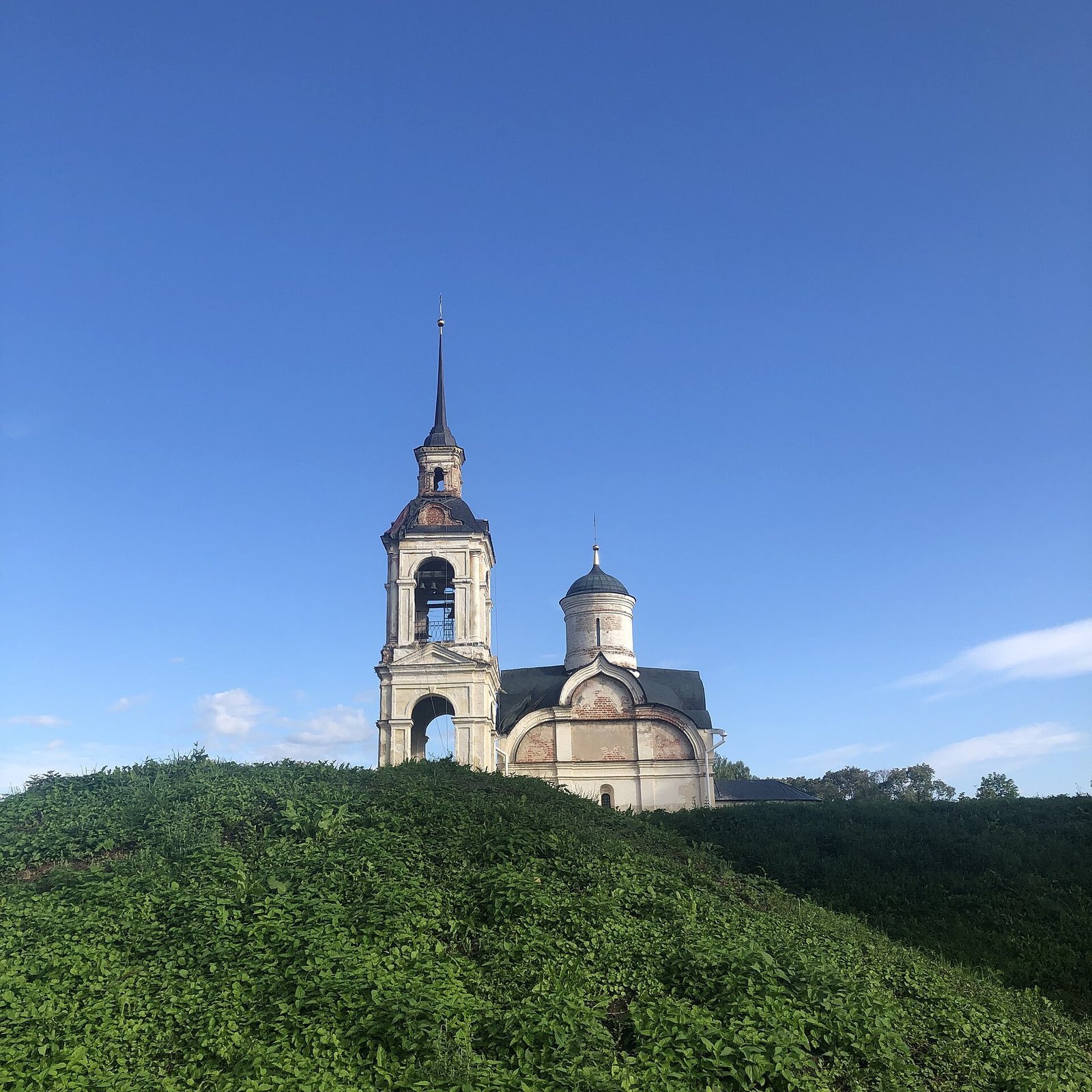
In 1786, the church’s wall paintings were renewed and the iconostasis was removed. During the nineteenth century, a new bell tower replaced an earlier one. A silver shrine for Isidore’s relics was made in 1817 and placed within the church.
Closure and restoration
During the Soviet period, the church was used as a storehouse and later abandoned. Management passed to the Rostov Kremlin Museum in 1930. Restoration began in 1955 with the aim of recovering the church’s original appearance.
The church returned to the Orthodox Church in 2000, and services resumed. Later work included replacing the floor, installing drainage around the building, and restoring the window grilles. New cast bells were acquired in 2008. Restoration has progressed slowly amid financial difficulties. The church is a federal-level cultural heritage site in Russia.
Remains
The stone church is the central structure of the site. Its spacious interior follows a cross-domed plan, organized around a central dome and crossing arms. Interior paintings and later structures, including a bell tower and features associated with the outer courtyard, contribute to the church’s architectural history.
Church and associated structures
Architectural form
The church follows the Moscow architectural style and is attributed to Andrey Maloy. An inscription on a church wall credits him with making the building and identifies him as a master of the grand prince, a high-ranking ruler in the medieval East Slavic world.
Worship space and paintings
The main altar is dedicated to the Ascension of the Lord, while a side chapel is dedicated to Isidore. The Ikonnikov brothers painted the walls in the Baroque style, an ornate style that developed in Europe in the early modern period. Some paintings survive as frescoes, paintings made on wet plaster. The silver shrine for Isidore’s relics, made in 1817, was placed beneath an arch between the church’s cold, unheated section and its warm, heated section.
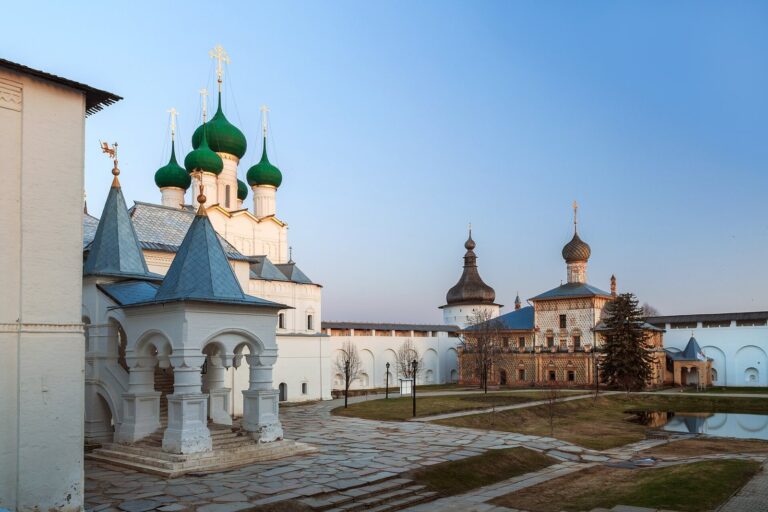
Bell tower and courtyard features
A nineteenth-century bell tower took the place of an older one. Beside the church, a two-storey stone house for church servants was built in 1836. Stone gates were erected in 1845 at the entrance to the outer courtyard. Photographs preserve views of the house and gates.