Torre dei Conti: A Medieval Fortified Tower in Rome
Site at a Glance
- Popularity
- Very High
- Country
- Italy
- Primary era
- Medieval
- Eras represented
- Classical, Medieval, Early Modern, Modern
- Civilizations
- Papal States, Roman
- Site type
- Military
- Remains
- Tower
On this page8 sections
History
Medieval foundation and enlargement
Torre dei Conti is a medieval fortified tower in Rome, Italy, first established as a fortified structure in 858 by Pietro dei Conti of Anagni. The work took place during the papacy of Nicholas I, who held office from 858 to 867. The tower was enlarged from 1203, and the project was completed in 1216, the year Pope Innocent III died.
The enlargement is associated with Innocent III and his family, the Conti of Segni, though it may instead have been carried out for his brother Richard, Count of Sora. The tower stood along the boundary of territory held by the rival Frangipani family. Its original height gave it the name Torre Maggiore, meaning “Major Tower.” Fourteenth-century Italian poet and scholar Francesco Petrarch praised it as a tower without equal in the world.
Earthquake damage and repairs
A series of earthquakes in 1348–49 destroyed the tower’s upper floors and made it uninhabitable. It remained abandoned until 1620, when the Apostolic Camera, the papacy’s administrative and financial institution, undertook restoration. Further earthquakes damaged the building in 1630 and 1644. Pope Alexander VIII, whose pontificate lasted from 1689 to 1691, oversaw repairs late in the seventeenth century.
Urban change and modern use
The opening of Via Cavour in the late nineteenth century and Via dei Fori Imperiali under Benito Mussolini’s Fascist dictatorship left the tower isolated from surrounding buildings. In 1937 Mussolini gave it to the National Federation of Arditi of Italy, an organization associated with the movement of Italian assault troops; the federation occupied it until 1943. The following year, the hall of the Temple of Peace associated with the tower was converted into a mausoleum for General Alessandro Parisi, the federation’s leader, who had died in a car accident.
The tower housed public offices until it was vacated in 2006. Restoration and refitting began in 2022, with the intended purpose of creating a museum and service center for the Imperial Fora. On 3 November 2025, the tower partially collapsed during the work. Two collapses occurred within about 90 minutes and caused substantial damage inside. Three workers were rescued. Octay Stroici was pulled from the rubble after 11 hours and died after being taken to hospital. Reinforcements had been added by 2026. Torre dei Conti is designated an Italian National Monument.
Remains
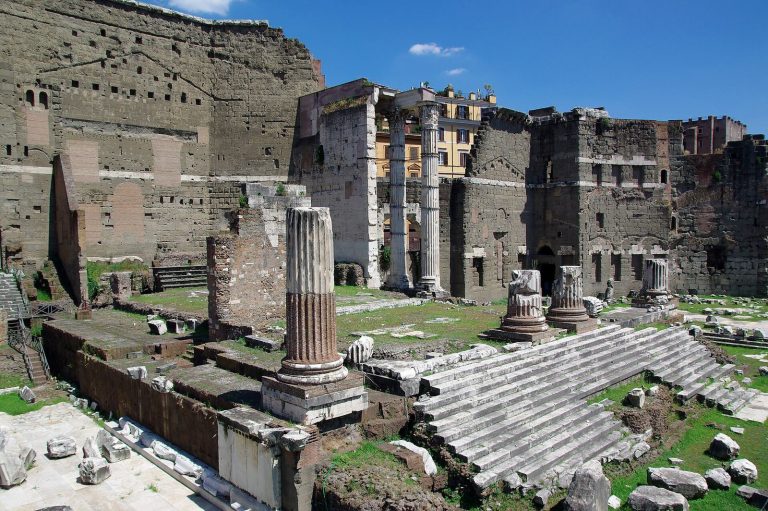
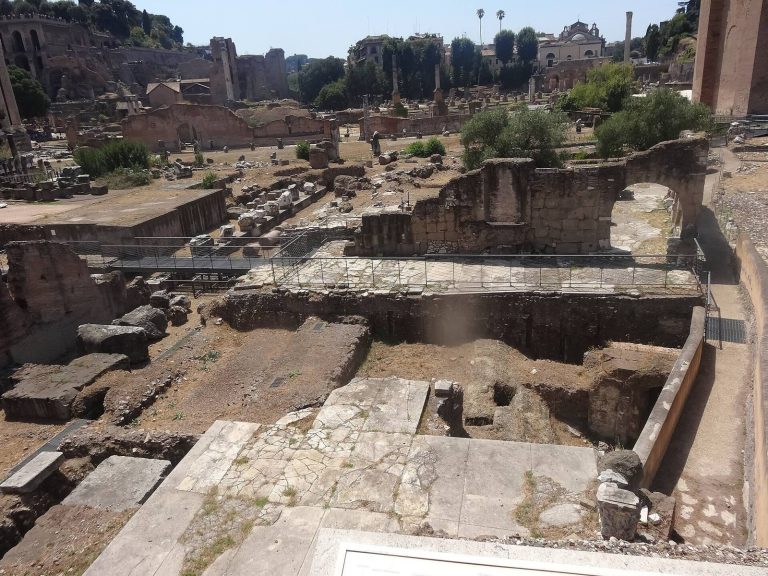
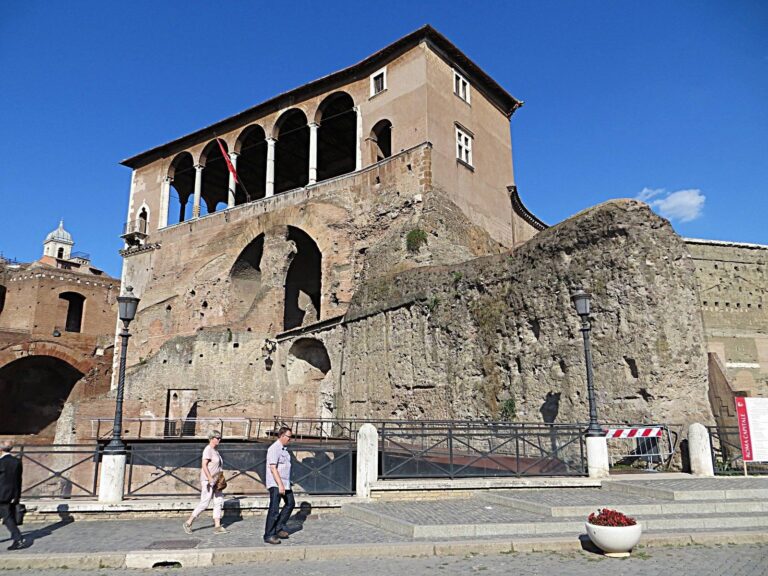
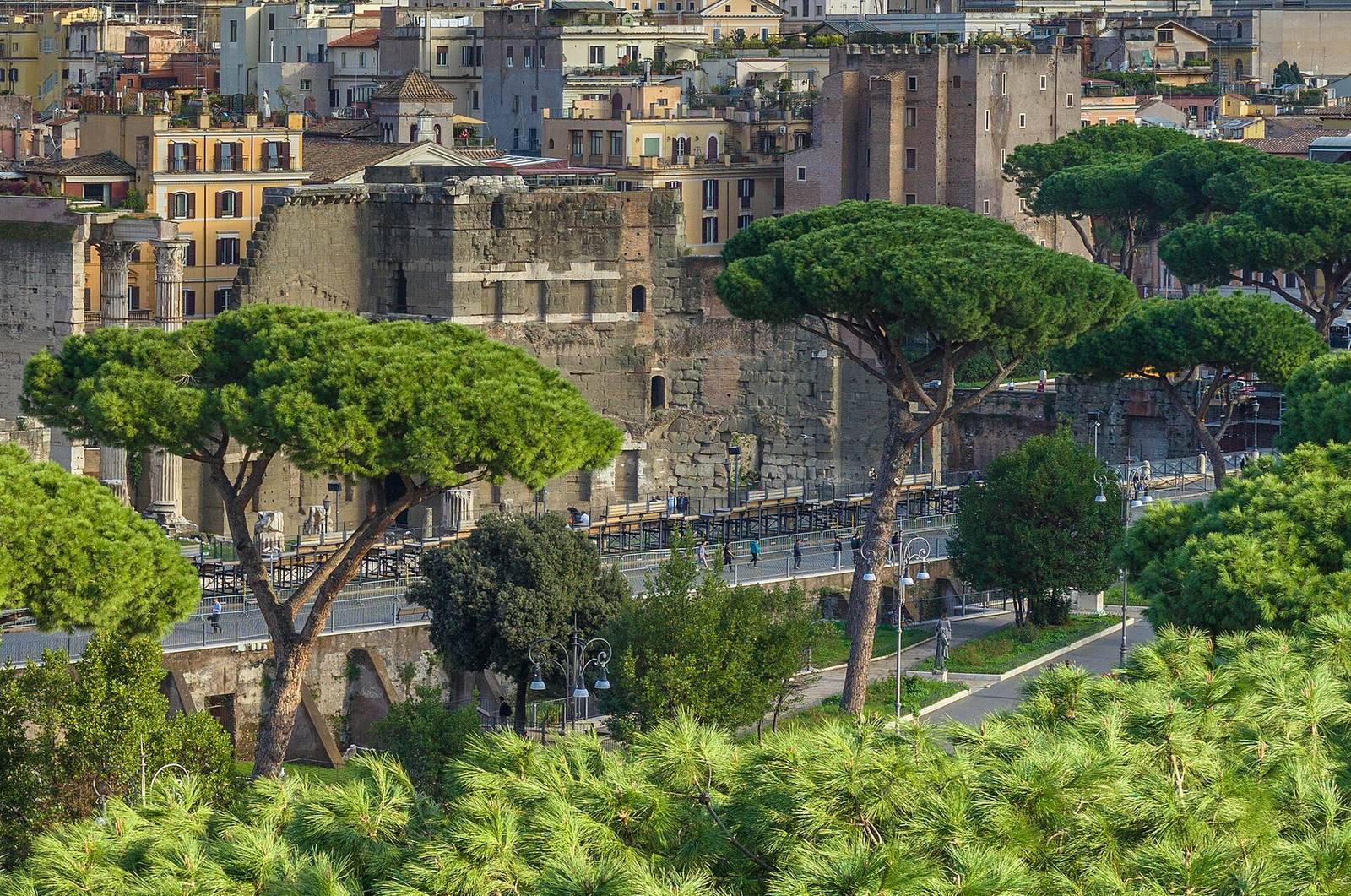
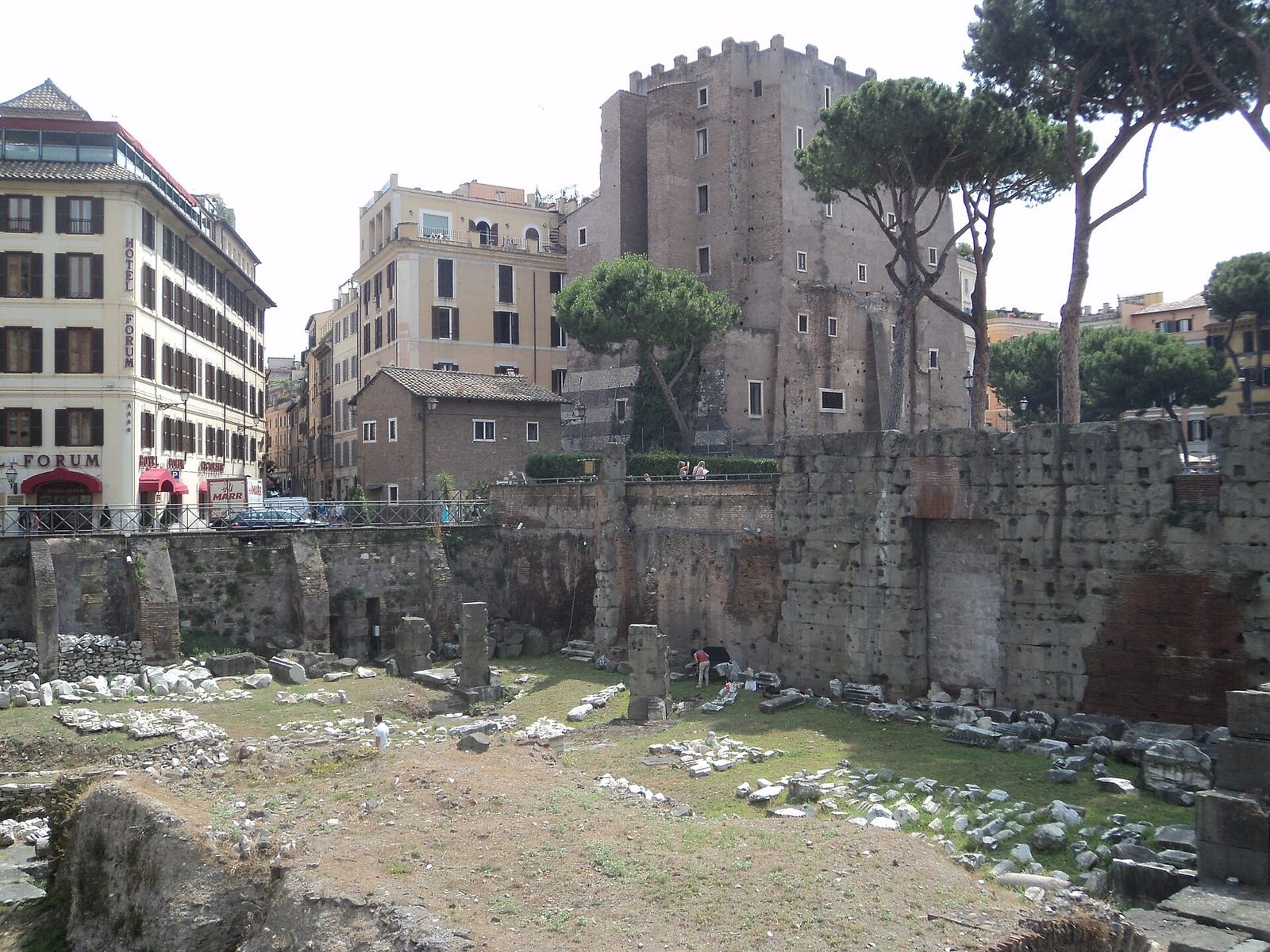
The tower stands at Largo Corrado Ricci, near the Colosseum and Roman Forum, within the Imperial Fora, a group of Roman civic and monumental complexes. It was built over one of the semicircular recesses in the covered colonnade of the Temple of Peace, whose hall walls support it.
Principal remains
The tower
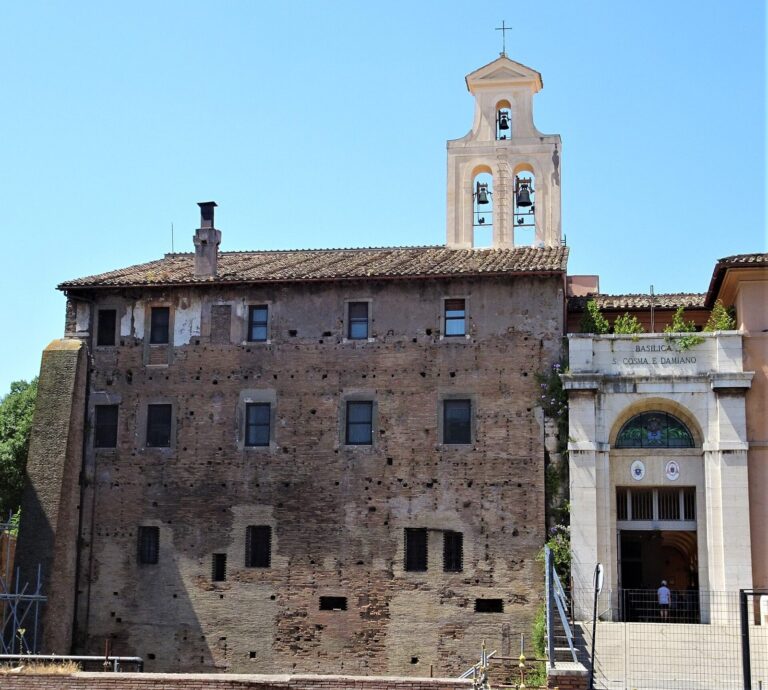
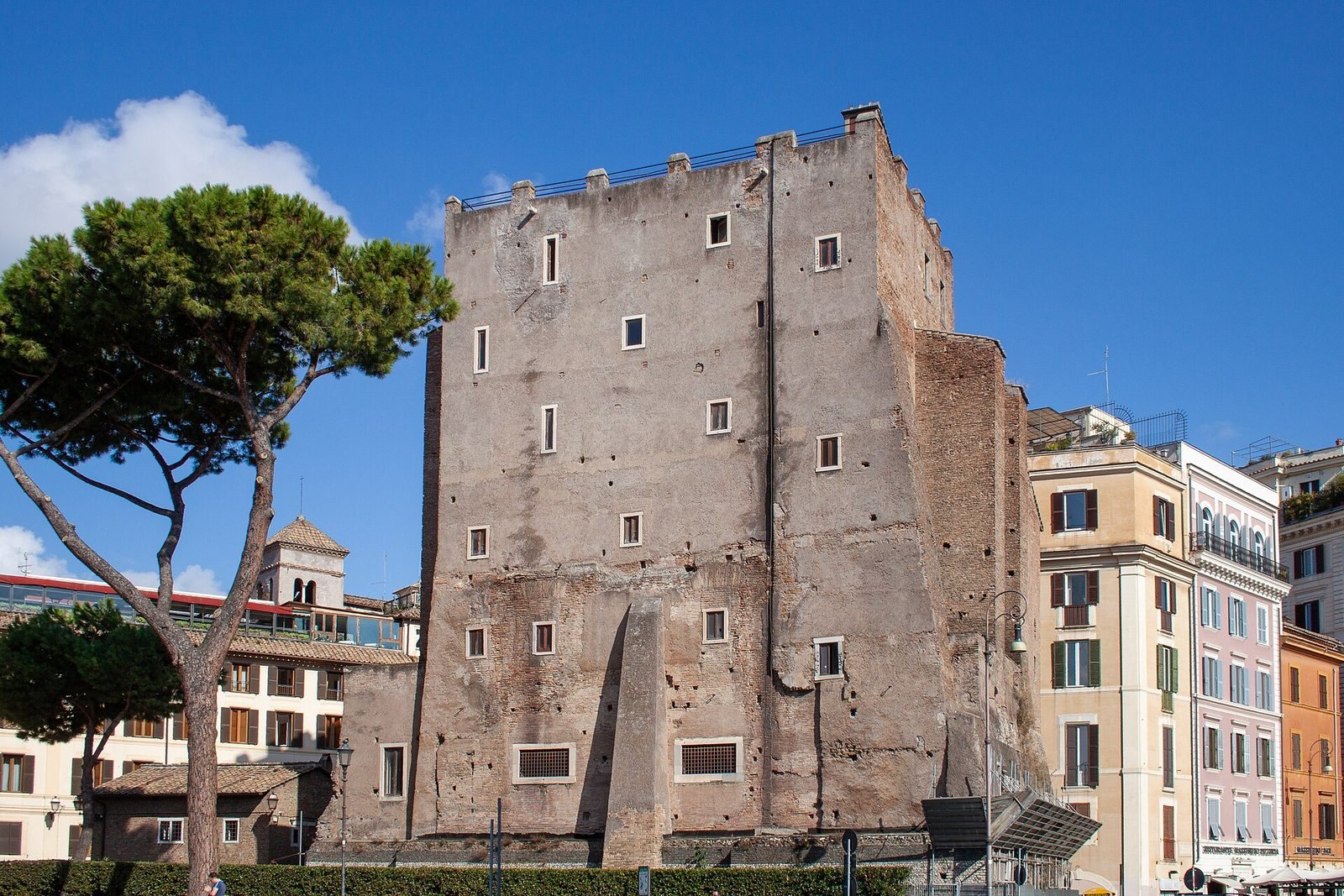
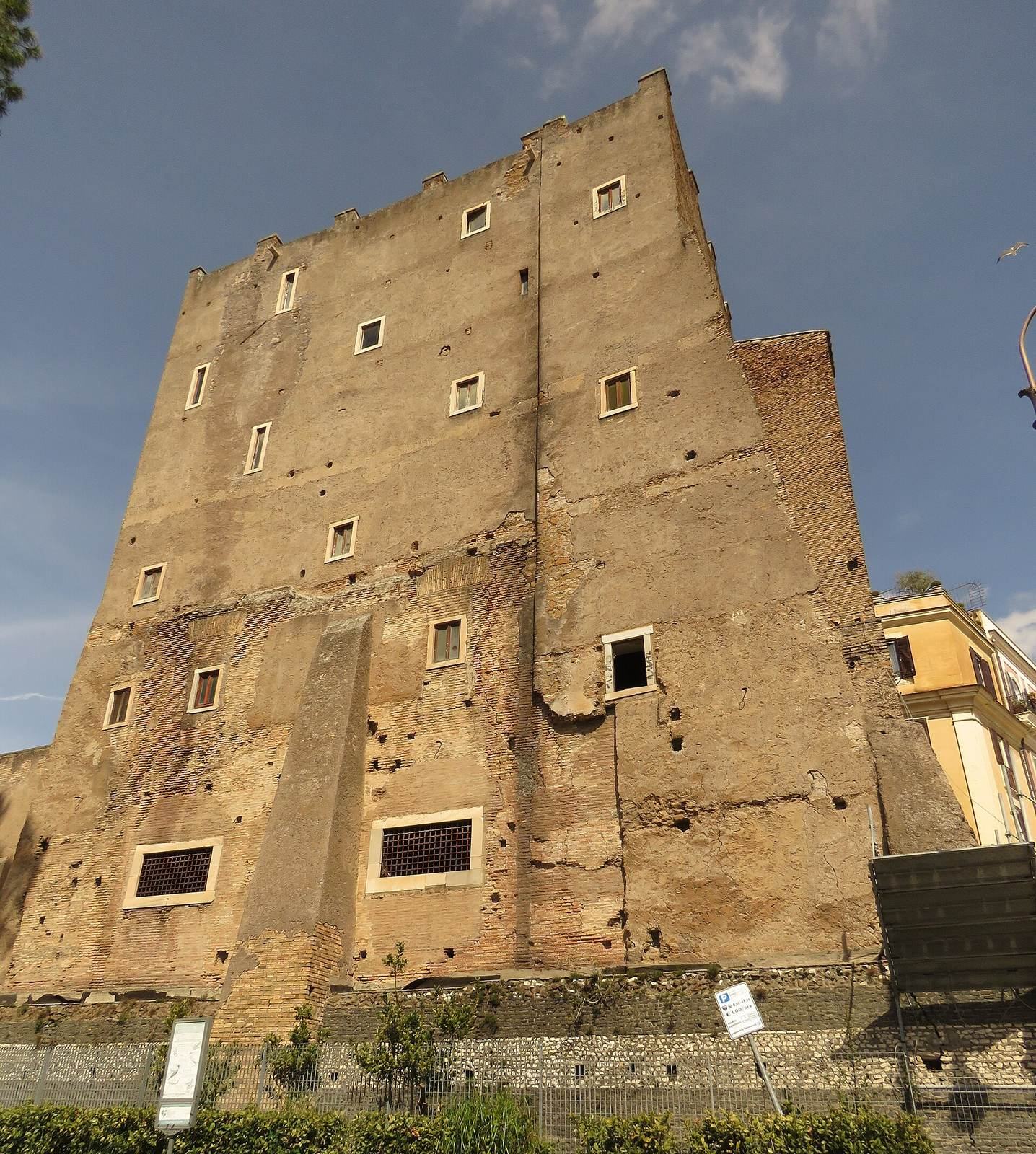
The tower now stands 29 metres high; its original height is estimated at 50 to 60 metres. It was once faced with travertine, a limestone commonly used in Roman construction, taken from the nearby Imperial Fora. The facing was removed in the sixteenth century for use in building Porta Pia. Two projecting supports were added during strengthening work in the late seventeenth century. The structure has visible damage, and reinforcements had been installed by 2026.
The Temple of Peace hall
The hall associated with the tower contains the remains of General Alessandro Parisi in an ancient Roman sarcophagus.