Palike: An Ancient Sicel City and Sanctuary in Sicily
Site at a Glance
- Popularity
- Medium
- Country
- Italy
- Primary era
- Classical
- Eras represented
- Iron Age, Classical
- Civilizations
- Unclassified
- Site type
- City
On this page11 sections
History
Palike was an ancient Sicel city and sanctuary site at Rocchicella, in the territory of Mineo, Sicily, Italy. Diodorus Siculus, a Greek historian, says that Ducetius, a leader of the island’s indigenous Sicel people, refounded the city in 453 BCE. Ducetius fortified Palike and made it the capital of a Sicel federation, with the nearby sanctuary of the Palici serving as the federation’s seat. The city grew quickly, helped by the fertility of the surrounding land.
Ducetius and the sanctuary of the Palici
Palike took its name from the nearby sanctuary. The Palici were twin deities of indigenous Sicilian tradition who became part of the Greek pantheon. In myth, they were born to Zeus and the nymph Thalia. Rituals at their sanctuary beside the lake included priests’ divinations and ordeals.
Trinakie and the city’s end
Some historians have proposed that Palike was also known as Trinakie, either after a change of name or as the name of its acropolis. Trinakie was an ancient indigenous name for Sicily, fitting the political ambitions of the Sicels. The identification partly rests on a proposed correction to a passage about a Syracusan campaign, reading “against the men of Palici” instead of “against the Picenians.”
Palike was probably destroyed and abandoned around 440 BCE, after Syracuse destroyed Trinakie and Ducetius’s political program failed. Ducetius had died of illness earlier that year. In his history, completed around 60 BCE, Diodorus describes Palike as uninhabited.
Later identification and investigation
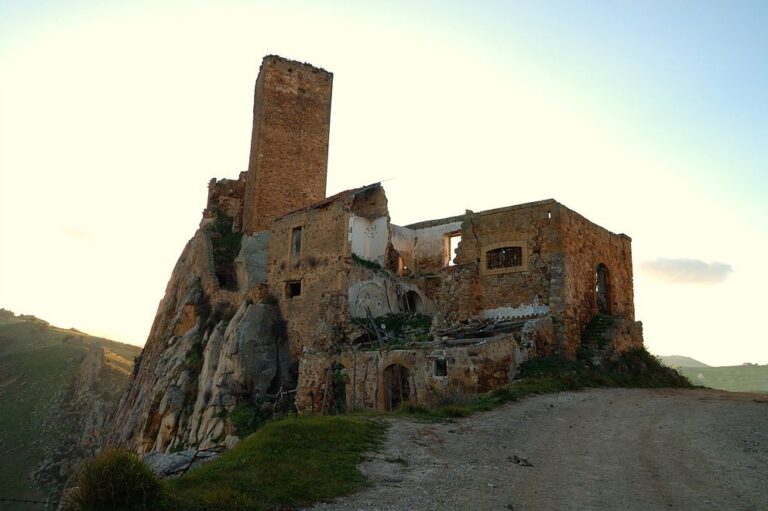
Some historians consider Palike a predecessor of modern Palagonia and interpret that town’s name as Palica Nea, meaning “New Palica.” Excavations at Palike began in 1995 under the Superintendency of Cultural and Environmental Heritage of Catania. The Sicilian Region later acquired the area.
Remains
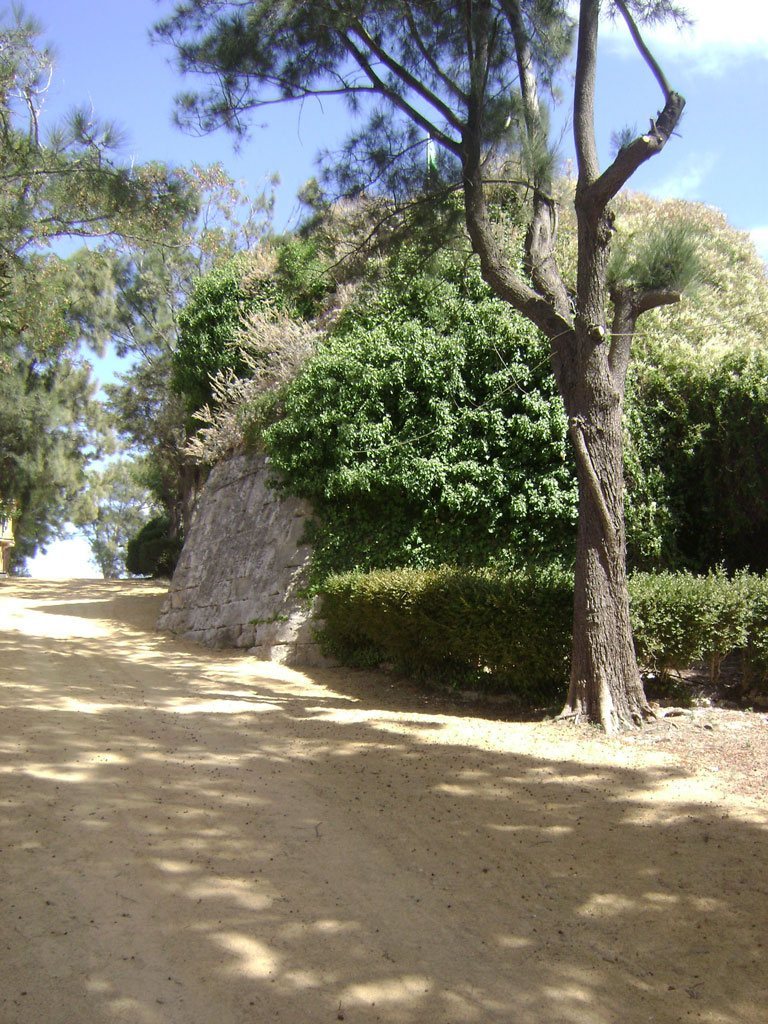
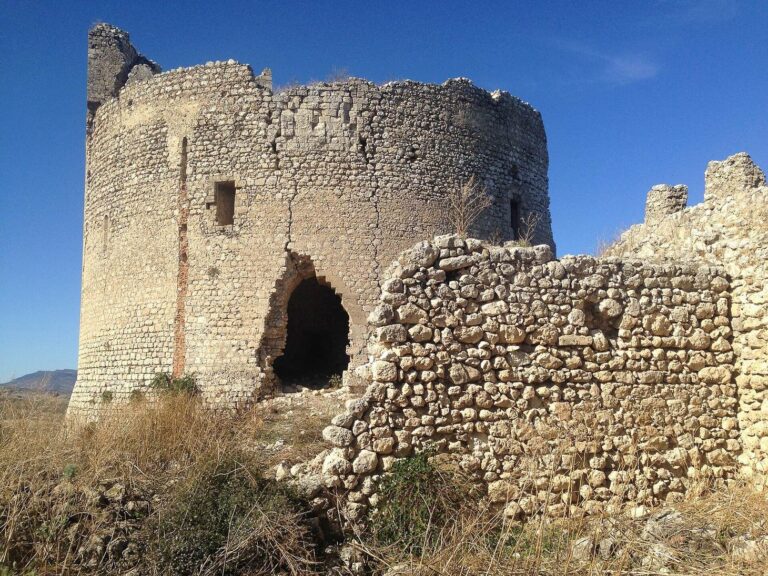
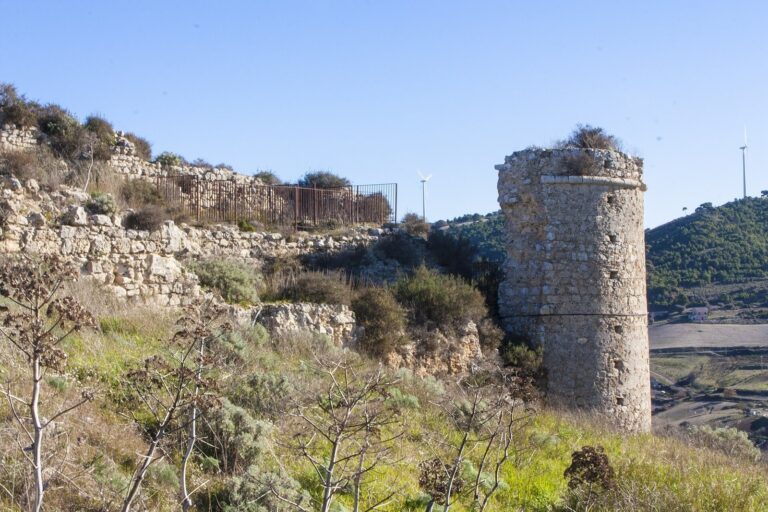
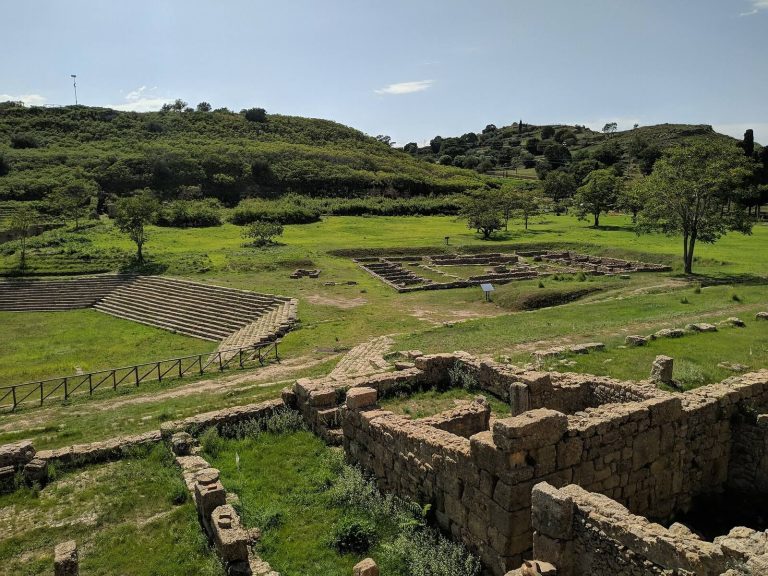
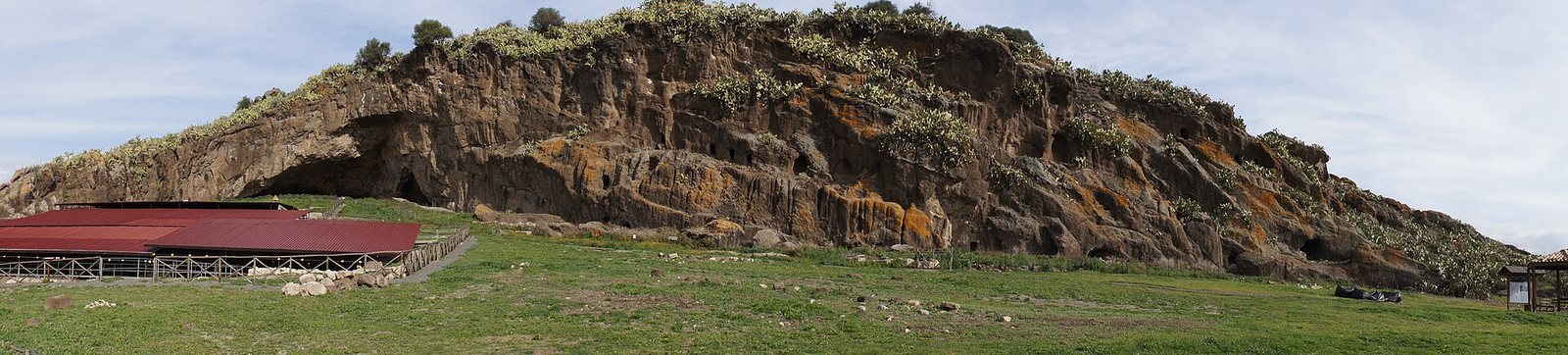
The archaeological site occupies a basalt spur beside the Margi River valley, on high ground overlooking a plain near Palagonia. The site covers 197 m², and strong walls enclosed the ancient city. A small museum or exhibition space at the site displays a selection of finds from excavations.
Terraced sanctuary
Banqueting hall
The sanctuary’s earliest structures date to the Archaic period. It was rebuilt on a monumental scale in the fifth century BCE, probably on Ducetius’s initiative, and arranged across terraces. A banqueting hall occupied the upper terrace and was used chiefly for meals following religious sacrifices.
Lower porticoes
Two porticoes, or covered walkways, stood on lower terraces of the sanctuary complex.
Cave and Lake Naftia
Archaeological layers near the cave
At the foot of the rocky height, archaeological layers in the area before a cave span periods from the Mesolithic to the medieval era of the Hohenstaufen dynasty.
Lake Naftia
The sanctuary is associated with the small Lake Naftia. Gases from the lake are exploited industrially.