Chiesa delle Anime del Purgatorio: A Baroque Church in Trapani
Site at a Glance
- Popularity
- Medium
- Country
- Italy
- Primary era
- Early Modern
- Eras represented
- Early Modern, Modern
- Civilizations
- Italian, Kingdom of Sicily, Spanish
- Site type
- Religious
- Remains
- Church
On this page7 sections
History
The Chiesa delle Anime del Purgatorio, or Church of the Souls in Purgatory, is a Baroque Catholic church in Trapani, Italy, whose construction began in 1688 during Spanish rule in Sicily. In Catholic teaching, purgatory is a state of purification after death before entry into heaven.
Construction and commemoration
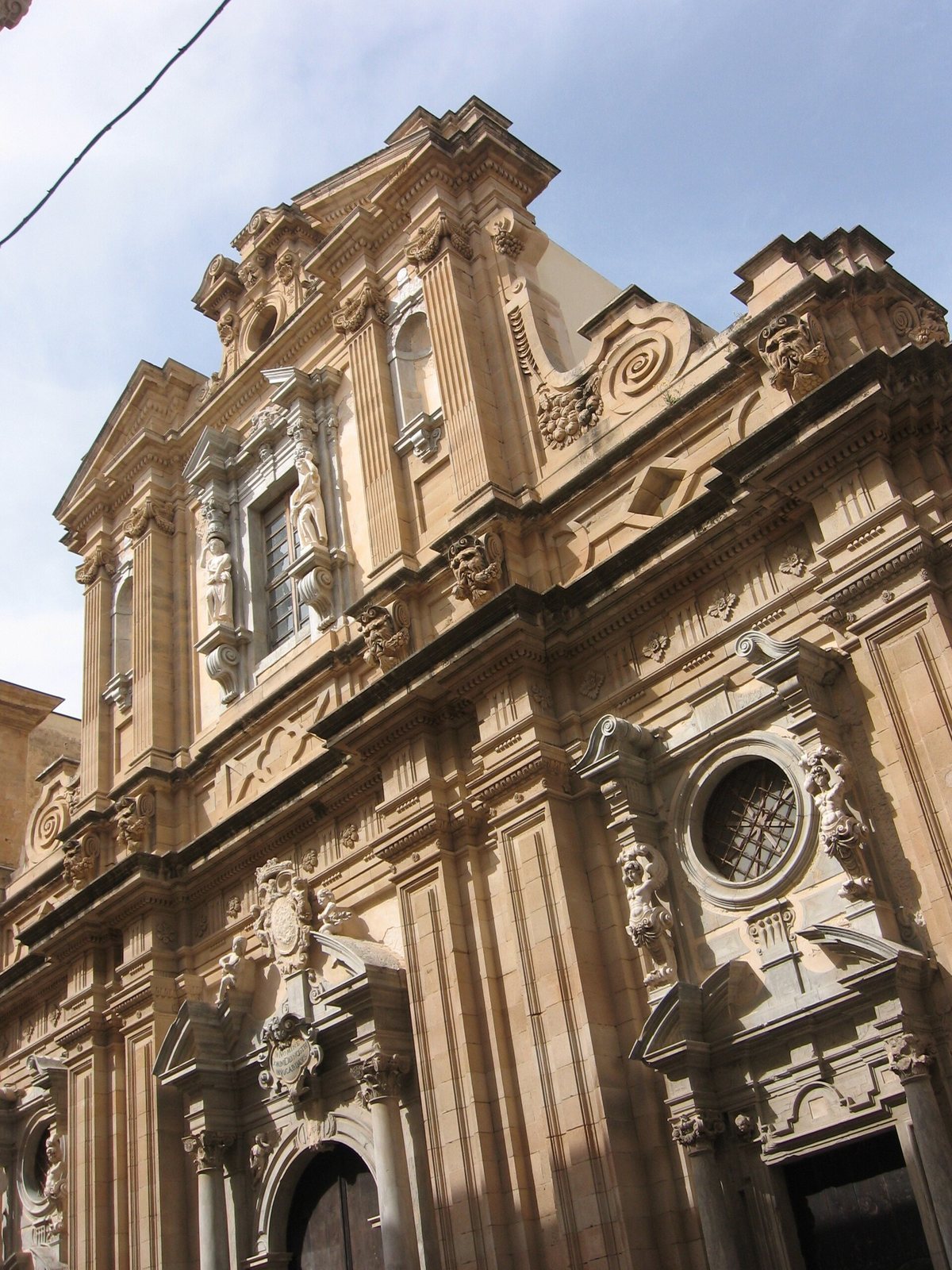
The church followed a design by Pietro Castro, also known as Pietro Lo Castro. Its facade, dated to 1712, was designed by Trapani architect Giovanni Biagio Amico. The church belongs to the Diocese of Trapani, a territorial jurisdiction of the Catholic Church.
Amico was buried in the church. In 1975, the Confraternity of St Michael the Archangel, a religious association supporting devotional activities, placed a marble plaque in his memory.
War damage and religious use
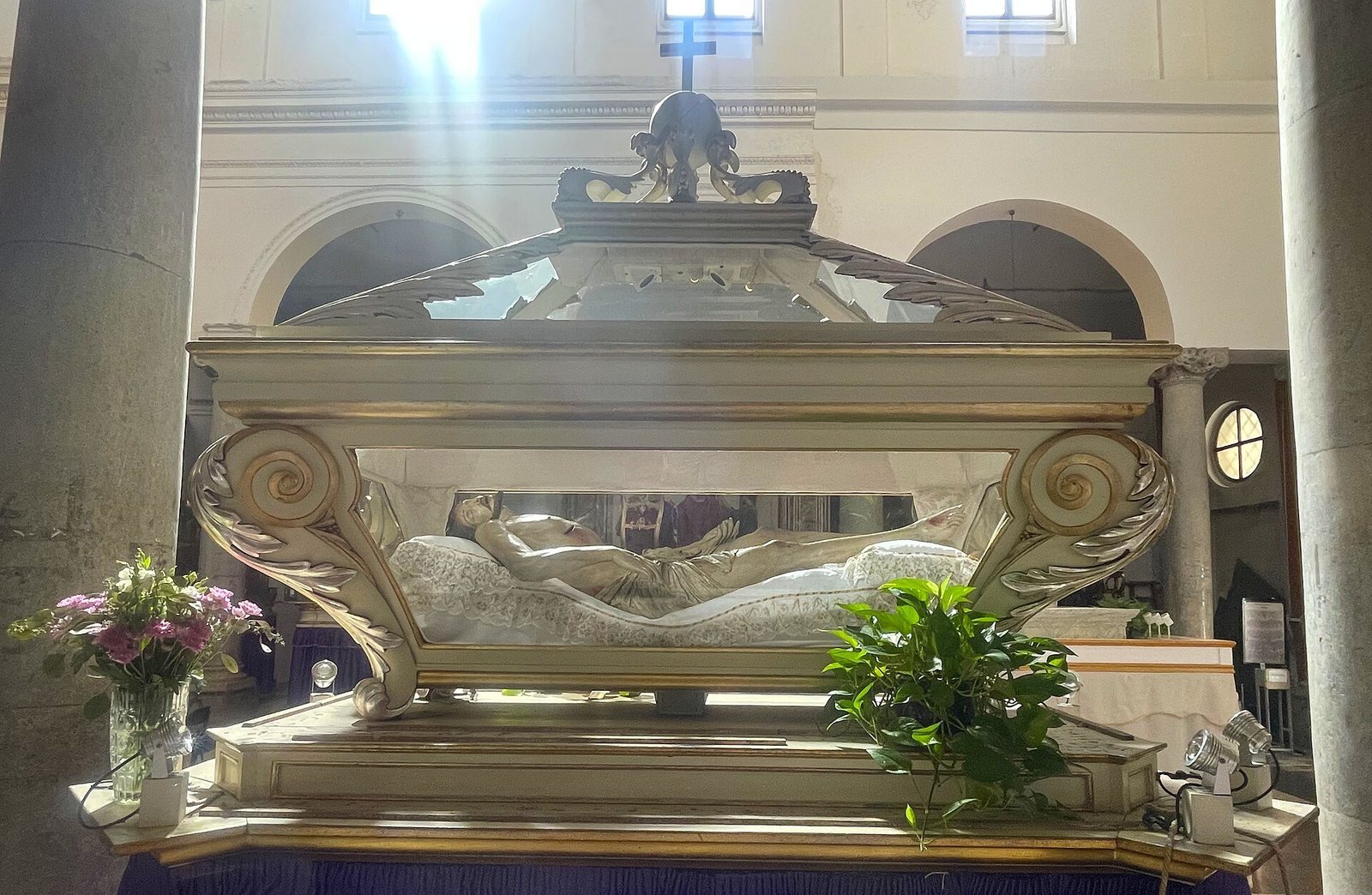
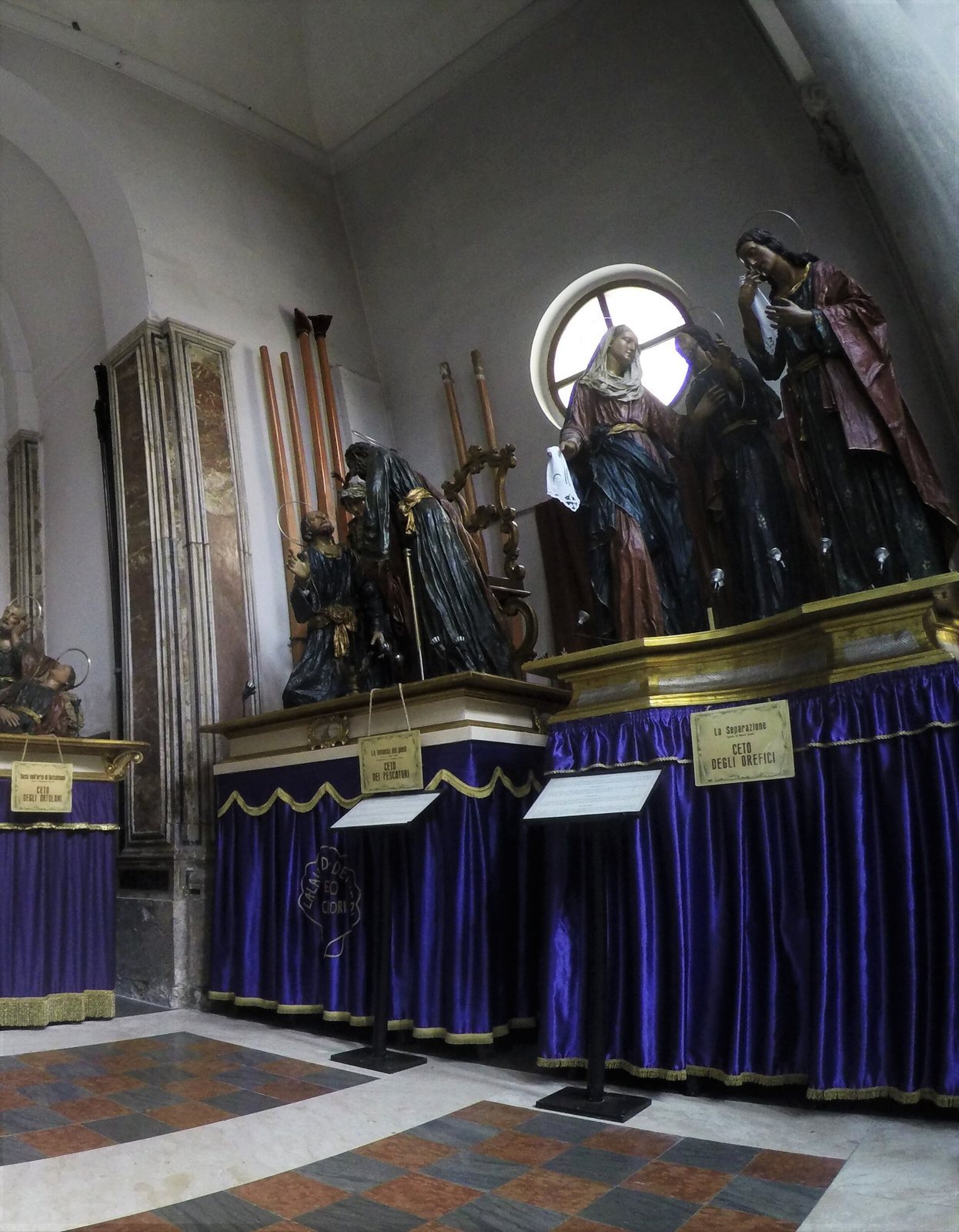
Bombing during the Second World War damaged the church, which reopened for worship in 1962. It houses the twenty sculptural groups used in Trapani’s centuries-old Procession of the Mysteries, a Holy Week procession depicting episodes from Christ’s Passion.
Remains
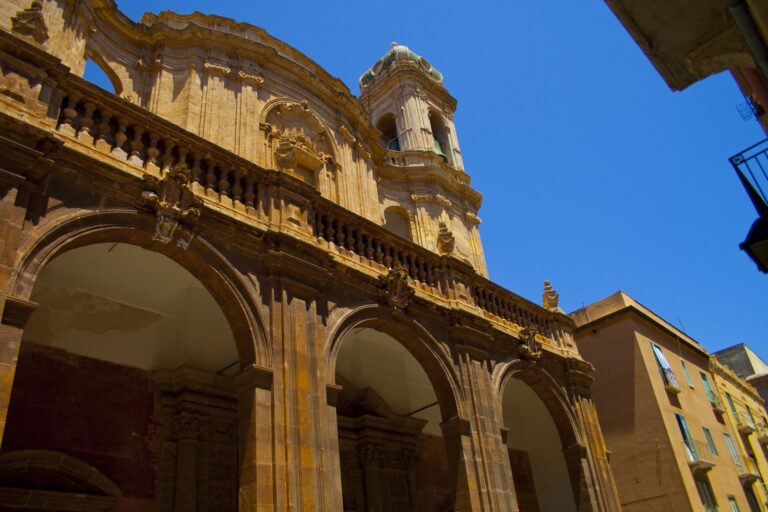
The church combines a Baroque facade with an interior arranged on a Latin-cross plan, with a main body crossed by a transept. Its chapels and smaller recessed spaces form part of this interior layout.
Facade
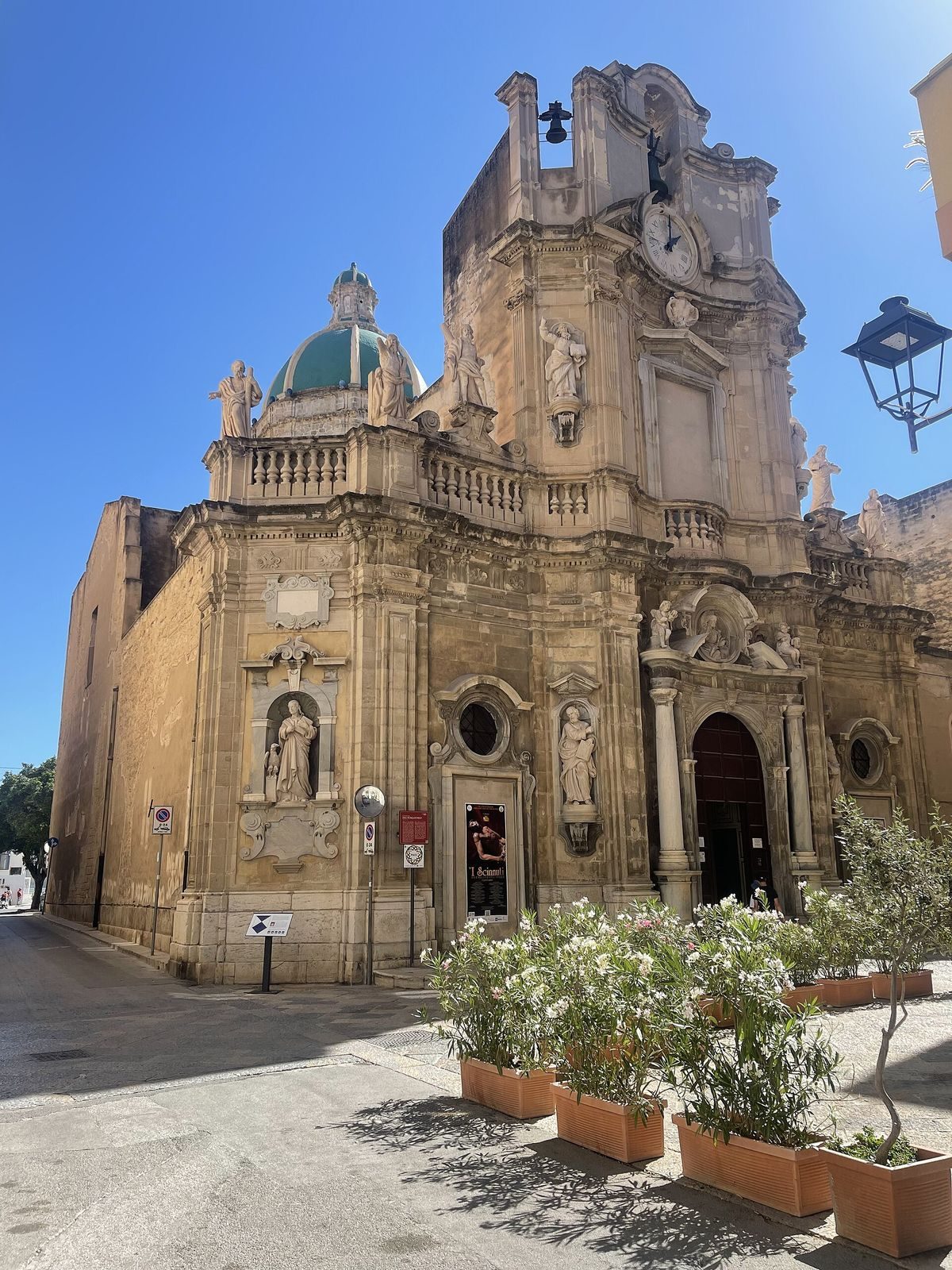
The facade has two architectural orders, or levels of columns and related elements. Its central section rises above the flanking sides, and twelve stone statues coated with stucco represent the Twelve Apostles and Jesus. Alberto Orlando made the statues. The lower level’s dynamic design contrasts with the then-fashionable Neoclassical style, which drew on classical models.
Interior plan and memorial
Columns divide the church into three aisles. Each side aisle has three chapels, each with an altar, while chapels occupy the ends of the transept arms. Smaller apses, or recessed spaces, and a raised presbytery, the area around the main altar, complete the layout; a low railing encloses the presbytery. On the nave’s right side, beside the sacristy, the room used to prepare for worship, is the marble plaque commemorating Amico.
Paintings and devotional works
The presbytery contains eighteenth-century gouache paintings, an opaque water-based painting medium, by Domenico La Bruna. They depict St Joseph, regarded in Christian tradition as Jesus’s earthly father, and St Lawrence, a third-century Roman deacon and martyr, with themes concerning the purification of souls. An eighteenth-century painting by Giuseppe Felice shows St Cajetan, a sixteenth-century Italian priest who helped establish the Theatine religious order, contemplating the human nature of Jesus Christ. The artwork Madre Pietà dei Massari is kept in the right-hand smaller apse.