Church of the Assumption of the Blessed Virgin Mary in Grodzisko: A Roman Catholic Filial Church
Site at a Glance
- Popularity
- Medium
- Country
- Poland
- Primary era
- Early Modern
- Eras represented
- Early Modern
- Civilizations
- Polish–Lithuanian Commonwealth
- Site type
- Religious
- Remains
- Church
On this page8 sections
History
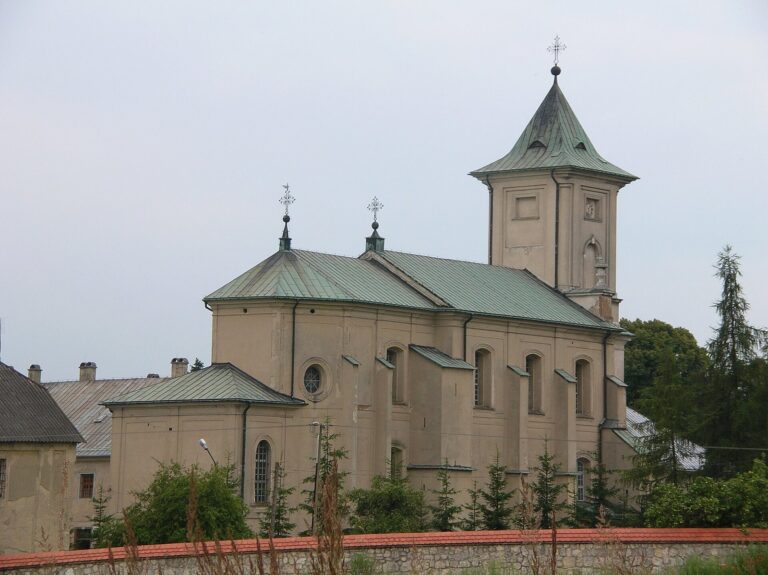
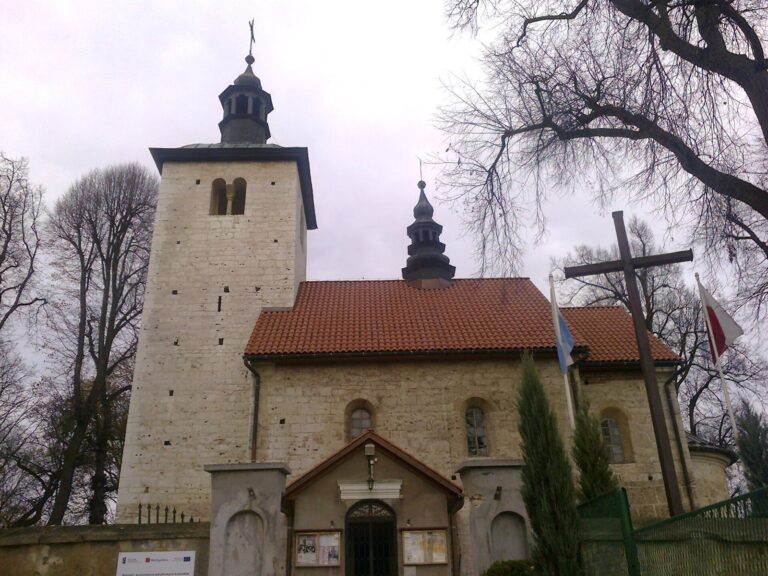
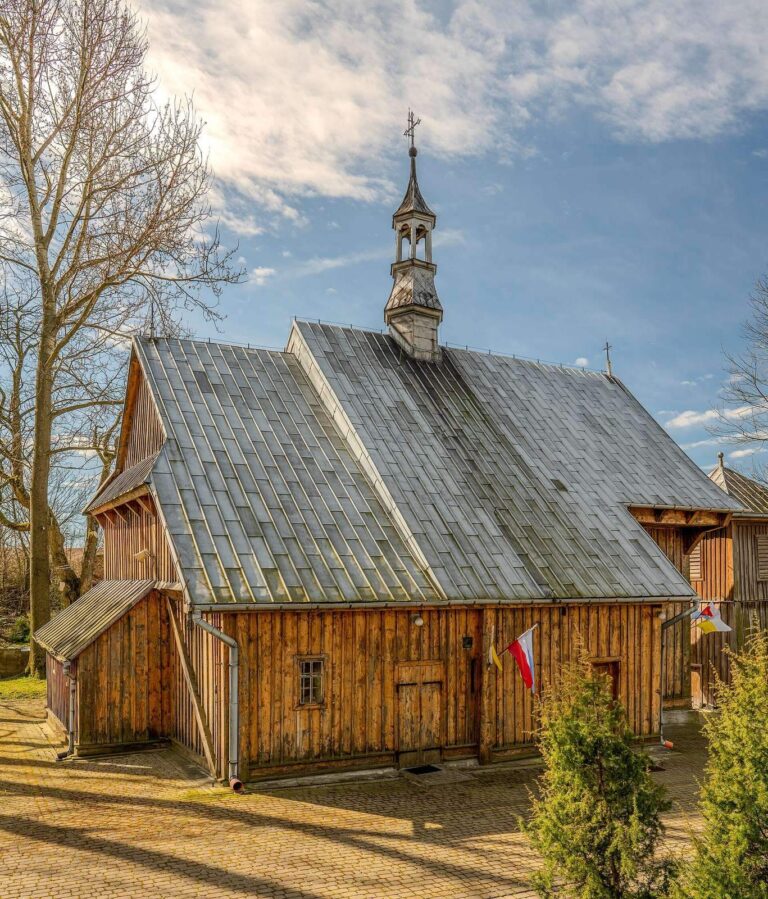
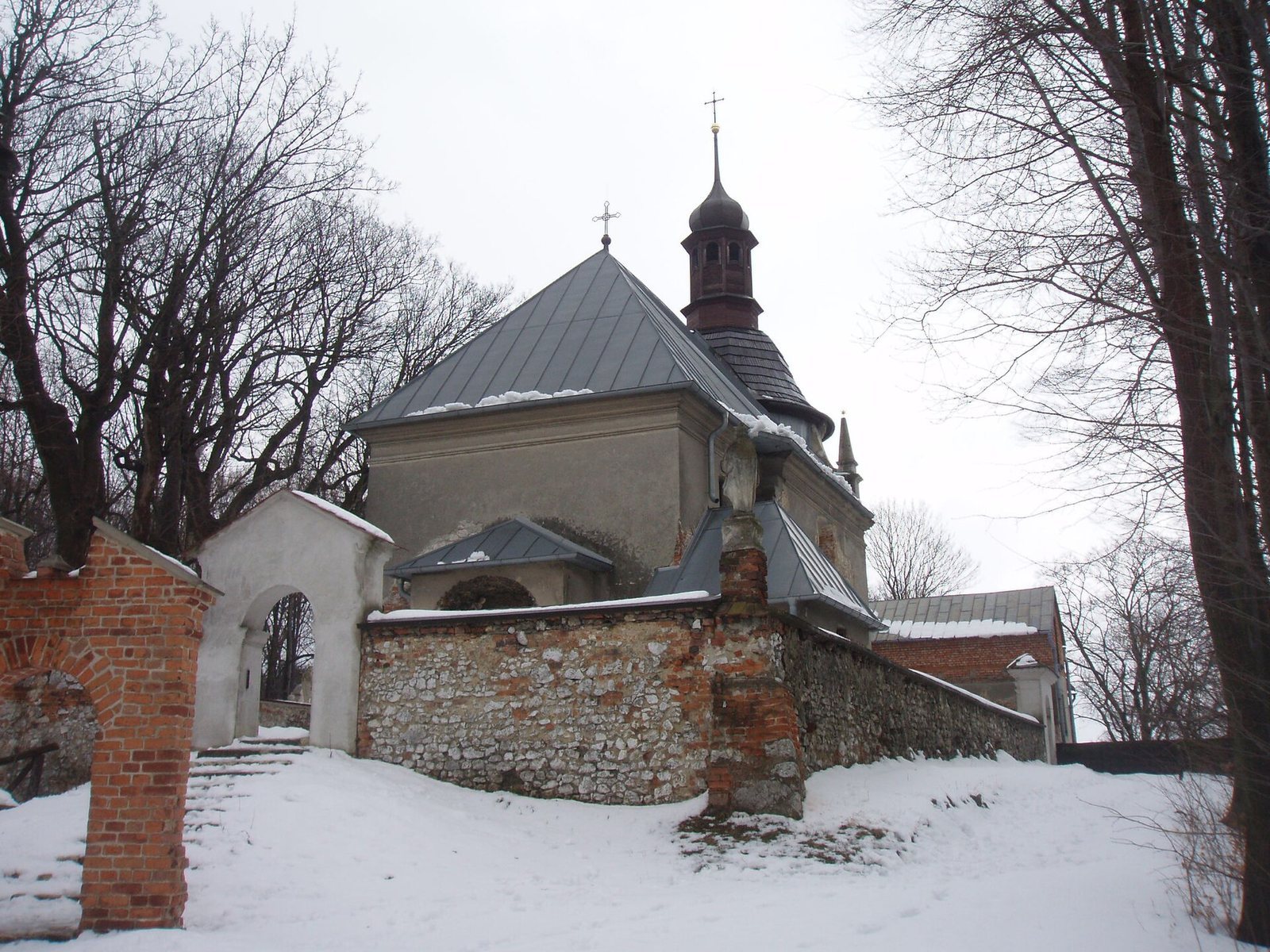
The Church of the Assumption of the Blessed Virgin Mary in Grodzisko is a Roman Catholic filial church, meaning it is subordinate to a parish, in Poland’s Ojców National Park. Dedicated to the Assumption, the Catholic belief that Mary was taken into heaven at the end of her earthly life, it belongs to the parish of the Assumption of the Blessed Virgin Mary and Saint Joseph the Worker at Ojców-Grodzisko. The masonry church is Baroque, with Romanesque and Renaissance features. The complex developed in the seventeenth century on the site of a former Poor Clare convent. The Poor Clares are a Catholic women’s religious order following the rule associated with Saint Clare of Assisi.
From convent site to religious complex
The convent’s nuns moved to Kraków, and the abandoned buildings deteriorated into ruins over the following three centuries. In 1642, the Poor Clares built a chapel dedicated to the Assumption on the site. A religious complex followed at Grodzisko in 1677.
Memorials and later use
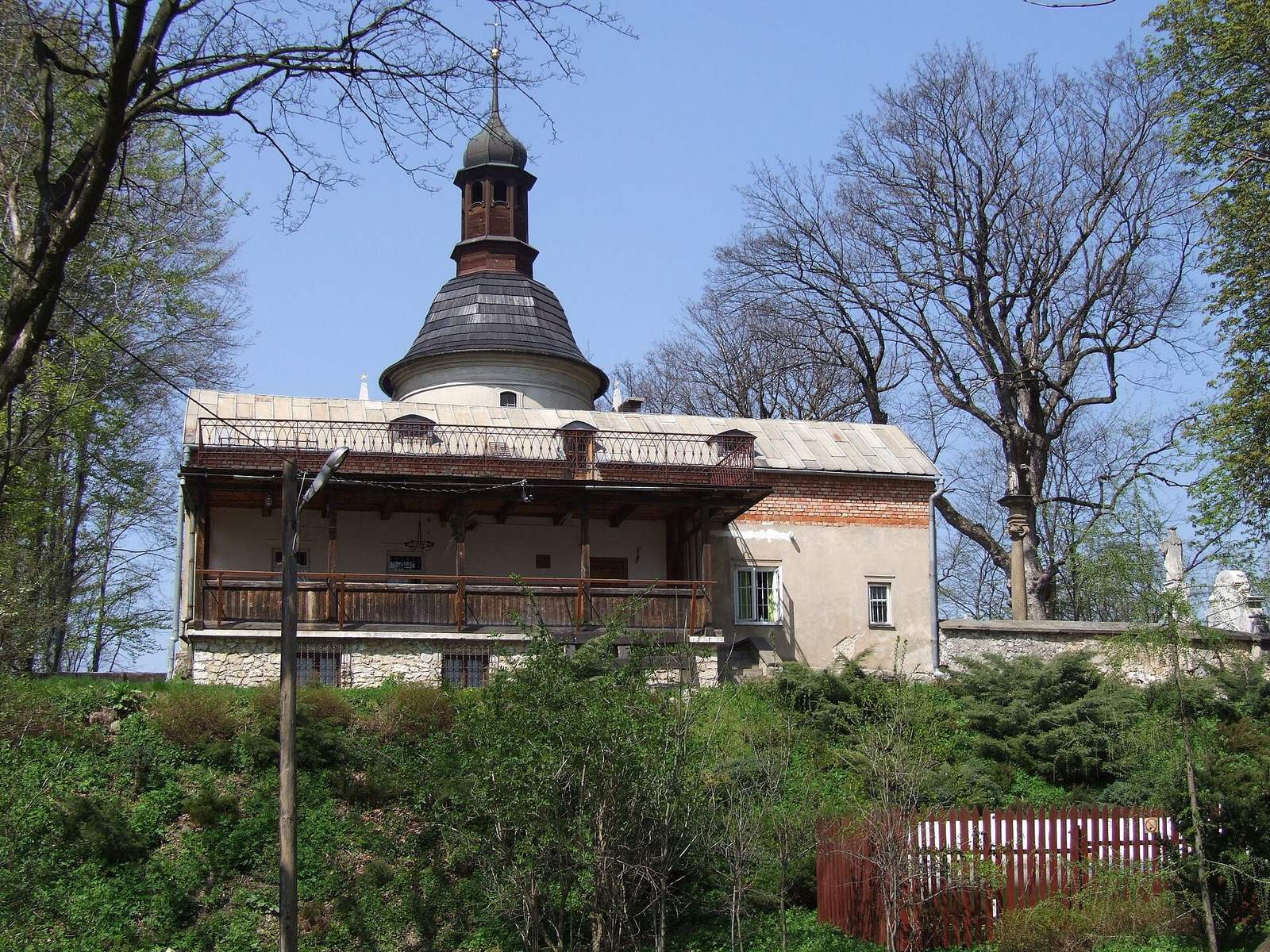
In 1686, a granite obelisk was raised on an elephant, three years after the victory over the Sultan’s army at the Battle of Vienna. The church tower’s upper wooden section burned in 1939 and was rebuilt during the 1960s. In 2018, the separate prebendary’s house was used by the Oasis Movement, a Catholic pastoral and religious-formation movement. A prebendary was a cleric whose position carried an endowed source of income.
Remains
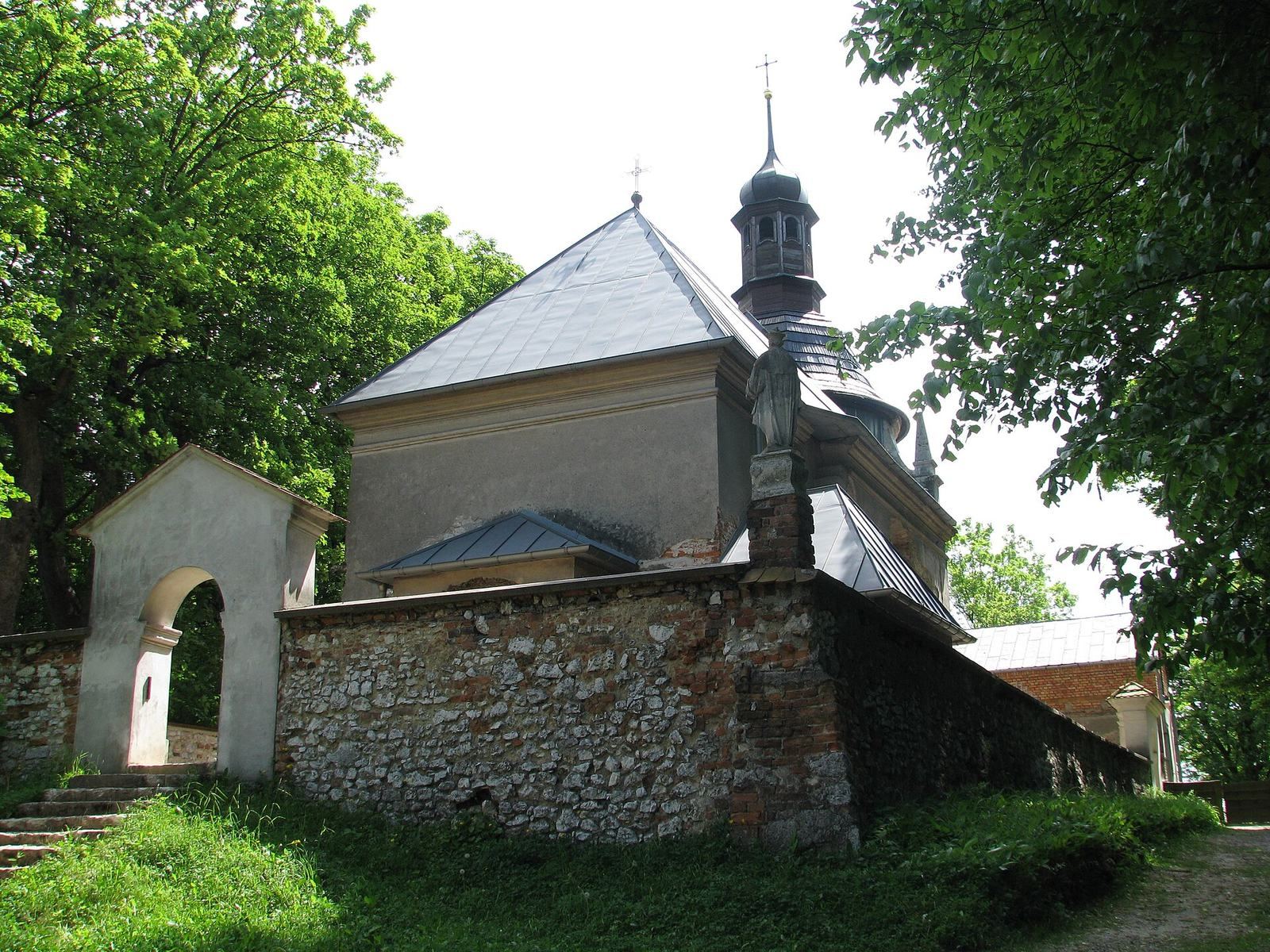
The complex stands on a plateau above Długa Rock. Its buildings and features include the church, the hermitage of Blessed Salomea, prayer grottoes, an enclosed precinct, the elephant-and-obelisk monument, and a separate prebendary’s house.
The church and altar
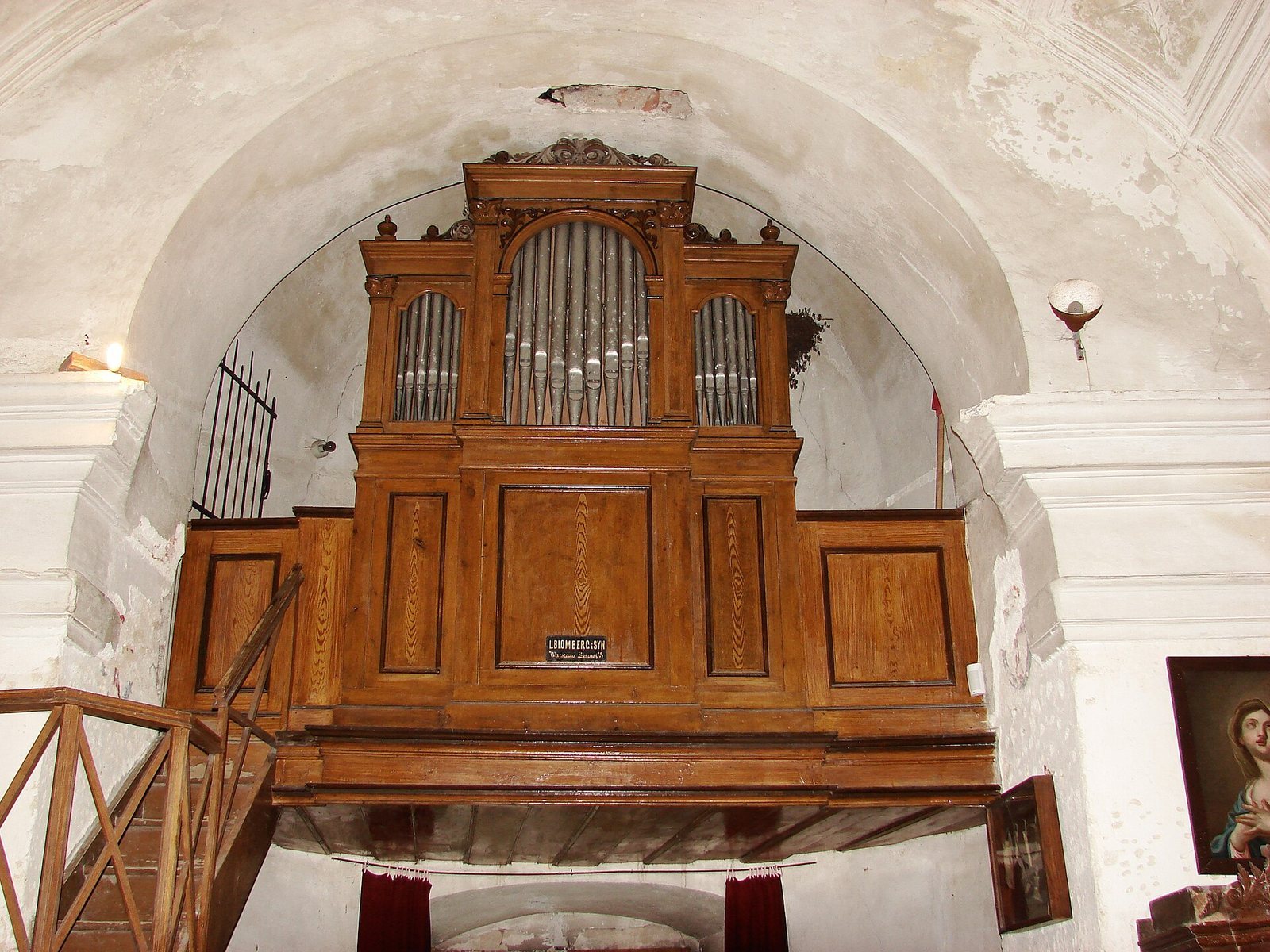
The rectangular masonry church has an exterior of Romanesque character and a Renaissance barrel vault, a continuous arched ceiling. The vault has lunettes, or arched areas, and recessed panels known as coffers. The tower has a wooden upper section. A marble altar arranged in three vertical sections fills the west wall of the presbytery, the area around the altar, and rises to the vault. It was brought from another church. Above its horizontal architectural band is a painting by Franciszek Smuglewicz showing the coronation of the Virgin Mary.
Grotto of the Garden of Gethsemane
Beside the west wall of the presbytery is a grotto representing the Garden of Gethsemane, where Christian tradition says Jesus prayed before his arrest. It is distinct from the prayer grottoes elsewhere in the complex.
Enclosure and commemorative monument
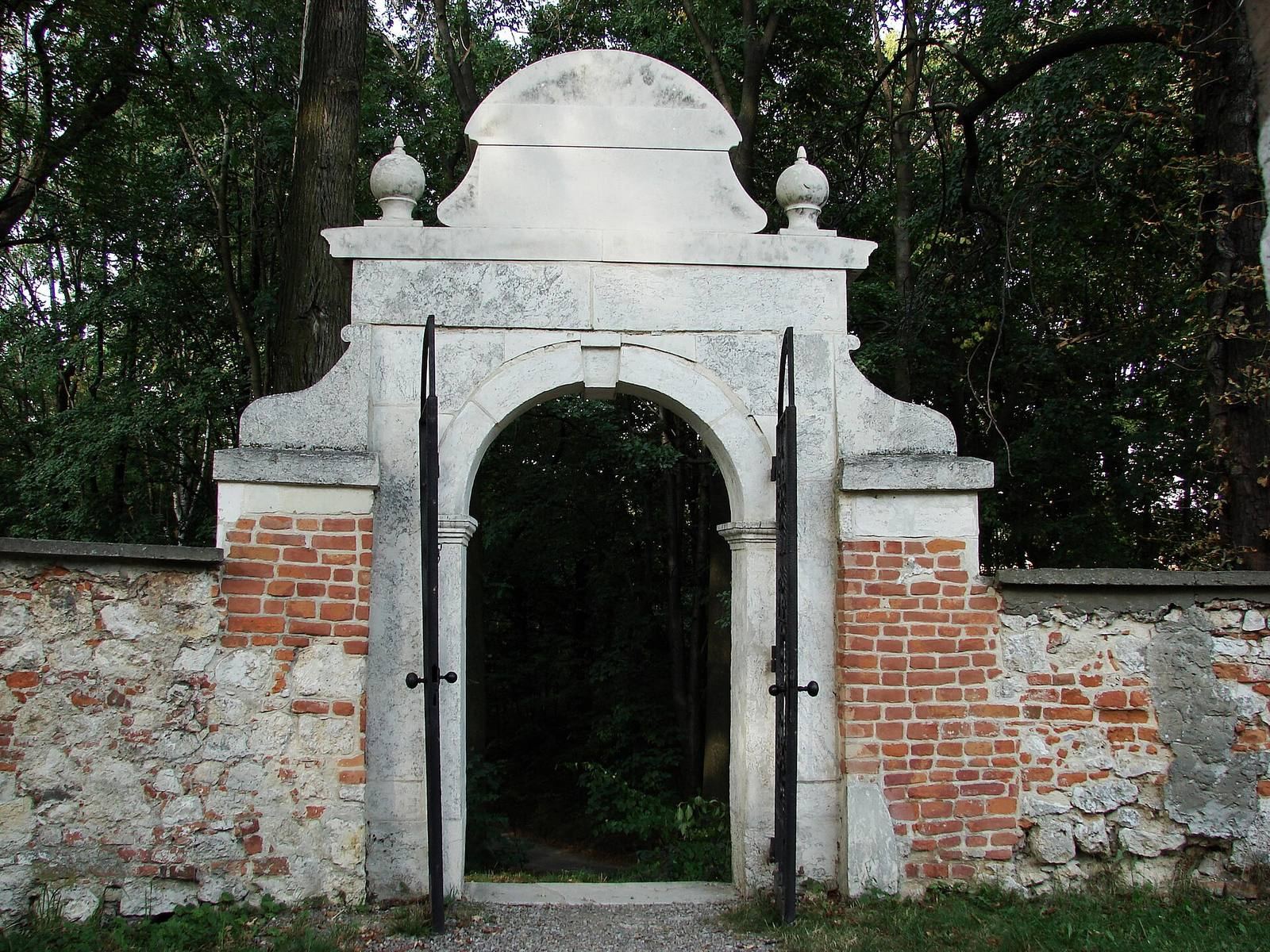
A wall of limestone and brick surrounds the complex. It has a main semicircular gate and three smaller gates, and incorporates five sculptures. They depict Bolesław the Chaste, a Piast duke of Kraków and Sandomierz, his wife Saint Kinga, King Coloman of Galicia, Henry the Bearded, and Jadwiga of Silesia, who holds a miniature church. Bolesław and Henry belonged to the Piasts, Poland’s first historically documented ruling dynasty. Coloman was a Hungarian prince crowned king in the medieval principality centered on Halych. The granite obelisk, a tall tapering monument, stands on an elephant carved from a single block of limestone. The elephant’s form was modeled on a sculpture outside the Roman church of Santa Maria sopra Minerva.
Hermitage and associated buildings
The complex also contains the hermitage of Blessed Salomea, a medieval Polish princess who became a Poor Clare nun and is venerated as a blessed. The prayer grottoes and the separate prebendary’s house form part of the same group of buildings and features.