Apollonia: An Ancient Greek City in Sicily
Site at a Glance
- Popularity
- Medium
- Country
- Italy
- Primary era
- Classical
- Eras represented
- Classical, Medieval
- Civilizations
- Ancient Greek, Kingdom of Sicily, Roman
- Site type
- City
On this page13 sections
History
Apollonia was an ancient Greek city on Monte Vecchio near San Fratello in northern Sicily, Italy. Its foundation date is uncertain, but archaeological dating places occupation from the late fourth century BCE into the first half of the third century BCE. The city may have begun as a settlement of the Sicels, an Indigenous people of Sicily, before its inhabitants adopted Greek language and customs. A later tradition attributed its foundation to Dionysius I of Syracuse, who was said to have established it as a post against Carthage, a North African power that competed with Greek cities in Sicily.
Greek rule and conflict
Diodorus Siculus provides the earliest known literary mention of Apollonia. Stephanus of Byzantium later located it near the ancient towns of Aluntium and Calacte. In 342 BCE, the city was under the control of Leptines, ruler of Engyium. Timoleon, a Corinthian military leader active in Sicily, defeated Leptines and restored the independence of both Apollonia and Engyium. Leptines was sent into exile in the Peloponnese.
In 307 BCE, Agathocles, ruler of Syracuse, captured and sacked Apollonia. Some citizens had invited him and pledged to hand over the city, but their plan was exposed before his troops arrived. The Syracusans therefore took Apollonia by force; most of its inhabitants were killed and the city was plundered. Apollonia regained its freedom after Agathocles fell from power.
Roman rule and abandonment
Apollonia’s name came from its worship of Apollo, a major Greek god. After Rome conquered Sicily, the city came under Roman rule while retaining some autonomy. During the first century BCE, it had to send Rome one tenth of its agricultural income. It also supplied a ship for a fleet assembled against pirates. Cicero records that the ship’s captain, Anthropic, died in fighting at Capo Passero.
Apollonia suffered economically under Verres, the Roman governor of Sicily. Cicero accused him of plundering Sicilian cities, including Apollonia. A disputed tradition holds that in 73 BCE the Roman consul Marcus Terentius Varro Lucullus took a bronze statue of Apollo from the city to Rome.
The city remained inhabited under Roman rule from the first century BCE into the first century CE, and was later abandoned. It is said that its population moved south and established San Fratello.
Medieval reoccupation and identification
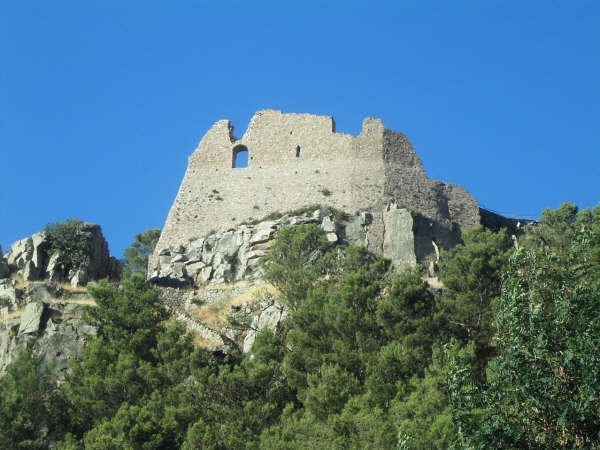
In the first half of the twelfth century, Apollonia’s site was occupied and rebuilt on Hellenistic and Roman remains during the reigns of the Norman kings Roger II and William I. The settlement later declined permanently.
The location of ancient Apollonia was debated, and Pollina was proposed as either the site or the city’s modern successor. The remains on Monte Vecchio, east of Pollina, are now considered almost certainly to be Apollonia. Coins and pottery found there, along with the masonry, helped support the identification; Luigi Bernabò Brea was among the scholars who made it. Three archaeological campaigns from 2003 to 2005 investigated the acropolis.
Remains
Acropolis and setting
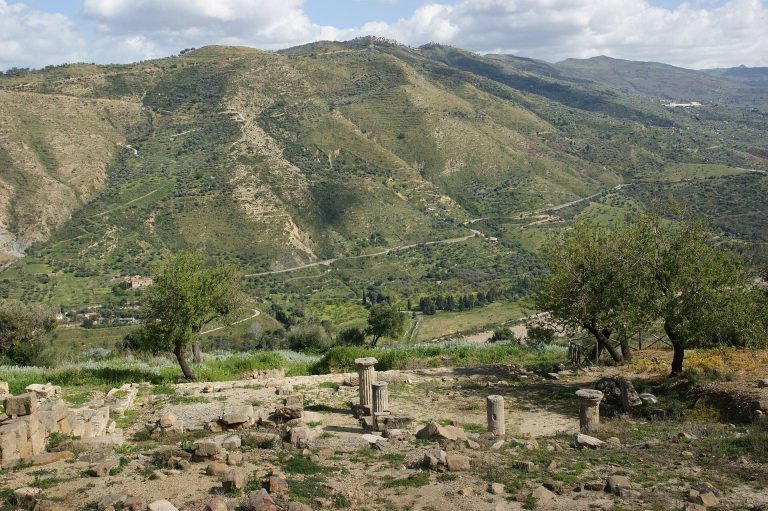
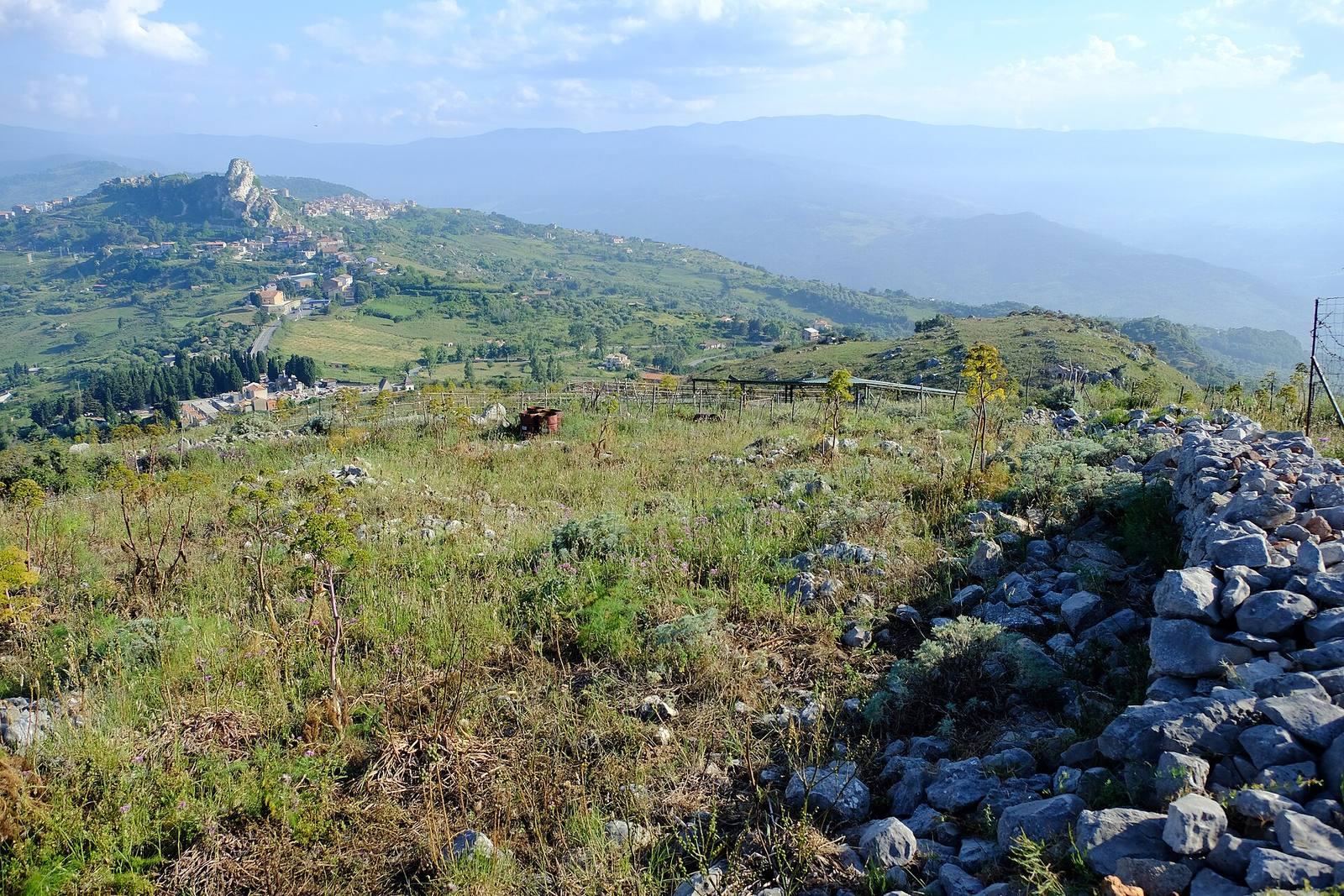
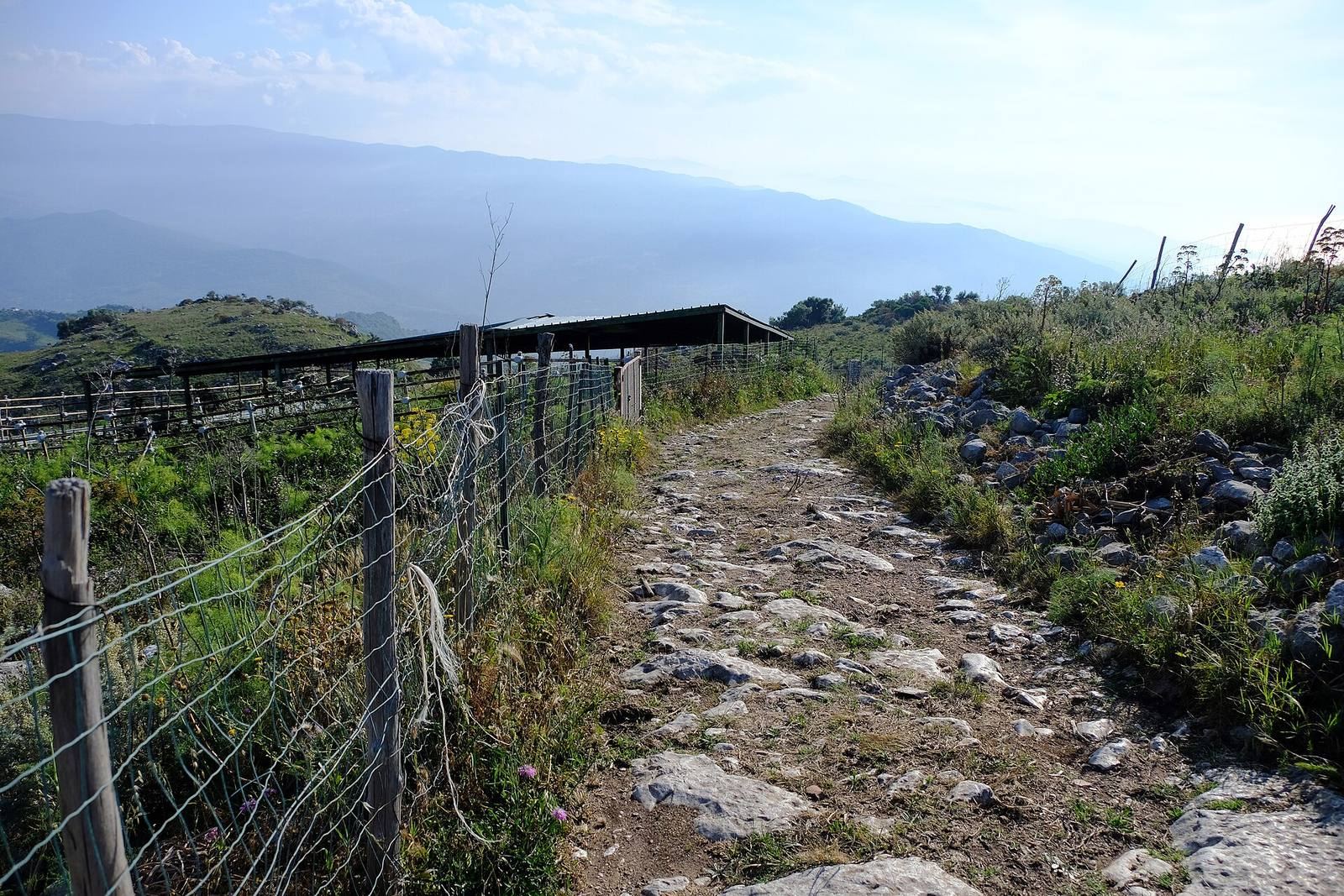
The site occupies a rocky promontory on Monte Vecchio and covers about 0.035 square kilometres. Its acropolis stands on the high ground. The elevated position afforded a view along the coast as far as Messina. The wider territory is thought to have stretched between two rivers, across an area now divided between the municipalities of San Fratello and Acquedolci.
The city’s position in the Nebrodi hills provided access to substantial forest resources. Timber was harvested for sale in other cities, and local stone was used for construction.
Built remains
City walls
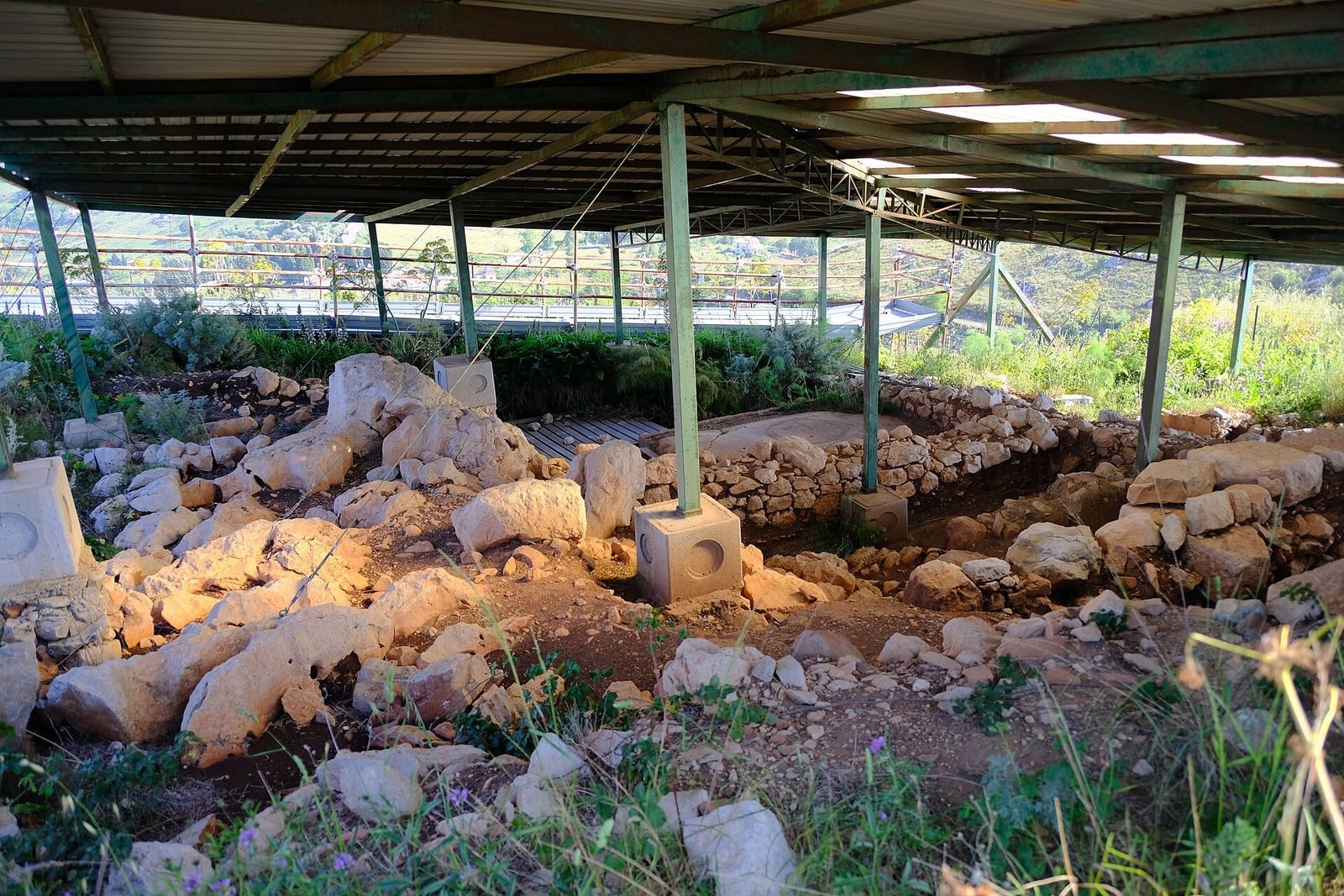
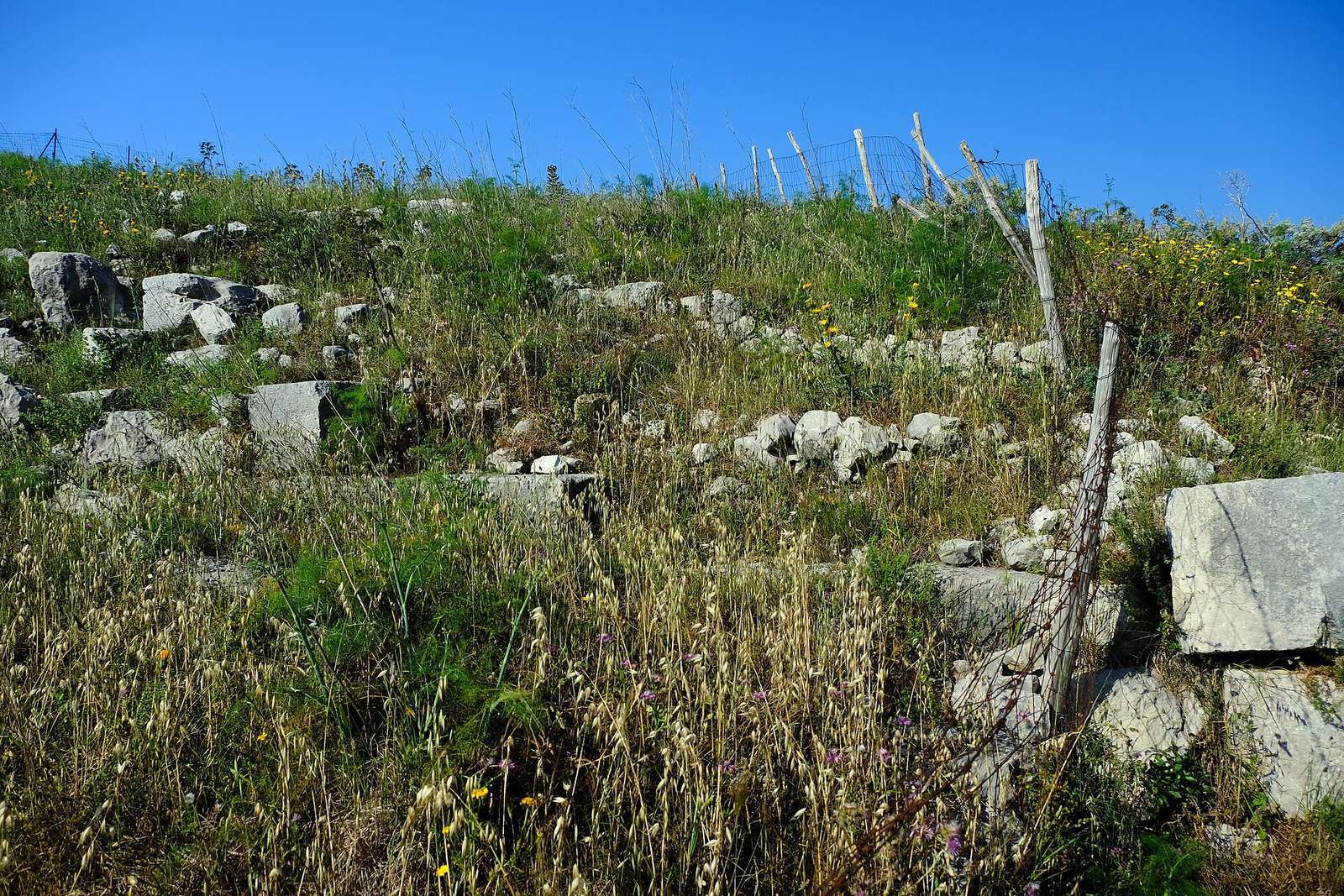
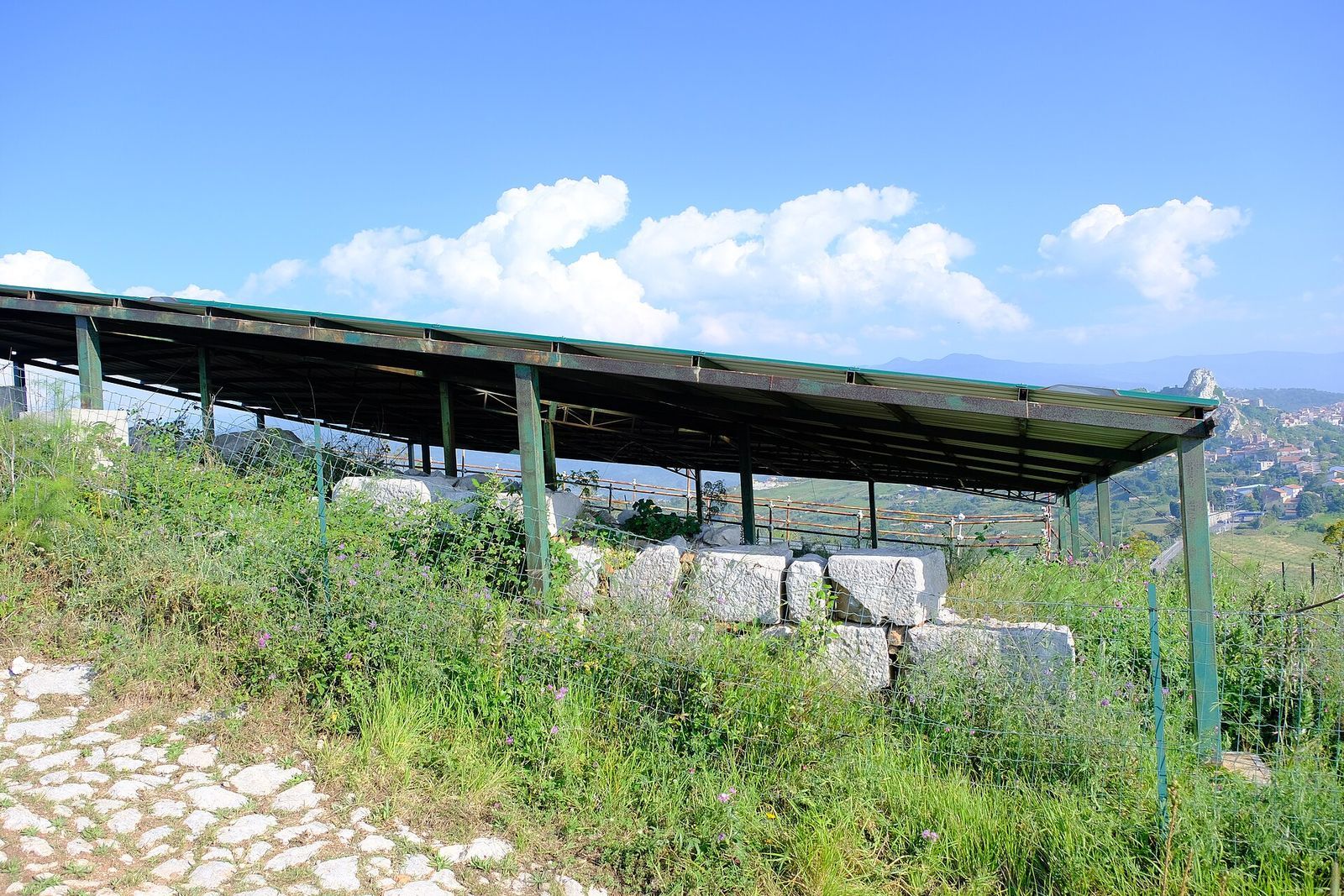
Sections of the city walls survive on the southern and western sides of the site. They are built of limestone blocks of equal height, laid in regular courses.
Buildings on the eastern plateau
At least two building remains lie on the eastern side of the plateau. Their masonry uses the same regular arrangement of equal-height blocks.
Rock-cut cistern
A large cistern cut directly into the rock occupies the top of the hill.
Coastal and landscape features
Harbor
Apollonia’s port is thought to have been near present-day Acquedolci, where a small shipyard once stood.
Crater tradition
A crater near the promontory was believed to have formed where a celestial being fell. It can be seen looking west toward Cefalù.