National Archaeological Museum of Sperlonga: Roman Sculptures from the Villa of Tiberius
Site at a Glance
- Popularity
- Very Low
- Country
- Italy
- Primary era
- Classical
- Eras represented
- Classical
- Civilizations
- Ancient Greek, Roman
- Site type
- Museum
On this page8 sections
History
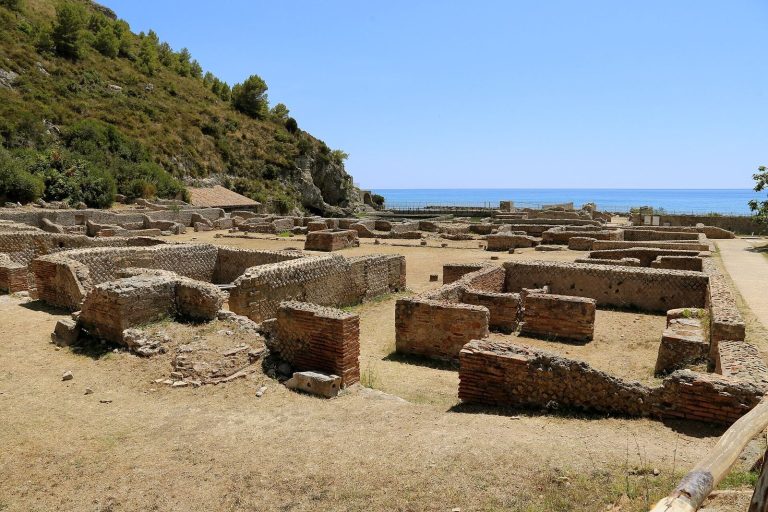
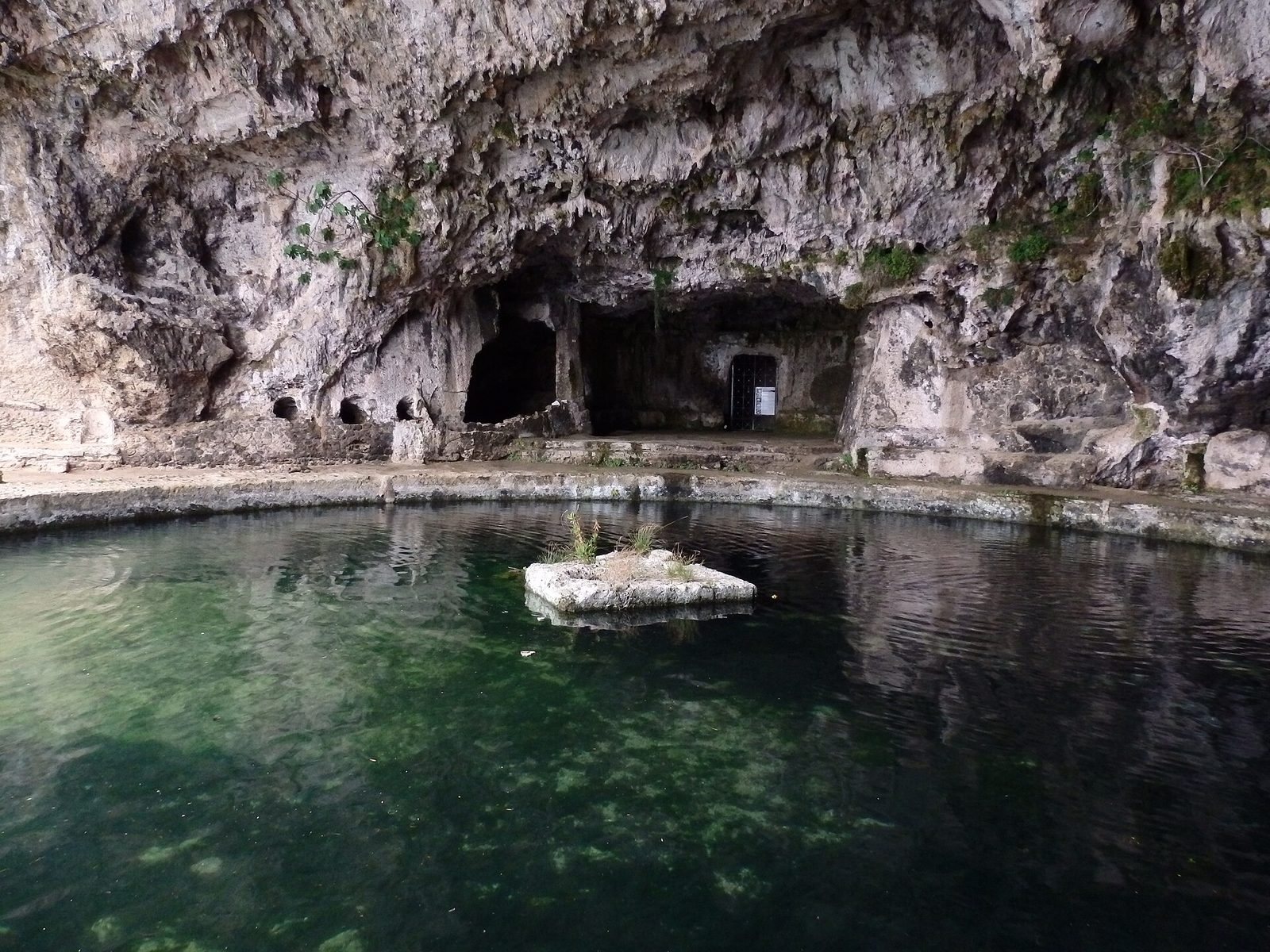
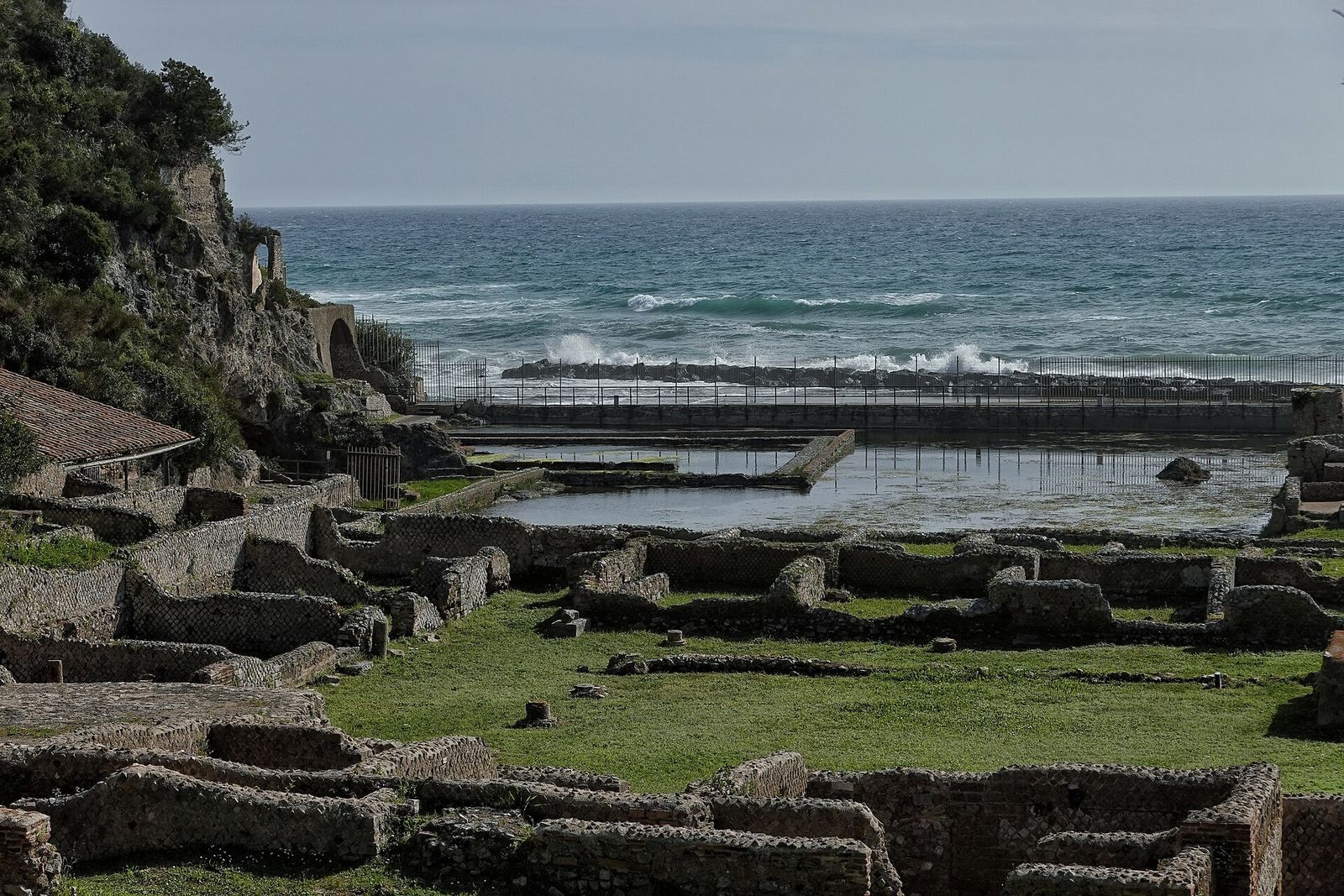
The National Archaeological Museum of Sperlonga, in Italy, was created to house sculptures from a cave in the nearby Villa of Tiberius. The cave formed part of a large Roman residence usually identified as the emperor’s palace. Tiberius ruled from AD 14 to 37. At the beginning of the imperial period, the cave was transformed into a setting for mythological sculpture inspired by the Odyssey, the ancient Greek epic traditionally attributed to Homer and centered on the hero Odysseus.
The cave’s monumental sculptural groups were found in fragments in the late 1950s, prompting the construction of a museum specifically to house them. Other objects recovered from the villa provide evidence of activity at the complex into the late Roman Empire.
Remains
The museum stands near the Villa of Tiberius and brings together sculpture from the villa’s cave with finds from the wider complex. In the cave, sculptural compositions were arranged around and within a circular basin. The collection preserves four principal groups drawn from stories of Odysseus.
Sculptural groups from the cave
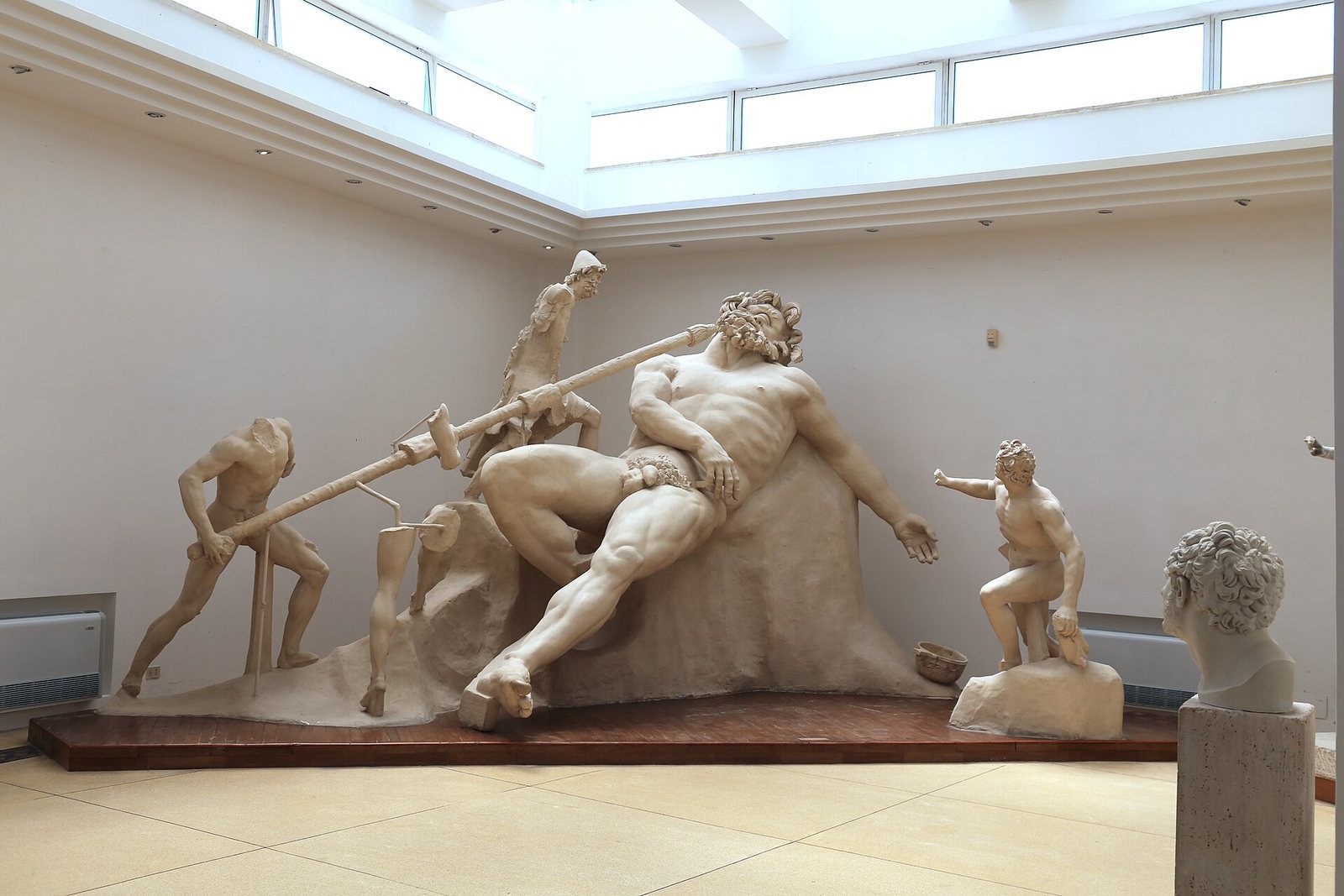
Odysseus and Polyphemus
One group shows Odysseus and his companions blinding Polyphemus, the Cyclops from the Odyssey. The collection includes a fragment of Odysseus’ head from this composition.
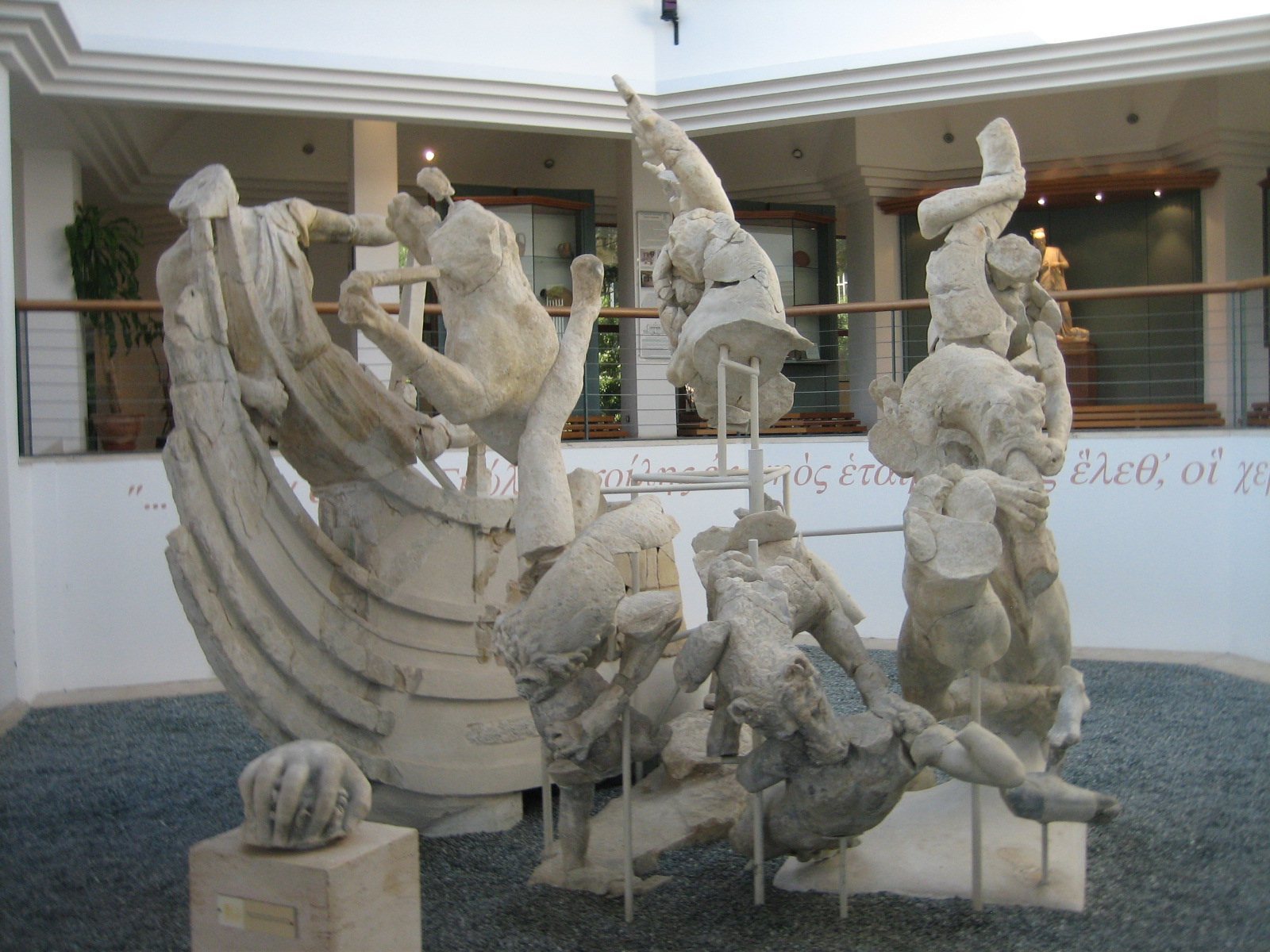
Scylla’s attack
Another group depicts the monster Scylla attacking a ship. Her serpentine coils seize and kill six of Odysseus’ companions.
The Palladium and Achilles
A third composition shows Odysseus and Diomedes stealing the Palladium, an image of the goddess Athena associated with Troy’s protection, from her temple in the city. A fourth group may show Odysseus dragging Achilles’ body from the fighting. Its arrangement has been compared with the Pasquino group, an ancient sculpture of Menelaus supporting Patroclus.
Other works from the villa
Many other sculptures from the villa are dated to the first century AD. Works associated with the Julian family, the Roman lineage linked with Julius Caesar and Augustus, include a relief of Venus Genetrix, meaning “Venus the Mother,” and a sculpted head of Aeneas set on a squared pillar. The collection also includes images of Bacchus, Athena, and Salus, a Roman goddess associated with health and well-being, alongside portraits of Emperor Trajan and an unidentified tetrarch, one of four rulers sharing power in an imperial system. Decorative pieces include a statue of Circe with three piglets, childlike figures, satyrs, and theatrical masks. Other named works include a head of Athena, a head of Bacchus, a putto found at Sperlonga, a satyr found in the villa, statues of Andromeda, and Ganymede being carried off by an eagle.
The sculptures are generally copies or adaptations of bronze models associated with successive phases of ancient Greek art: the Classical period, dated here to the sixth and fifth centuries BC, and the Hellenistic period, dated to the third and second centuries BC. Some works imitate earlier Greek styles, while others combine features from different traditions. A verse inscription by a person named Faustinus, probably a guest, praises the cave’s decoration.
Other archaeological finds
The wider collection includes Attic vases, vessels made in the region around Athens, and architectural terracottas, fired-clay elements used in buildings. Ceramics from Africa and Christian oil lamps also form part of the finds from the complex.