Santa Croce: A Medieval Chapel and Former Parish Church in Italy
Site at a Glance
- Popularity
- Very Low
- Country
- Italy
- Primary era
- Medieval
- Eras represented
- Medieval, Early Modern, Modern
- Civilizations
- Duchy of Savoy, Italian
- Site type
- Religious
- Remains
- Chapel
On this page8 sections
History
Origins and parish use
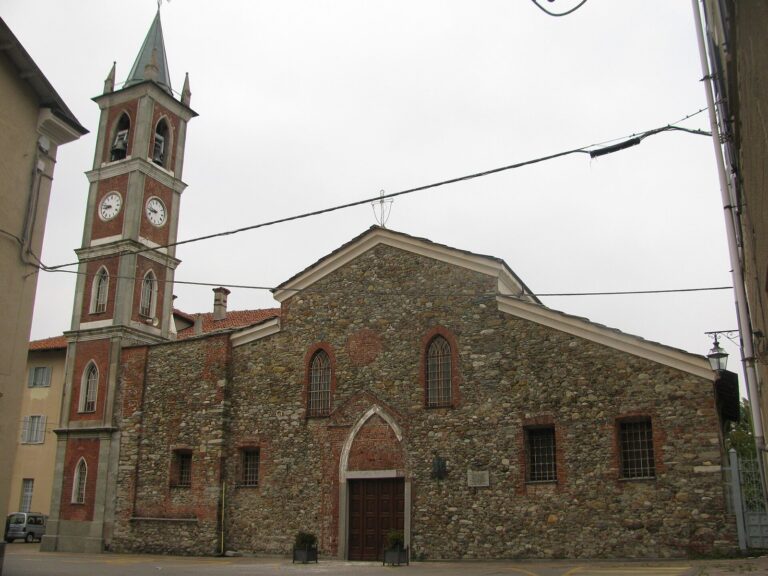
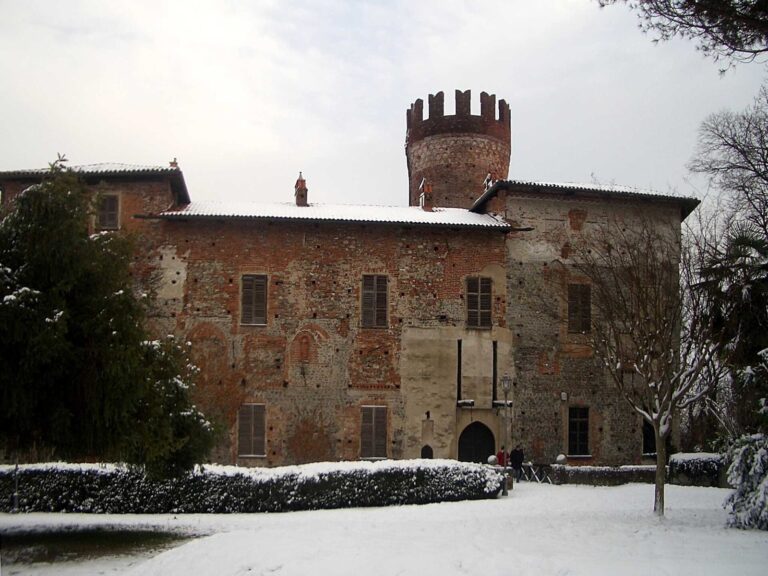
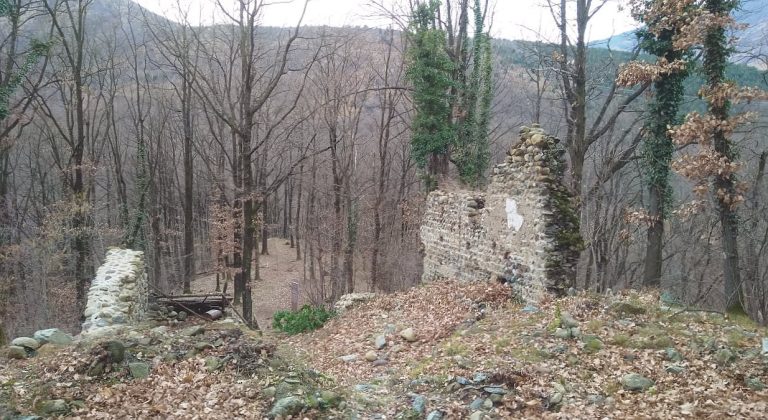
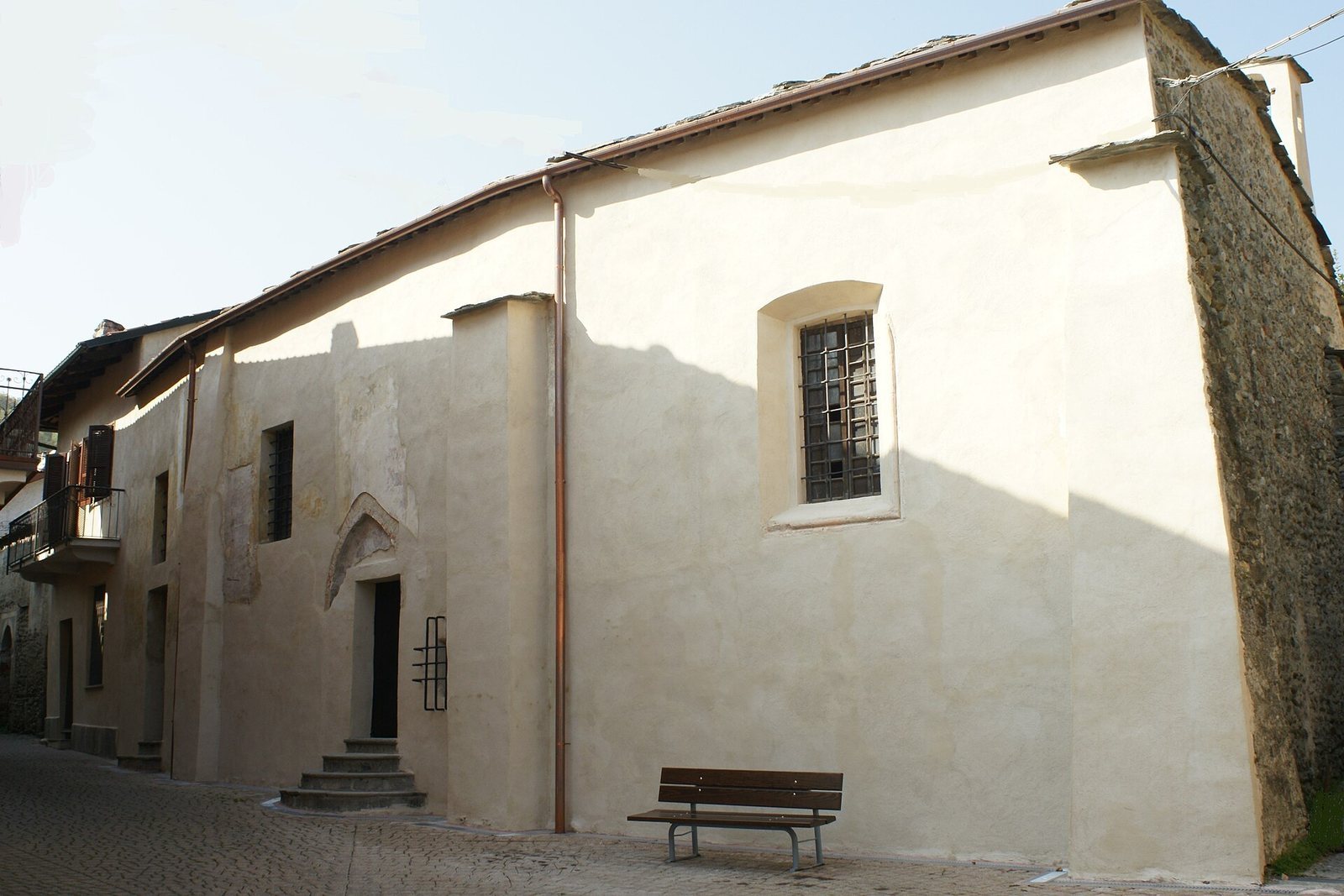
Santa Croce is a Roman Catholic chapel in Italy, built in the eleventh or twelfth century as an oratory associated with a nearby castle, a defensive stronghold in the Malone Valley. Originally dedicated to Saint John the Baptist, the Christian preacher associated with baptizing Jesus, it later took its present name from the Confraternity of Santa Croce, a lay religious association. The chapel belongs to the Archdiocese of Turin, the Roman Catholic Church territory overseen by an archbishop.
Around the middle of the fifteenth century, the feudal lord Guido Aldobrandini Biandrate di San Giorgio consented to an enlargement of the nave so the chapel could serve as the village parish church. A cycle of frescoes began around this period or somewhat later.
Damage, decline, and restoration
The chapel suffered serious damage during warfare in 1621, after which its importance declined. This decline accelerated when a new parish church was completed in 1801. Santa Croce was eventually deconsecrated and abandoned.
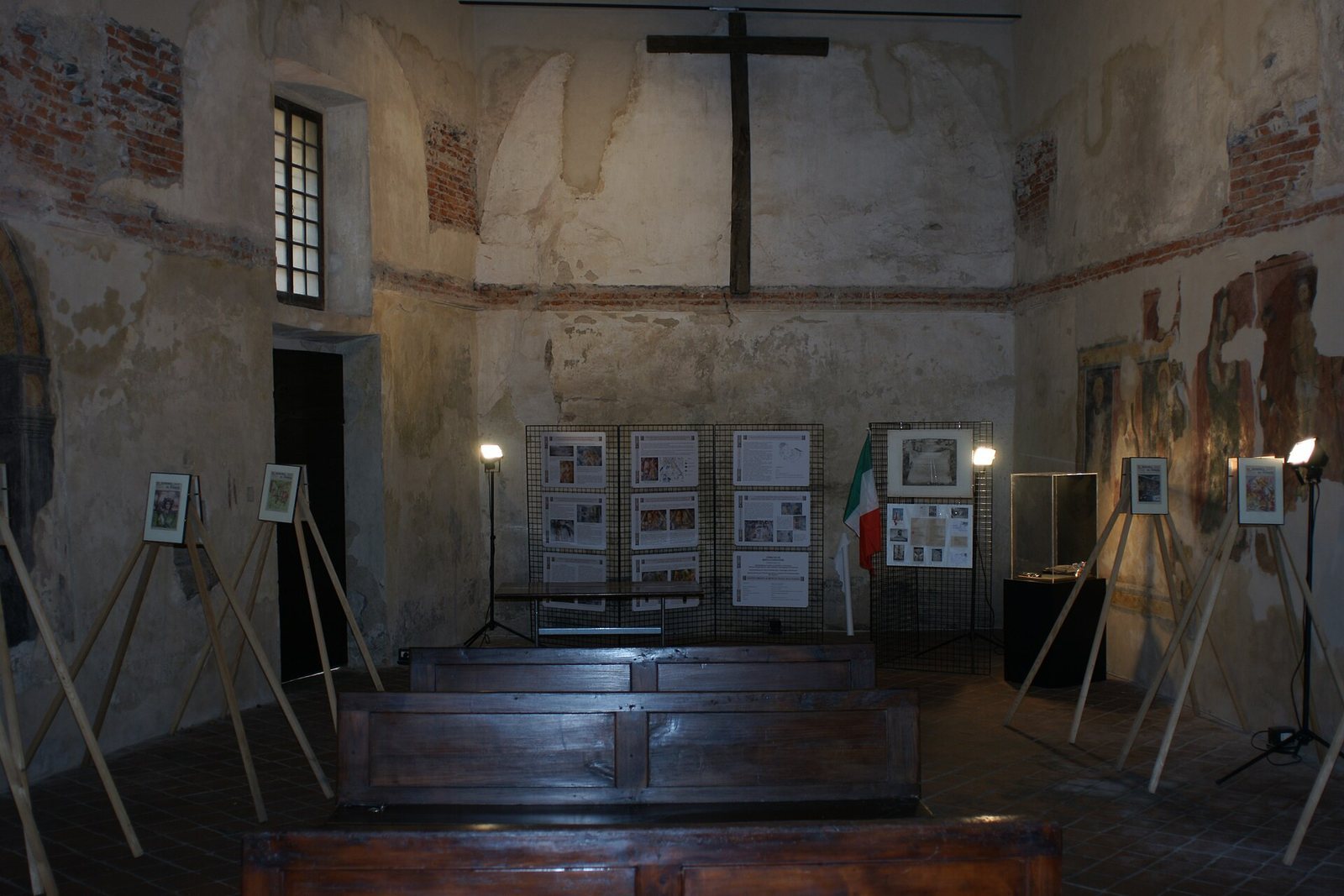
After ownership passed to the municipality of Rocca Canavese, restoration and maintenance included conservation of the frescoes. A comprehensive conservation-focused restoration concluded with an official inauguration on 22 October 2011. The chapel now hosts exhibitions and other cultural activities.
Remains
The surviving chapel is arranged around a nave and presbytery, the area around the altar. A stone slab in the floor marks the entrance to the crypt, where the castle’s feudal lords were buried. Frescoes cover the vault, the rear presbytery wall, and parts of the nave’s side walls. The roof is made of stone slabs laid dry, without mortar between them. Conservation work repaired the masonry, inserted bracing rods, and restored the facades and roof.
Painted decoration
The frescoes as a group probably date from the second half of the fifteenth century to the first decades of the sixteenth. Some were uncovered during restoration, and the painter remains unknown. Their miniature-like, courtly character reflects late Gothic taste, with affinities to Lombard painting.
The vault
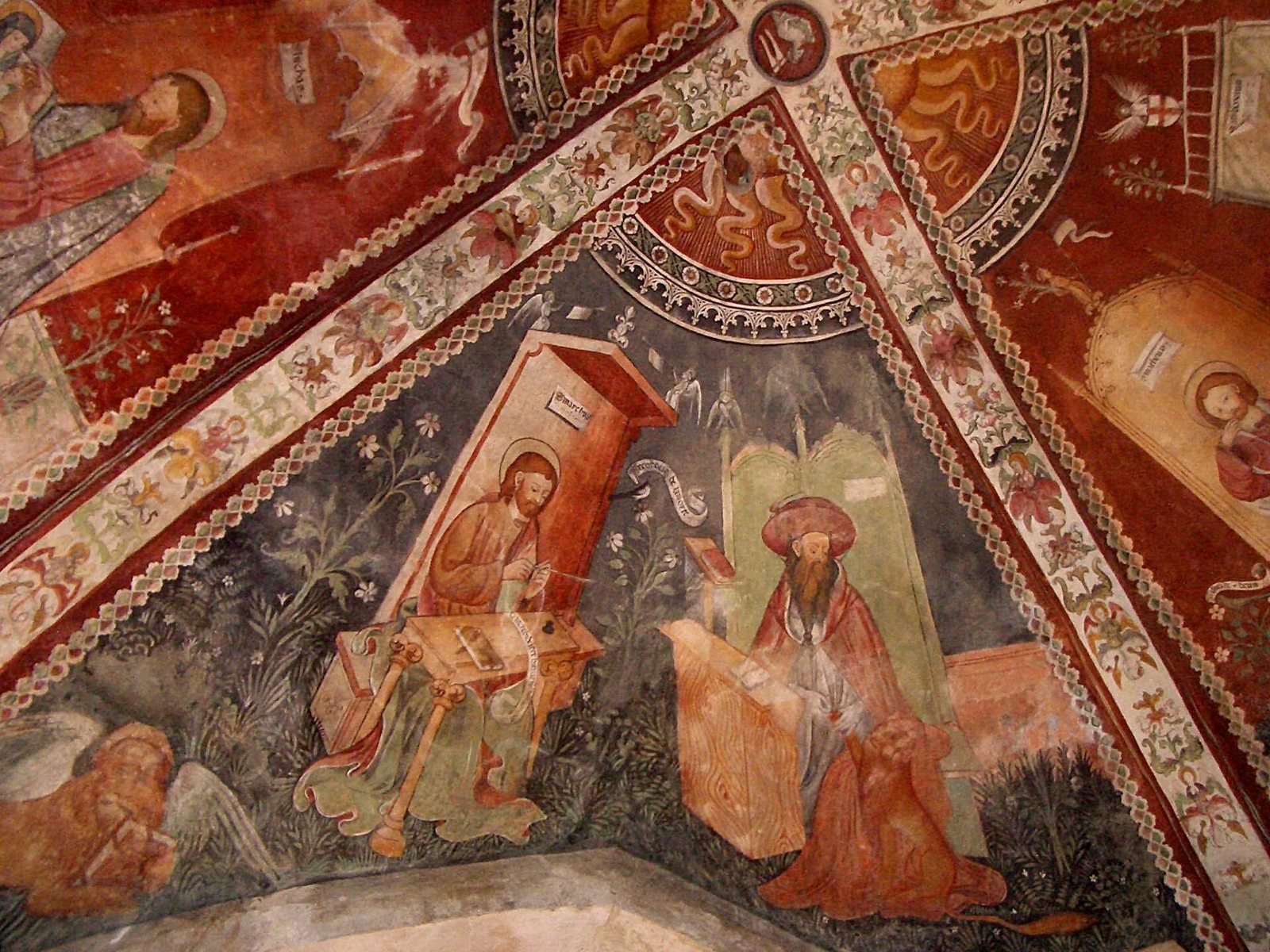
Raised ribs divide the vault into four scenes and radiate from a central image of the Mystic Lamb, a Christian symbol of Christ. The ribs follow the pointed arches, which are decorated with angels, plants, and flowers in flowing, intertwined patterns. At the center beneath the ribs is the monogram of Saint Bernardino, a Franciscan preacher; an image of the saint also appears on a presbytery pillar.
Each scene pairs one of the four Gospel Evangelists with a Doctor of the Church, a saint recognized for influential teaching. The Evangelists are identified by symbolic creatures associated with them: Mark with Jerome, Luke with Gregory the Great, John with Augustine, and Matthew with Ambrose. Against burgundy, blue, and pale-green backgrounds, they appear at writing desks in an imagined open-air scriptorium, a place for writing or copying texts, amid grass and flowering shrubs. The Doctors sit in richly colored robes on high-backed thrones. Their elaborate furniture includes unusual angel figures and is drawn in uncertain perspective. Small actions bring the scenes to life: Mark sharpens a pencil, Jerome removes a thorn from a lion, and Luke paints the Madonna.
The rear presbytery wall
On the rear wall, God the Father stretches out his arms above a Lamentation, a scene of mourners grieving over Christ’s body after his death. The Madonna’s ample black mantle and Christ’s rigid body suggest the work of a painter with probable Provençal artistic roots. Below, the Apostles appear in pairs as if conversing. Each is identified by familiar attributes and holds a scroll bearing verses of the Creed, with Saint John the Baptist at the center.
Nave and side-wall paintings
Among the saints painted on the chapel walls are Saint Apollonia, with a faintly visible kneeling figure, probably the donor, at her feet; a bearded Saint Sebastian; Saint Anthony Abbot; and Saint Liberata holding two infants. On the upper left wall, the Madonna of Mercy shelters members of the Confraternity of the Disciplinati of Saint John the Baptist, a penitential lay association. They wear white robes and hoods. High on the right wall, the Nursing Madonna shows Mary nursing the infant Jesus amid musical angels, within an architectural setting. Its carefully rendered perspective and echoes of Martino Spanzotti, a painter active in northern Italy around 1500, point to a sixteenth-century date.