Sant’Ignazio Sanctuary in Pessinetto: A Catholic Retreat House
Site at a Glance
- Popularity
- Medium
- Country
- Italy
- Primary era
- Early Modern
- Eras represented
- Early Modern, Modern
- Civilizations
- Duchy of Savoy
- Site type
- Religious
- Remains
- Sanctuary
On this page8 sections
History
The Sant’Ignazio Sanctuary is a Roman Catholic shrine in Pessinetto, Italy, dedicated to Ignatius of Loyola, a sixteenth-century priest who founded the Society of Jesus, known as the Jesuits. Its principal church dates to the seventeenth century and was refurbished in the early nineteenth century in the Neoclassical style, drawing on ancient Greek and Roman architecture. The sanctuary commemorates miracles attributed to Ignatius and became a place of local devotion and spiritual retreats.
Origins and growth
In 1626, wolf attacks killed livestock and children tending flocks in the area. Residents prayed to the recently canonized Ignatius and held a nine-day cycle of prayers; they believed the wolves then departed. A chapel had been built by 1629 to commemorate the miracles attributed to the saint. Tradition also tells of Ignatius appearing to a couple from Tortorello on Mount Bastia in 1630, an event regarded as confirmation of the sanctuary’s location. A yearly report from the Jesuit college in Turin records that Princess Margherita of Savoy laid the building’s first stone.
The first chapel on the summit could not accommodate the growing number of worshippers. Local people gave the summit to the Jesuits, who enlarged the sanctuary around the summit rock. In 1676, land was acquired for a centrally planned church, which was built under Jesuit administration.
Changes in administration
After the Society of Jesus was temporarily disbanded in 1773, the sanctuary passed to the Savoy state domain. In 1789, it was transferred to the Archdiocese of Turin, a major territorial jurisdiction of the Catholic Church. A Franciscan order later became associated with the property.
Retreats and continuing devotion
The sanctuary came to serve local popular devotion and was used chiefly for spiritual retreats, periods of prayer and reflection. In the nineteenth century, retreatants included John Bosco, a priest and educator; Joseph Cafasso; Leonardo Murialdo; and Blessed Giuseppe Allamano. The property continues to be used for retreats.
The feast of Ignatius is held on 31 July, the day of his death. The Archdiocese of Turin also organizes a pilgrimage to the sanctuary on that date, with part of the journey made on foot.
Remains
The church on Mount Bastia
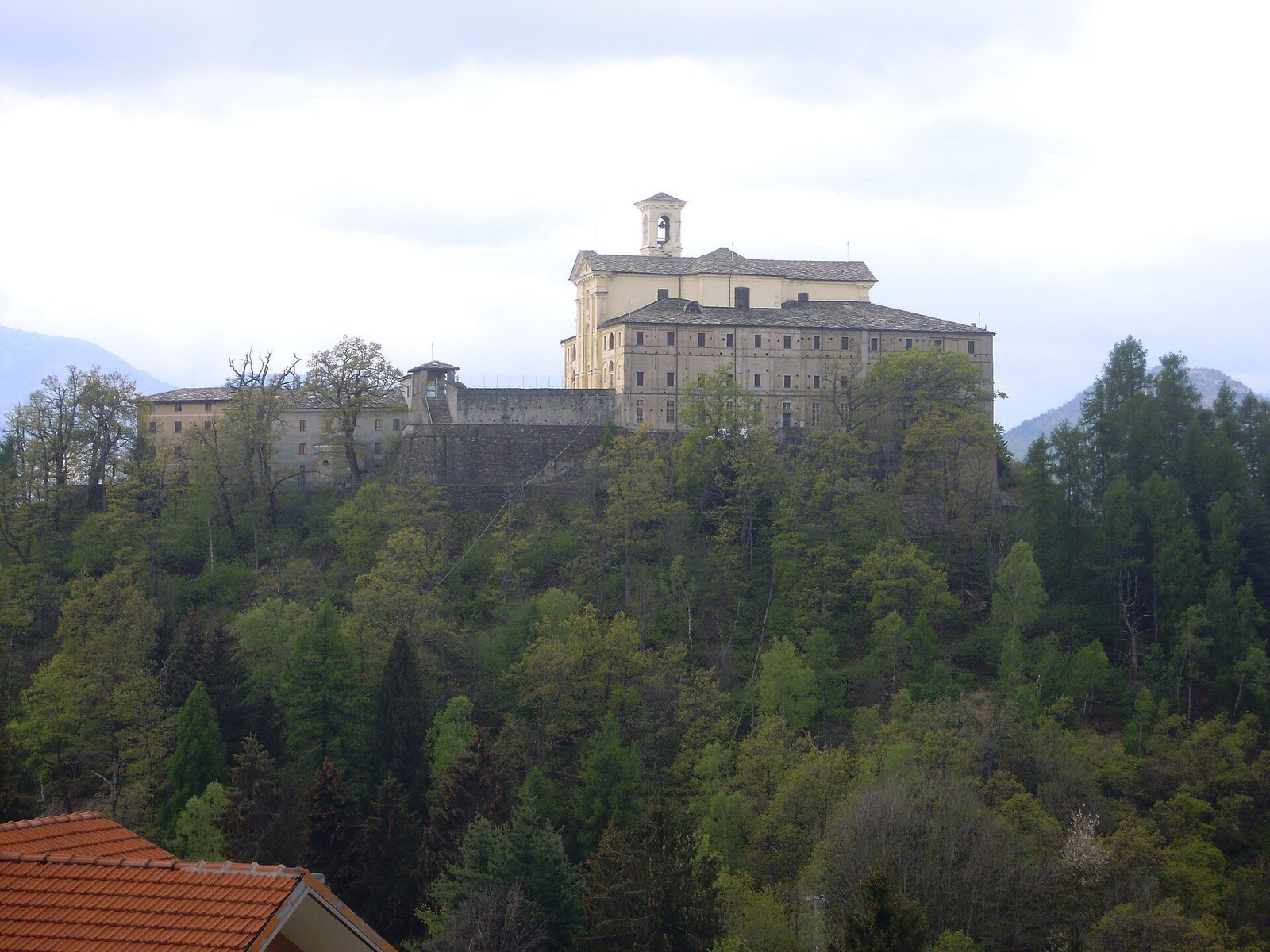
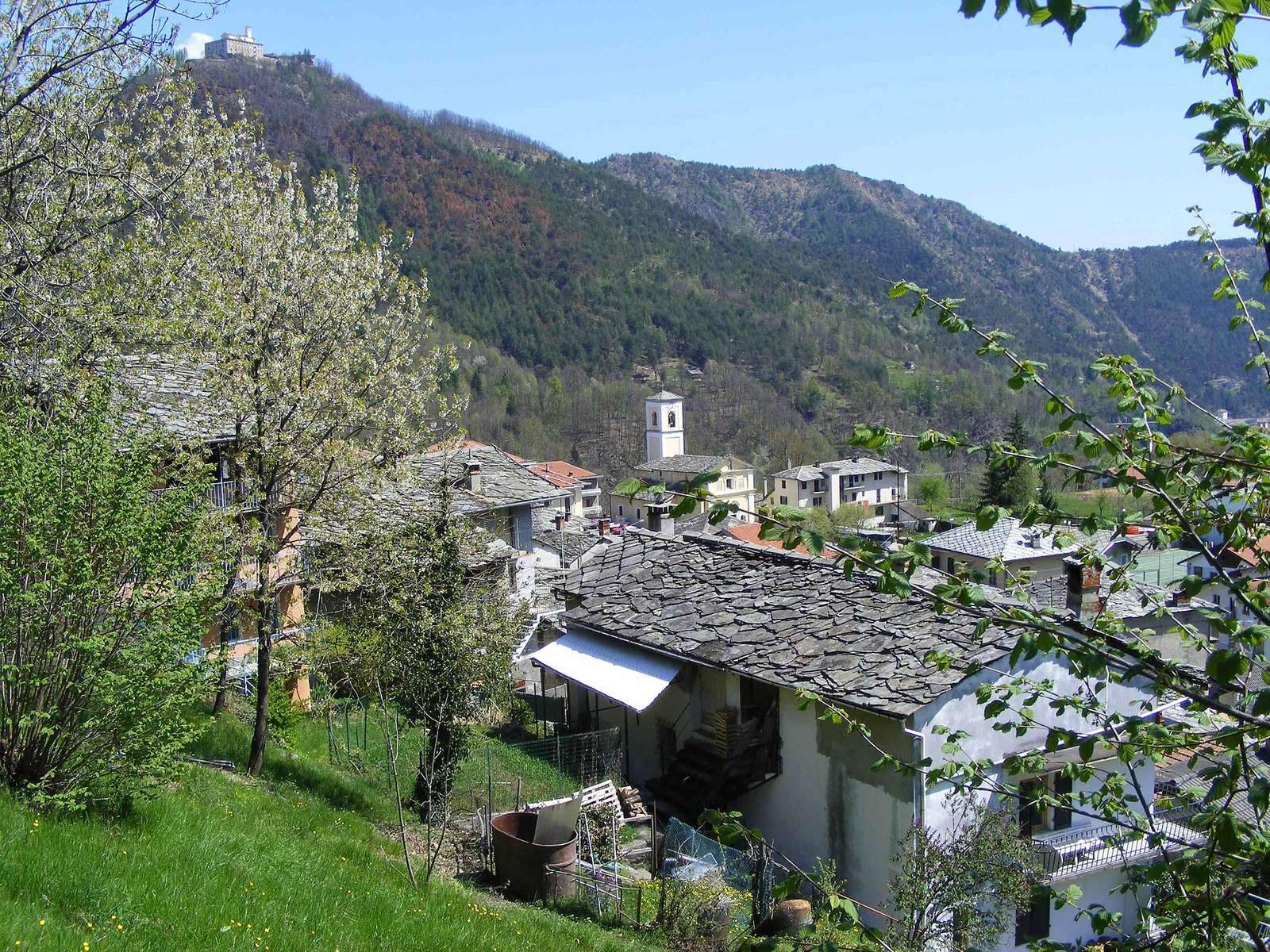
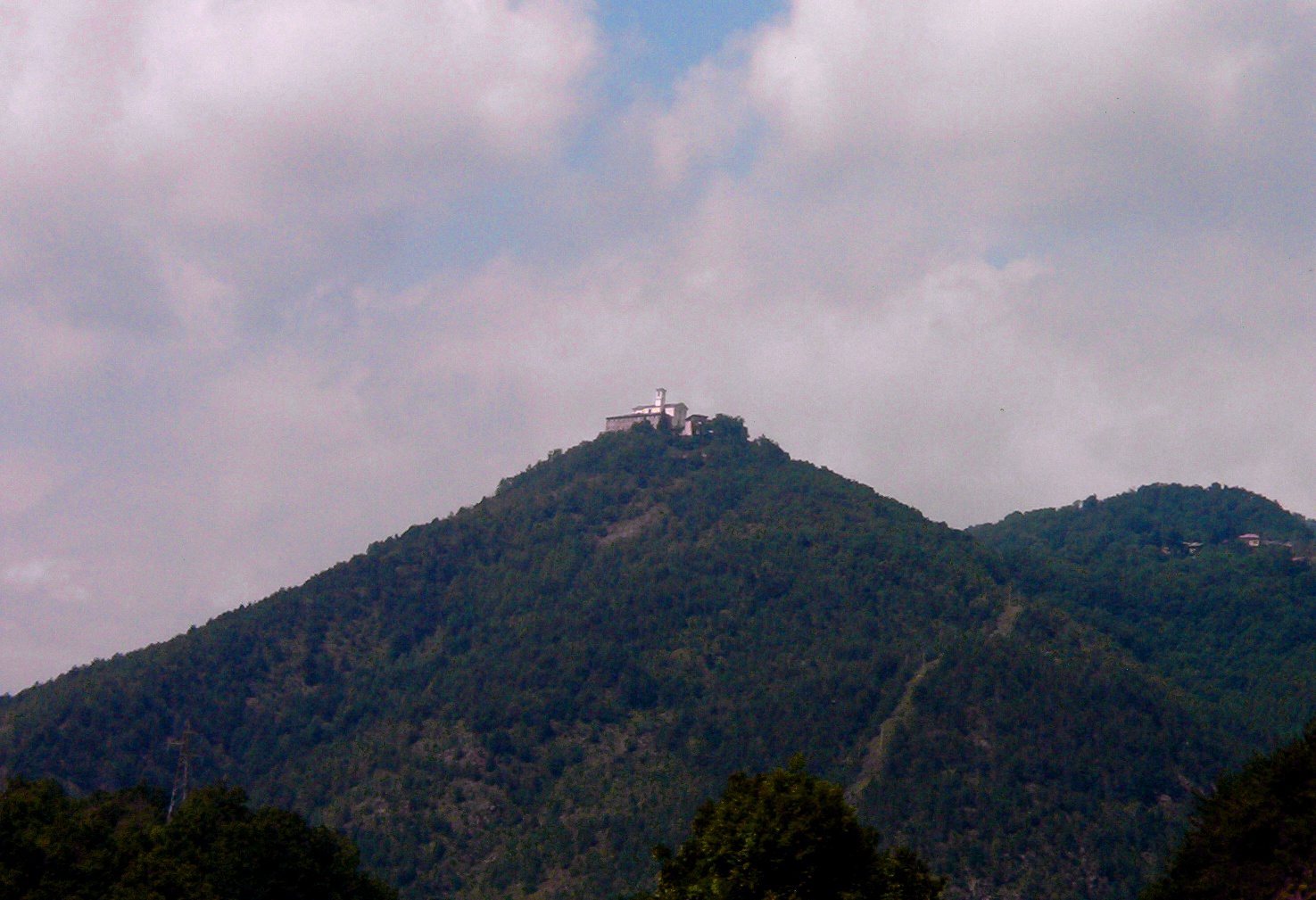
The sanctuary stands at 931 metres above sea level on the summit of Mount Bastia, in the Lanzo Valleys. Its church has a centralized plan, organized around a central space, and incorporates the rock at the mountain’s summit.
Centralized church
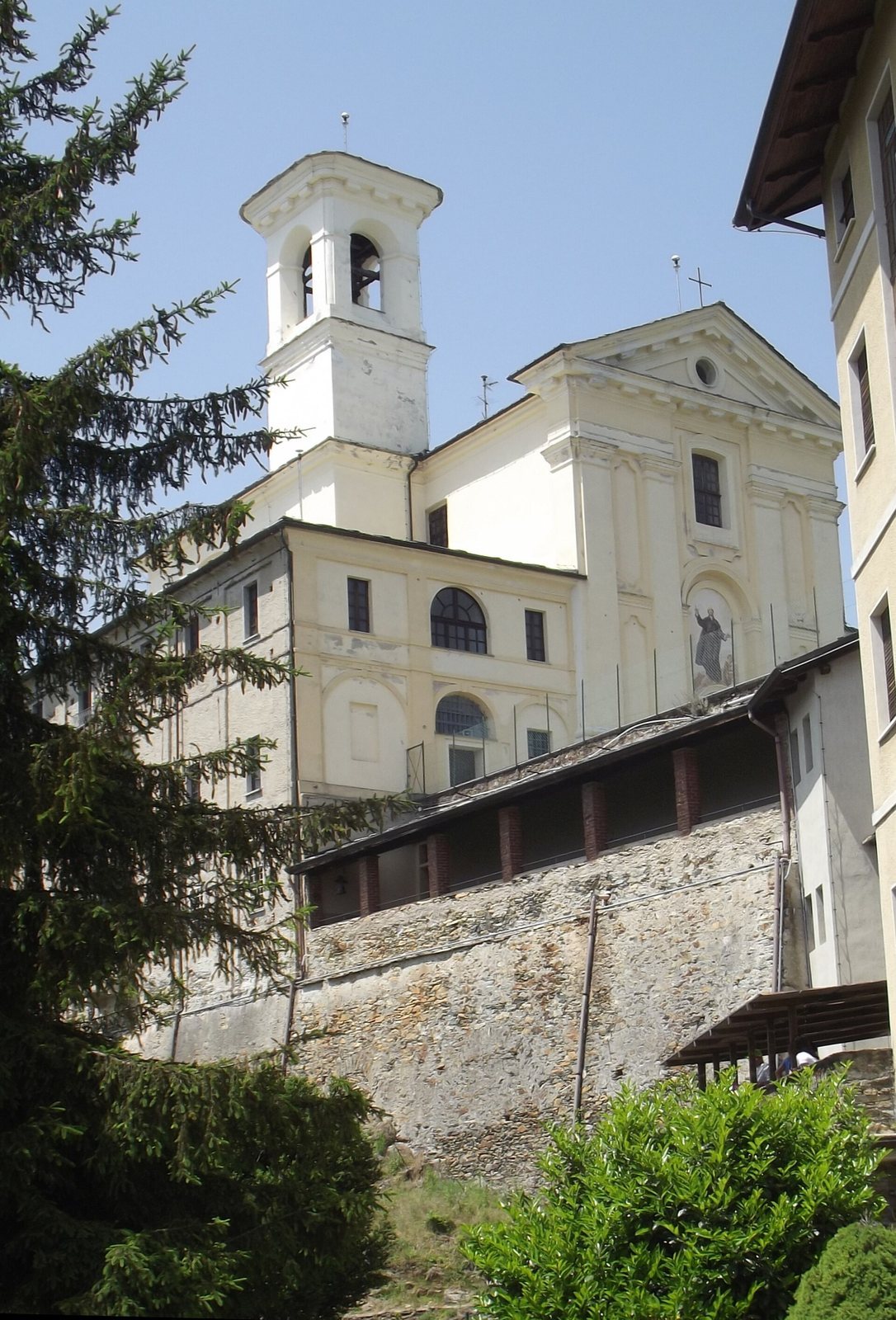
The church’s main structure dates to the seventeenth century. Its early nineteenth-century refurbishment gave it a Neoclassical appearance, drawing on ancient Greek and Roman design principles.
Summit rock, altar, and statue
Two rock formations remain inside the church. One is associated with the summit and the main altar; the other holds a statue of Ignatius. The Italian architect Bernardo Vittone helped design the altar.