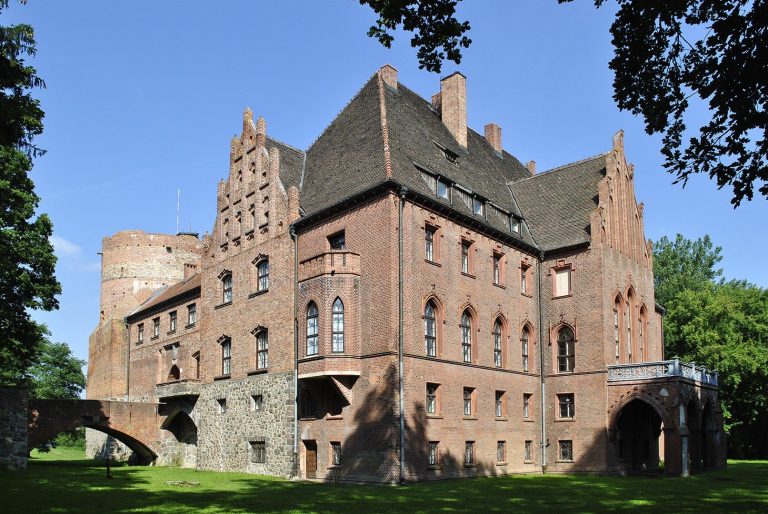
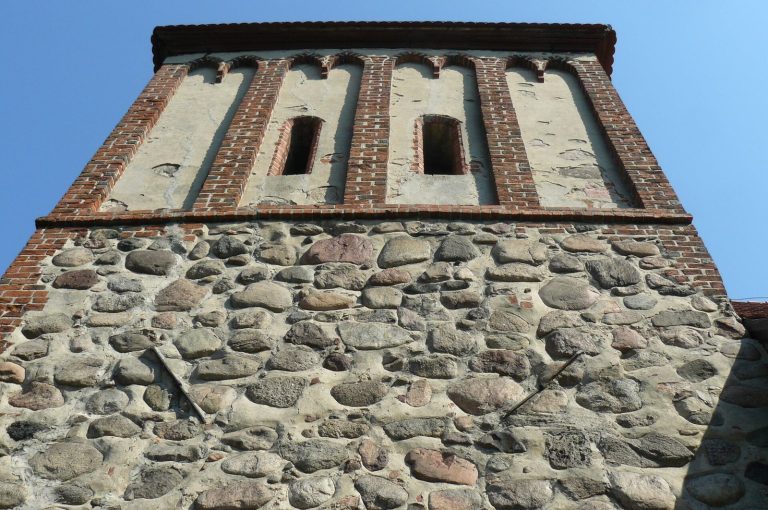
Church of Our Lady of Częstochowa in Wojtaszyce: A Renaissance Roman Catholic Church
Site at a Glance
- Popularity
- Very Low
- Country
- Poland
- Primary era
- Early Modern
- Eras represented
- Early Modern, Modern
- Civilizations
- Unclassified
- Site type
- Religious
- Remains
- Church
On this page7 sections
History
The Church of Our Lady of Częstochowa in Wojtaszyce is a Roman Catholic church in Poland, built shortly after 1600 in the early 17th century with Renaissance features. Its dedication refers to Our Lady of Częstochowa, a title of the Virgin Mary associated with Polish Catholic devotion. The church serves as a filial church, dependent on a parish rather than a separate parish church, under the Parish of St Joseph the Betrothed in Jenikowo. That dedication refers to Joseph as Mary’s spouse. The parish belongs to the Maszewo deanery, a territorial grouping of parishes within a diocese.
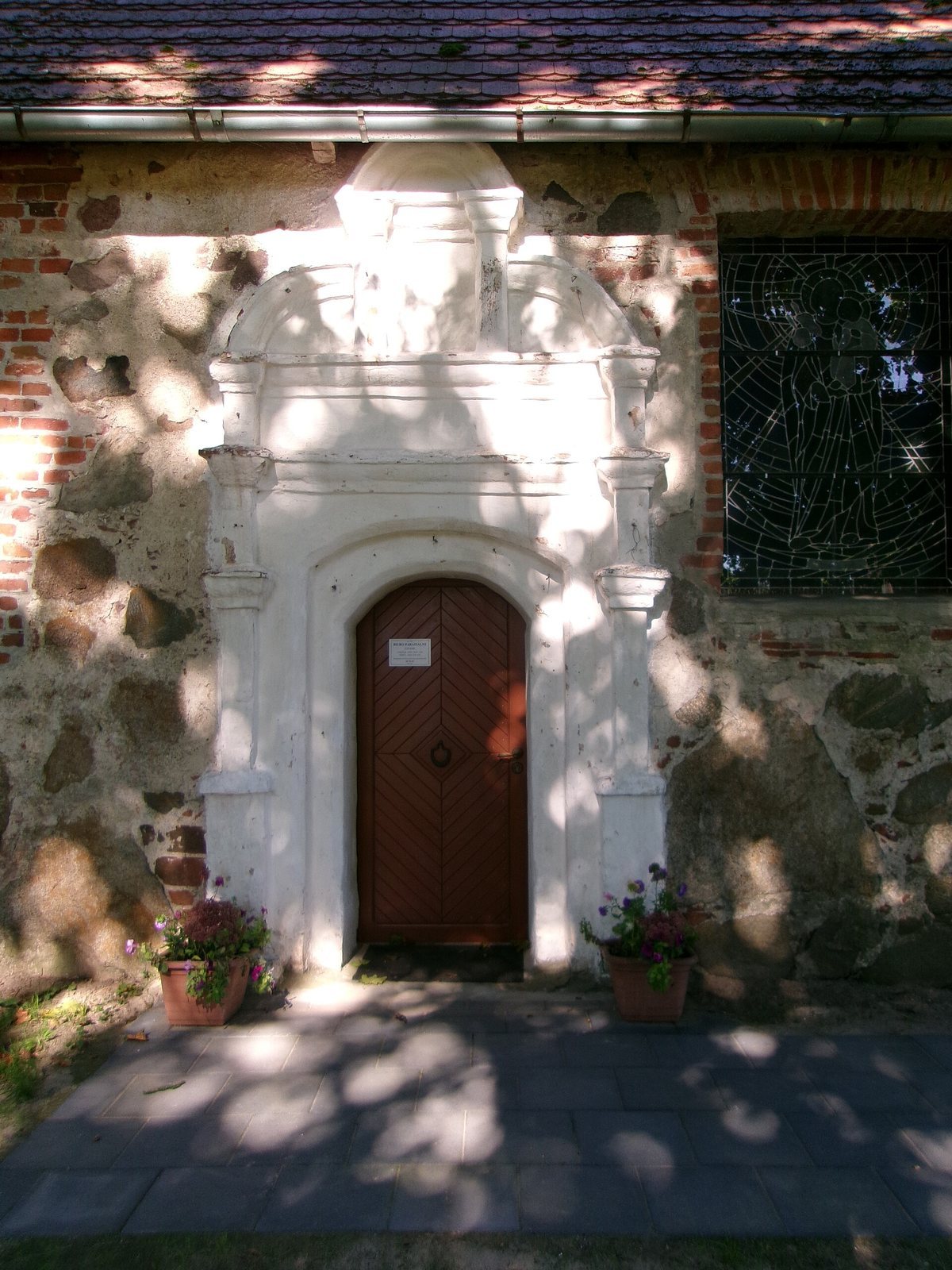
An extensive remodeling in the 18th century altered the shapes of the windows and entrance portal.
The church was consecrated in 1945. Its patronal feast is observed on 26 August.
Remains
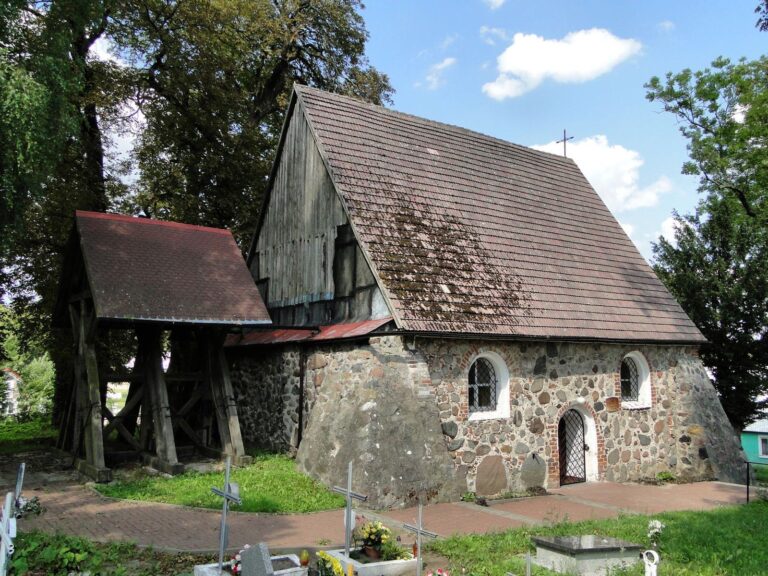
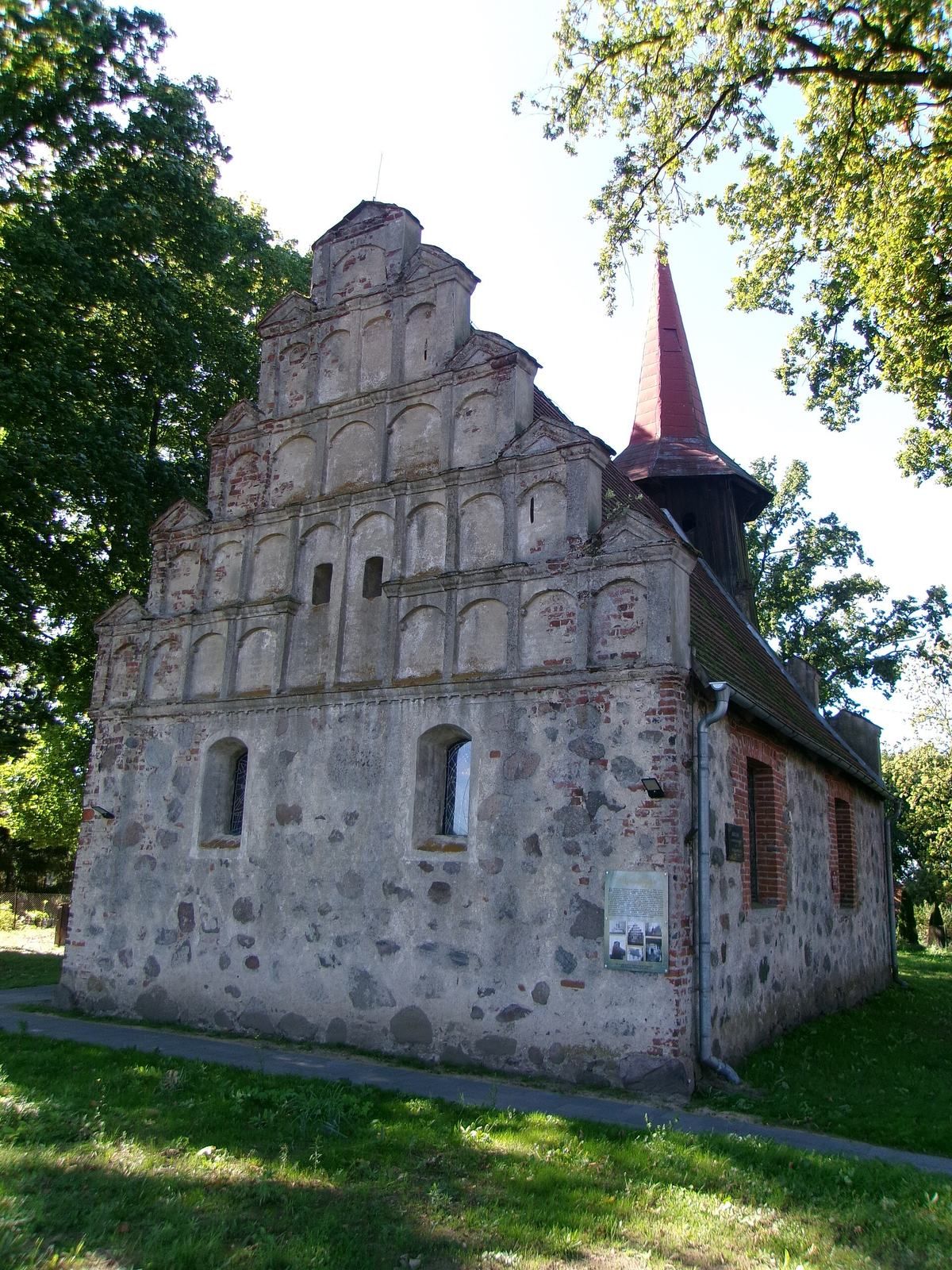
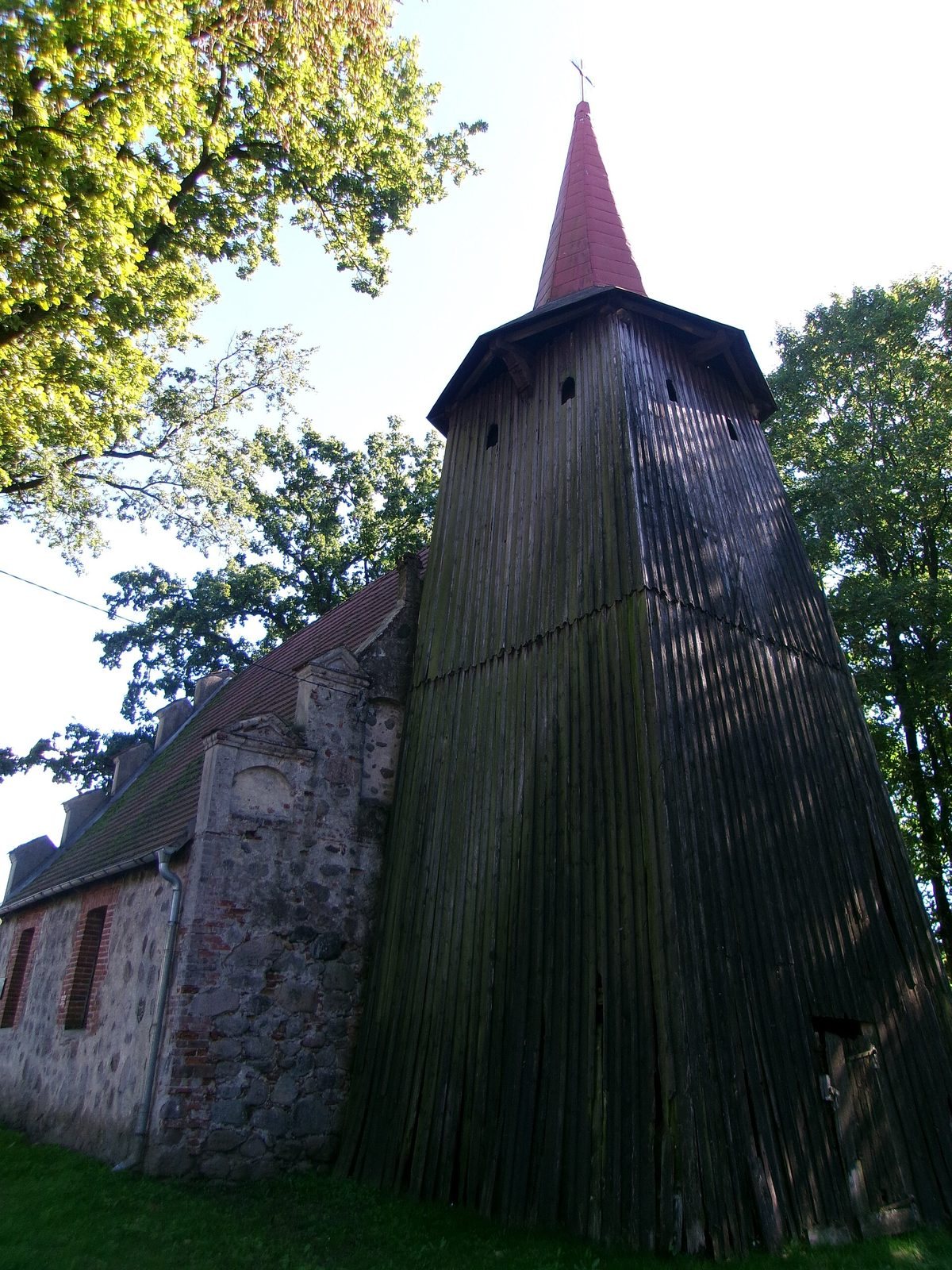
The church has a rectangular plan and a single nave, built of fieldstone and brick. One tower forms part of the building.
Exterior
The Renaissance gable is made of plastered brick, and the main Renaissance portal is set in the south facade. The gable roof is covered with ceramic tiles, and the original wooden roof truss survives. The west gable is modest in form, reflecting planning for the larger complex considered while the nave was being built, including a future tower and bell tower.
Interior
Layout and finishes
The interior has a hall-like arrangement beneath a flat wooden ceiling. The nave floor is brick, while the galleries have wooden floors and the area around the altar has a poured floor. A music gallery occupies the west end.
Organ and baptismal font
The organ stands on the gallery above the entrance on the tower side. Szczecin organ builder Barnim Grüneberg built and installed it in 1894 as opus 360, the catalogue number assigned to the instrument in his work. A plaque on the console and Grüneberg’s instrument list give that number. By 2023, the organ was in very poor condition and unusable. An ornate baptismal font dated 1876 stands on the altar platform. Its decorated basin is octagonal, with pronounced molded contours.
Cemetery
A former German cemetery beside the church was established around the latter half of the 16th century. Mature trees cover the grounds. A boulder bears a plaque commemorating villagers who fell on the fronts of the First World War.