Korekawa Site: A Jōmon Settlement Complex in Japan
Site at a Glance
- Rating
- 4.3
- Popularity
- High
- Country
- Japan
- Primary era
- Stone Age
- External website
- Open
- Eras represented
- Stone Age
- Civilizations
- Unclassified
- Site type
- Domestic
- Remains
- House
On this page11 sections
History
The Korekawa Site is a prehistoric settlement complex in Hachinohe, Aomori Prefecture, Japan. It was occupied during the Jōmon period, a prehistoric era known for its distinctive pottery, and comprises three areas: Nakai, Ichioji, and Hotta. Their remains span the early, middle, and final Jōmon periods, with evidence of later activity at Hotta in the early Yayoi period, when wet-rice agriculture spread in Japan.
Jōmon communities and cultural importance
Nakai is associated chiefly with the final Jōmon period and serves as a type site, an archaeological place whose remains help define a cultural tradition. Its finds represent the Kamegaoka culture, a distinctive tradition that spread across northeastern Japan. The material from Nakai is especially informative about this culture’s crafts and beliefs. Lacquerware from the site also points to organized production of lacquered tools.
Ichioji is associated with the early and middle Jōmon periods. Anthropologist Hasebe Kotondo gave cylindrical pottery its name at this site. Ichioji also became central to the “Minerva debate” between archaeologist Yamanouchi Sugao and historian Kida Sadakichi, concerning how late Jōmon pottery continued to be made.
Hotta is principally associated with the middle Jōmon period, though its finds show activity in other periods as well. Early Yayoi pottery impressed with rice grains provides evidence for the arrival of rice cultivation in the area.
Excavation and recognition
Pottery and stone tools were found around Korekawa from the Meiji period (1868–1912). Excavation began in 1920 under the direction of a local landowner and his brother-in-law, who carefully kept the objects they recovered. After the Second World War, more than 6,000 items from their collection were donated to Hachinohe City. Further excavation took place in 1962. A 1993 investigation preceded planned construction of a Jōmon learning center, while work from 1999 to 2004 examined the extent and contents of Nakai.
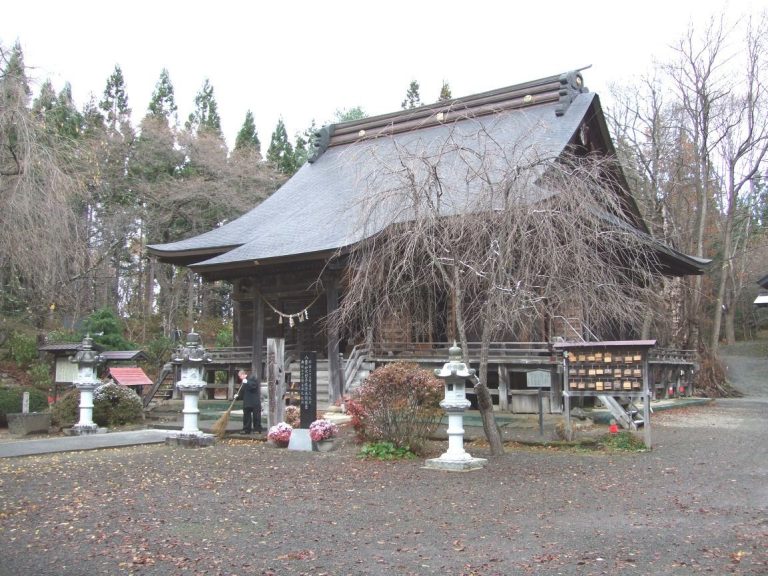
Korekawa became a National Historic Site in 1957, and its protected area was enlarged in 2004 and 2013. Finds from Nakai received Important Cultural Property status in 1962, with 330 additional objects added in 2011. One seated male figurine from the site was designated a National Treasure. In 2011, the Korekawa Jōmon Kan museum opened at the site; it holds most of the excavated objects and displays many of them. In 2021, Korekawa became part of the UNESCO World Heritage property Jōmon Prehistoric Sites in Northern Japan.
Remains
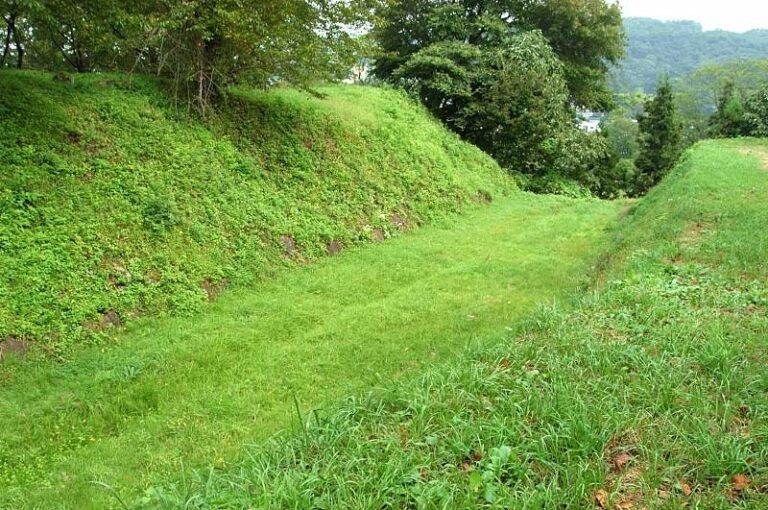
The archaeological complex occupies a terrace on the left bank of the Niida River, at elevations of about 10 to 30 metres. The settlement was relatively small, with areas for homes, burials, work, refuse disposal, and ritual activity. Its three component sites preserve different parts of this history, from Nakai’s low-lying wetland deposits to the pottery and structural remains at Ichioji and Hotta.
Nakai Site
Wetland deposits and burials
Much of Nakai lies in low, wet ground that includes a valley-shaped area. Refuse deposits there contained abundant nuts and other remains alongside archaeological objects. A peat layer yielded seeds from walnuts, horse chestnuts, and oaks, as well as animal remains. Excavations also uncovered intact pottery and stone tools, together with pit graves containing human bones scattered with red pigment.
Wood and lacquer objects
The peat deposits preserved wooden implements, lacquerware, bone and antler objects, and products made from bark. Among the finds were wooden bracelets formed into rings from vine-like material and finished with red and black lacquer. Bows were made either from one piece of wood or from several, with bark, including wild cherry bark, wrapped around the notches for their strings. An elongated comb of beautyberry wood had eight teeth fitted individually into its base and was used for ceremonial occasions.
Pottery and ritual objects
Other finds include earrings, a sword, a zither, and clay figurines shaped as women. Stone rods and stone swords are thought to have served ritual purposes. Plant-based containers were coated in red lacquer, which was also applied to the inner and outer surfaces of jar-shaped pottery and spouted vessels. The spouted vessels were special ritual objects rather than everyday utensils. A seated male figurine depicts a figure in a prayer posture.
Ichioji Site
Excavations at Ichioji revealed a shell mound, animal bones, bone tools, and pottery from the early and middle Jōmon periods. Together, these remains provide physical evidence of the periods represented at the site.
Hotta Site
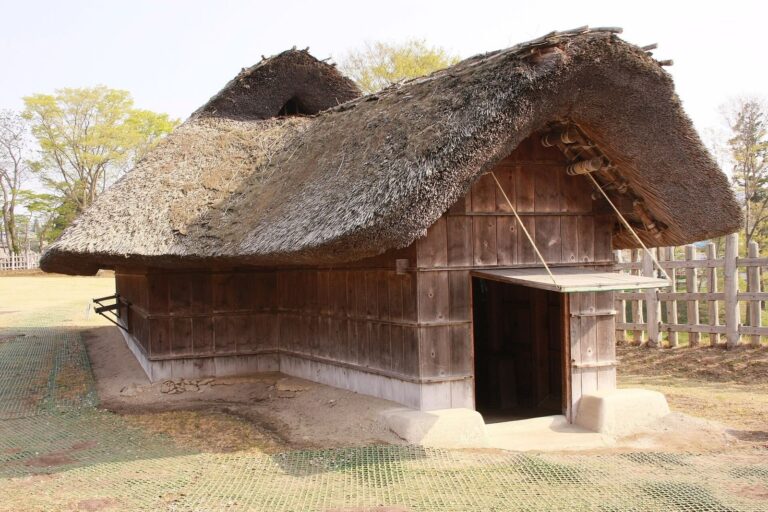
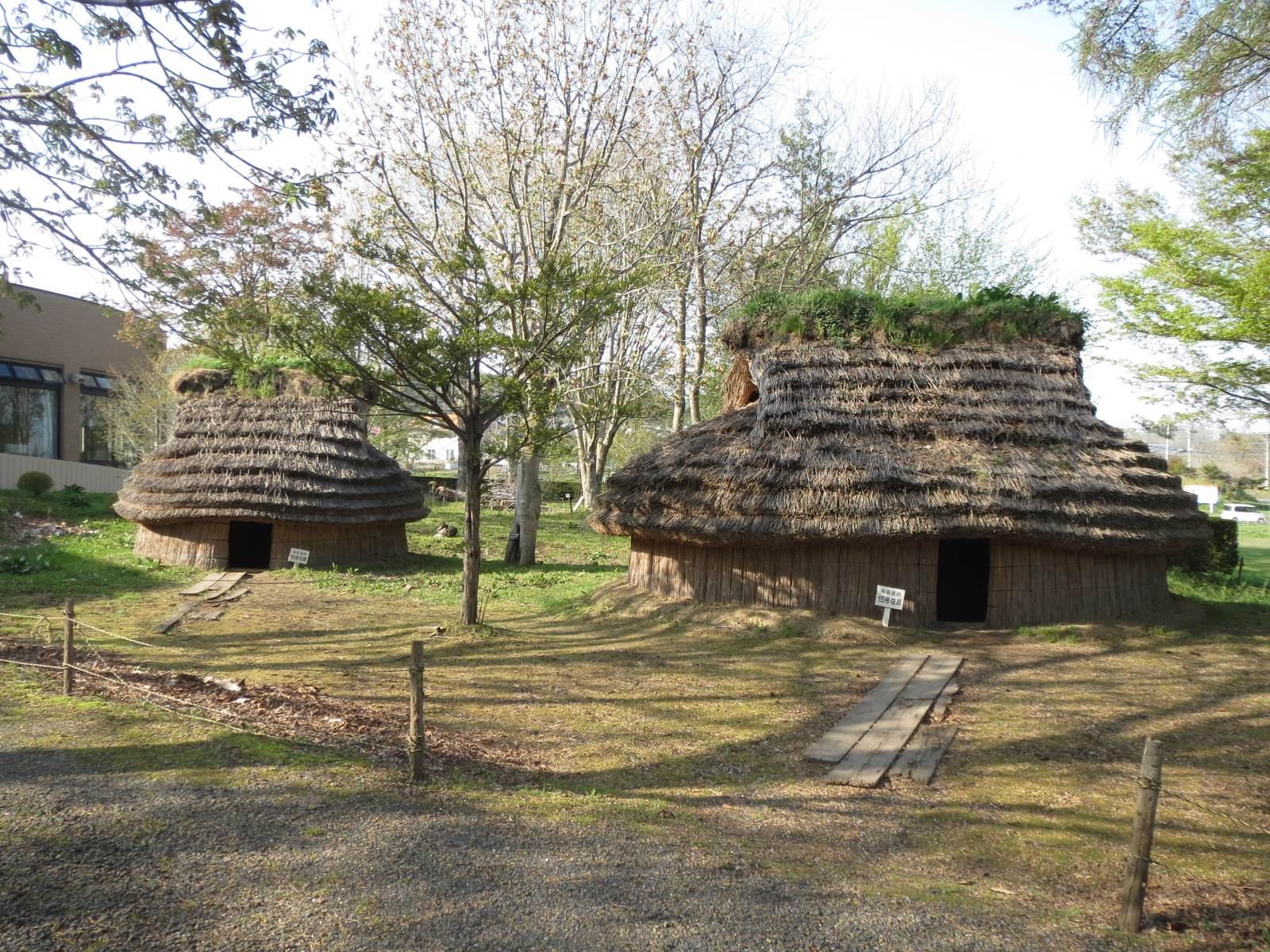
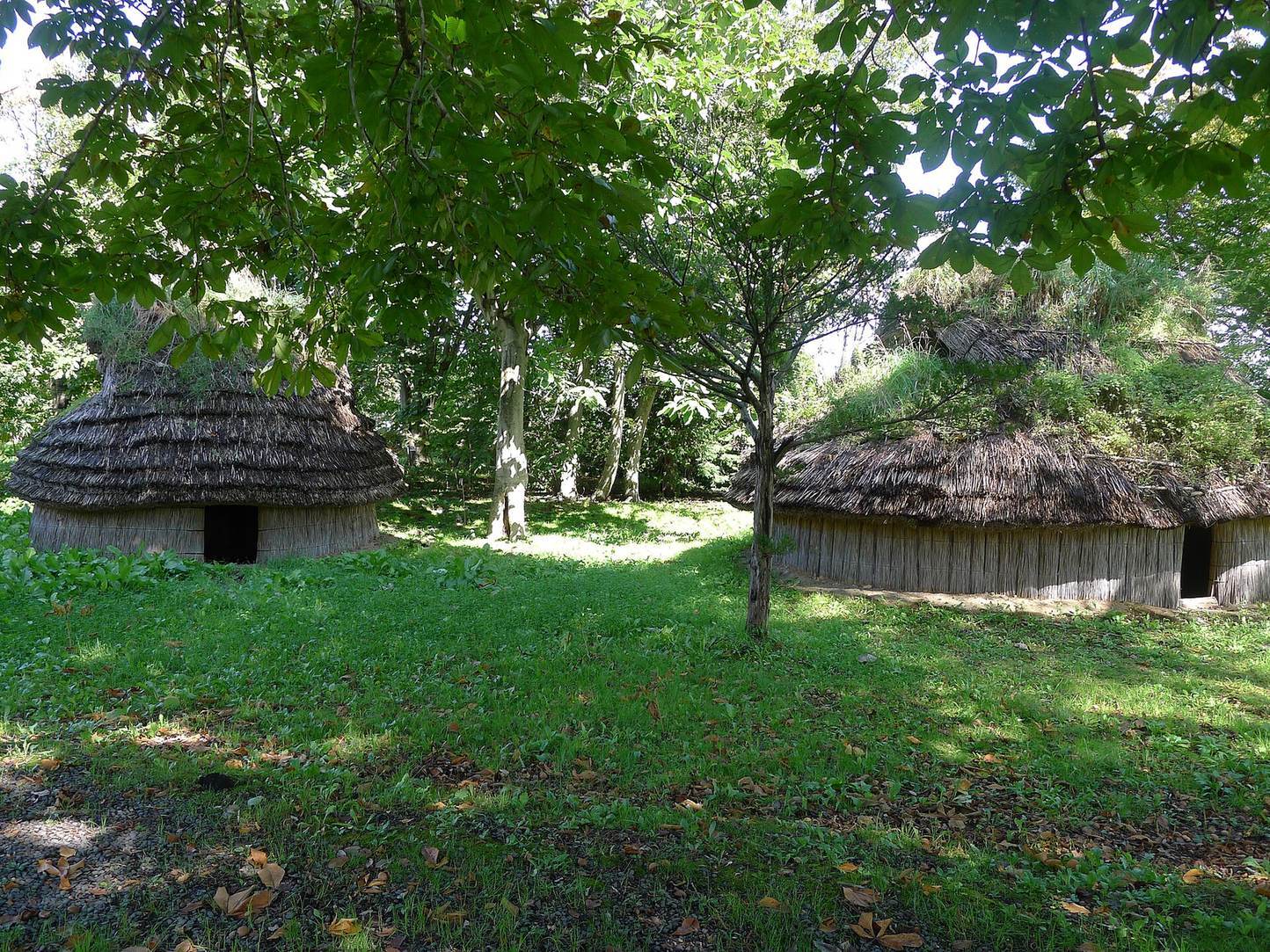
Hotta has pottery fragments from the middle and late Jōmon periods. Its structural remains include a circular trace of a pit dwelling, a house with its floor set below ground level, dating to the end of the middle Jōmon period. A concentration of stones belongs to the late Jōmon period. Early Yayoi pottery impressed with rice grains was also recovered.
Memorial stone
A local-history association erected a stone monument at Korekawa in 1932 to encourage preservation of the site and public awareness of it. The inscription identifies the Korekawa Site.