Hōshi Ryokan: A Traditional Japanese Inn Founded in 718
Site at a Glance
- Rating
- 4.2
- Popularity
- High
- Country
- Japan
- Primary era
- Early Modern
- External website
- Open
- Eras represented
- Early Modern
- Civilizations
- Tokugawa
- Site type
- Domestic
- Remains
- House
On this page7 sections
History
Founding and early visitors
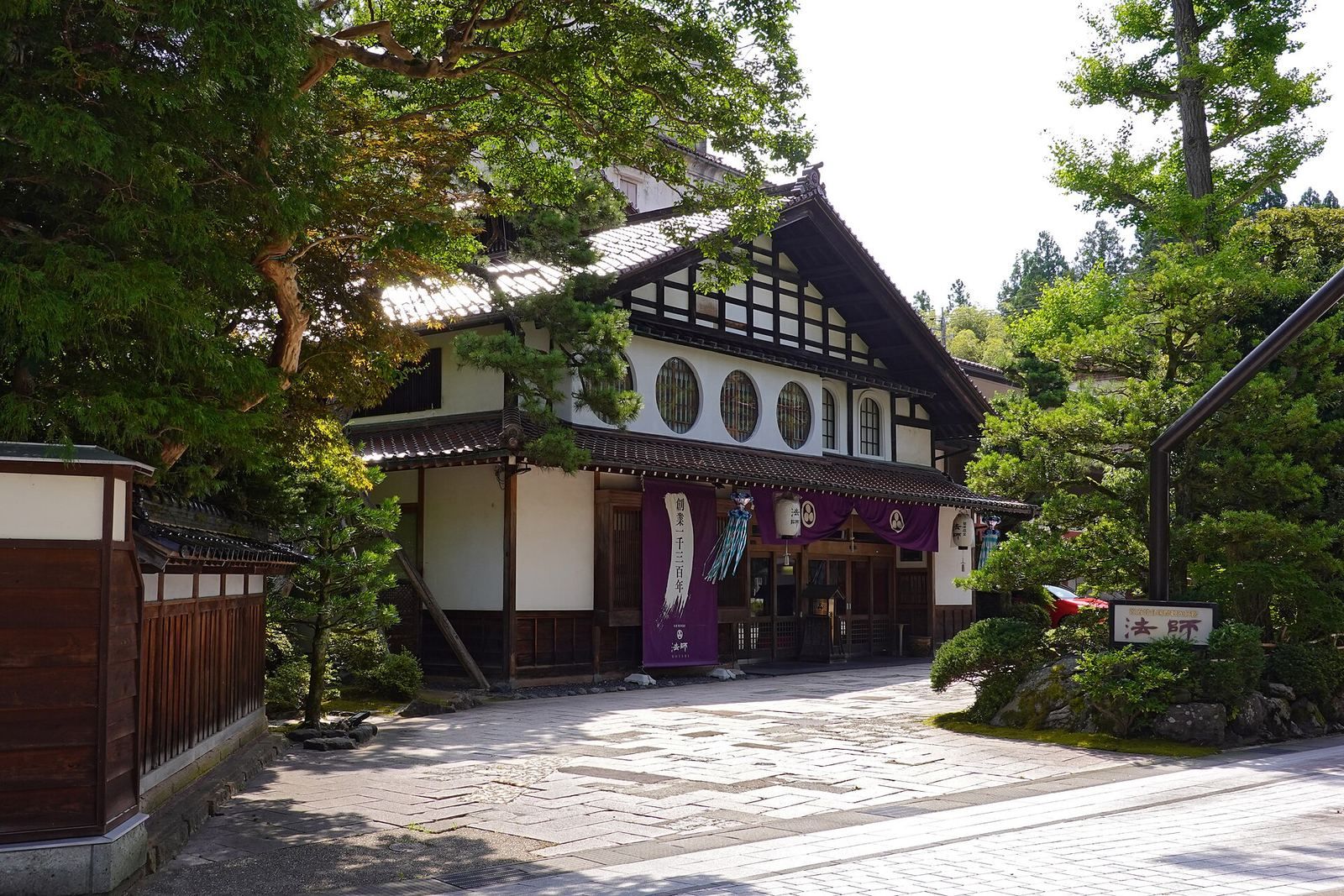
Hōshi Ryokan is a traditional Japanese inn in Awazu, Komatsu, Ishikawa Prefecture, Japan, founded in 718 beside a hot spring. Family tradition says that the Buddhist teacher Taichō dreamed of a spring nearby. After finding it, he instructed his disciple Garyō to build a guesthouse and establish a healing bath there. The spring was believed to cure illnesses considered incurable, and Taichō gave the inn the name Hōshi.
In 990, the retired emperor Kazan stayed at Hōshi while traveling to Nata-dera, a temple founded by Taichō. Kazan later returned to the inn on other occasions.
Later history and family continuity
In the fifteenth century, the Buddhist monk and religious leader Rennyo hid at Hōshi while working as a cook. The inn remained in the same family for 46 generations. By 2017, the Hoshi family had owned and managed it through those generations.
Recognition as a historic business
Hōshi joined the Henokiens in 1987. The association brings together family businesses with at least 200 years of history. After the construction company Kongō Gumi was liquidated in 2006, Hōshi was regarded as Japan’s oldest family business. Guinness had recognized it as the world’s oldest inn, but in 2011 that distinction passed to Nishiyama Onsen Keiunkan, founded in 705. A University of Pisa exhibition also identified Hōshi as the world’s oldest still-operating family company.
Remains
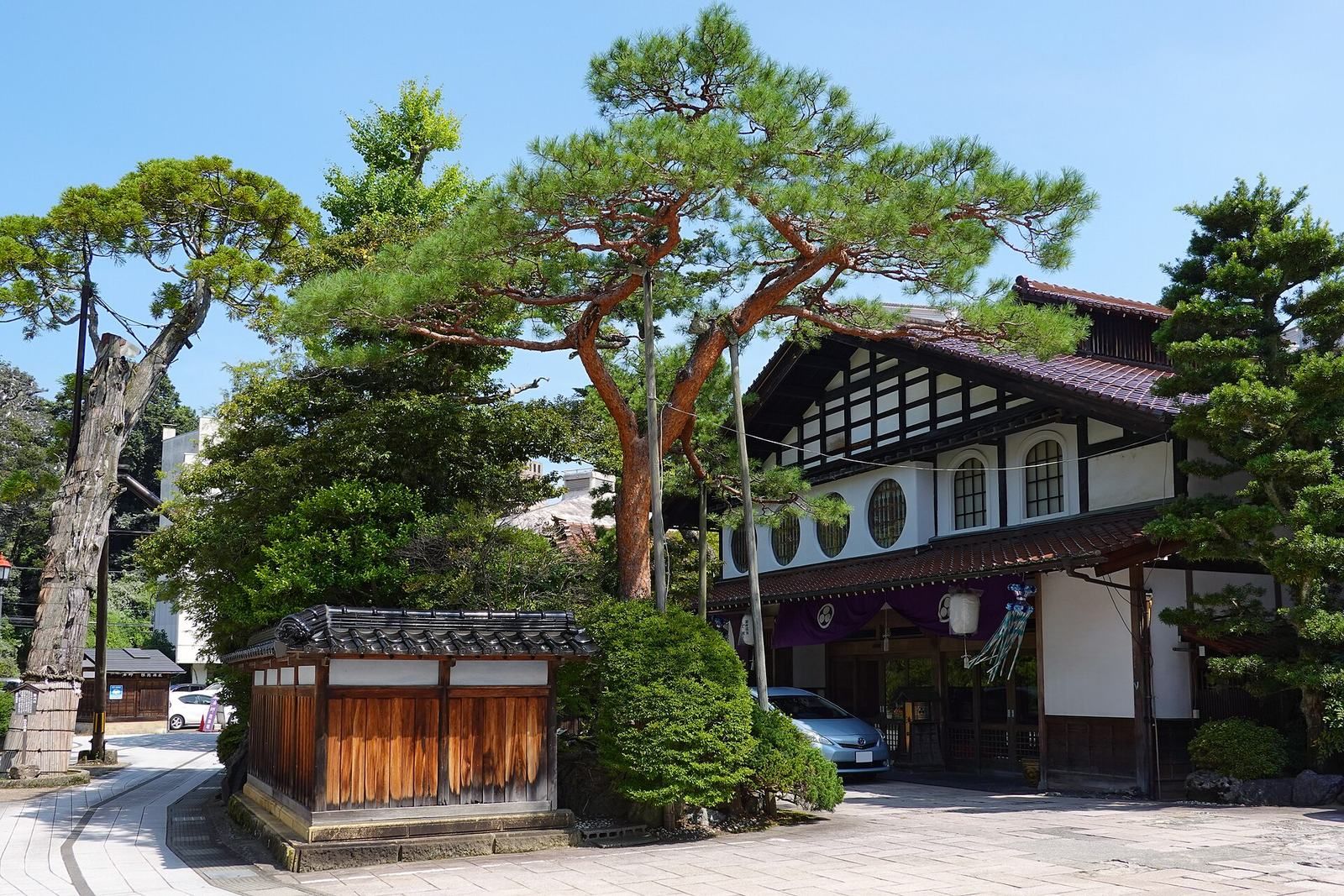
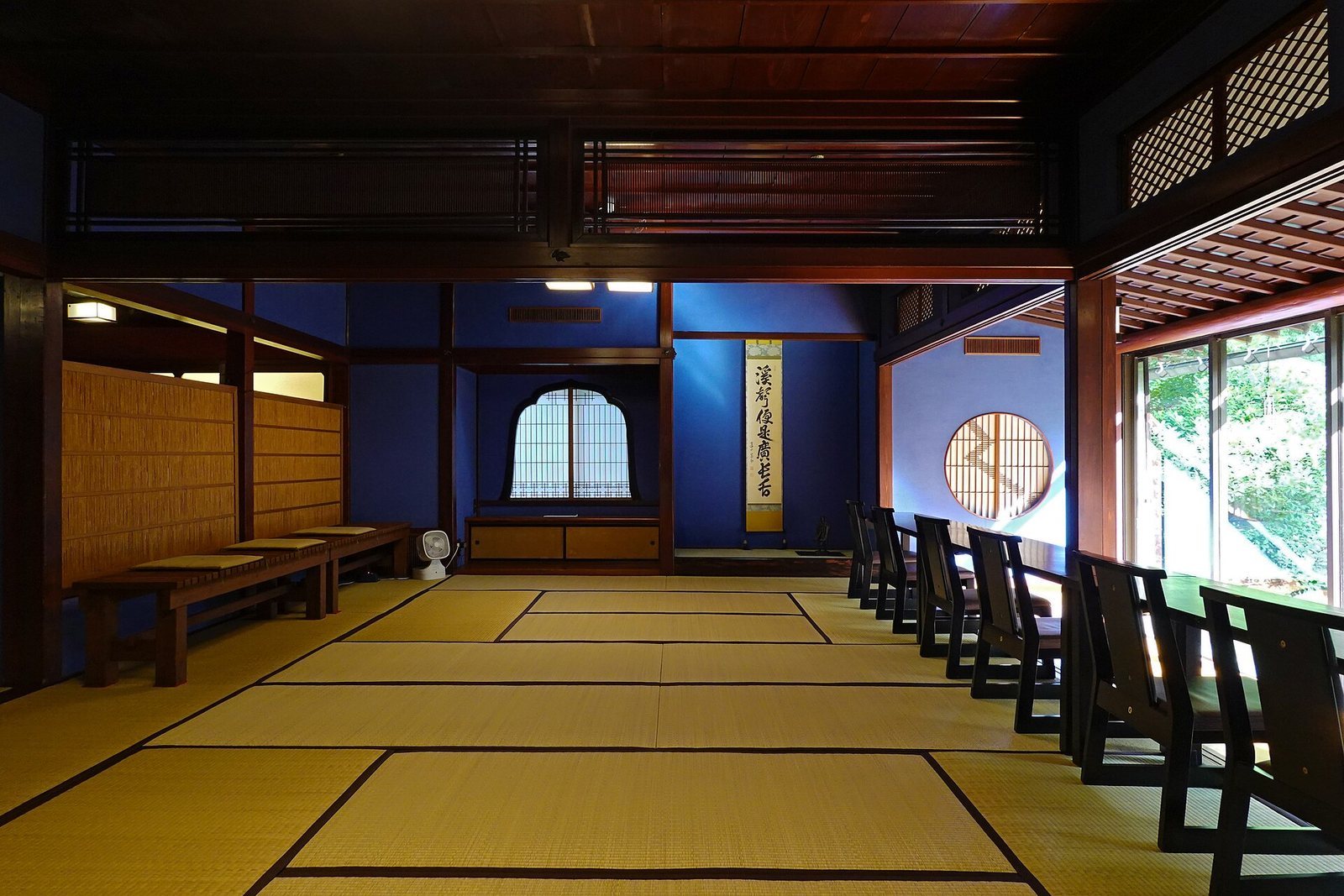
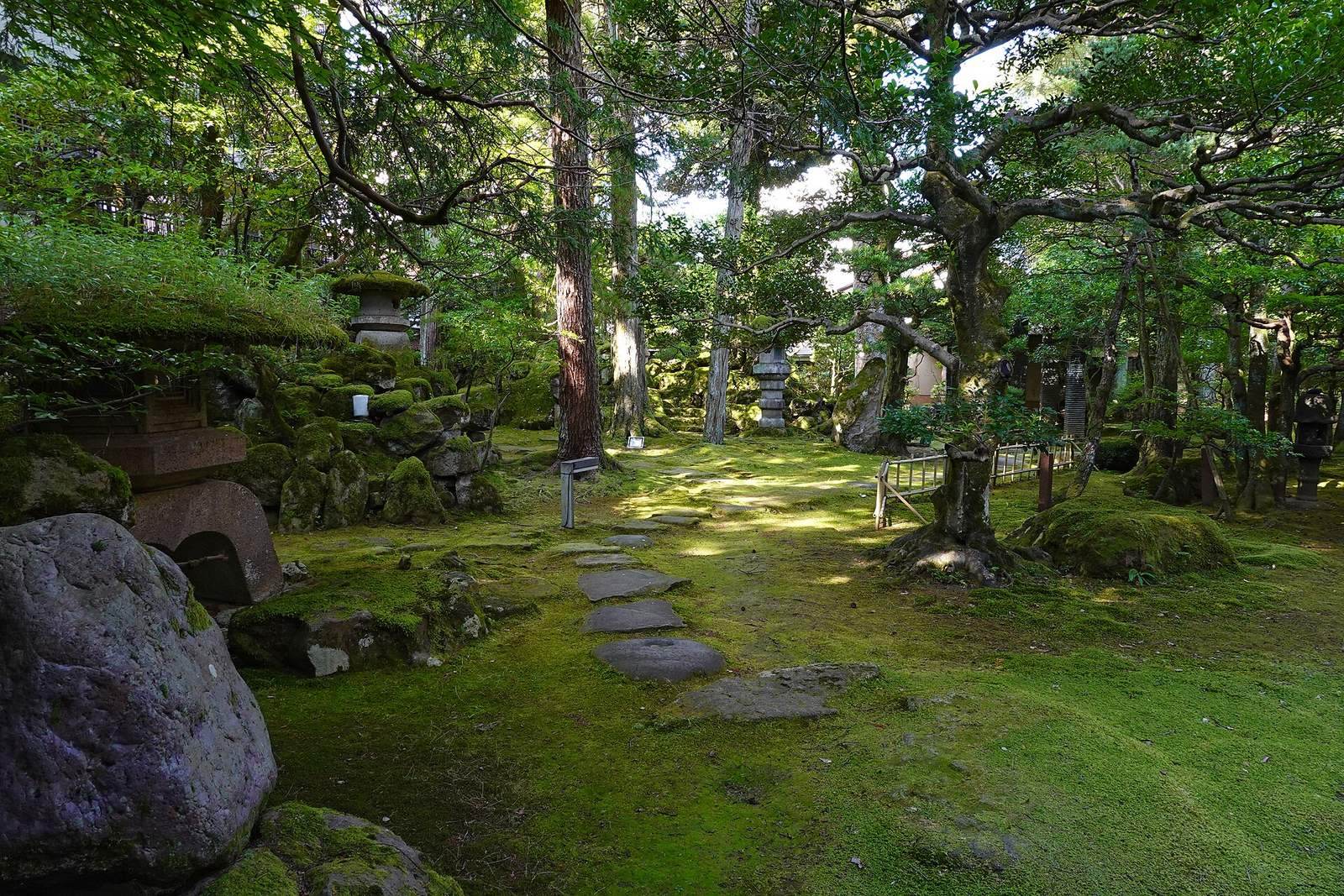
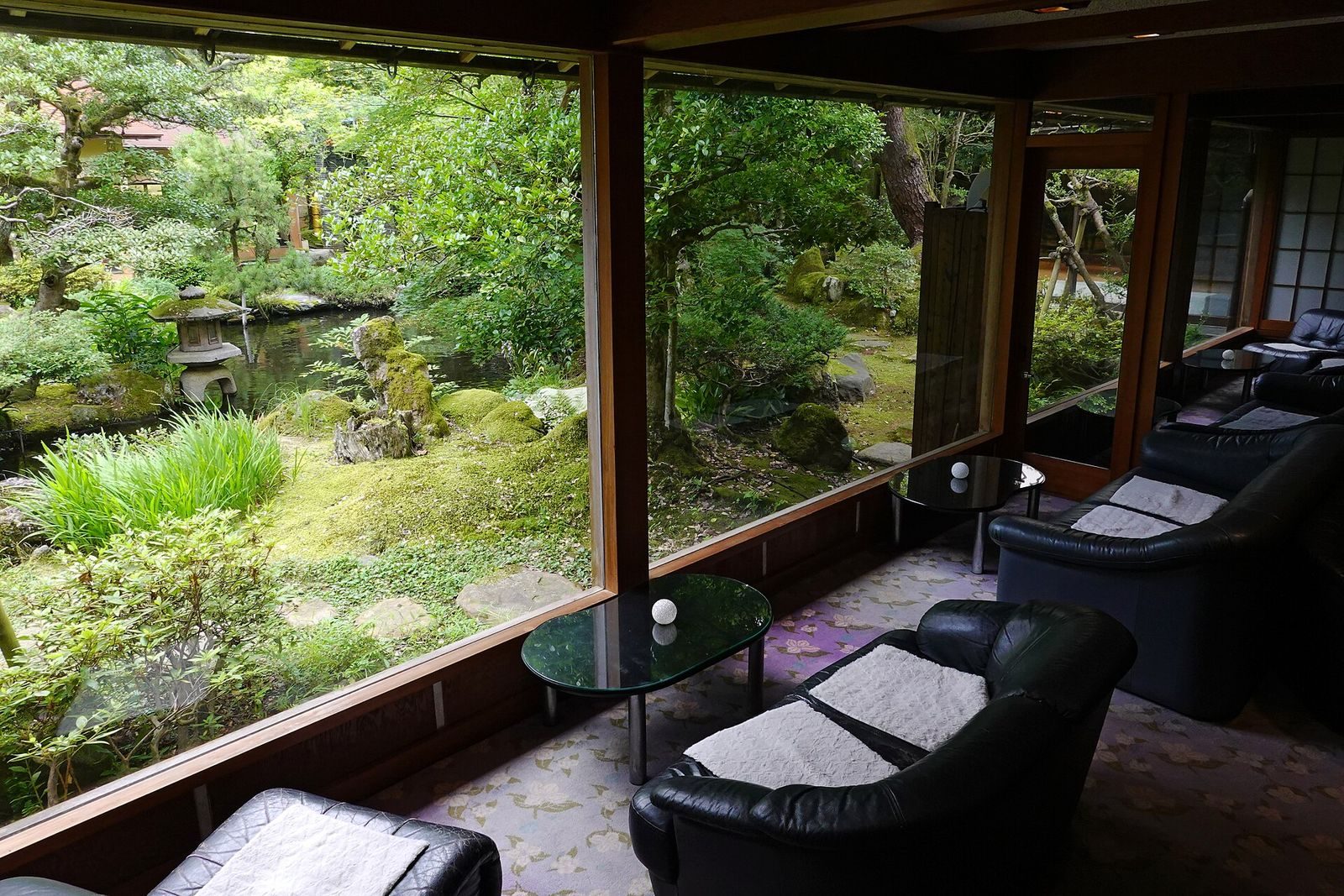
The inn’s physical features include sleeping rooms and a garden, while a commemorative pine stands at its entrance. Its founding is also associated with a bath established at a hot spring.
Bathing and accommodation
Hōshi’s founding tradition connects the inn with a bath established at a hot spring for healing. The inn has numerous sleeping rooms and a stated capacity of 450 guests.
Garden and entrance pine
Kobori Enshū, a garden designer, created the garden during the tenure of Hōshi’s 33rd family head. At the entrance stands a pine planted in 1640 to commemorate a visit by Maeda Toshitsune, a former feudal lord of Kaga.