Agios Loukas Church: A Late Byzantine Chapel in Greece
Site at a Glance
- Popularity
- Very Low
- Country
- Greece
- Primary era
- Medieval
- Eras represented
- Medieval
- Civilizations
- Byzantine
- Site type
- Religious
- Remains
- Chapel
On this page4 sections
History
Late Byzantine construction
Agios Loukas church is a Byzantine Christian chapel in Greece, begun in the 14th century and dated to the late 14th or early 15th century, during the later period of the Byzantine Empire. After the end of the Komnenos-Doukas-Angelos dynasty, a ruling house of the medieval Greek Despotate of Epirus in the western Balkans, church building in the region declined sharply. Agios Loukas was among the few religious monuments erected there during the 14th and first half of the 15th century.
Parish use and later status
Ottoman records show that Arta had 44 parishes in 1564 and 40 in 1579, each named for its church. Agios Loukas served as the center of its namesake parish, which included 12 Christian households.
By the late 19th century, Arta had 11 parishes and 10 neighborhoods. Agios Loukas, together with the churches of the Transfiguration and Saint Andrew, served as a chapel of Saint Theodora’s church in the neighborhood of Loukenas or Karapanou. Saint Theodora was a 13th-century consort of an Epirus ruler and is venerated as an Orthodox saint. A ministerial decision designated Agios Loukas a protected monument in 1977.
Remains
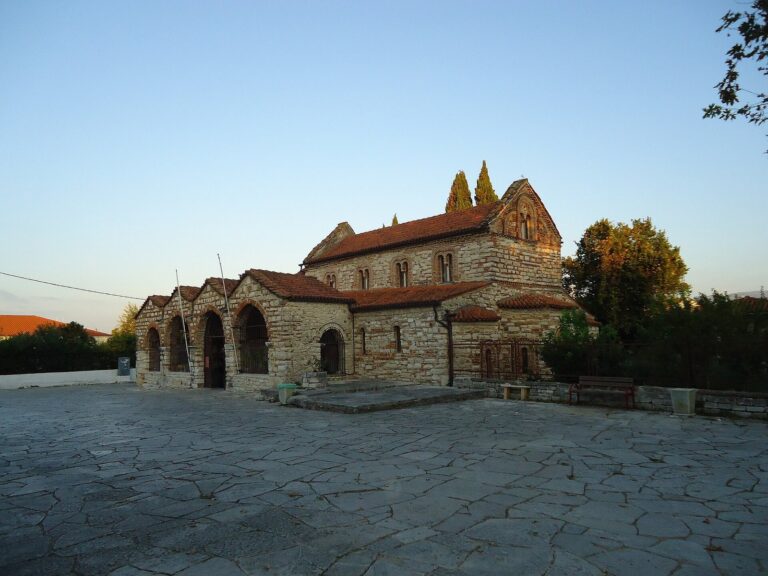
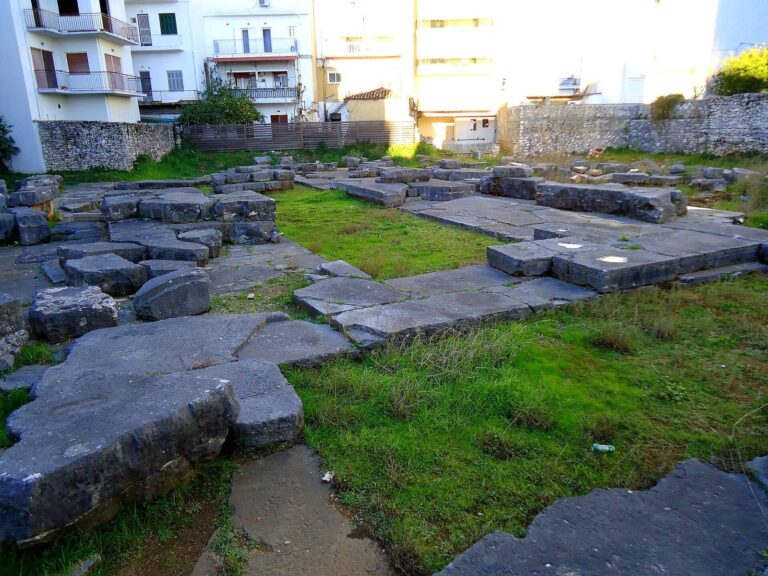
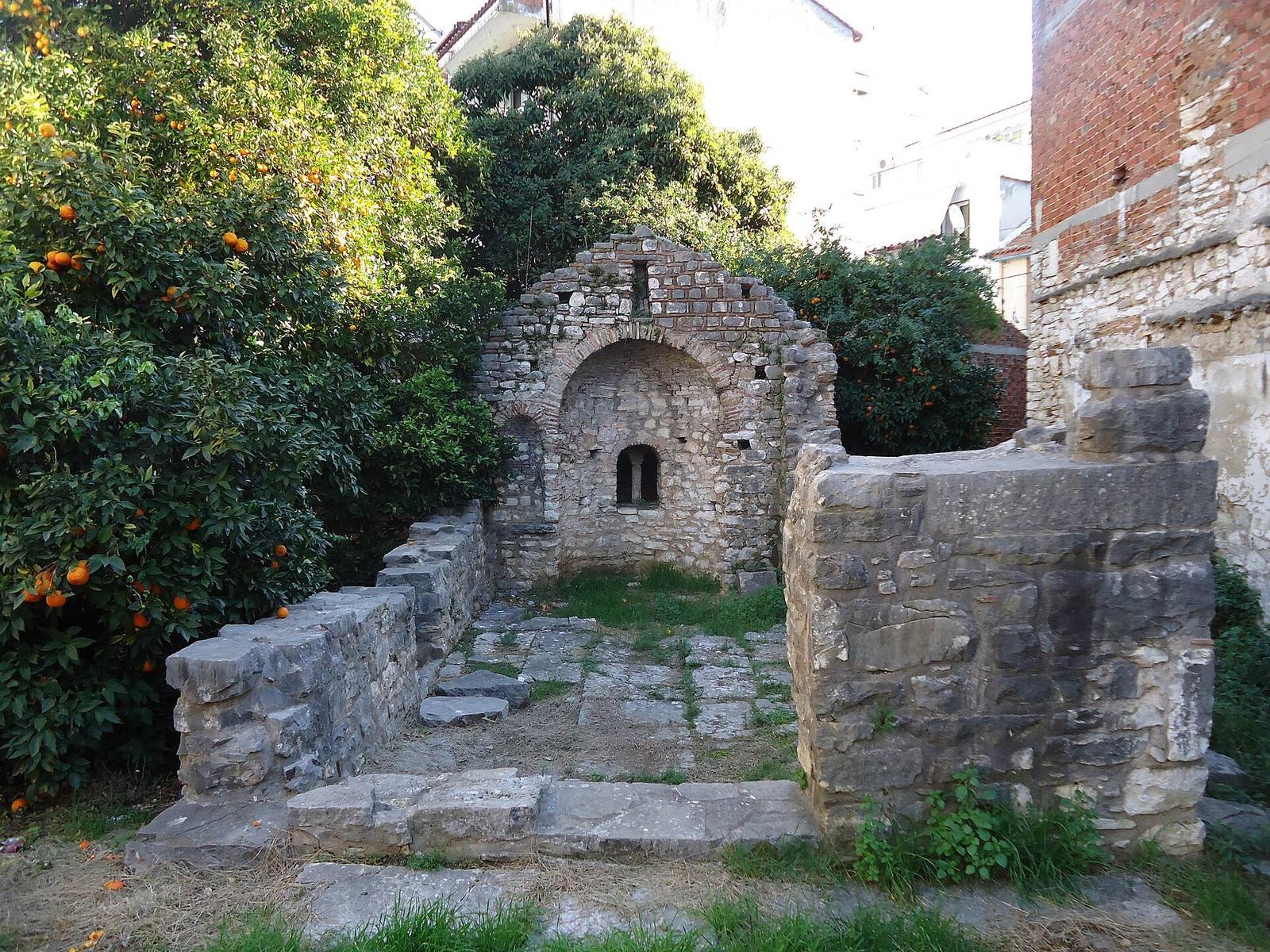
The chapel had a long, single-nave plan. Its masonry combined stone blocks framed by bricks. The surviving remains include the sanctuary’s three-sided apses, projecting ends of the sanctuary, and outlines of structures preserved at foundation level.
The remains stand at the corner of Vasileos Pyrrou and Philippou Manolaki streets, a short distance from the church of Saint Theodora, patron saint of Arta, and the Byzantine church of Saint Basil.