Venevitinov Estate: A Historic Manor and Museum in Russia
Site at a Glance
- Popularity
- Medium
- Country
- Russia
- Primary era
- Early Modern
- Eras represented
- Early Modern, Modern
- Civilizations
- Russian
- Site type
- Domestic
- Remains
- Manor House
On this page9 sections
History
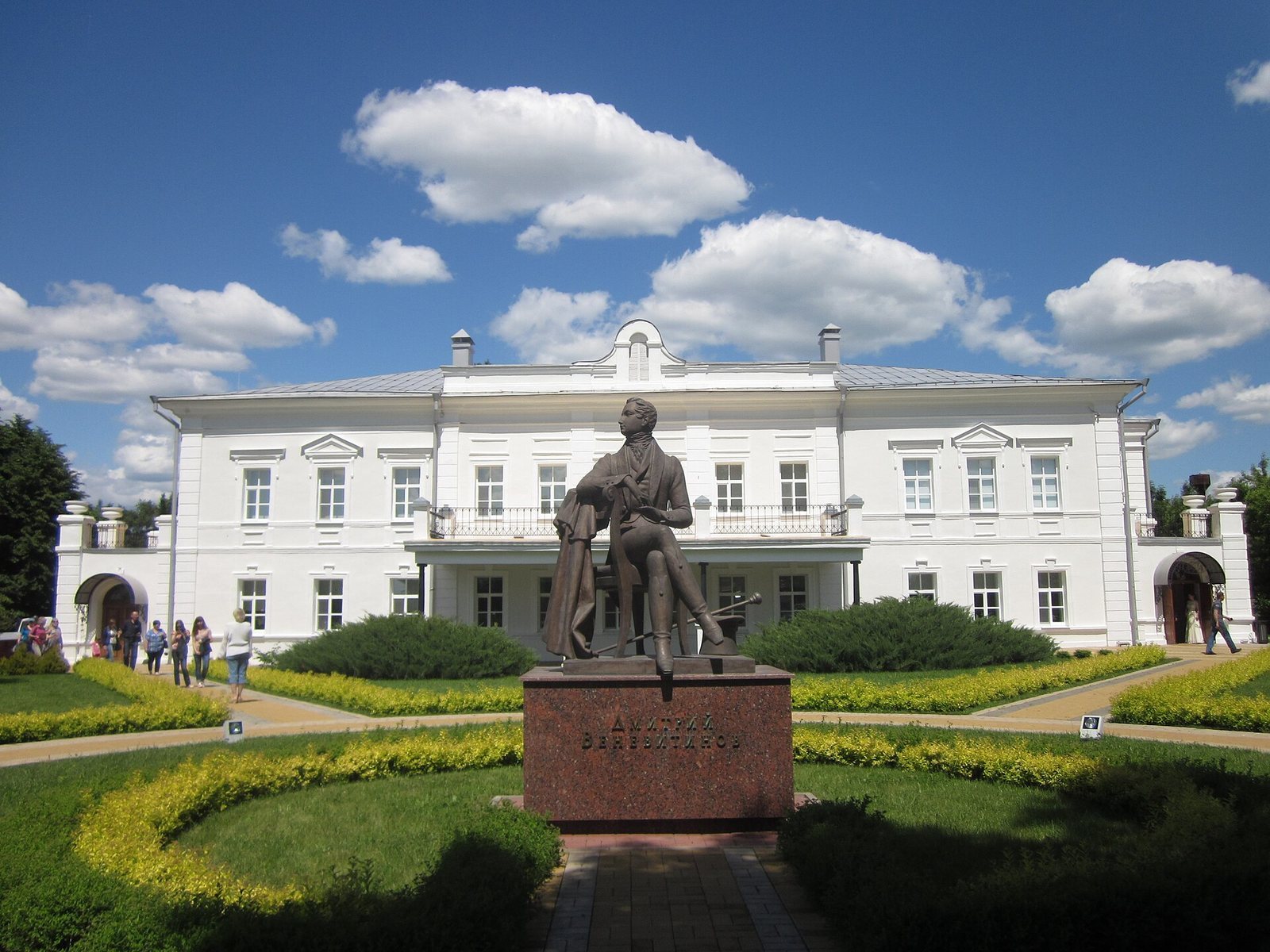
The Venevitinov Estate is a manor complex developed by the Venevitinov family in Novozhivotinnoye, Russia, on the left bank of the Don. Its stone main house was probably built around 1760–1770. The ensemble is associated with Classicism, an architectural approach drawing on forms and principles linked to ancient Greek and Roman buildings.
Settlement and family estate
The Venevitinov family settled on lands north of Voronezh in 1622. In the second half of the seventeenth century, Lavrenty Gerasimovich Venevitinov and his son Anton acquired 1,000 desyatinas, a traditional Russian unit of land area, on the Don’s left bank. They brought several peasant families from Zhivotinnoye to live there, establishing the settlement of Novozhivotinnoye. The estate remained in family ownership from the later seventeenth century until the beginning of the twentieth.
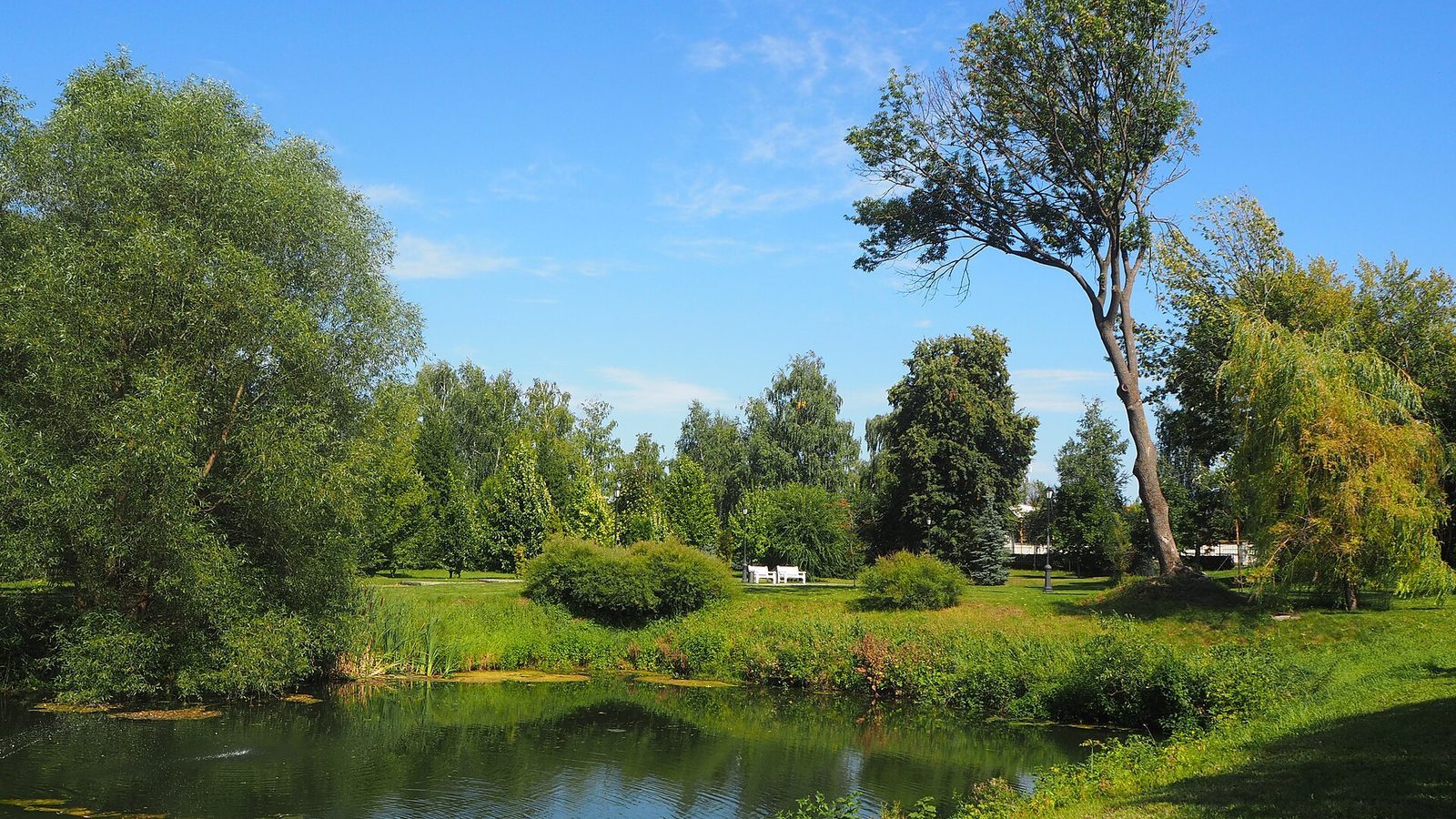
A park and pond were laid out on the estate in the mid-eighteenth century, as the family property developed beyond its original settlement.
Nineteenth-century associations
In 1887, English writer E. L. Voynich taught English and music to children of the nobility at the estate. Voynich later became known as the novelist of The Gadfly. The property was also associated with Mikhail Venevitinov, a nephew of the nineteenth-century poet Dmitry Venevitinov. Mikhail was an archaeologist and historian who directed the Rumyantsev Museum, a major Russian museum and library, from 1896 to 1901.
Soviet uses and restoration
In 1931, a branch of the Research Institute of Polytechnic Education opened at the estate. The institute studied polytechnic education, and the branch was established on the initiative of Nadezhda Krupskaya, then deputy People’s Commissar for Education of the Russian Soviet Federative Socialist Republic. A music school occupied the former manor house from 1937, followed by an orphanage in 1939. At the beginning of the Second World War, a military unit took over the house. Its interior arrangement was substantially changed to accommodate successive uses.
After the war, the estate fell into gradual disrepair, continuing until 1986. Restoration started in 1988, and the main building opened in 1994 as the Dmitry Venevitinov Estate Museum, a branch of the Voronezh Regional Literary Museum named for the nineteenth-century poet Ivan Nikitin. Large-scale reconstruction followed from 2010 to 2013, with an artistic concept developed by Moscow-based artist Nikolai Simonov. The estate is designated a cultural heritage site of federal significance.
Remains
The complex brings together residential, service, religious, and park buildings on the Don’s left bank. Its principal residence is stone, while the enclosing wall and a riverside pavilion are brick. The ensemble is identified with Classicism.
Main house
The stone house originally had a mezzanine, a partial or low upper storey, and was changed to a full two-storey building in an early nineteenth-century rebuilding. A major repair in 1870 added plaster to the exterior and replaced the roof and floors; part of the vaulted ceiling structure was also removed. The house was reconstructed in the late twentieth century.
Church and service buildings
The Archangel Church began as a wooden building transferred from Starozhivotinnoye and consecrated in 1703. It was rebuilt in stone in 1780. An estate inventory from 1826 lists two wings, a cellar, an icehouse, a stable, a barn, and a servants’ hut. The complex also includes a wing dated to 1887 and gates assigned to the eighteenth or nineteenth century.
Park and riverside features
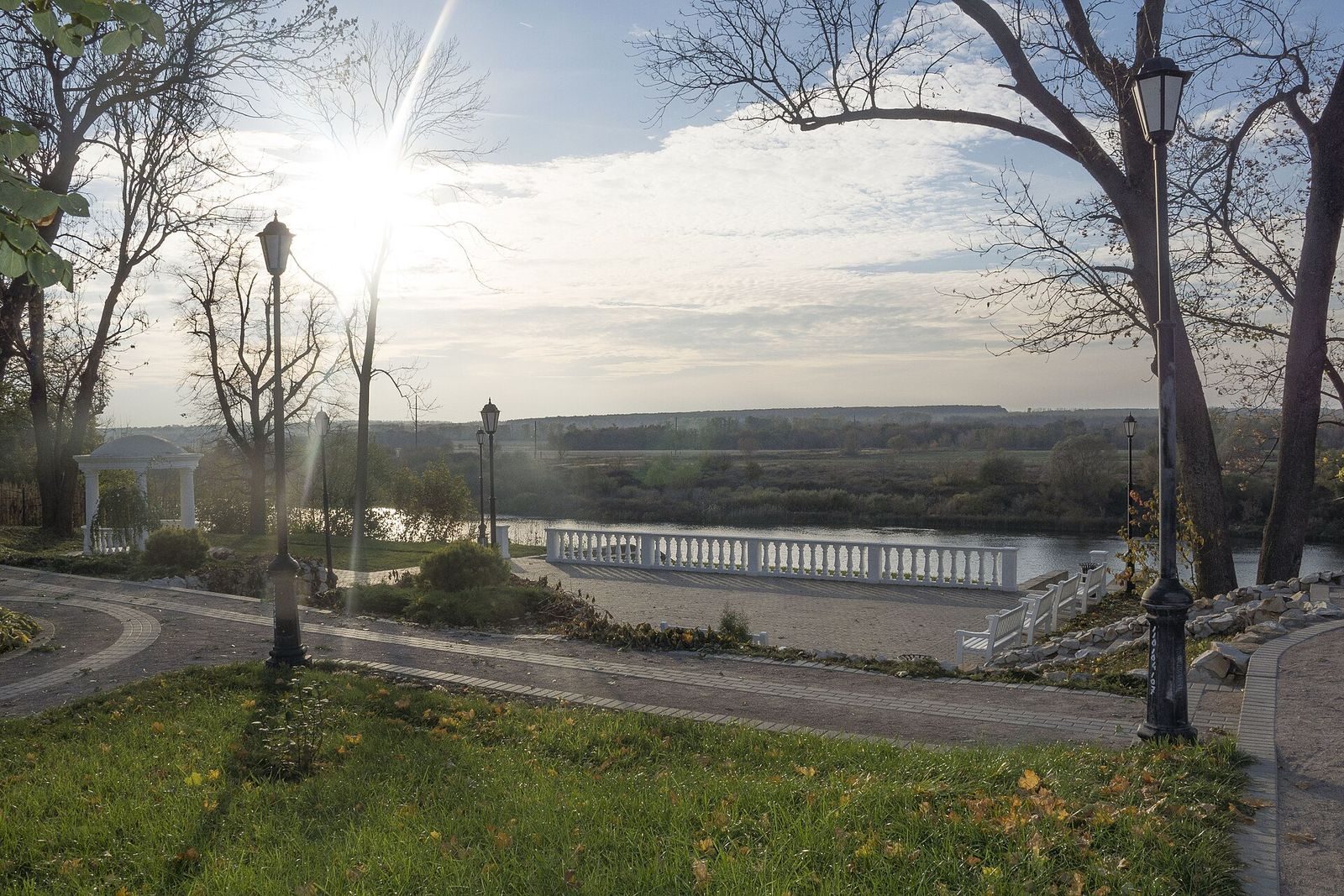
A solid brick wall enclosed the estate and was restored in the late twentieth century with reference to a drawing by Alexei Venevitinov. A brick pavilion with a plastered exterior was positioned to overlook the Don. The park and pond were restored in the early twenty-first century. A rotunda-style pavilion dates to that century, and the balustrade was also restored during its early years.
Dmitry Venevitinov monument
A monument to poet Dmitry Venevitinov was erected at the estate in 2005. Sculptor Maxim Dikunov created the work in memory of the nineteenth-century Russian poet.