Brunicki Palace: A Historic Residence in Lubień Wielki, Ukraine
Site at a Glance
- Popularity
- Medium
- Country
- Ukraine
- Primary era
- Modern
- Eras represented
- Early Modern, Modern
- Civilizations
- Austria-Hungary, Habsburg
- Site type
- Domestic
- Remains
- Elite Residence
On this page11 sections
History
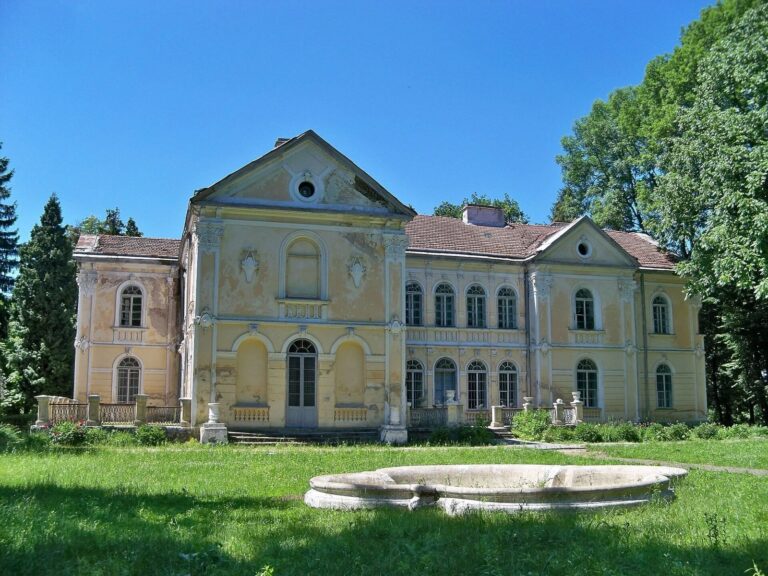
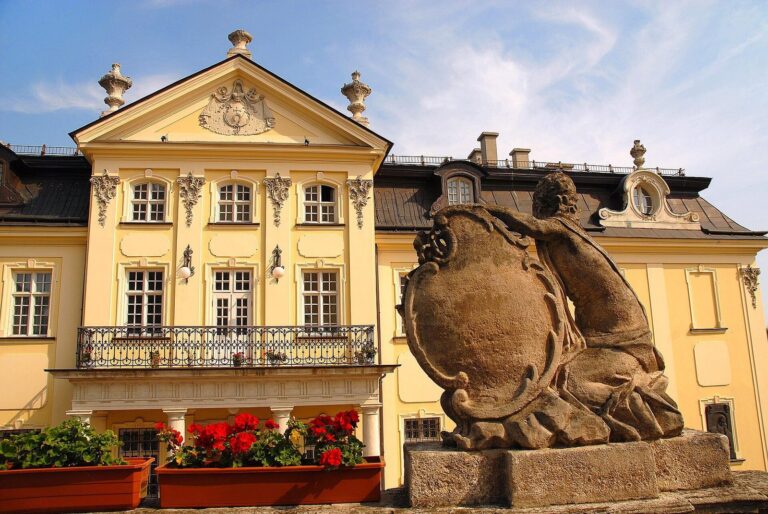
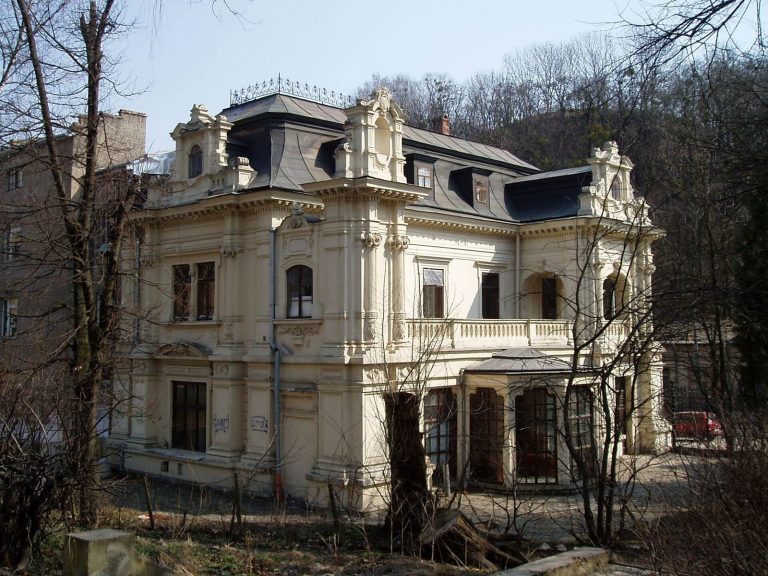
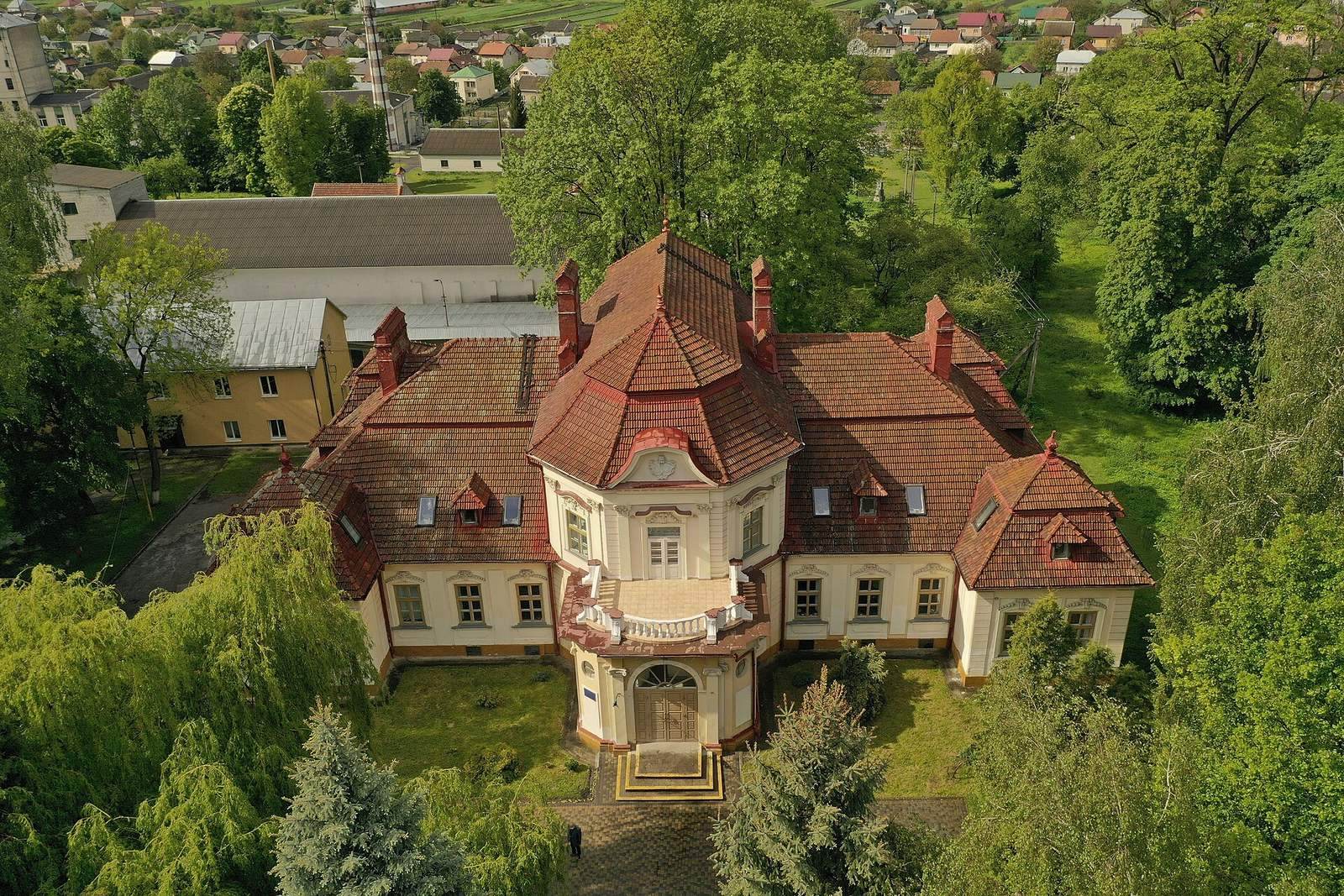
Brunicki Palace is a historic residence in Lubień Wielki, Ukraine. Its construction date is uncertain, and a seventeenth-century castle had previously occupied the site. The palace’s late-Baroque character, from a later phase of Baroque architecture, was reshaped in a Neo-Baroque revival of Baroque forms during a major reconstruction in 1909–1910.
Estate ownership and visitors
The estate belonged to Stefan Humiecki, a Polish nobleman, in the seventeenth century. After more than a century under the Humiecki family, it passed to the Świdziński family late in the eighteenth century and was assigned as a dowry to Maria Świdzińska. Her marriage to Count Józef Jabłonowski brought the property into the Jabłonowski family. He was a member of the Galician Estates, a representative political institution in Austrian-ruled Galicia.
From 1832, the Polish Romantic poet Seweryn Goszczyński was a frequent guest at the palace. In 1849, Ludwik Józef Jabłonowski, Józef’s son, sold the palace, estate, and health resort to Baron Konstanty Brunicki (1820–1890). Konstanty’s son, Adolf Maurycy Brunicki (1857–1941), became the estate’s last private owner.
Reconstruction and later use
The palace underwent a major reconstruction in 1909–1910. In the 1920s, the Brunickis moved the ceremonial entrance from the building’s short left-hand end to its present position and changed the approach drive.
A restoration took place in 2006–2007. The palace now houses one of the buildings of the Lubień Wielki specialized general secondary boarding school, which also operates as a children’s care institution.
Remains
Palace and interiors
Exterior
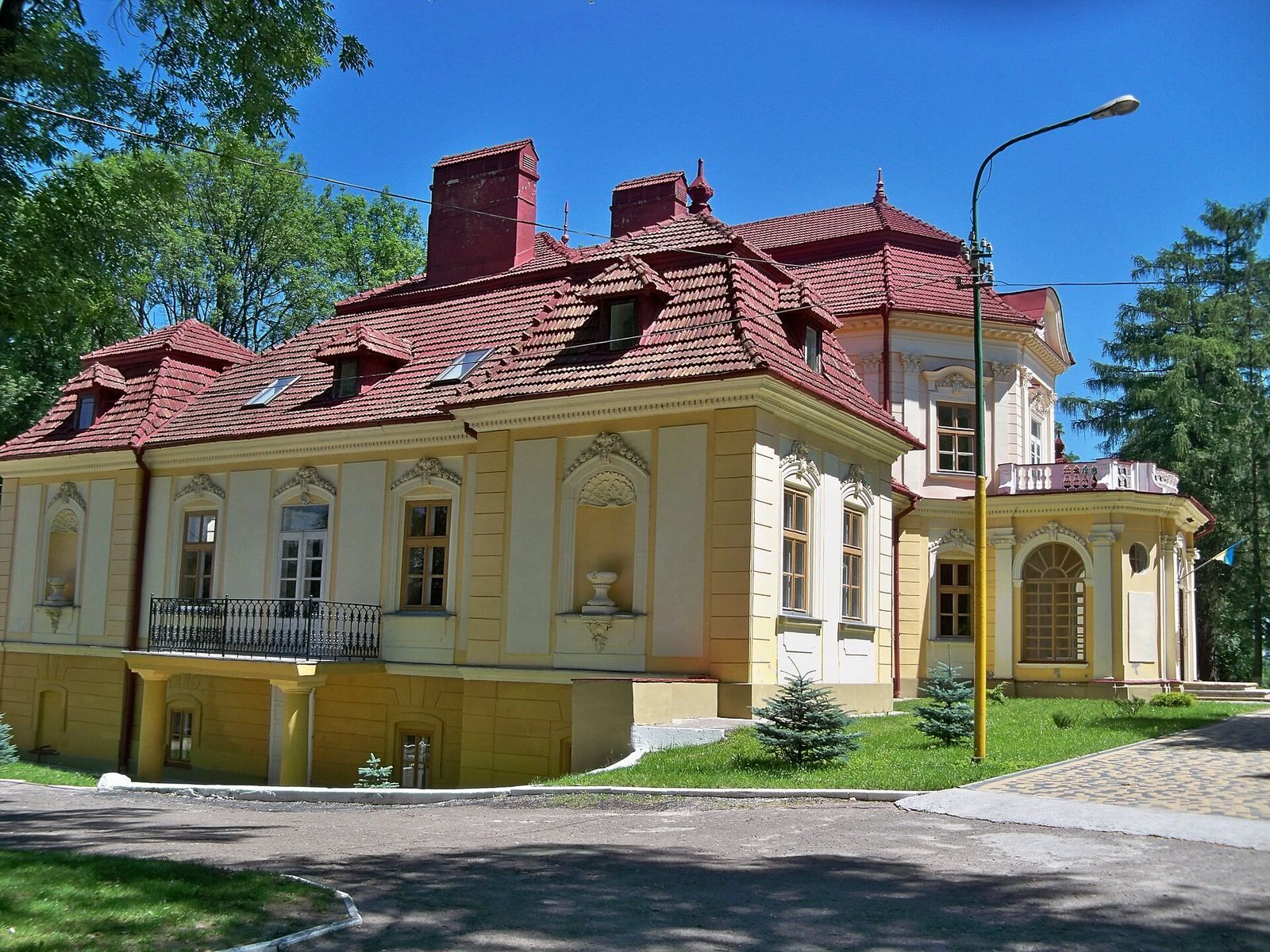
The one-storey palace stands in a park on Zamkowa Street, in the eastern part of Lubień Wielki. Its rear section is the part least altered by rebuilding.
Ballroom
The ballroom’s decoration followed the Louis XV style, French design associated with the eighteenth-century reign of Louis XV. Its furnishings included white lacquered French furniture and two gilded commodes, ornamental chests of drawers. A large crystal chandelier hung above a floral-patterned carpet, and a balcony provided space for an orchestra.
Salon
The salon combined contemporary furnishings in several styles, including dark-wood chairs upholstered in leather. Until 1939, its sideboards held porcelain, antique silver, and glassware.
Library
Dark-wood cabinets in the library held more than a thousand books in Polish, English, German, and other languages.
Decorative details and portrait
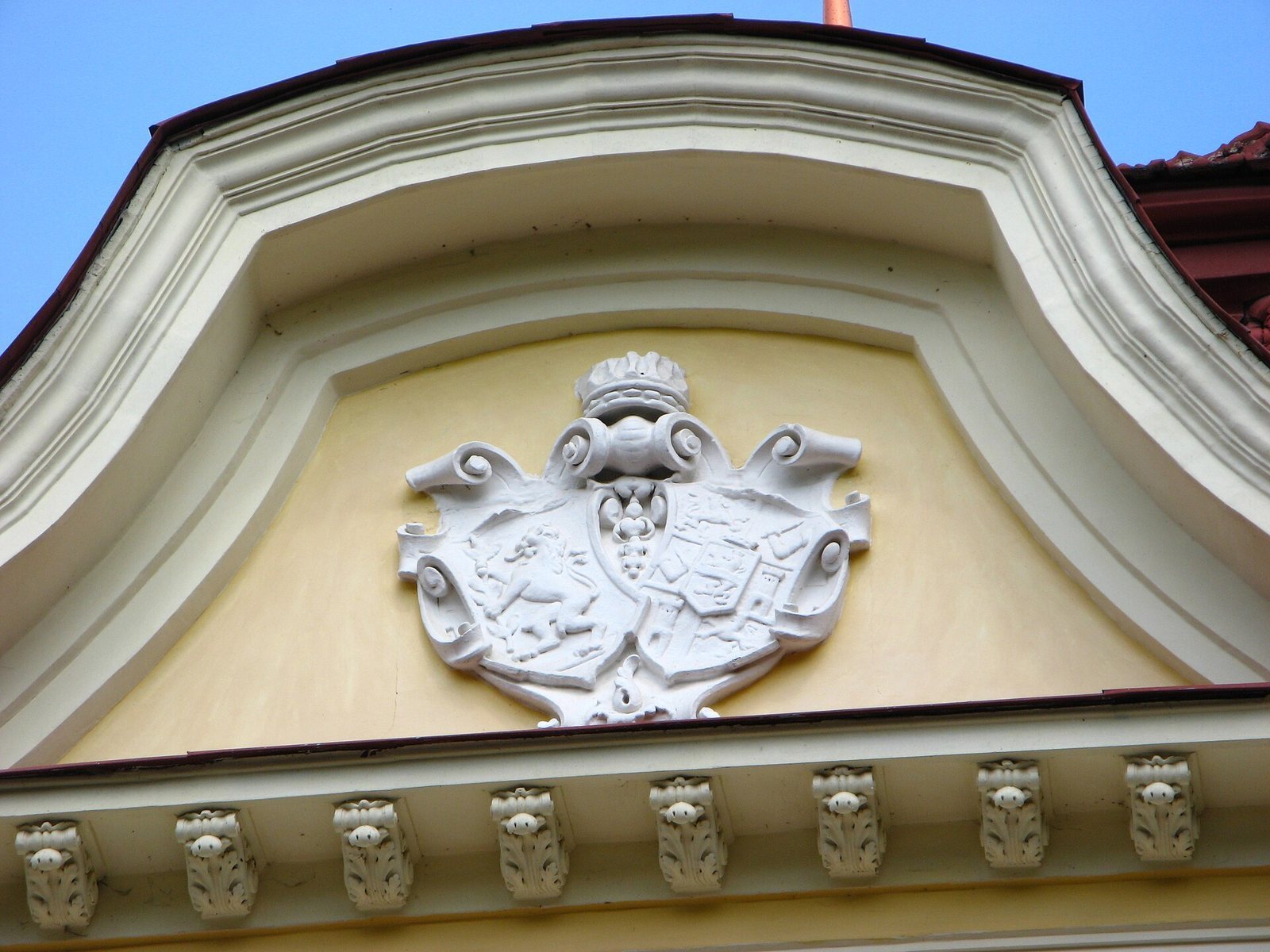
The interiors were decorated by Piotr Witalis Harasimowycz, a Polish craftsman from Lviv. The decorative scheme included the Brunicki arms, showing a lion, and the Szymanowski arms, known as Korwin, a heraldic coat of arms. Both appeared beneath a baronial crown.
A group portrait showed Queen Marysieńka, the familiar name of Marie Casimire Louise, with her sons Jakub, Aleksander, and Konstantyn, and her daughter Teresa Kunegunda. A bust of Marysieńka’s husband, Jan III Sobieski, king of Poland from 1674 to 1696, appeared behind them. Almost all of the palace’s interior decoration was lost after the Second World War and a later restoration.
Park and garden buildings
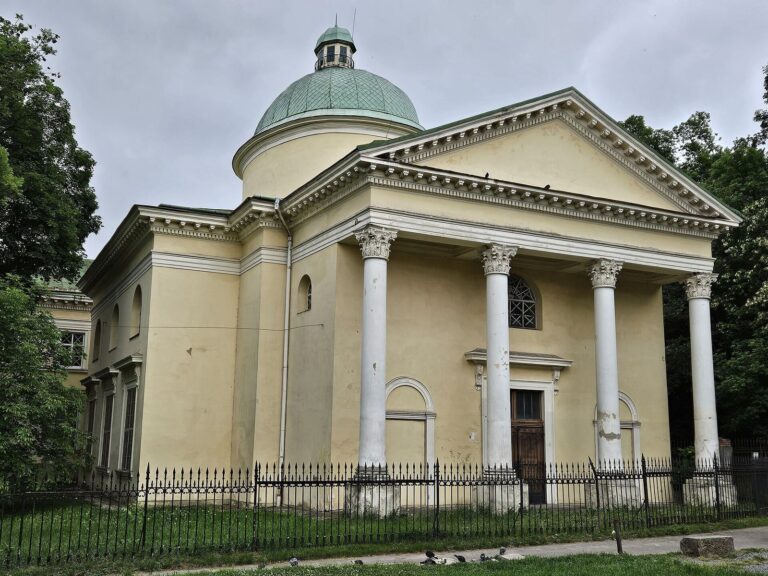
The park was laid out in the French formal style, an orderly garden design using arranged features and clipped planting. Its grounds included lawns, shrubs trimmed into decorative shapes, and low columns supporting flower vases. An orangery, traditionally a garden building for sheltering citrus trees, and a small chapel also stood in the palace garden.