III Dwór: A Historic Estate in Gdańsk
Site at a Glance
- Popularity
- Low
- Country
- Poland
- Primary era
- Early Modern
- Eras represented
- Early Modern
- Civilizations
- Unclassified
- Site type
- Domestic
- Remains
- Manor House
On this page8 sections
History
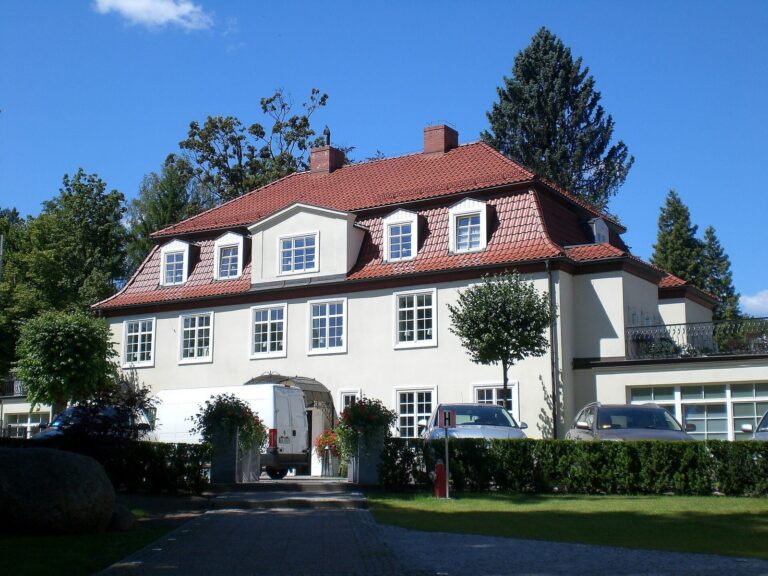
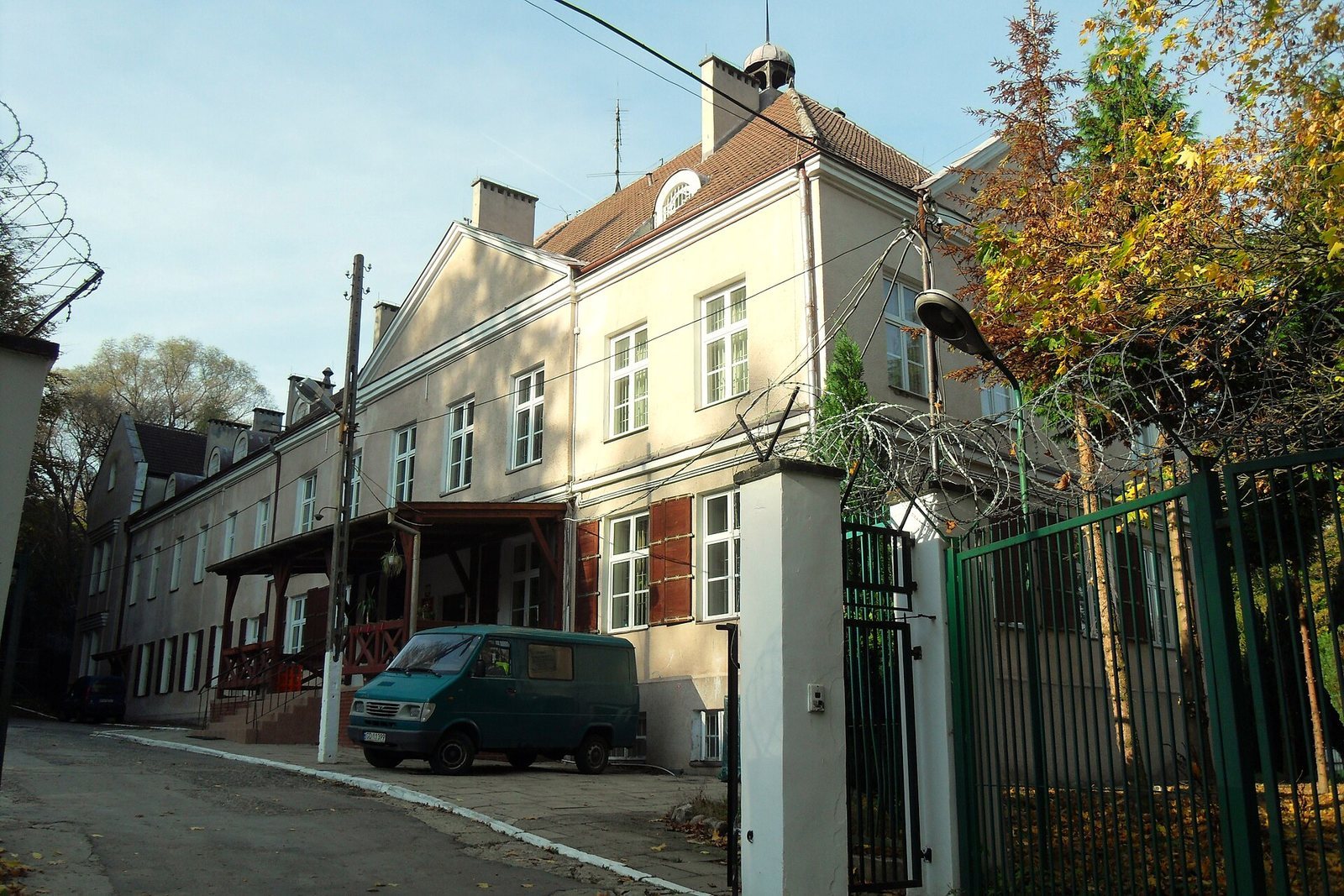
III Dwór, also known as Polanka and the Schopenhauerhof, is an estate in Oliwa, Gdańsk, Poland, established in the first half of the seventeenth century. Its northern building dates to the eighteenth century and was built in the Classicist style, which draws on forms associated with ancient Greek and Roman architecture. The estate later became associated with the childhood of philosopher Arthur Schopenhauer and served several institutional uses.
Early owners
Helmich von Twenhusen is linked to the estate in 1625, and members of the Twenhusen family held it through 1660. The widow Remers owned it from 1660 to 1665, followed by Johann Schlackow. Around 1725, it belonged to George Wachschlager, a Swedish envoy in Warsaw. Georg Wachschlager the Younger held it before 1732 and until 1737; Simon Georg Bömel followed from 1737 to 1741. David Kade owned the estate from 1741 until sometime before 1784.
The Schopenhauer family
Heinrich Floris Schopenhauer, a German merchant and father of philosopher Arthur Schopenhauer, acquired the estate in 1784 and held it until 1793 or later. Arthur spent five years of his childhood there, from 1788 to 1793. The family left after the partitions of Poland, the late-eighteenth-century divisions of Polish territory among neighboring powers, brought Gdańsk under Prussian administration.
Nineteenth-century uses
Peter Finke owned the estate in the early nineteenth century. Lauchlan Mac Lean, a city councilor, held it from 1819, followed by Francis Marschall in 1843 and David Zimmermann in 1850. By the mid-1850s, a hydrotherapy establishment offering water treatments operated there in association with Zimmermann and Dr. Carl Hermann Schildbach. The estate was adapted as an orphanage in 1868. An orphanage also operated there from 1945 to 1953.
Institutional use
From 1953, the grounds served as a youth and educational institution within the justice system. A juvenile shelter, a justice-system facility for minors, operated there until it was abolished on 1 September 2010, when a juvenile correctional institution was established. A gravel pit also operated behind the estate for many years.
Remains
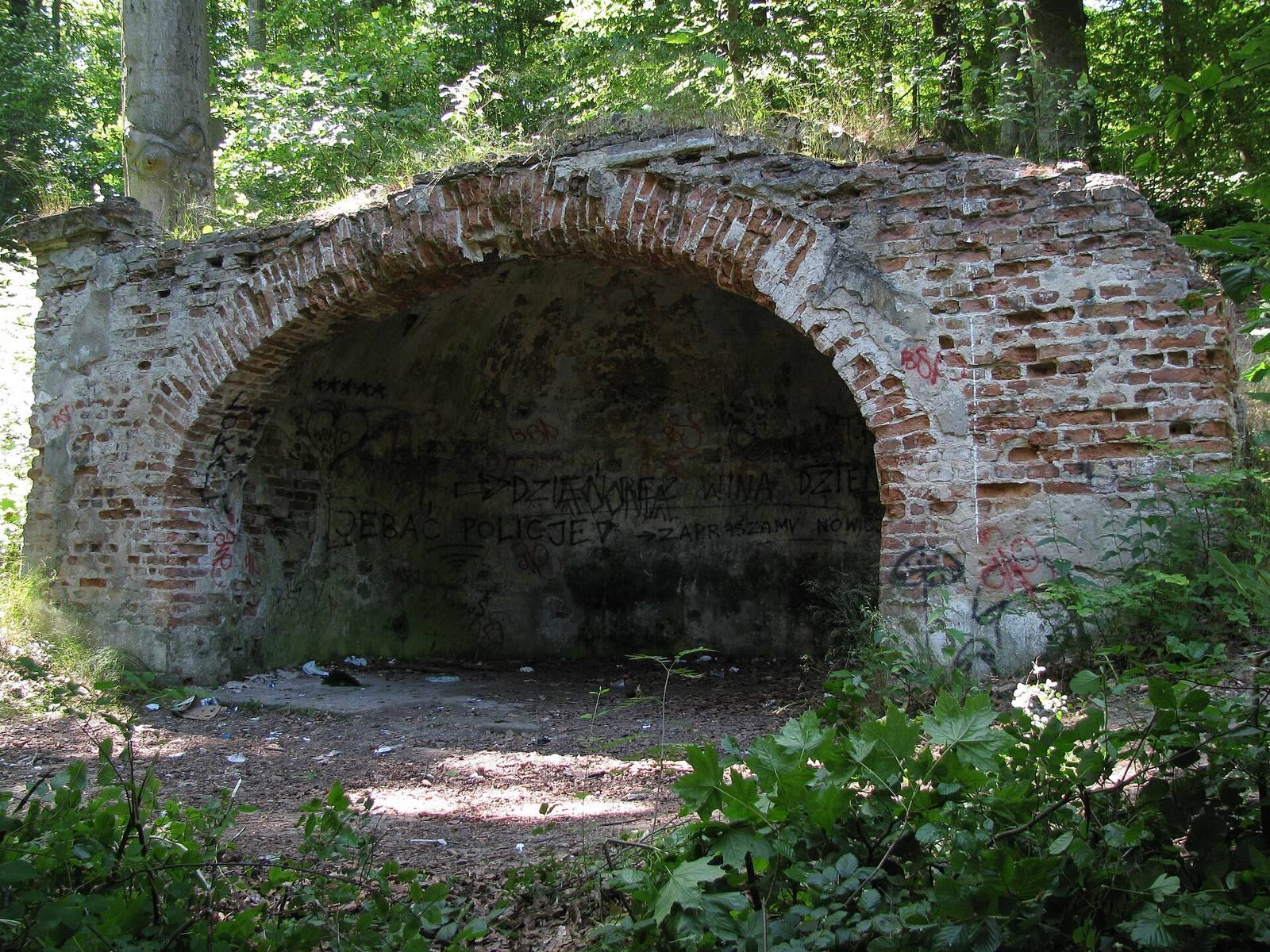
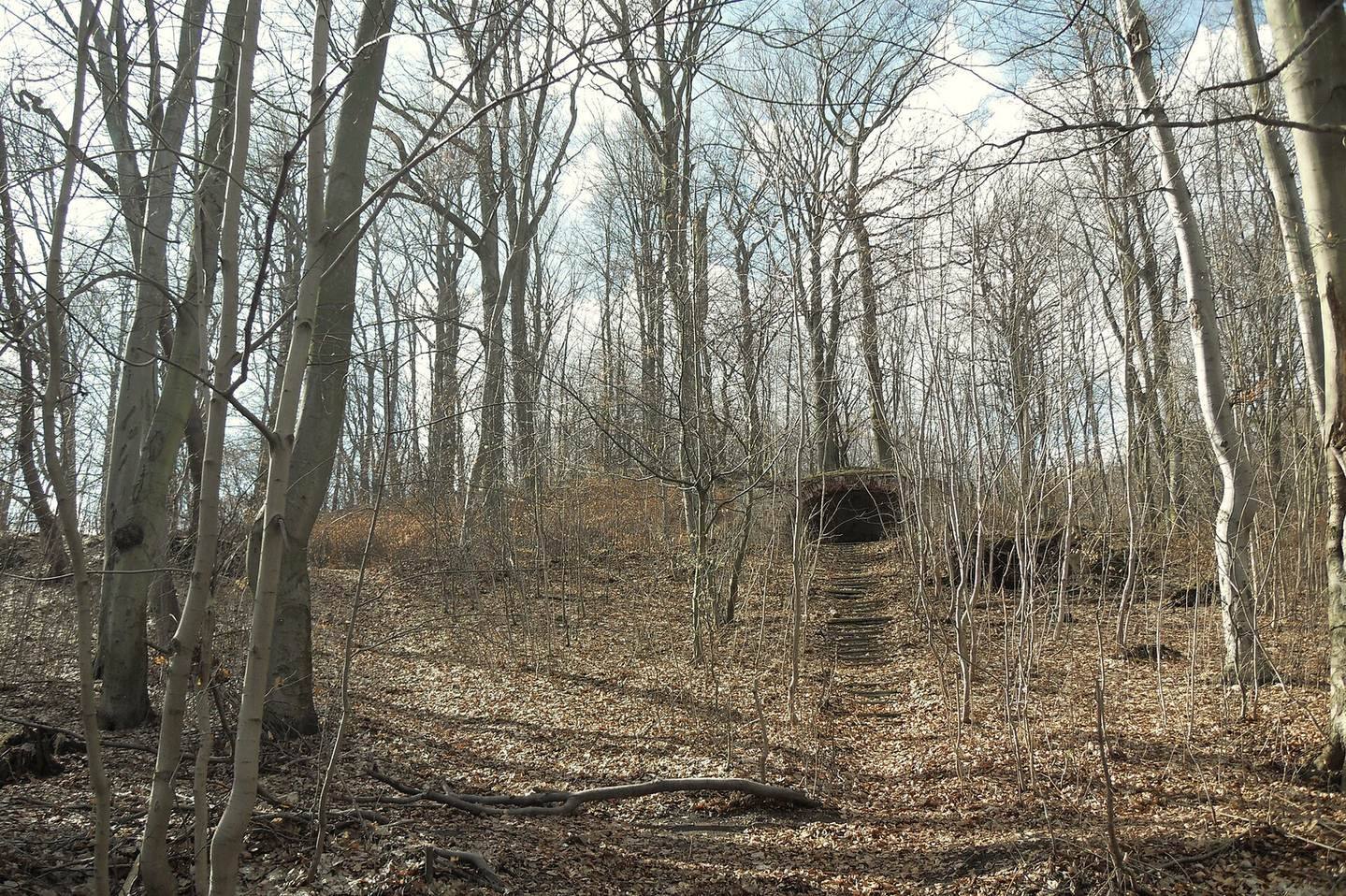
The surviving estate features include manor buildings, remnants of a park and its ponds, and a ruined viewing pavilion on Dantyszek Hill. The estate lies at the eastern edge of the Tricity Landscape Park, at the foot of the hill.
Manor buildings
The eighteenth-century northern building was built in the Classicist style. After 1945 it was demolished down to ground level and rebuilt in the 1980s. A second manor building, dating to the later nineteenth century, stood to the south and was demolished around 1990. The manor buildings were subsequently altered.
Park and hillside features
Remnants of the estate park and its ponds survive, and the ponds now provide a refuge for protected birds. A ruined masonry viewing pavilion stands on the hillside of Dantyszek Hill. Before 1945, the estate’s address was Pelonker Street 122; it is now Polanki 122.