Annagh Church: A Medieval Catholic Church in County Kerry
Site at a Glance
- Popularity
- Low
- Country
- Ireland
- Primary era
- Medieval
- Eras represented
- Medieval
- Civilizations
- Unclassified
- Site type
- Religious
- Remains
- Church
On this page8 sections
History
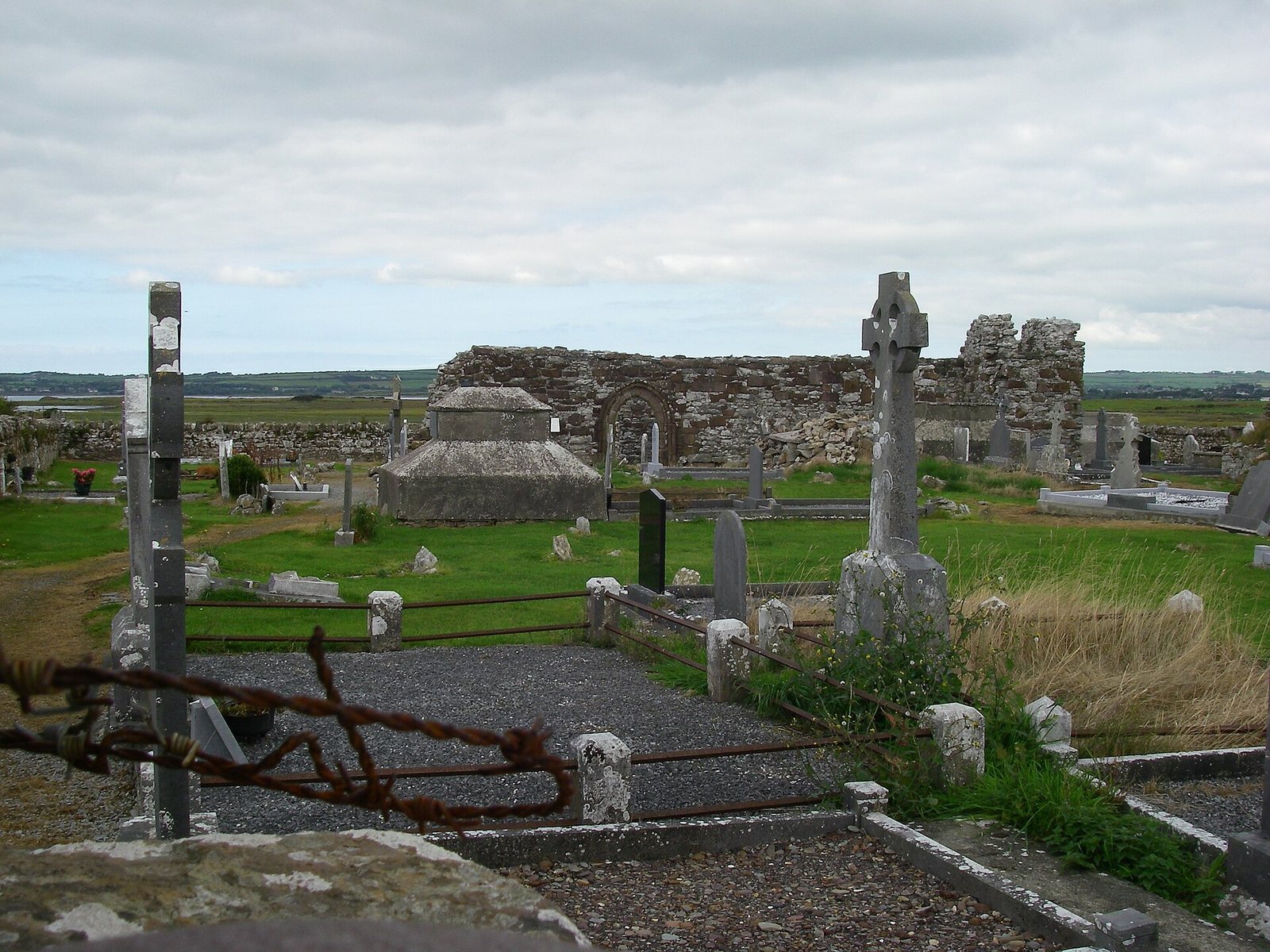
Annagh Church is a roofless medieval Catholic church in County Kerry, Ireland, about 3.6 km southwest of Tralee. Its construction is dated broadly to the 12th through 15th centuries. Before the Protestant Reformation, a movement that formed Protestant churches and divided Western Christianity, it served the Diocese of Ardfert and Aghadoe, a bishop’s administrative district.
Abandonment and parish changes
A 19th-century survey placed the church’s abandonment and ruin by 1756. A replacement church was built in Blennerville, about half a mile away, in 1818. In 1877, the Blennerville parish joined with the Tralee parish, and the new church was named St Anna’s. Its name adapted Annagh to the similar-sounding name of Saint Anna, traditionally identified in Christian belief as the mother of Mary.
Repairs and protection
Repairs to Annagh Church’s walls took place in the early 20th century. The church is designated a National Monument of Ireland, a heritage status for sites recognized as nationally important.
Remains
Plan, burial ground, and walls
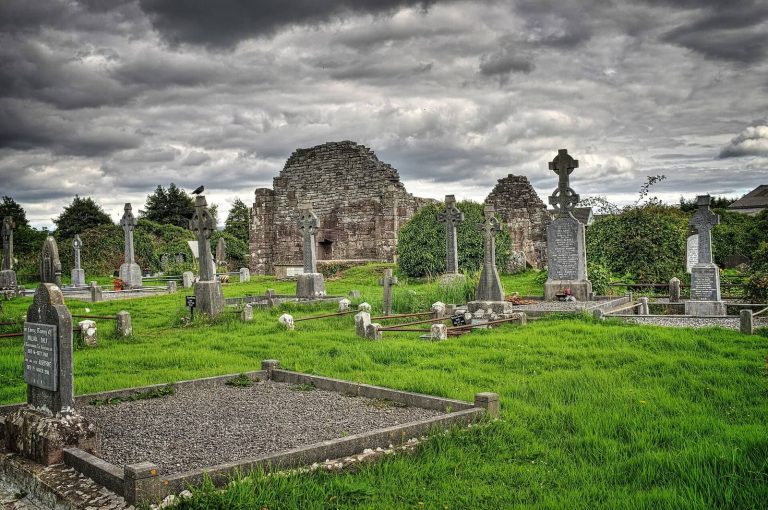
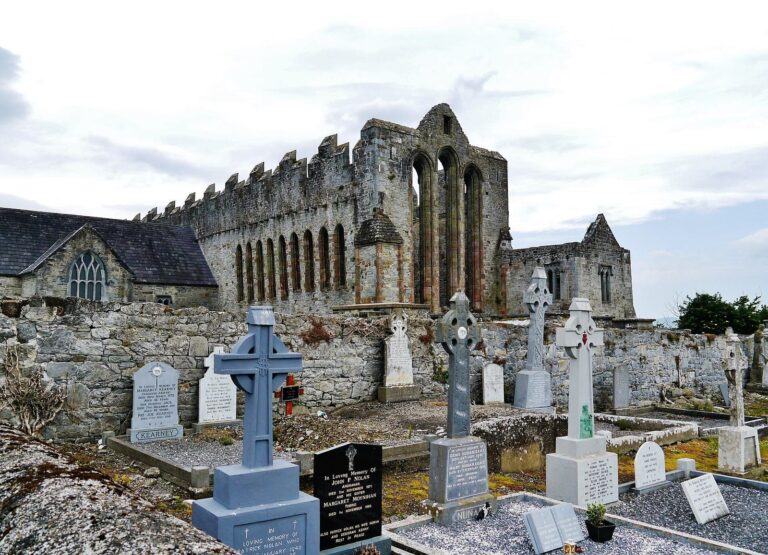
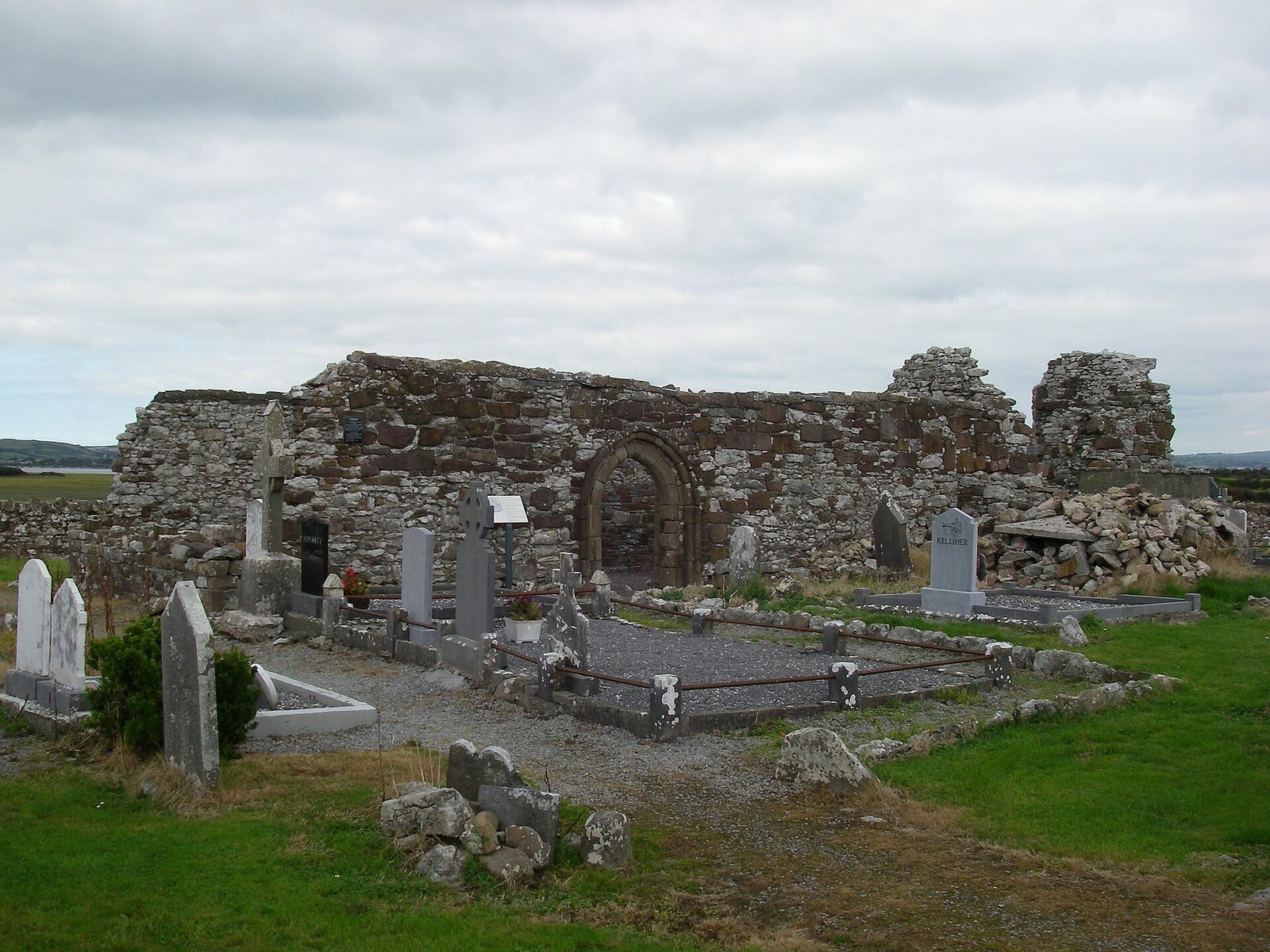
The roofless church stands at the north end of its old walled burial ground. Its plain rectangular plan measures 14 m by 5.5 m, and the structure is described as being in good condition. Older and modern gravestones occupy the cemetery, while several graves lie within the church’s gravel-laid interior. The walls are built of local sandstone and limestone rubble. The eastern gable has been lowered to the height of the side walls and contains a window; the western gable was reconstructed in the 20th century and also has a window. The north wall remains full height in part, with a large gap and a lowered western end. The south wall stands nearly full height and has a window opening.
Entrance and carved stonework
South doorway and holy-water basin
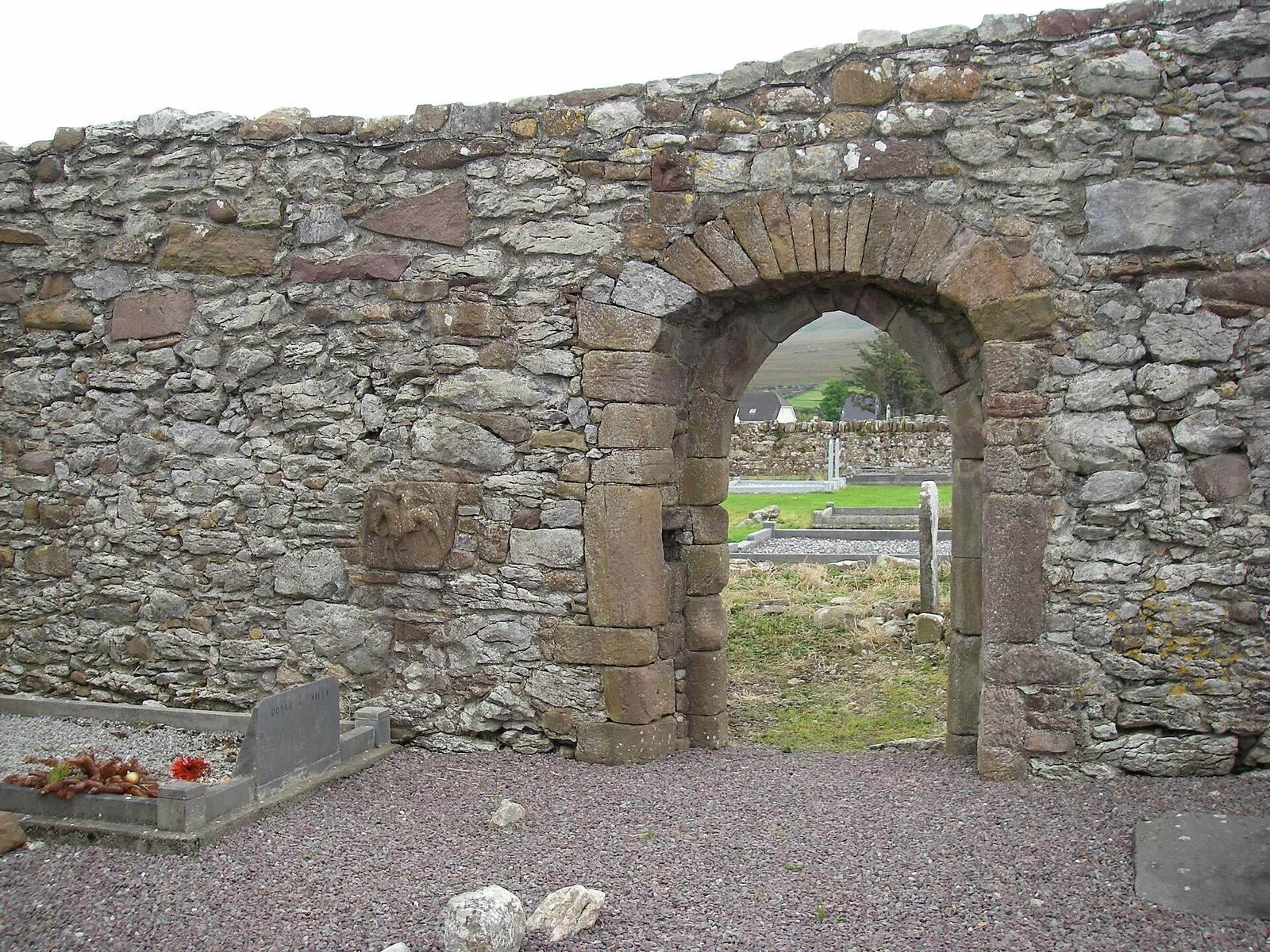
The entrance is set in the south wall and has a well-preserved three-point arch with a rare Anglo-Norman drip moulding, a projecting strip that sheds rainwater and reflects Norman influence in medieval Ireland. A basin for holy water is hollowed into a stone just inside the entrance.
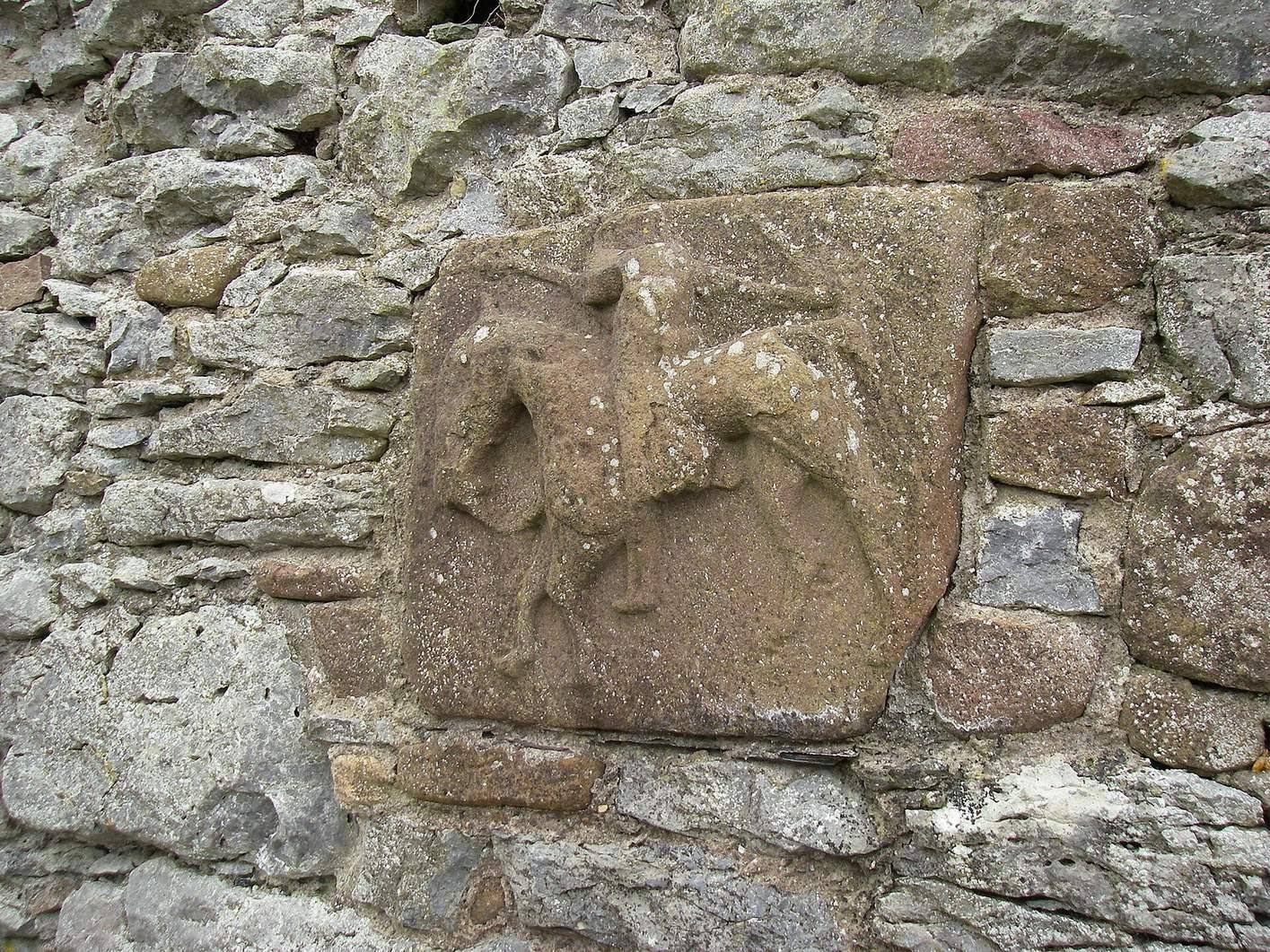
Horseman relief
Beside the doorway, a sandstone relief is built into the interior face of the south wall. Measuring 460 by 410 mm and 180 mm thick, it shows a mounted man holding a weapon in his right hand. The carving may date to the 14th century and is thought to have been cut into the church wall during its construction.