Near Caves: An Underground Monastic Complex in Kyiv
Site at a Glance
- Popularity
- High
- Country
- Ukraine
- Primary era
- Medieval
- Eras represented
- Medieval, Early Modern, Modern
- Civilizations
- Kievan Rus, Polish–Lithuanian Commonwealth, Russian
- Site type
- Religious
- Remains
- Monastery
On this page12 sections
History
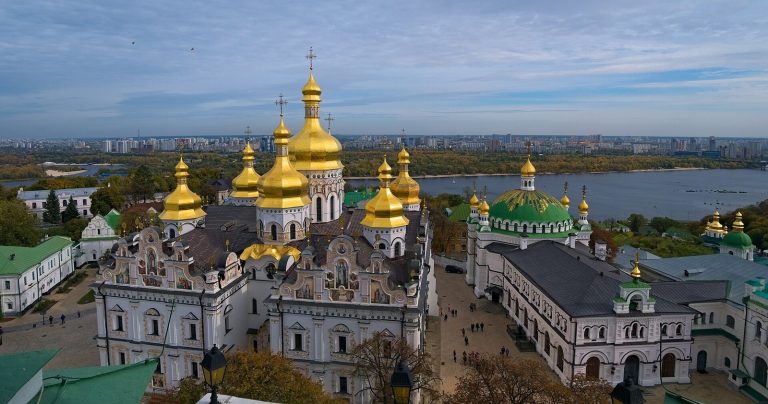
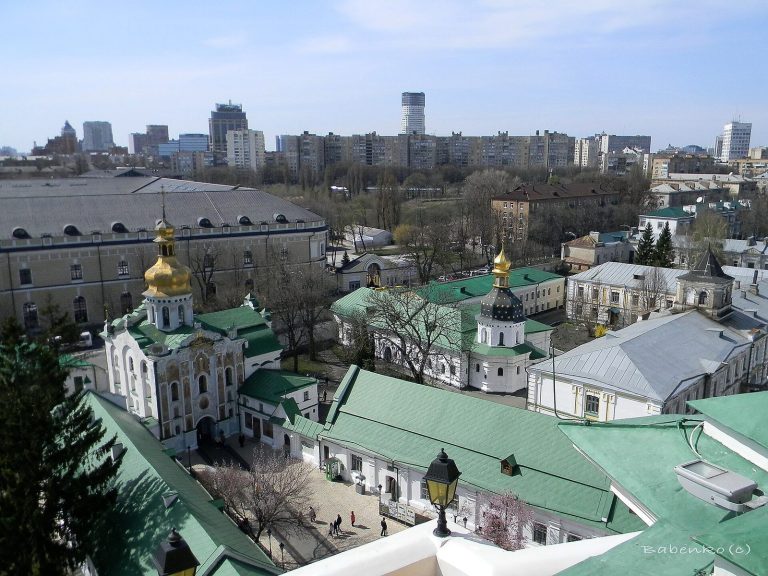
The Near Caves, also known as the Caves of Saint Anthony, are an underground monastic complex within the Kyiv Pechersk Lavra in Kyiv, Ukraine. Founded in 1057, they belong to the monastery’s earliest period. Together with the Far Caves, they form the Lower Lavra. A lavra is a title for a major Eastern Orthodox monastic complex.
Foundation and monastic use
At the caves’ foundation, Saint Anthony appointed Saint Varlaam as the Kyiv Pechersk monastery’s first hegumen, or abbot. Anthony later withdrew from the monastery and dug an underground cell on another hill. That cell is identified with the Near Caves. Anthony, regarded as the monastery’s founder, was buried in the caves, which became a burial place for monastic figures and saints. A feast honoring the revered fathers of the Near Caves was established.
Churches and later use
The Church of Saint Anthony was built in the late sixteenth or early seventeenth century. In 1696, Kyiv Metropolitan Varlaam Yasinsky, a senior bishop, established a church honoring Saint Varlaam in the former abbot’s cell. The Church of the Elevation of the Cross followed between 1700 and 1704. From the nineteenth century, it served as a burial vault for Kyiv metropolitans.
Return and heritage status
A government decision in 1990 returned the Near Caves to the revived Kyiv Pechersk monastery, then affiliated with the Ukrainian Orthodox Church (Moscow Patriarchate), an Orthodox church body in Ukraine associated with the Moscow Patriarchate. The complex is listed in Ukraine as an immovable monument of national significance.
Remains
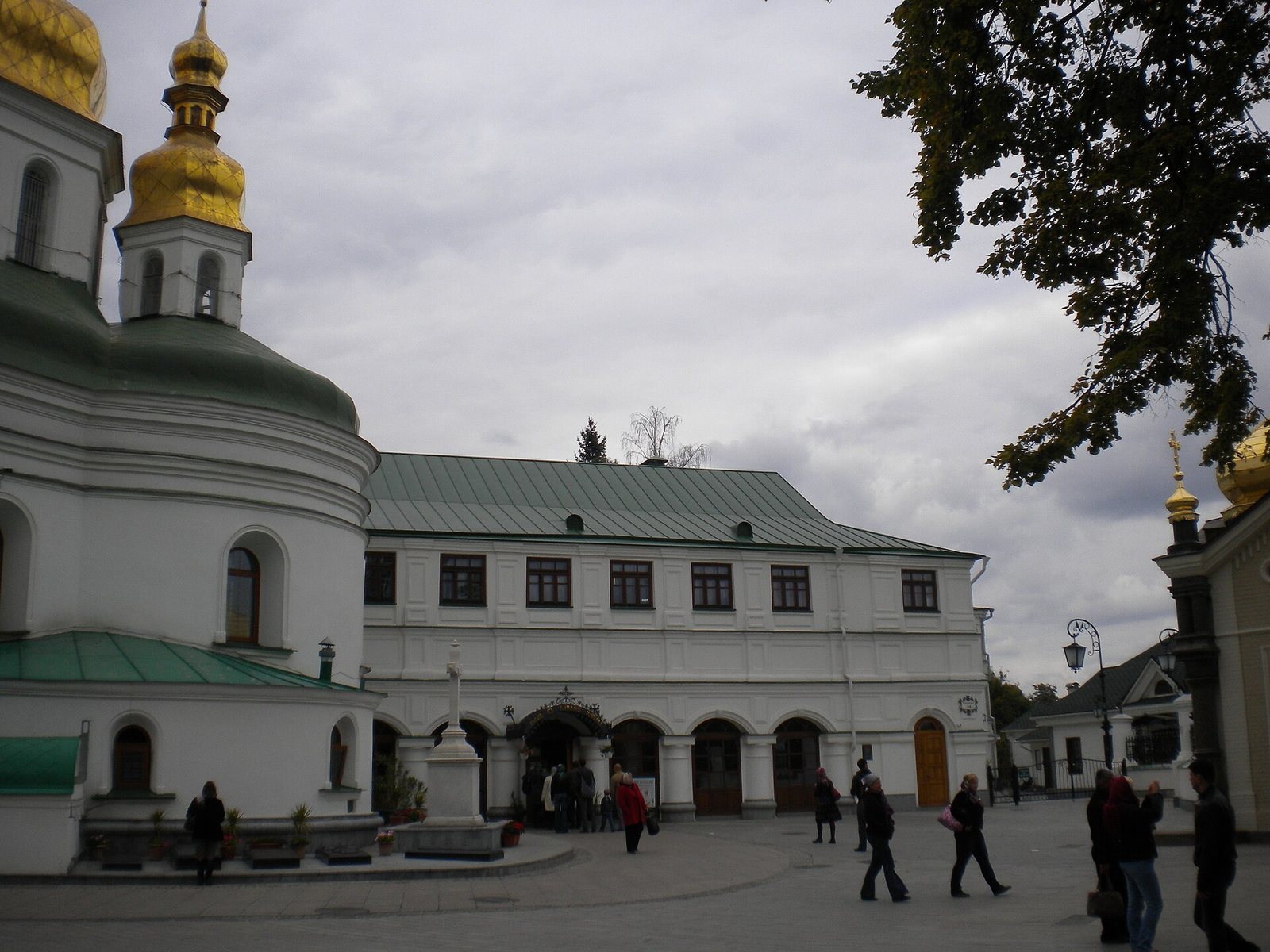
The Near Caves combine a 383-metre underground network, set 5 to 20 metres below ground, with a separate group of above-ground buildings. The Church of the Elevation of the Cross, the principal temple and entrance, is in the Ukrainian Baroque style.
Underground complex
Passages and entrances
Three entrances lead into the caves. The western entrance was probably the original one and could be reached from the entrance hall of the Church of the Elevation of the Cross. The routes began as three streets joined by passages and now form a network linked with the Kyiv catacombs. Later changes altered their dimensions and shape; passages now reach up to 1.5 metres wide and 2.5 metres high. A drawing of the caves by Abraham van Westerveld dates to 1651.
Underground churches and burial branches
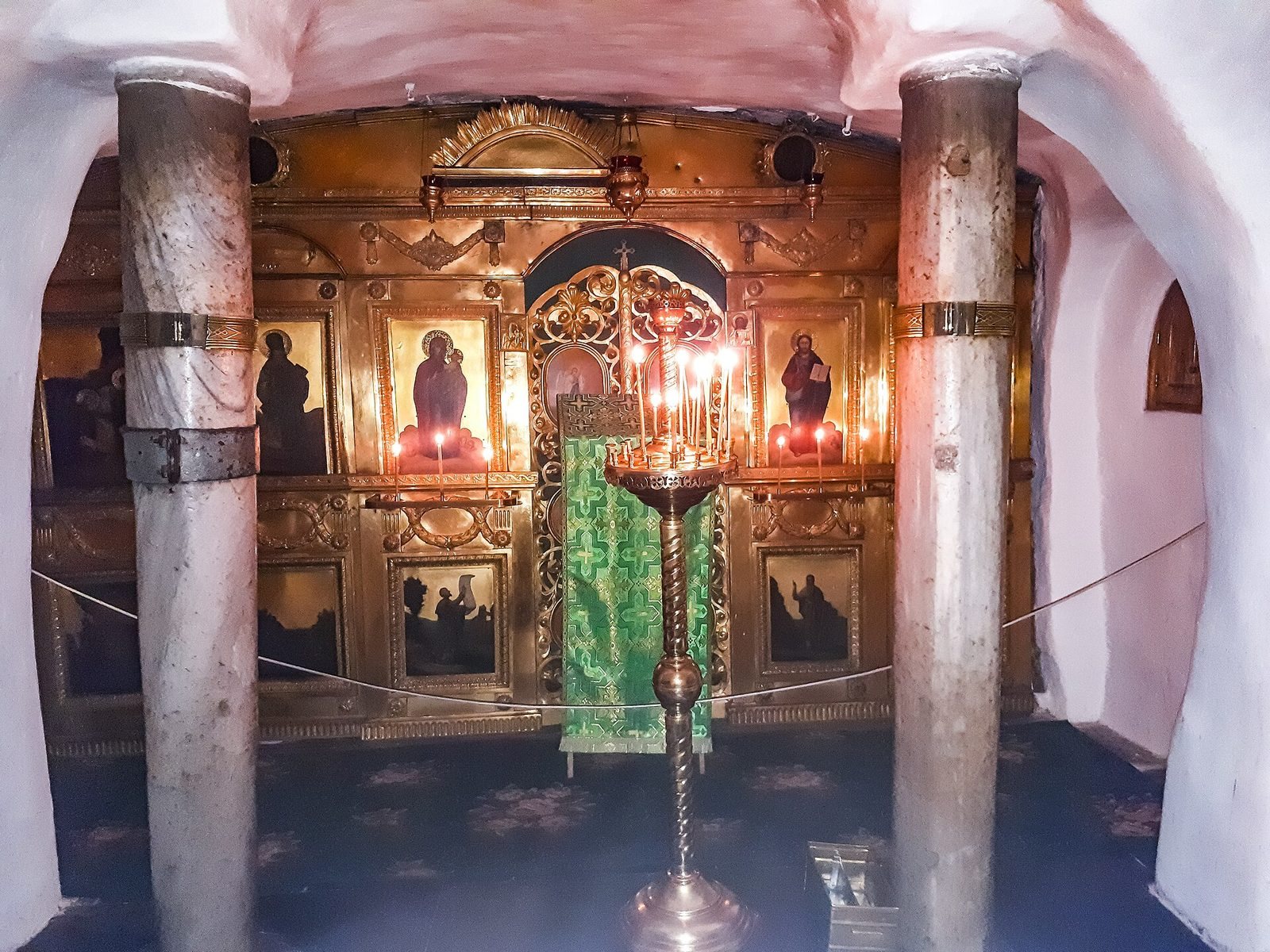
The main route, Cave Street, adjoins the Church of the Entry of the Mother of God into the Temple, described as the oldest and largest church within the caves. The underground churches also include those of Saint Anthony and Saint Varlaam, the latter occupying a former cell. A branch near Saint Anthony’s church leads to a burial chamber commemorating people killed by Batu, a Mongol ruler. Another branch, opposite the church honoring Anthony, contains his burial and is blocked by a cave-in.
Cells and the communal dining hall
One of the oldest branches leads to the Pechersk monks’ shared dining hall. Many burial niches line its corridor; they may have been made by Mark the Cave-Dweller, a monk who buried deceased members of the community. Residential cells survive in areas with churches. On either side of a cell entrance, projections served as a bed and a table, while wall niches held an icon, a devotional image, or a candle. Small windows for hermits open onto the corridors. Cast-iron floor plates made in Tula in 1830 cover the cave floors.
Burials and relics
The caves contain 79 surviving burials and relics, bodily remains or personal objects venerated for their association with saints, connected with monastic figures and other revered people. These include Nestor the Chronicler, traditionally credited with the Primary Chronicle; the icon painters Alipy and Grigory; the physician Agapit; Prince and ascetic Nikolai Sviatosha; the martyr Kuksha; and Ilya Muromets, an epic hero. Tablets identify the relics, and most associated icons date to the nineteenth century. Examination of remains associated with Ilya indicated that he died from a stab wound. Legend says angels carried his body from the place of his death to the Lavra caves.
Above-ground buildings
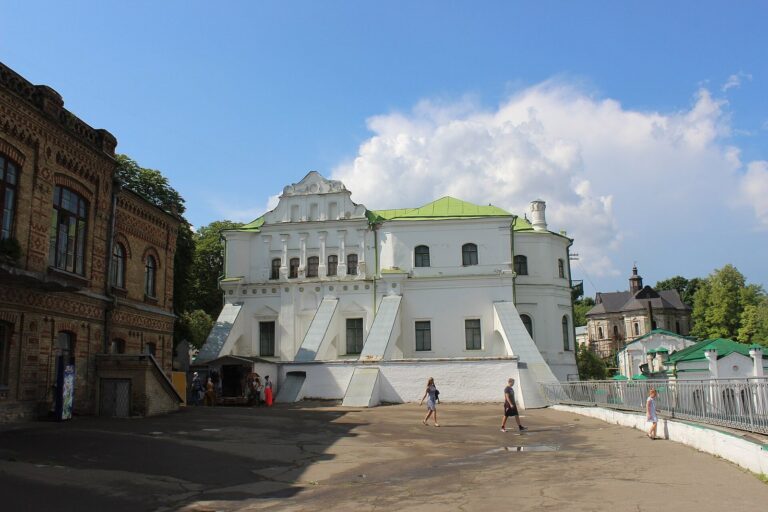
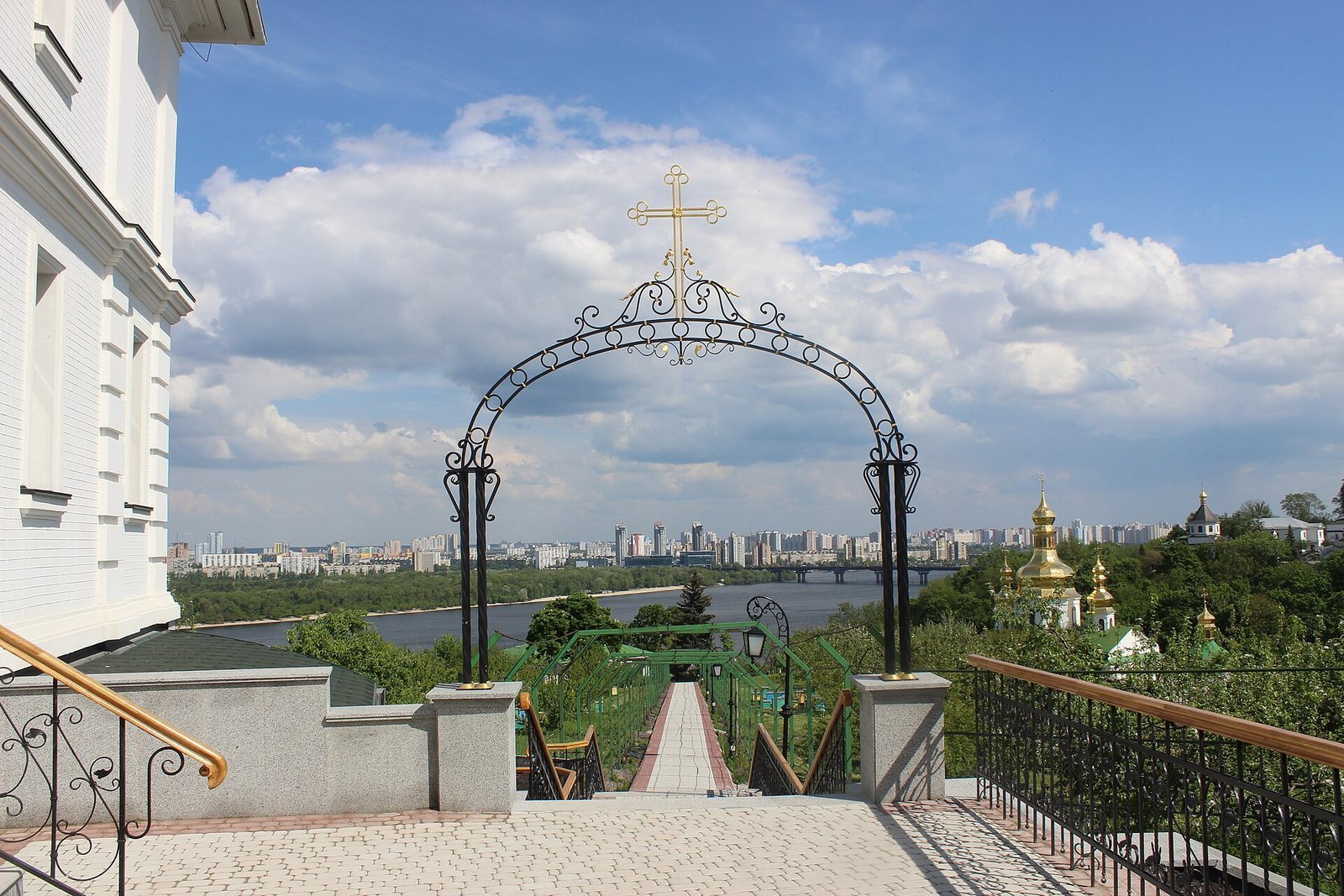
The Church of the Elevation of the Cross has carved icons dating to 1769. Its former dining hall connects to the brethren’s cells, housed in a Neoclassical building dating to the 1830s with a four-column entrance porch. A bell tower stands at the foot of the hill. Tombstones in front of the church include that of Kyiv governor-general Aleksandr Bezak, designed by Mikhail Ikonnikov in 1860.
Wells and chapel
Two old draw-wells lie beneath the caves and were discovered in modern times. A chapel beside them, now known as the Church of the Life-Giving Spring, honors an icon of the Mother of God, an Eastern Christian title for Mary, the mother of Jesus. Legend links one well with Anthony and the other with his disciple Theodosius of Kyiv.