Former Gambrinus Building in Florence: Café, Cinema, and Entertainment Venue
Site at a Glance
- Popularity
- Medium
- Country
- Italy
- Primary era
- Modern
- Eras represented
- Modern
- Civilizations
- Italian
- Site type
- Entertainment
On this page6 sections
History
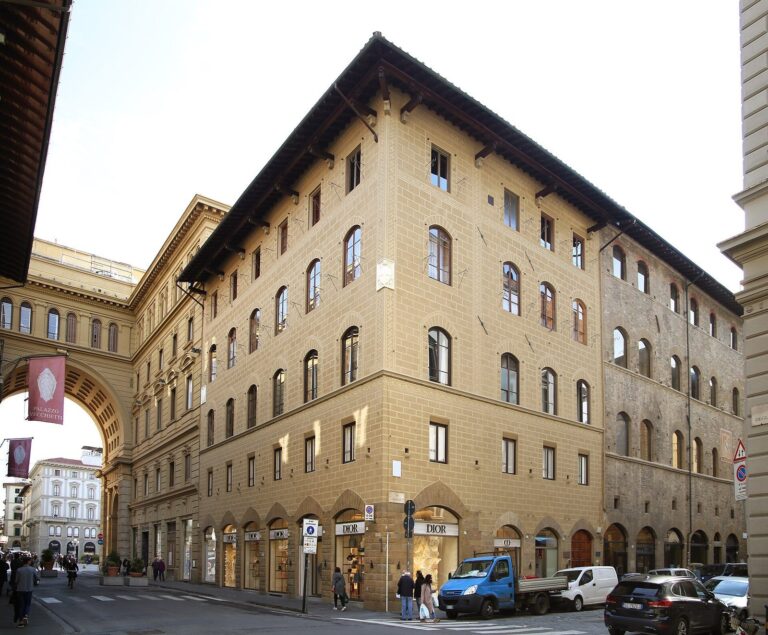
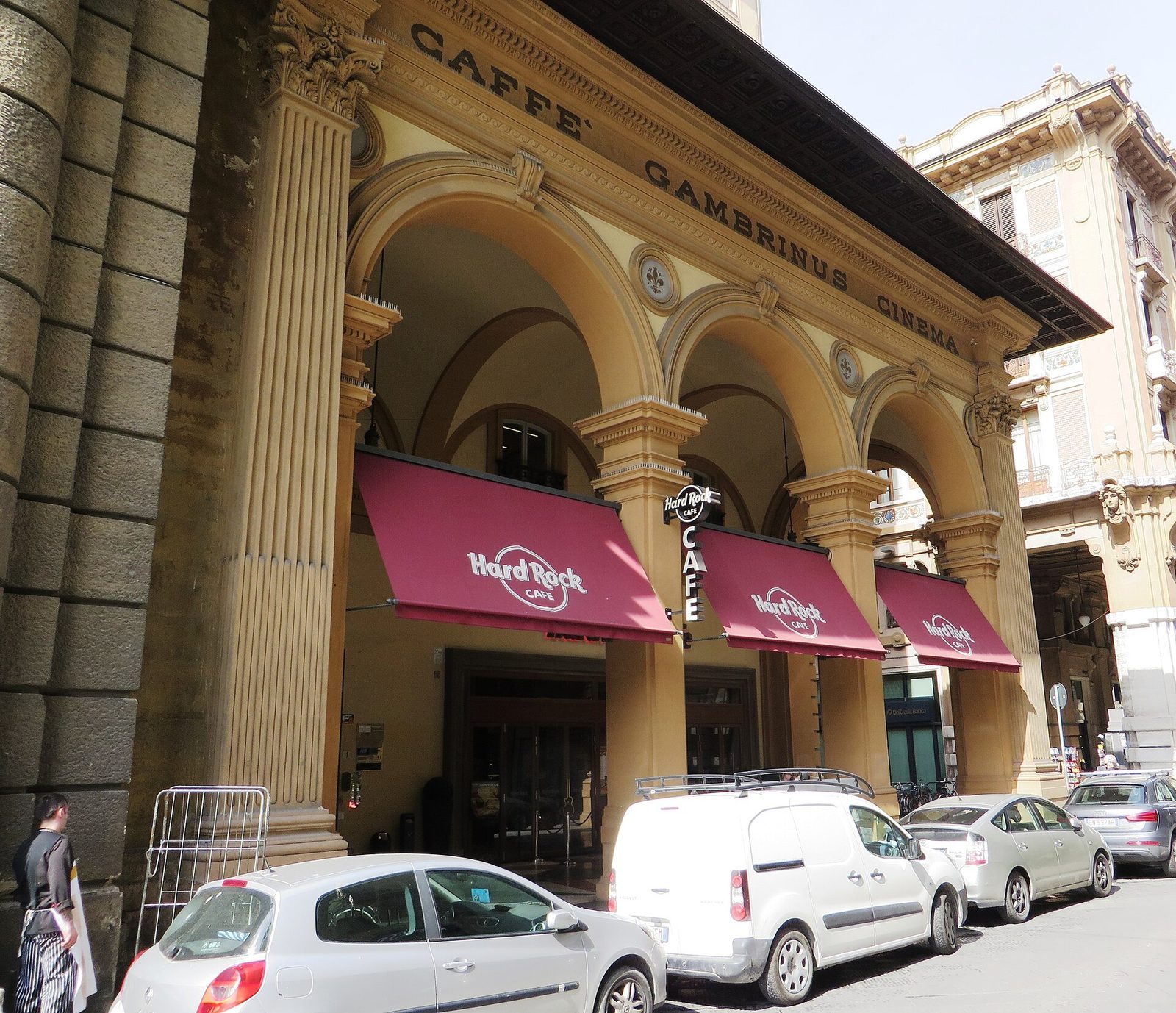
The Former Gambrinus Building in Florence is a former café and cinema in Italy, first opened as Caffè Gambrinus Halle in 1894. Its luxurious interiors helped make it one of Florence’s most elegant establishments. The building later served as a cinema and underwent further changes in use.
Caffè Gambrinus Halle
The café was operated by Società Anonima C. Paszkowski, a joint-stock company. Its design is attributed to Giacomo Roster, though Vincenzo Micheli has also been credited, perhaps because of the building’s close architectural ties to Micheli’s Palazzo dell’Arcone.
Artists and the cinema conversion
After World War I, the café became a meeting place for artists associated with Second Futurism, a later phase of Italian Futurism, an avant-garde movement in the arts. Its regulars included filmmaker Arnaldo Ginna, painter Oscar Ghiglia, poet Dino Campana, and writer and artist Ardengo Soffici. Soffici later described the café in his 1954 book Il salto vitale.
Entrepreneur Vittorio Furlan acquired the building, and much of the space occupied by the winter garden and restaurant was converted into a cinema. Cinema Centrale Gambrinus opened in April 1922.
Fire, rebuilding, and later use
The cinema was renovated in 1948, then severely damaged by fire in 1950. Architect Enrico Miniati designed its reconstruction, and it reopened in April 1951. The cinema and its bar closed in 2007. From 2010 to 2011, the complex was adapted for Hard Rock Cafe Italia in a project designed by architect Carlo Carbone of Studio Architettura Acustica. The venue opened on July 4, 2011.
Remains
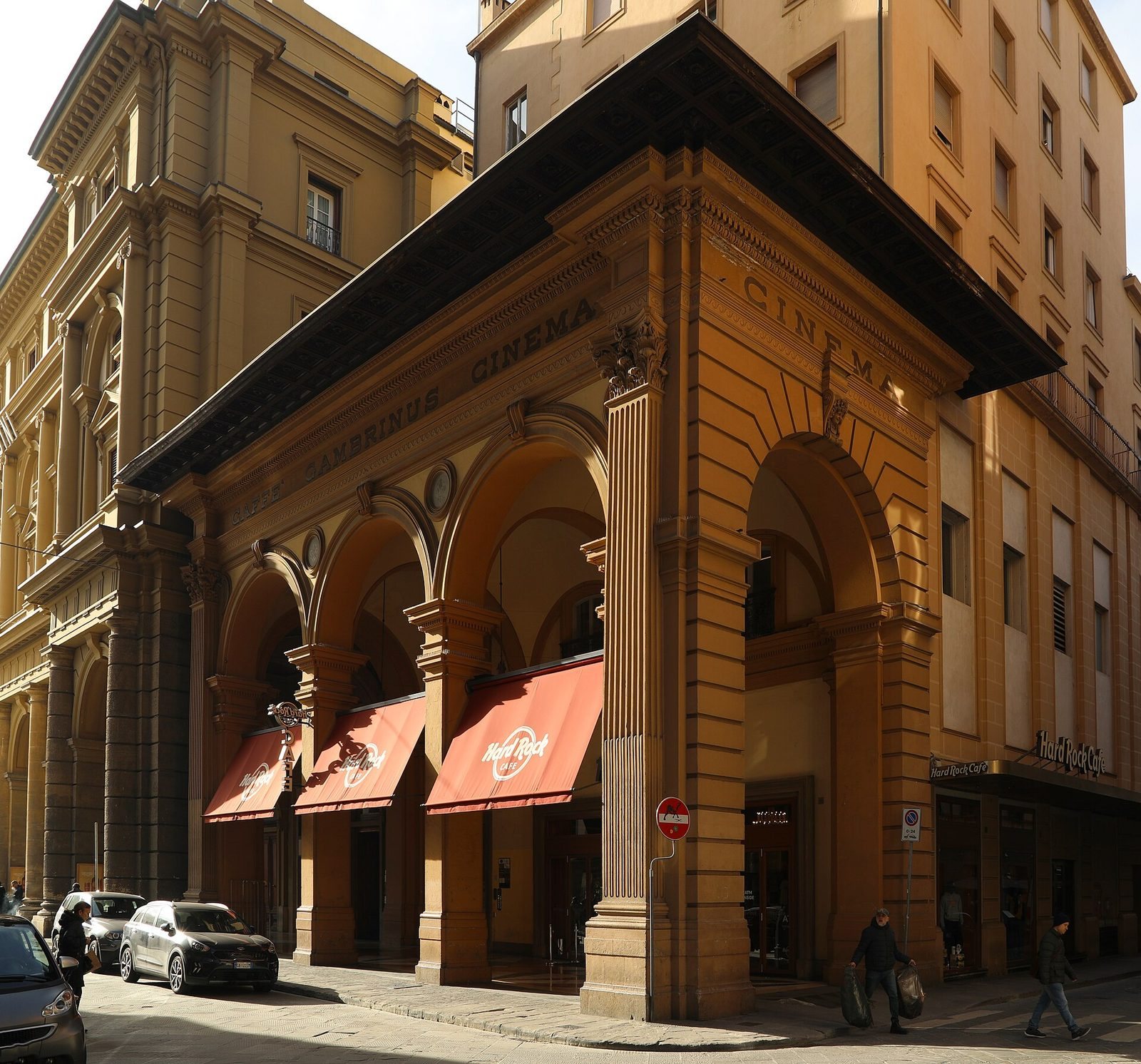
The original building survives only in its projecting front section. Its three-arch portico continues the portico of the larger Palazzo dell’Arcone without interruption, although the two façades differ in design. The Palazzo’s great arch faces present-day Piazza della Repubblica.
Café and cinema spaces
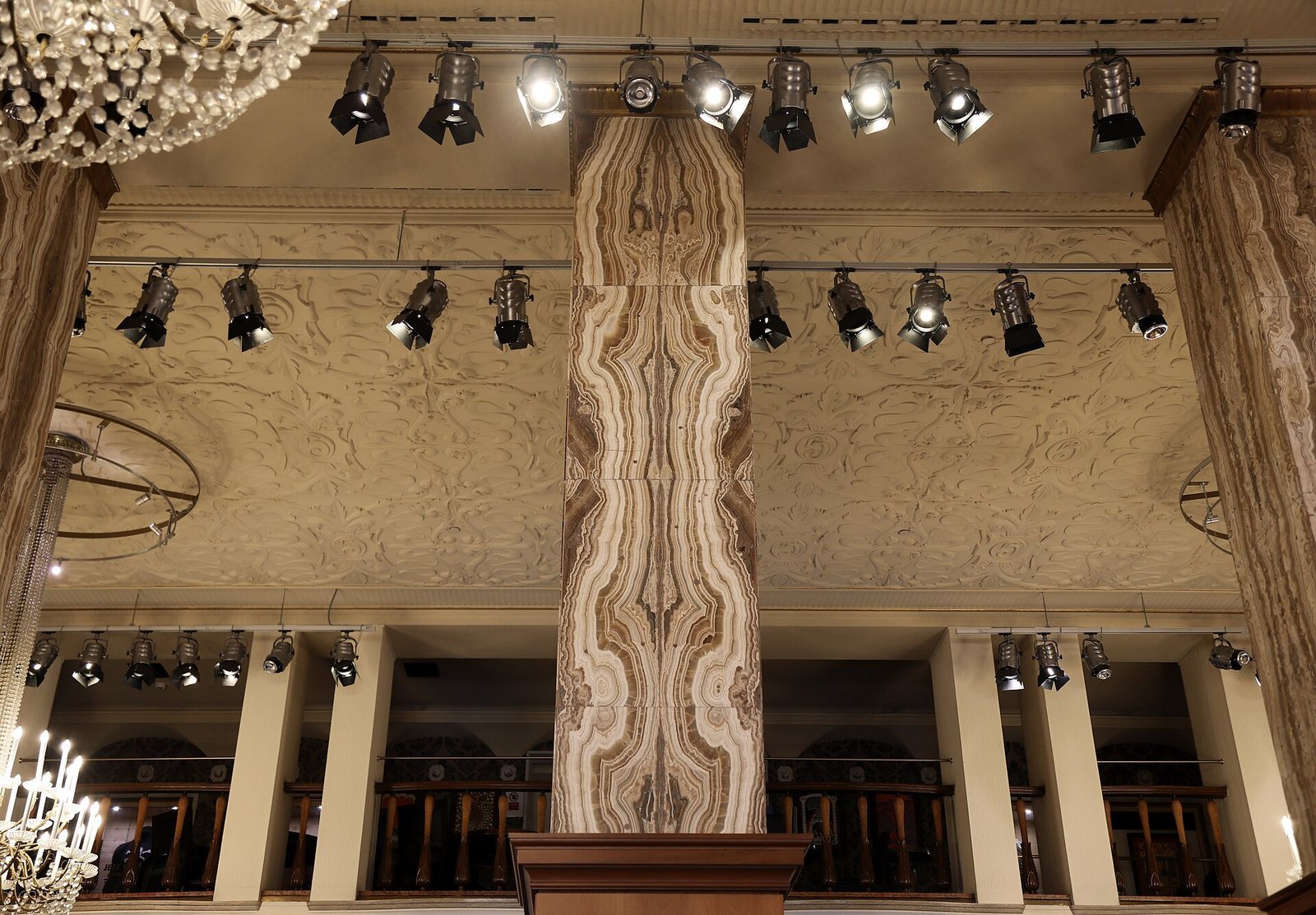
The surviving section formed part of Caffè Gambrinus Halle and provided access to the complex, which included a restaurant, a rooftop terrace, a winter garden, and billiard rooms reached from Via de’ Vecchietti. Vincenzo Rosignoli and Alberto Micheli created decorations for the café’s interiors. The cinema auditorium initially held 1,800 seats. During the 2010–11 adaptation, the exterior retained its earlier configuration, while the interior largely kept the layout from the cinema’s last major renovation. Stucco ceilings, panels, and chandeliers were reused as decoration in the new venue.
Giovanni Colacicchi’s painting Allegory of Dance, Music, Comedy, Philosophy and Poetry originally decorated the cinema hall. It depicts figures representing those five arts and subjects. In 2011, the Ente Cassa di Risparmio di Firenze, an institution associated with Florence’s savings bank, acquired the painting.