Castle of Atouguia da Baleia: A Medieval Fortification in Portugal
Site at a Glance
- Popularity
- Low
- Country
- Portugal
- Primary era
- Medieval
- Eras represented
- Medieval, Early Modern, Modern
- Civilizations
- Portuguese
- Site type
- Military
- Remains
- Castle
On this page9 sections
History
The Castle of Atouguia da Baleia is a medieval masonry fortification in Portugal, associated with the formation and defense of a medieval settlement. Its development followed grants of the surrounding territory and the establishment of the town.
Early settlement and foundation
In AD 800, the site was a convent dedicated to Saint Julian. A 1158 donation document records the transfer of territory between Óbidos and Lourinhã to D. Gulherme de Cornibus, a knight associated with Afonso Henriques, in recognition of conquests in 1147. In 1165, Afonso I granted the town to the French noble Wilhelmo Lacorne, also rendered Cornes, for his role in the capture of Lisbon. A settlement was established, and Afonso issued it a charter in 1167.
The castle was built after the grants and the settlement of the territory. A charter of 1187 described Antougia as having a military role and called for additional defenses, including watchtowers. In 1191, after all the convent’s friars had died, its possessions were incorporated into Alcobaça Monastery, a Cistercian monastery in Portugal.
Royal government and medieval town
Afonso II confirmed the town’s charter at Santarém in 1218. It is uncertain whether the fortress was refurbished at that time. In the 14th century, King Dinis began public works on the castle after granting the town to Queen Isabel, his queen consort and castle governor.
During King Ferdinand’s reign, the Portuguese Cortes, an assembly representing the kingdom’s estates, met at Atouguia in either 1373 or 1376. A law passed in 1376 regulated the jurisdiction of donataries, recipients of Crown grants, and provided privileges relating to navigation and commerce within the kingdom.
Charters, names, and later lordship
King Manuel issued a new charter for Atouguia at Santarém in 1510. The region had previously been called Touguia, Tauguia, or Touria, names associated with bulls roaming Crown lands. By 1526, the formal name Atouguia da Baleia had been adopted, following the beaching of a 20-metre whale at Areia Branca.
In 1759, Atouguia’s lands passed from the Crown to the donatary lords of the Counts of Atouguia. King Joseph I extinguished the countship that year after an attempted regicide. A process to classify the castle began in 1950; on 23 May 2003, the Ministry of Culture classified it as a Property of Public Interest, a Portuguese heritage-protection designation.
Remains
Castle and associated fabric
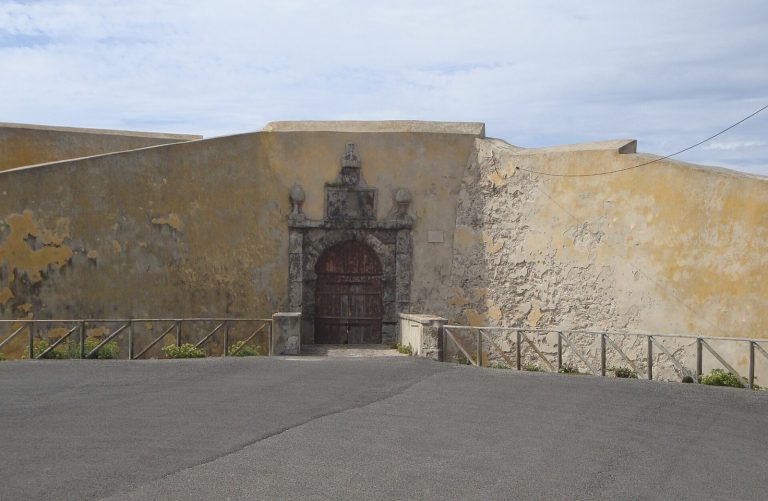
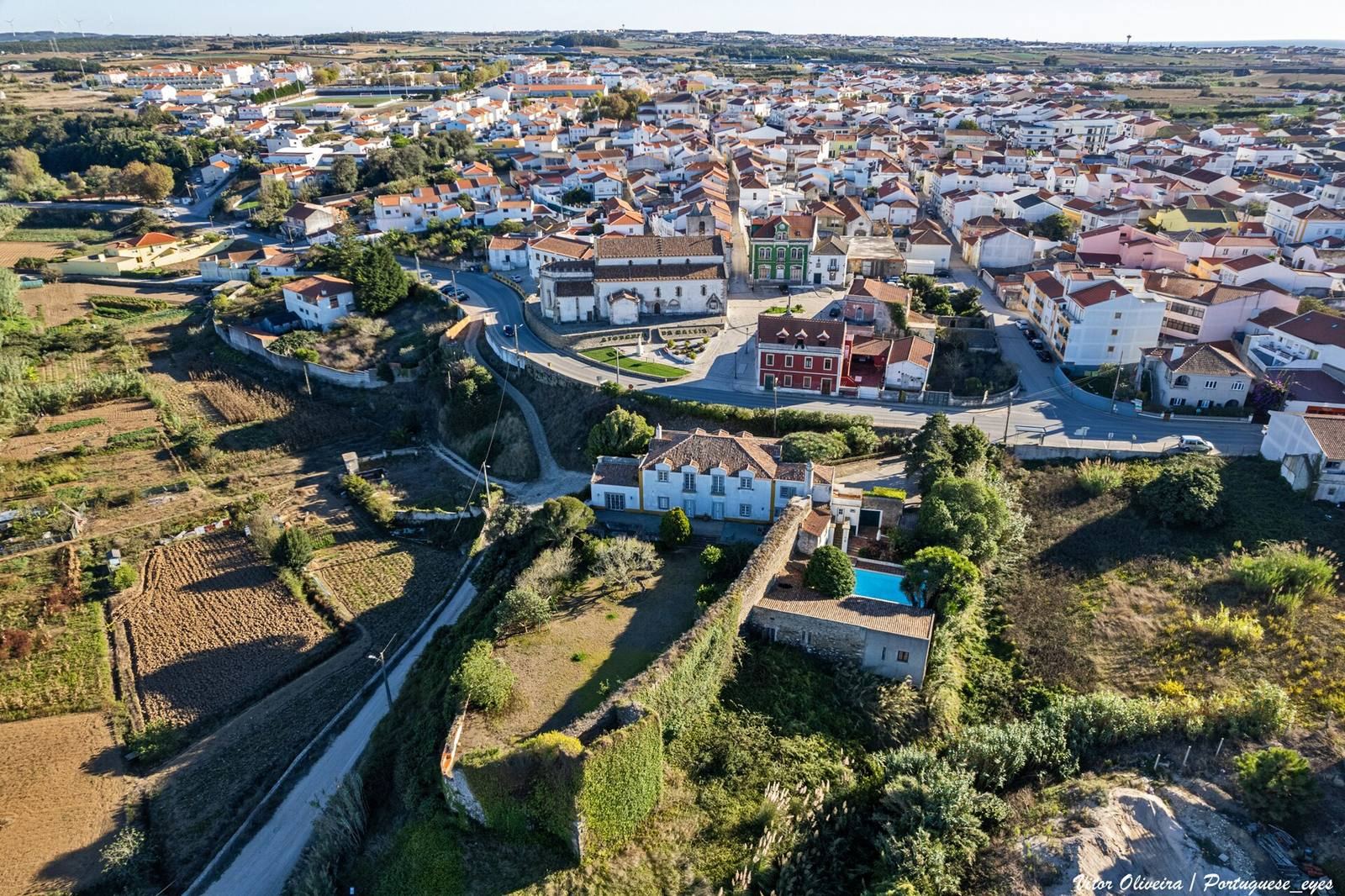
The remains occupy level ground in an urban setting and are integrated into private property. The masonry fortification has an oval plan.
Enclosure and keep
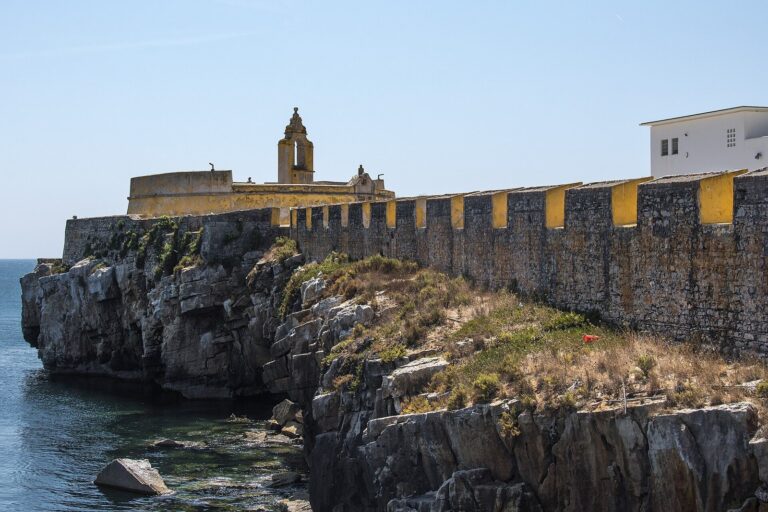
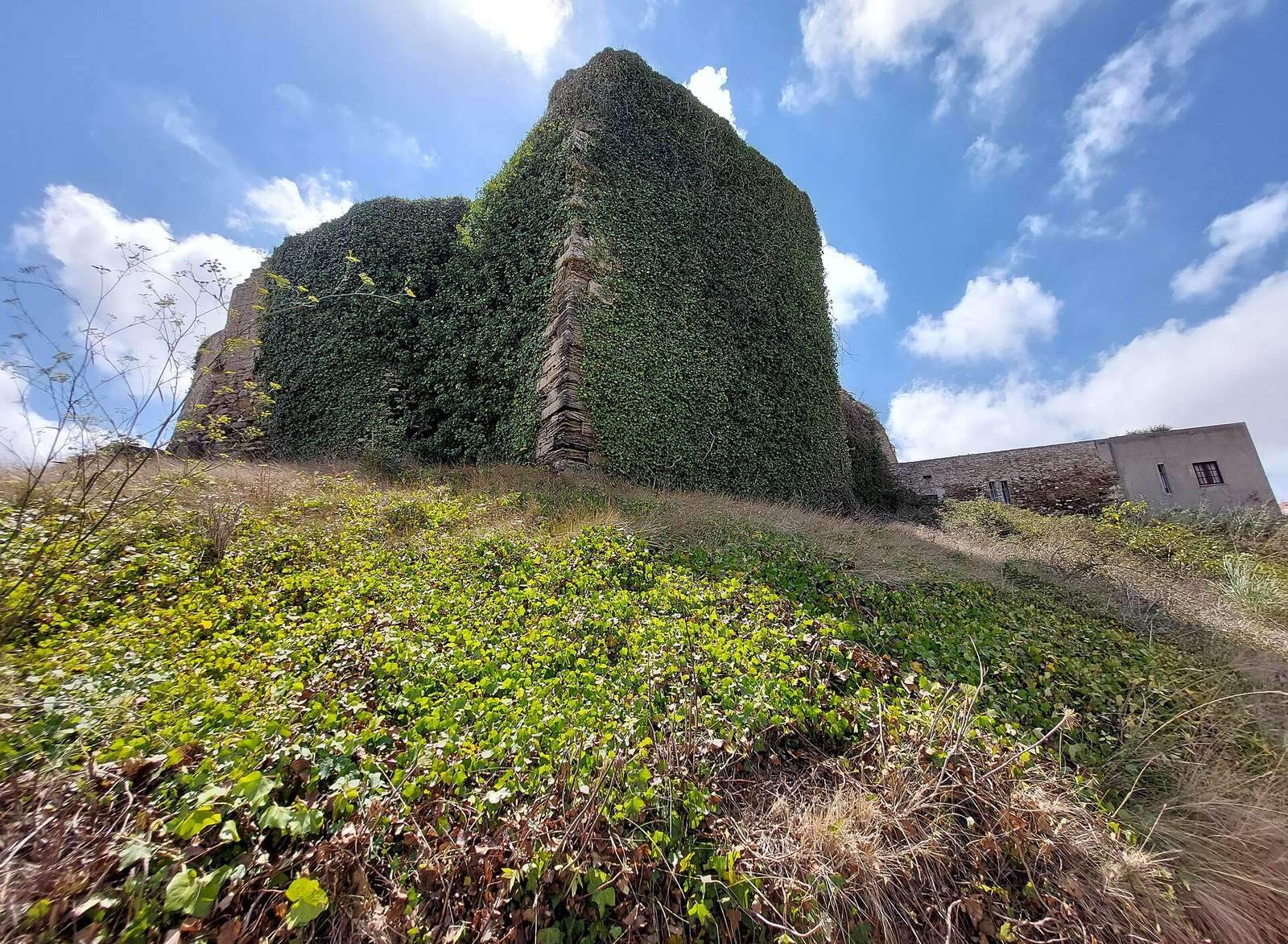
The surviving defenses consist of a walled courtyard and a keep, the principal fortified tower. Together, these features form the core of the castle’s surviving fortification.
Chapel inscription
An inscription inside the chapel links the location to a Roman temple dedicated to Neptune, the Roman god of the sea. It credits the consul Decio Junio Bruto, one of the chief magistrates of the Roman Republic, with consecrating the temple after victory over the people of d’Eburóbriga.
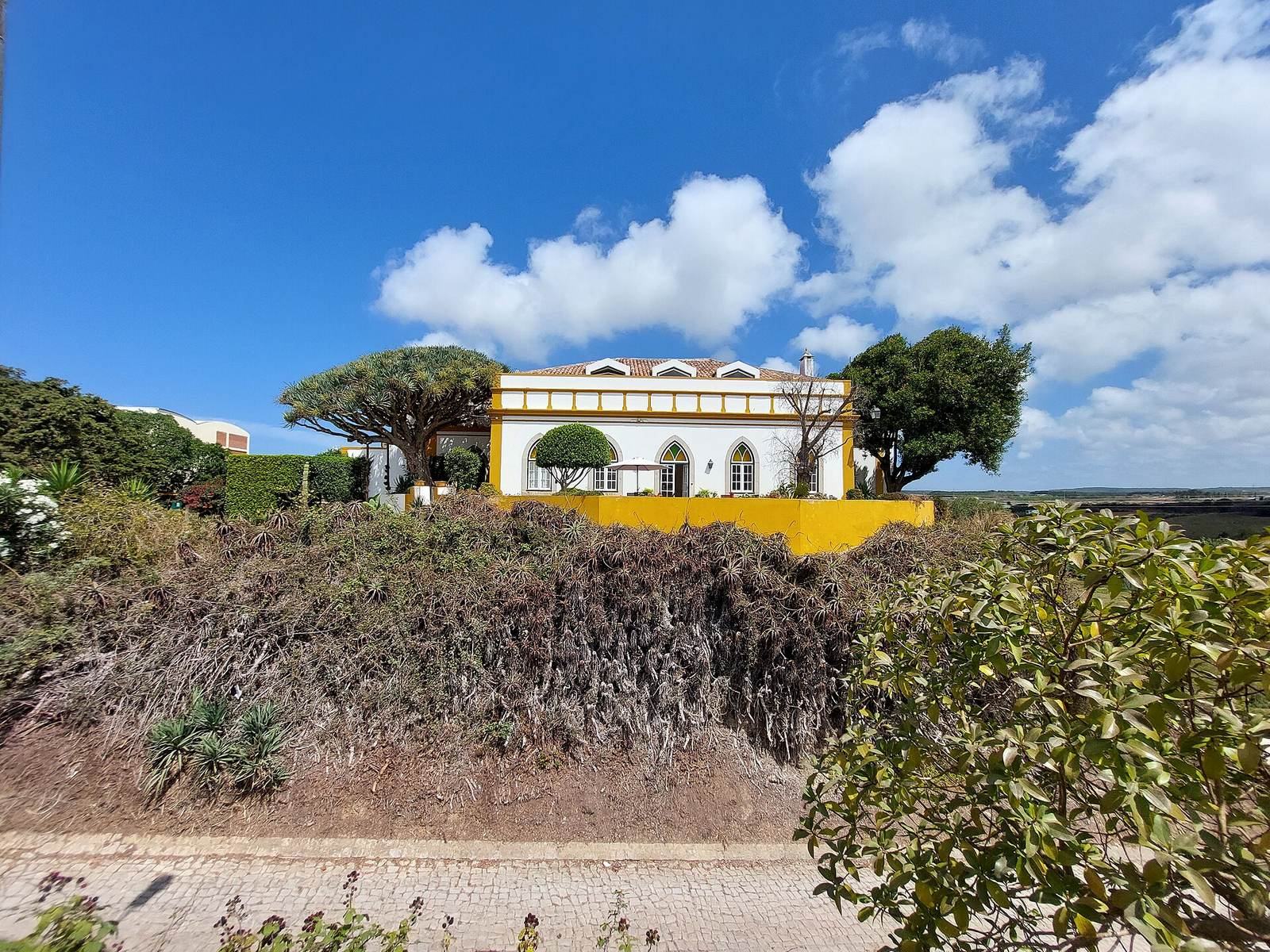
Casa do Castelo
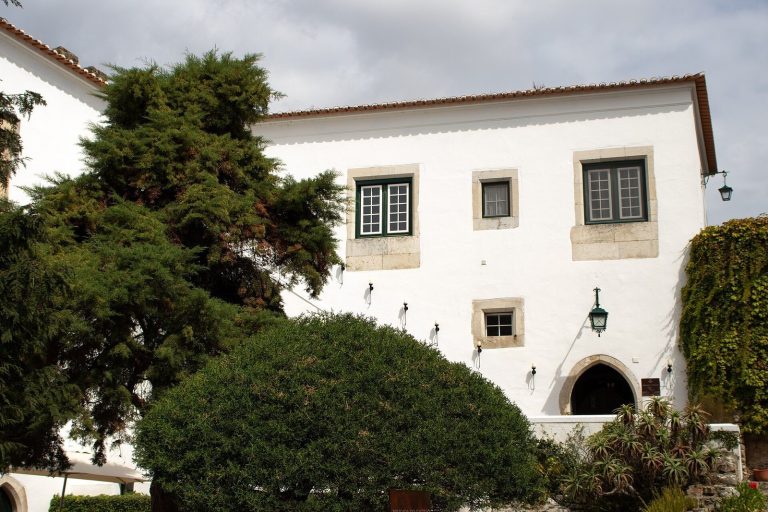
The Casa do Castelo (Castle House) is attached to the castle walls. It was built in the 17th century and enlarged in the 19th.