Travel Palace: An Imperial Palace on the St Petersburg–Moscow Route
Site at a Glance
- Popularity
- Medium
- Country
- Russia
- Primary era
- Early Modern
- Eras represented
- Early Modern, Modern
- Civilizations
- Russian
- Site type
- Domestic
- Remains
- Palace
On this page10 sections
History
Imperial construction
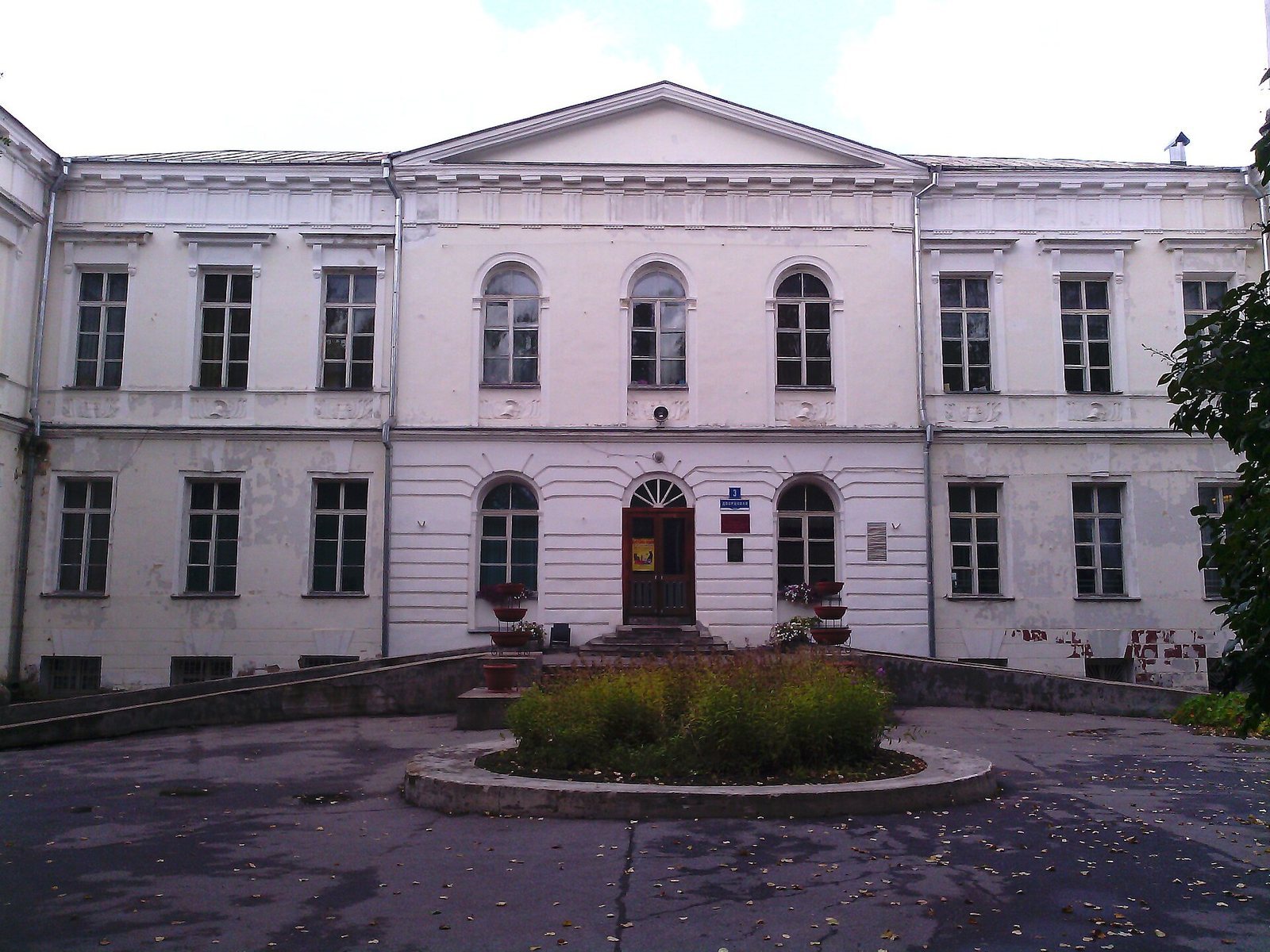
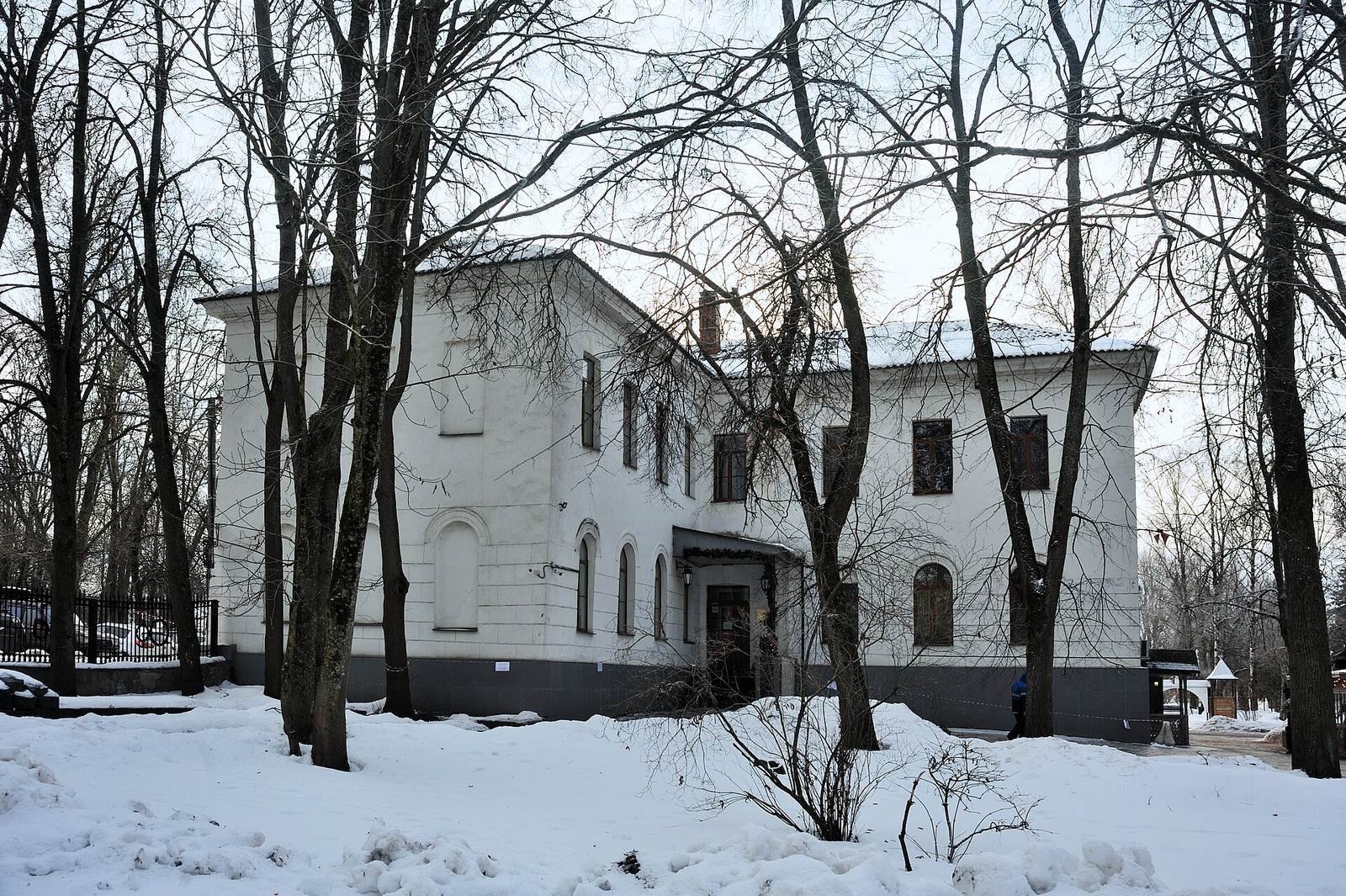
The Travel Palace is an eighteenth-century palace in Russia, commissioned by Empress Catherine II in 1771 as one of the travel palaces along the route between St Petersburg and Moscow. Its construction accompanied the paving of the road with stone and was meant to ease Catherine’s journey to Moscow for a coronation.
Flood damage and reconstruction
A flood in 1807 destroyed some walls that rested on timber foundation beams, and the palace required restoration. By the early nineteenth century it had fallen into neglect. In April 1809, as a new governor-general was expected, Novgorod’s civil governor proposed two plans to restore the palace and its wings. Neither proceeded. Instead, the building became the headquarters of one corps of the military settlements established on a large scale in Novgorod Governorate. These imperial communities combined military service with agricultural production and were organized under military minister Count Alexei Arakcheev.
Reconstruction resumed from 1825 under architect Vasily Petrovich Stasov, a Russian architect known for neoclassical buildings.
Revolutionary and Soviet uses
On March 15, 1917, soldiers of the 177th Reserve Regiment formed Novgorod’s Council of Soldiers’ Deputies in the palace. On April 27, the provincial Council of Workers’, Soldiers’ and Peasants’ Deputies made the building its headquarters. In revolutionary Russia, a soviet was a council representing groups such as soldiers or workers.
From April 1929 the palace housed the House of the Red Army, a Soviet institution that provided cultural and educational activities for military personnel. Its House of Culture was named for N. G. Vasilyev in 1962. Vasilyev, who had directed it from 1934, held the Hero of the Soviet Union title, the USSR’s highest honorary award. The palace now houses the Vasilyev House of Culture and Leisure, while its south wing serves as a hotel.
Remains
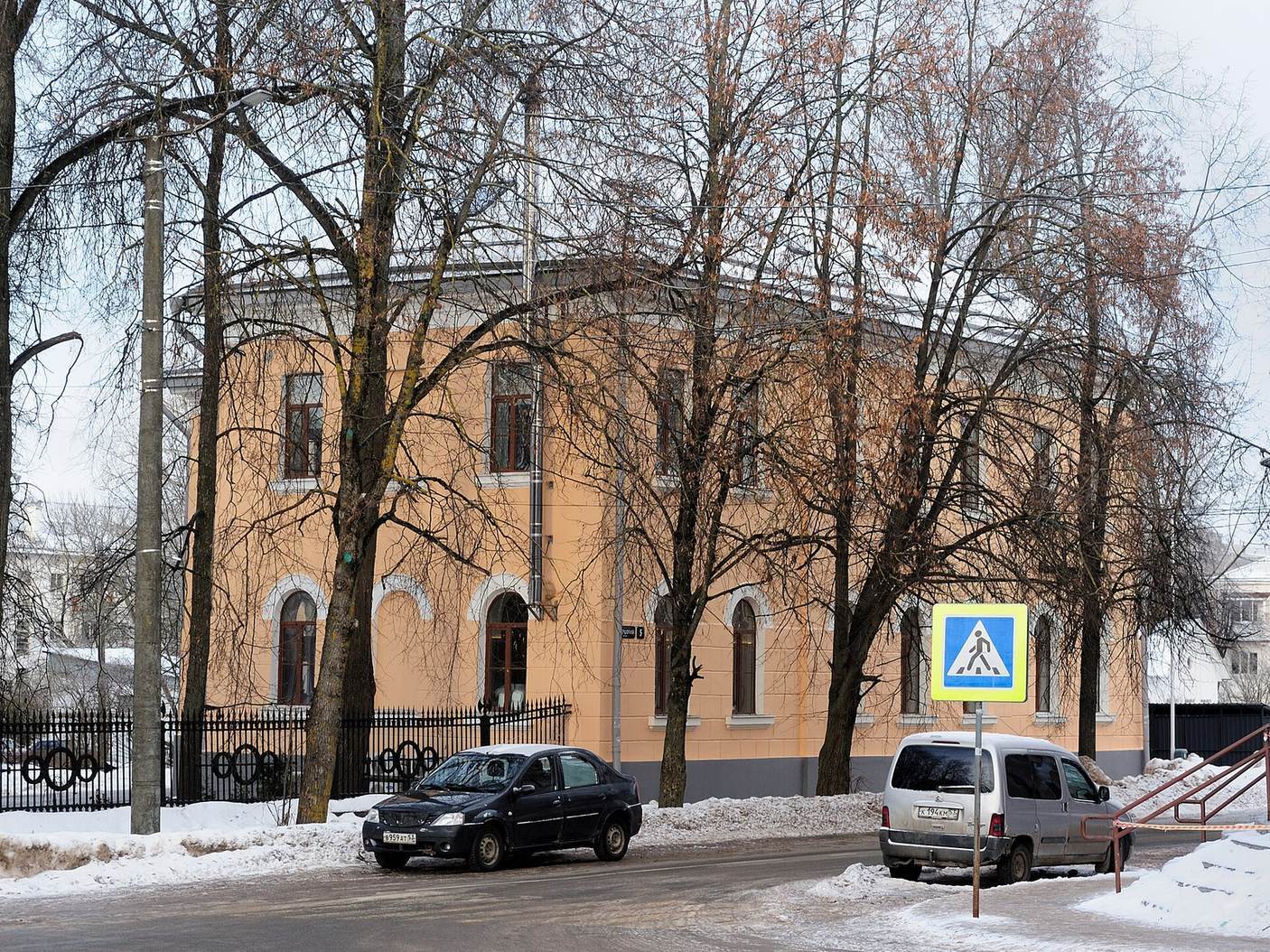
The palace and its side wings form an urban ensemble characteristic of the second half of the eighteenth century. The complex is positioned between Palace Street to the east and the Volkhov River to the west.
The palace ensemble
Plan and wings
A city plan made in 1778 depicts the palace with its side wings. The design is thought to have drawn on a project for a royal palace in Smolensk. Together, the main building and wings define the ensemble’s surviving arrangement.
Approach and setting
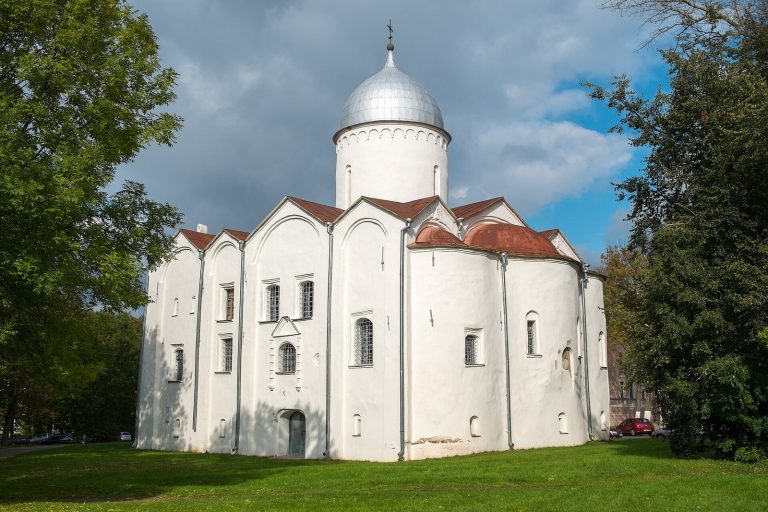
The main approach is from Palace Street, named for the palace, through gates in an enclosure that connects the side wings. From the approach there is a view of the Church of St. John on Opoki, a medieval Orthodox church dedicated to John the Baptist. A small park lies on the palace’s Volkhov side. The ensemble’s south side faces Yaroslav’s Court, a historic complex associated with Novgorod’s medieval commercial and civic life, with an alley between them. The west side faces the river and Alexander Nevsky Embankment. The alley extends from a pedestrian bridge built across the Volkhov in 1987, at the site of a crossing that had stood there since the Middle Ages and was called the Great Bridge until January 1944.
Stasov’s drawings
Drawings signed by Stasov show a projecting roof cornice in the Doric order, a classical design distinguished by relatively plain capitals and entablature. They also depict reinforced roof rafters, window frames and doors, stairs, railings, and a vestibule, or entrance hall. A drawing of the stairwell and vestibule is dated June 26, 1827.
Cast-iron enclosure
A cast-iron enclosure for the ensemble was made to Stasov’s designs and decorated with applied wreaths.