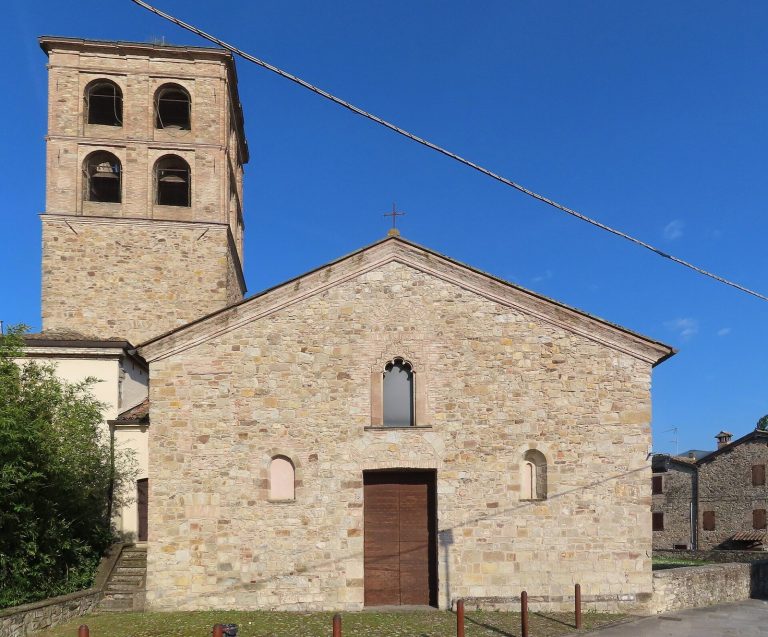
Church of St Peter the Apostle in Fragno: A Baroque and Neoclassical Parish Church
Site at a Glance
- Popularity
- Very Low
- Country
- Italy
- Primary era
- Early Modern
- Eras represented
- Medieval, Early Modern, Modern
- Civilizations
- Duchy of Parma and Piacenza, Italian
- Site type
- Religious
- Remains
- Church
On this page13 sections
History
The Church of St Peter the Apostle is a Roman Catholic church in Fragno, a hamlet of Calestano in Parma province, Italy. Dedicated to St Peter, one of Jesus’ twelve apostles and a foundational figure in Catholic tradition, it follows the Roman rite, the principal liturgical tradition of the Latin Church. It serves as a parish in the Montagna pastoral zone, which groups parishes for pastoral organization. The church was rebuilt in Baroque form around 1660 and later received Neoclassical additions.
Medieval chapel and parish
The original church was built during the medieval period. Its earliest known mention dates to 1230, when a chapel called Capelle de Feragno was listed among the dependencies of the parish church of Castrignano. The entry appeared in the Diocese of Parma’s Capitulum seu Rotulus Decimarum, a medieval record of tithes and church institutions. A dedication to St Peter was recorded in 1494, and in 1564 the church became an independent parish.
Rebuilding and later changes
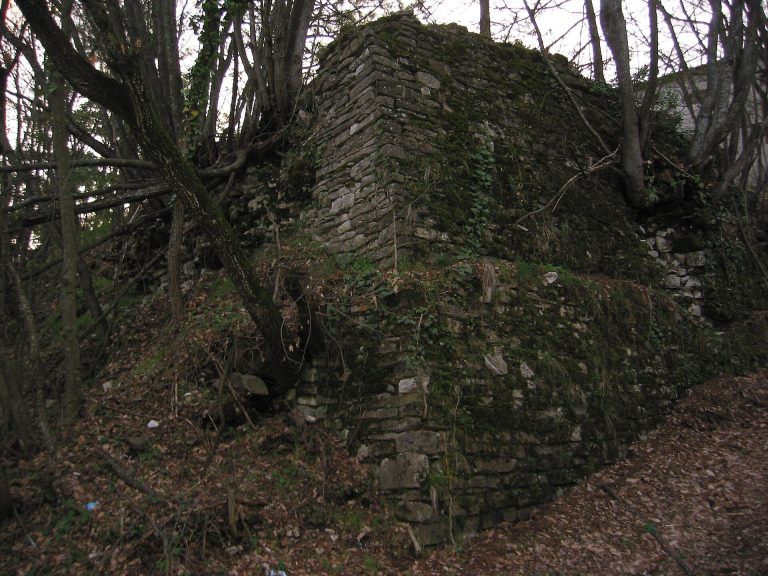
The medieval church stood on land prone to landslides, so it was demolished and rebuilt at a safer location. The replacement took Baroque form, and a tall bell tower was erected beside it.
Windows were added to the side walls around the middle of the nineteenth century. The new Neoclassical façade was completed in 1858. In 1954, Emanuele Quintavalla restored the church and decorated its interior.
Remains
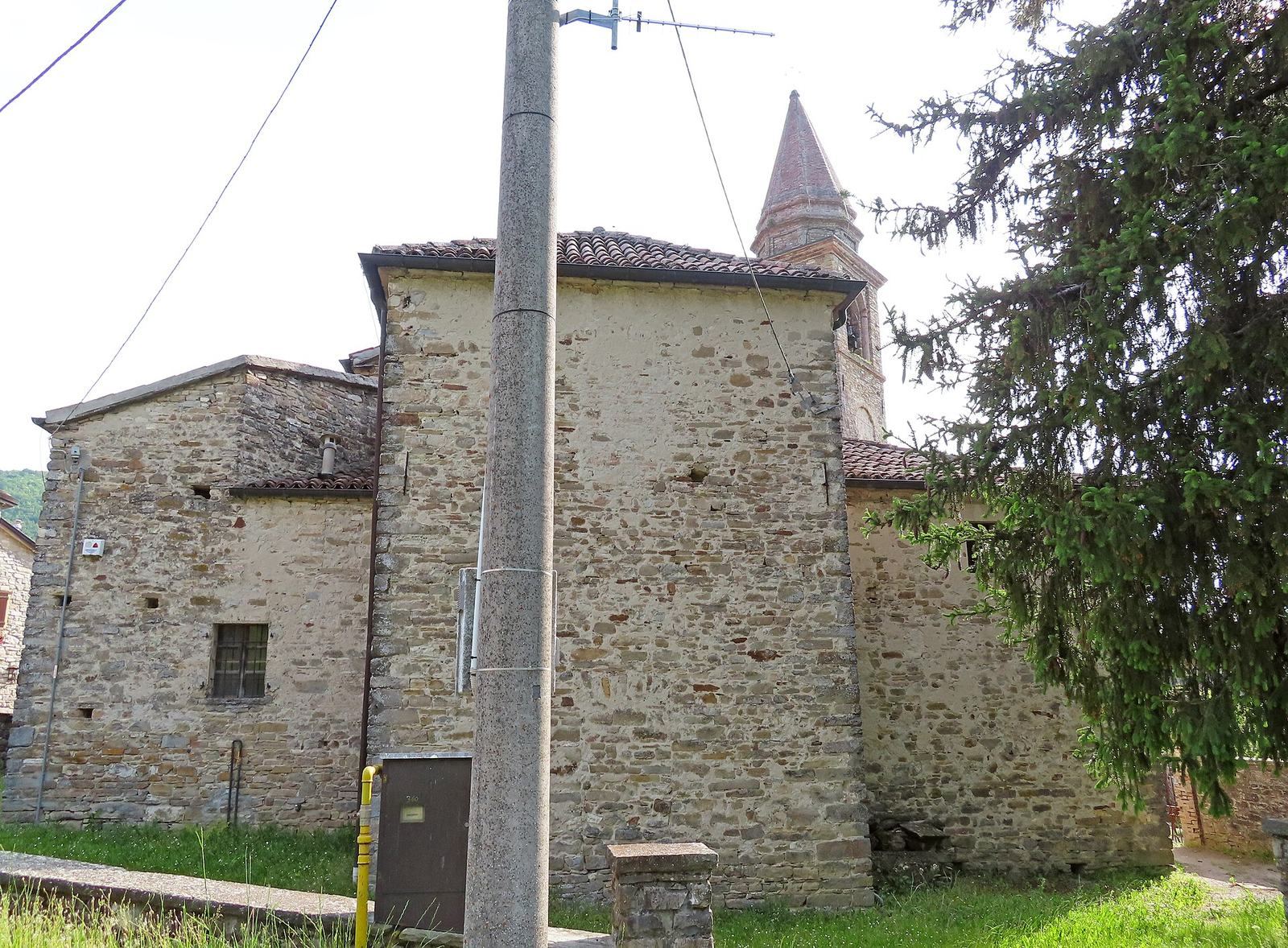
The church has a single nave, the main body of the building, extending from the southwest entrance to the presbytery, the area around the principal altar, at the northeast end. Two chapels open on each side. Baroque and Neoclassical features shape the building, which has stone-faced side walls and a separate stone bell tower.
Exterior
Façade
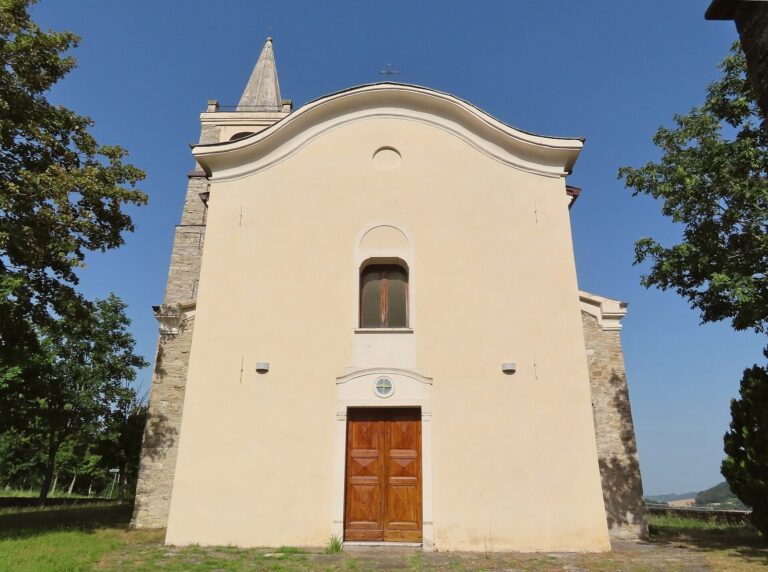
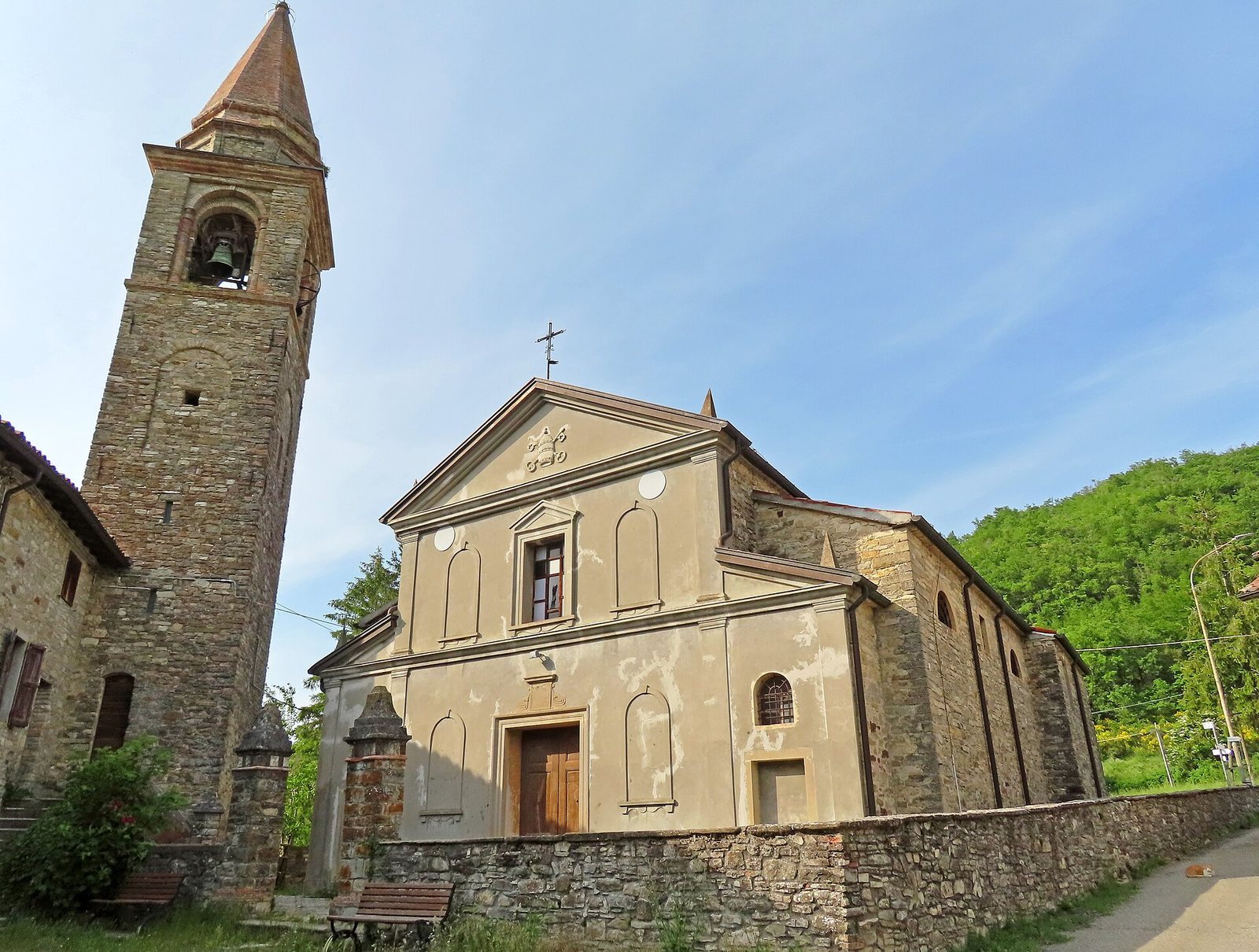
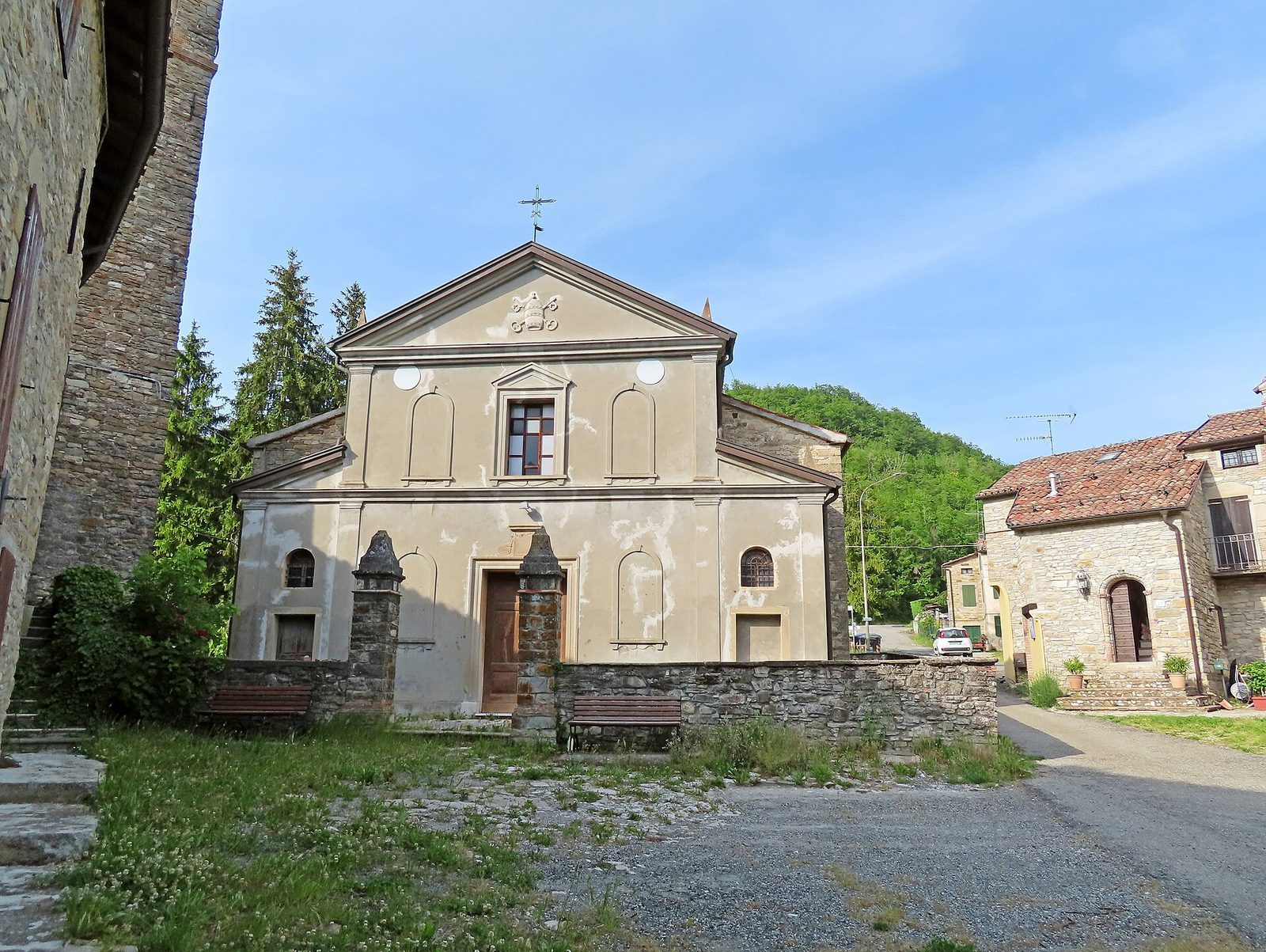
The symmetrical, plastered façade has a stepped outline and two levels divided by a raised cornice. Four pilasters, shallow projections resembling columns, mark the lower level; their Doric capitals are the plain top elements of the Doric order. A broad central entrance has a molded frame and a Baroque crown salvaged from the earlier seventeenth-century portal. Two arched panels flank it, while two smaller doorways sit at the outer edges. The right-hand doorway is blocked, and each doorway is topped by a round-arched window with a single opening.
Two central pilasters continue upward from the lower level. Between them is a large framed window with a triangular pediment, an architectural crown, while arched panels occupy the spaces to either side. A broad pediment with a projecting cornice crowns the façade and contains a raised carving of St Peter’s keys, a Christian emblem of his authority.
Bell tower
A tall, detached stone bell tower stands to the left of the church. Arched panels decorate its exterior, and its bell chamber has broad round-arched openings on all four sides. Above it, an octagonal lantern, a small upper tower stage, supports a pointed brick spire.
Side walls
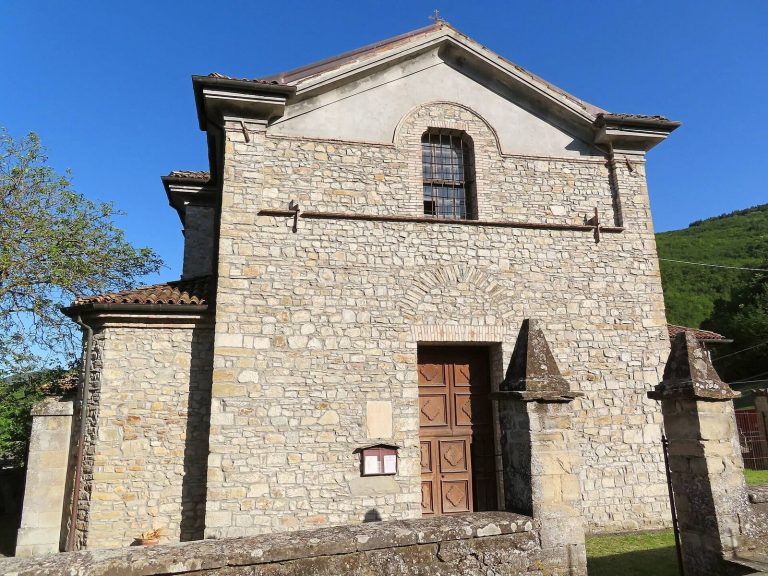
The church’s side walls are faced entirely in stone. Each has two semicircular openings, called lunettes, as well as a small rectangular window high on the wall.
Interior
Nave and chapels
The nave’s richly painted barrel vault, a ceiling shaped like a half-cylinder, has lunettes. Pilasters support a molded cornice, and eighteenth-century candle holders are attached to the pilasters. The side chapels have similar vaulted ceilings and open onto the nave through broad round arches.
In the first chapel on the right, a late-eighteenth-century processional banner shows the Virgin Mary and Child Jesus enthroned with Saints Peter, Anthony of Padua, and Lucy. Anthony was a thirteenth-century Franciscan preacher, and Lucy was an early Christian martyr. Domenico Muzzi painted the banner, which was long attributed to Biagio Martini. The second chapel on the right has an altarpiece, artwork associated with an altar, containing a statue of St Anthony. Its altar also holds a painting from around 1660 of Christ giving Peter the keys, accompanied by another saint. In the second chapel on the left is a monumental eighteenth-century altar topped by an altarpiece from the same period.
Presbytery
The presbytery is slightly raised above the nave and divided from it by a wooden balustrade, a low railing of short posts, dating to 1858. A round arch on two Doric pilasters marks its entrance. Above, a frescoed sail vault, formed by curved surfaces spanning a bay, covers the space.
A gilded wooden high altar in table form was added at the center of the presbytery between 1970 and 1980. Behind it stands the older eighteenth-century high altar, with an ambo, a raised lectern for readings, dating to 1883 beside it. Wooden choir stalls from 1858 stand at the rear. Above them hangs an altarpiece showing Christ giving the keys to St Peter. Paolo Ferrari painted it in the second half of the eighteenth century; it was long attributed to his son Pietro Melchiorre.
Other furnishings
The church also preserves an eighteenth-century painting of Our Lady of Mount Carmel, a title for the Virgin Mary associated with Carmelite devotion, and processional crosses from the fifteenth and eighteenth centuries. Other furnishings include a late-eighteenth-century altarpiece, a painted wooden angel holding a candle, four seventeenth-century candlesticks, and a lamp with a monstrance made by Luigi Natale Vernazzi in 1828. A monstrance is a vessel used to display the consecrated host in Catholic worship. The collection also includes other seventeenth- and eighteenth-century liturgical objects and vestments from the eighteenth and nineteenth centuries.
Sacristy
The sacristy contains eighteenth-century furniture, including two Baroque cabinets, a carved display throne decorated with angels, an armchair, two chairs, and a stool. It also holds a chest in the Louis XVI style, a late-eighteenth-century French decorative style drawing on Neoclassical forms.