Jawor Castle: A Medieval Stronghold and Princely Residence in Poland
Site at a Glance
- Popularity
- Medium
- Country
- Poland
- Primary era
- Medieval
- Eras represented
- Medieval, Early Modern
- Civilizations
- Holy Roman Empire, Kingdom of Bohemia, Kingdom of Prussia
- Site type
- Military
- Remains
- Castle
On this page12 sections
History
Jawor Castle is an urban castle in Jawor, Poland, whose earliest known defensive and residential tower stood before 1224. The castle is first mentioned in 1234, and its surviving complex is classified as eclectic, combining elements from different architectural styles. It is one of the few surviving urban castles in Silesia.
Early stronghold and princely residence
By 1224, Radosław of Bolesławiec held the office of castellan, an official responsible for a castle and its associated territory, on behalf of Henry the Bearded. The castle itself appears in records in 1234, when it belonged to the Duchy of Legnica and served as the seat of a territorial governor, an administrator acting for the ruler. Its position helped secure a crossing of the Wütende Neisse on a route from Legnica through Jawor, Bolków, and Kamienna Góra toward Bohemia.
The establishment of the Duchy of Jawor in 1274 and the division of the Duchy of Legnica in 1278 brought a change in the castle’s role: it became a princely residence. Bernard the Agile, brother of Bolesław I the Strict and co-ruler of the duchy, lived there. Toward the end of his rule, Bolesław strengthened the castle with stone defenses as part of efforts to protect Jawor from the Czechs.
Ducal inheritance and Bohemian rule
After Duke Henry I died in 1346, his nephew Bolko II of Świdnica inherited the castle and the Duchy of Jawor. Bolko named his niece Anna of Świdnica, queen of Bohemia, as his heir, but she died in 1362. Under Bolko’s will, his widow Agnes of Habsburg held a usufruct, the right to use property and benefit from it without owning it, over the united Duchy of Świdnica-Jawor until her death in 1392. The inheritance then passed by law to Anna’s son, Wenceslaus IV, who made the castle a residence for royal provincial governors. After Agnes’s death, Jawor came under the rule of the Bohemian kings.
Vladislaus II of Bohemia stayed at the castle in 1490. Marie Casimire, wife of the Polish king, visited in 1687. Damage in the fifteenth and sixteenth centuries led to repeated rebuilding and restoration. The castle was also damaged during the Thirty Years’ War, a major European conflict fought from 1618 to 1648. These successive changes ended its original form as a medieval fortress.
Prison and later uses
When Silesia passed to Prussia in 1742, the office of provincial governor was abolished. From 1746, the castle served as a workhouse, correctional institution, and mental hospital; from 1888, it was used as a women’s prison. During the Nazi period, resistance fighters Genia Nobel, Maria Fischer, Luise Kanitz (née Lebensaft), and Marie Eckert were imprisoned there, along with other inmates. The castle served as a prison from the time of the eighteenth-century Silesian Wars until 1956.
After Silesia passed to Poland in 1945, the castle was put to other uses. Renovation after 1956 allowed it to accommodate cultural institutions and residences.
Remains
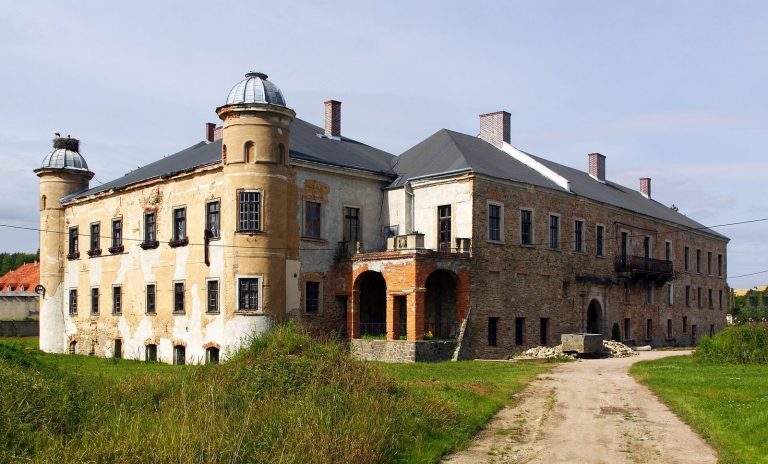
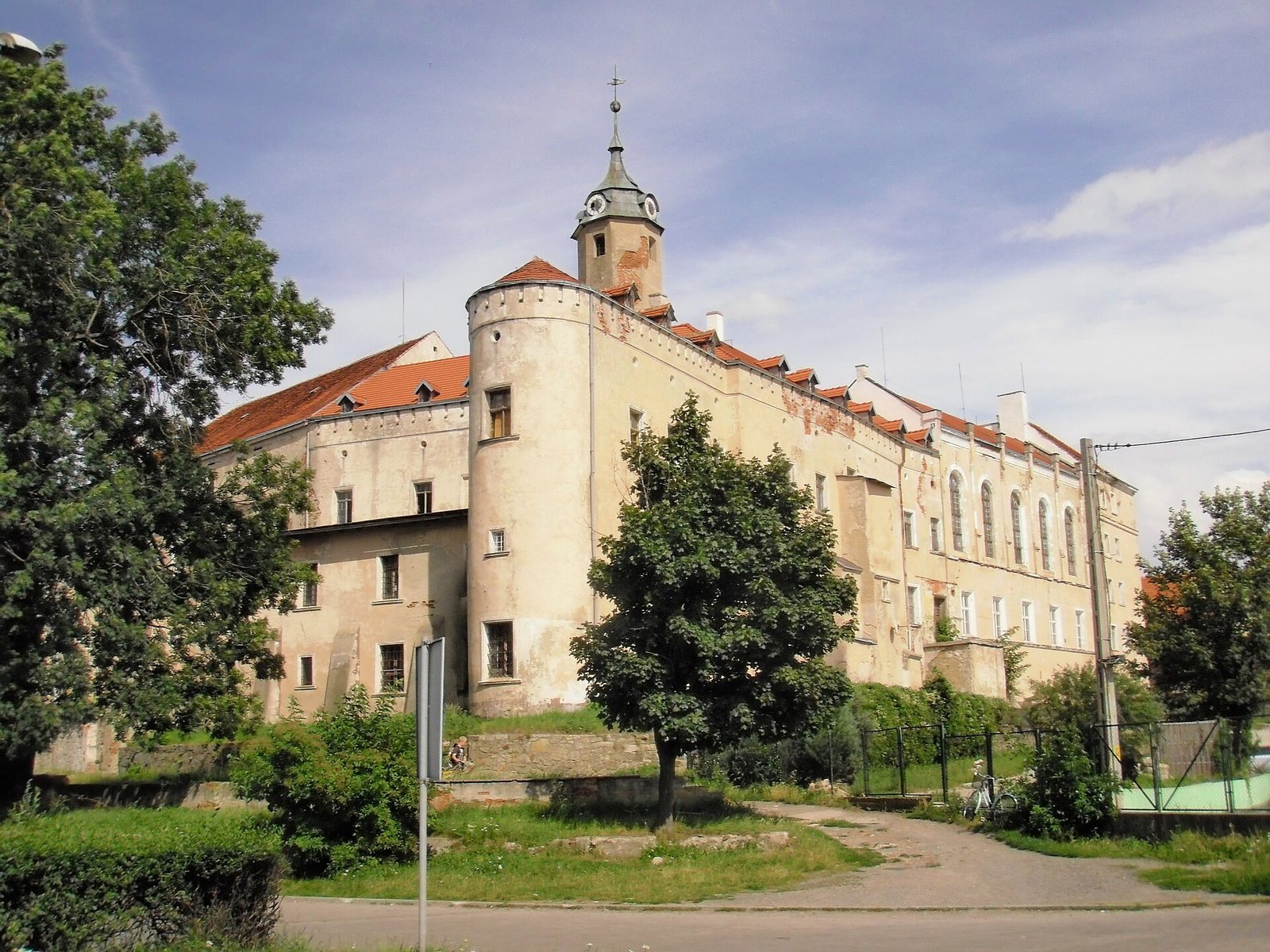
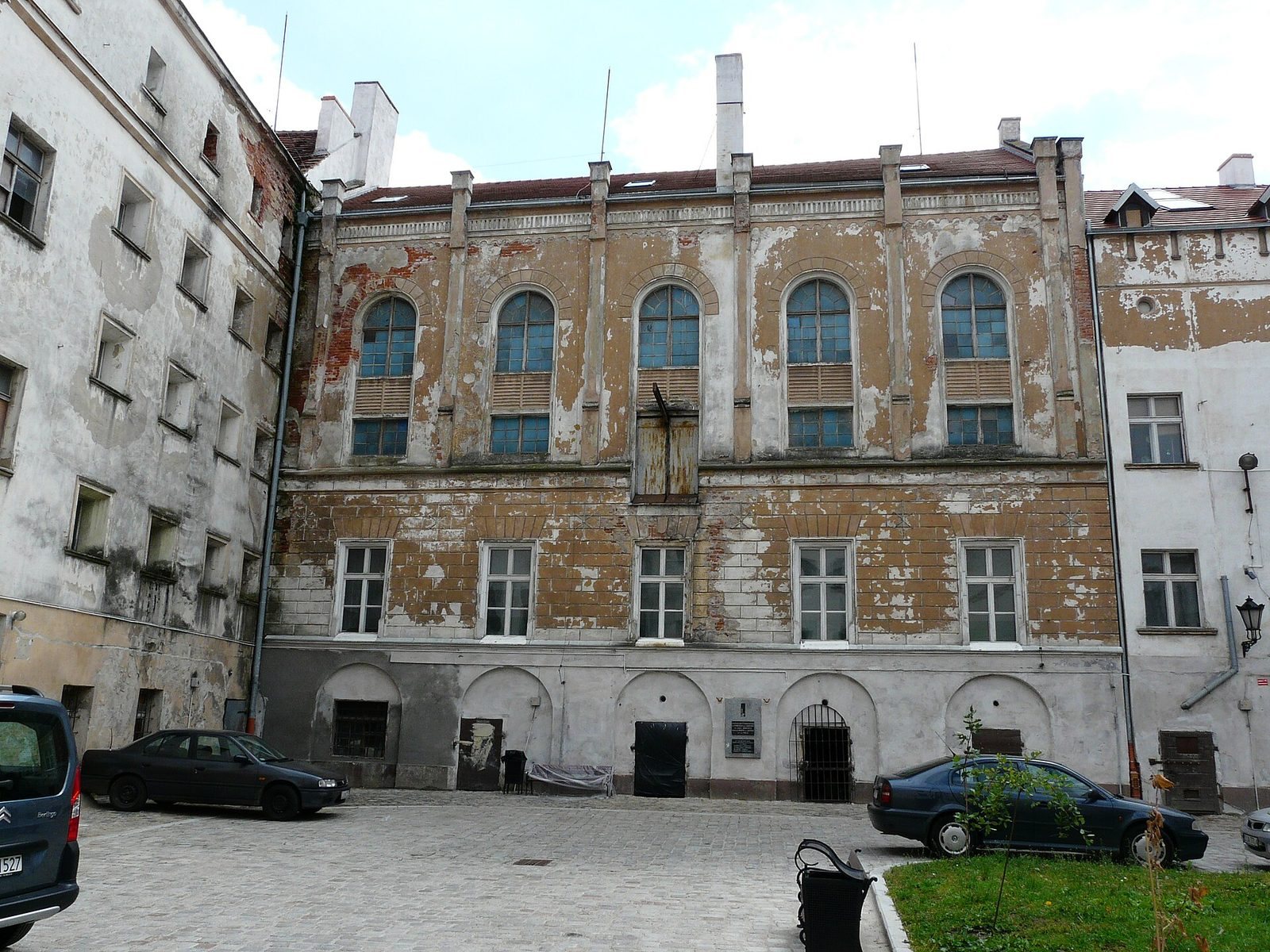
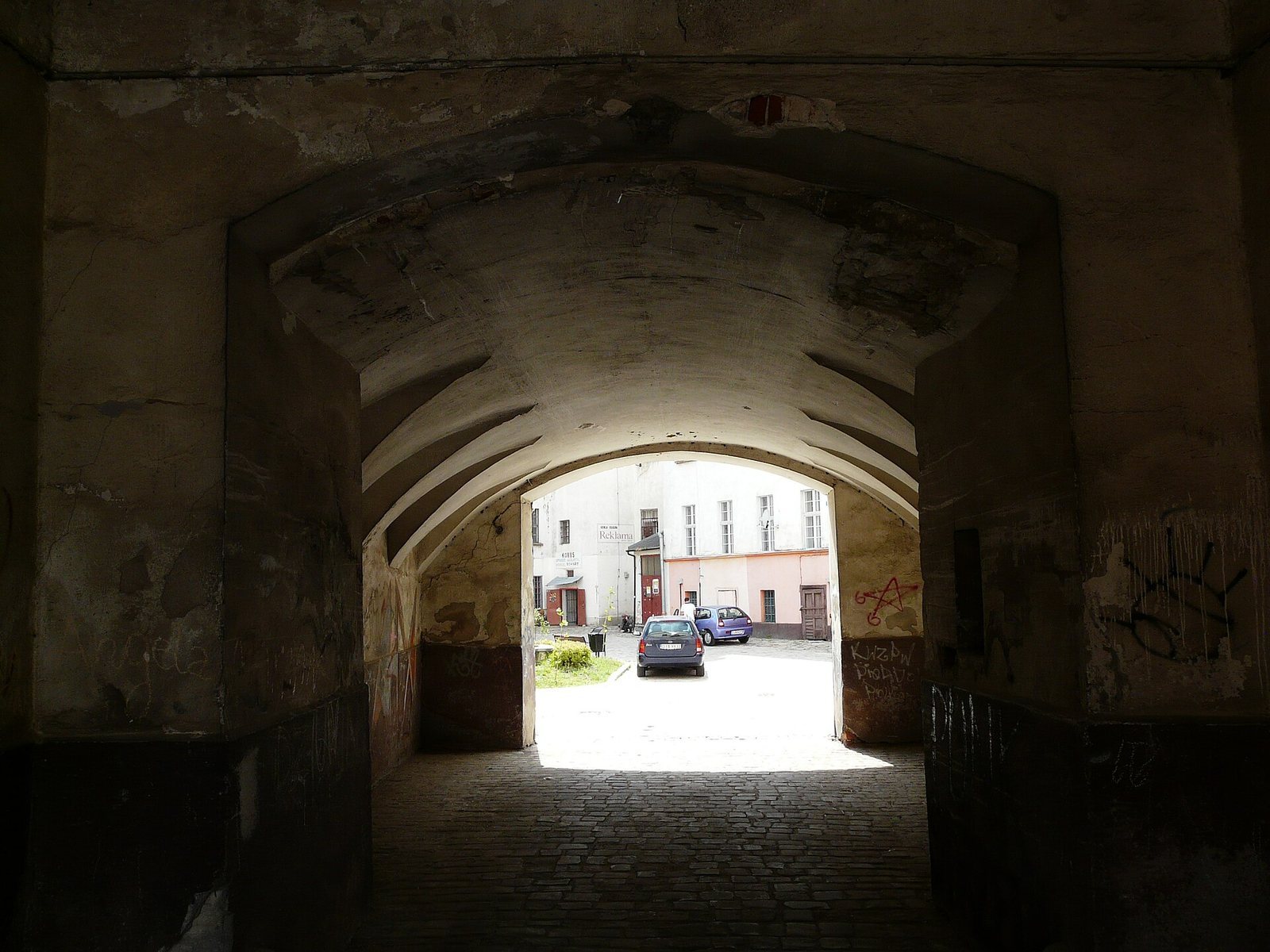
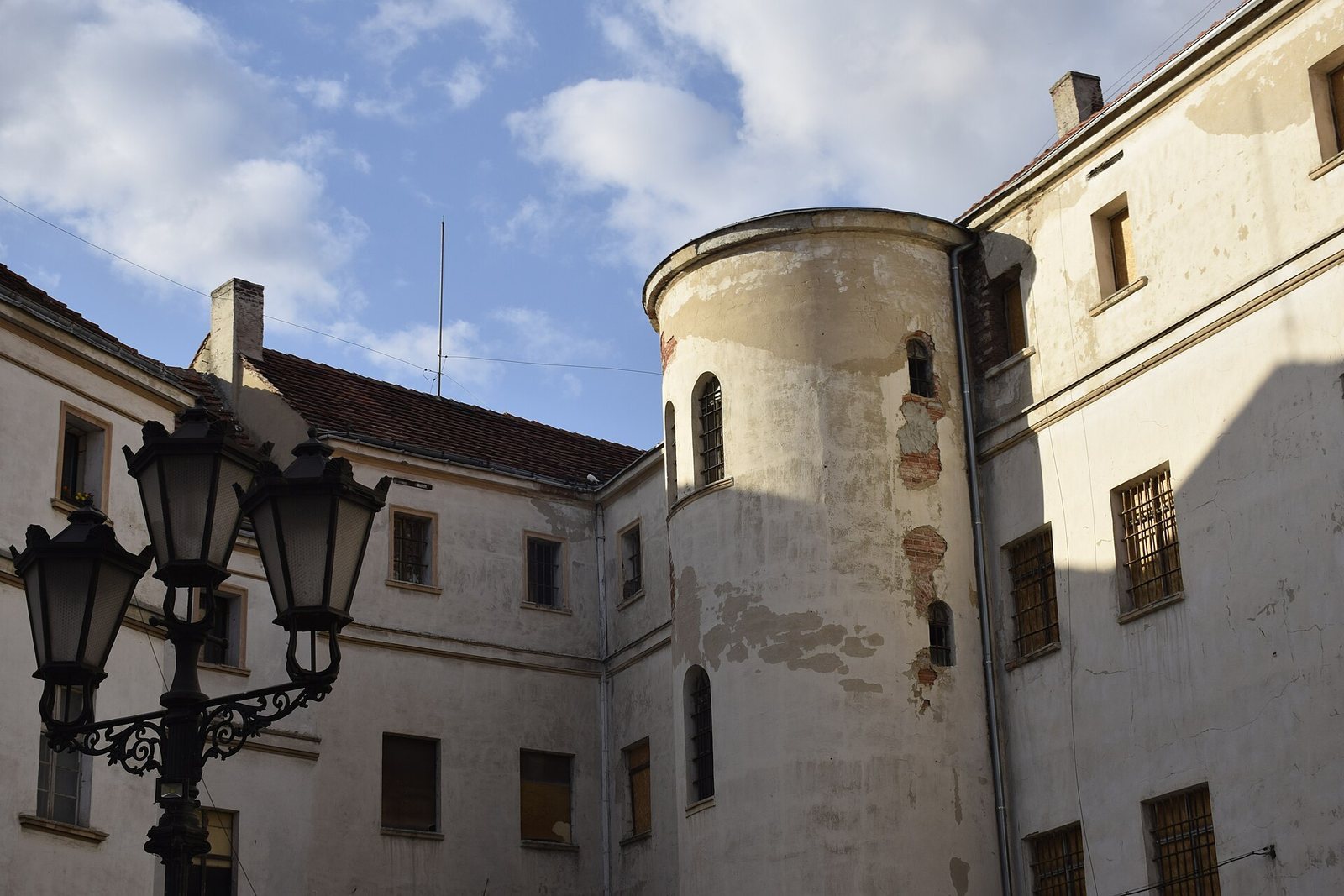
In southwestern Jawor, the castle complex has a usable area of 6,072 square metres and a volume of 18,500 cubic metres. Its eclectic architecture combines elements from different styles, and traces of the original building remain within the walls. The complex is in a neglected condition.
Early layout and wings
Original tower
The earliest described structure was a defensive and residential tower, enclosed by an embankment and a moat. It formed the first known fortified arrangement at the site.
West wing
A west wing was built against the inner face of the defensive wall in the late thirteenth century. Bolko II expanded the castle in the mid-fourteenth century, and in 1408 King Wenceslaus IV ordered further construction of the west wing.
Defenses and later construction
Bastion and defenses
The defenses were modernized after 1510. A semicircular bastion, a projecting fortification that helps defend adjoining walls, survives from this phase.
Renaissance rebuilding and castle tower
Between 1552 and 1568, parts of the castle were rebuilt in the Renaissance style. Work on the castle tower began during this campaign, but the tower was completed only after reconstruction following the Thirty Years’ War.
Clock tower
The clock tower was rebuilt in 1751 and used to supervise the prison.