Killone Abbey: A Medieval Augustinian House in County Clare
Site at a Glance
- Popularity
- Medium
- Country
- Ireland
- Primary era
- Medieval
- Eras represented
- Medieval
- Civilizations
- Irish
- Site type
- Religious
- Remains
- Monastery
On this page7 sections
History
Foundation and O’Brien Abbesses
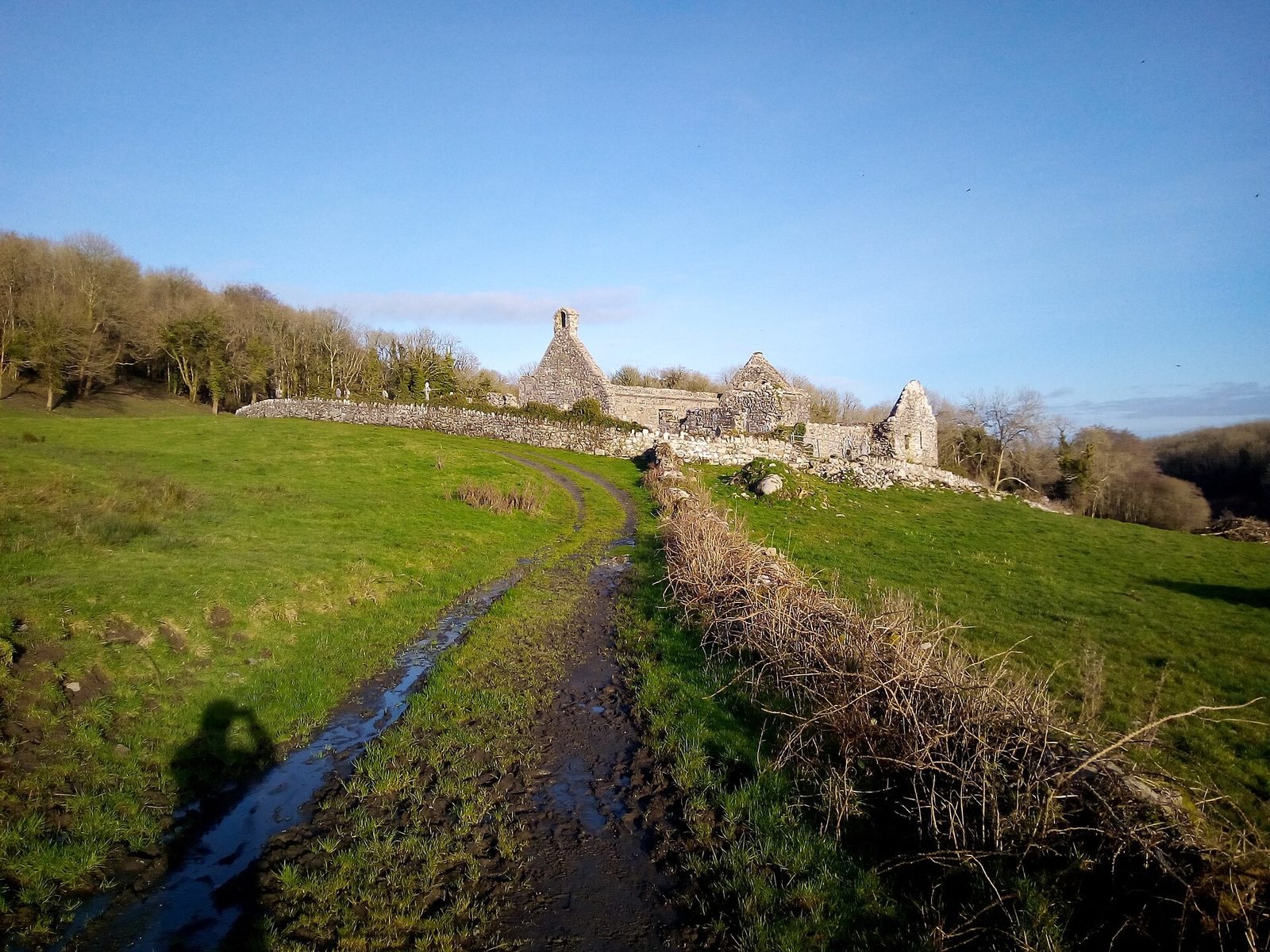
Killone Abbey is a medieval religious house in County Clare, Ireland, founded around 1190 by Domnall Mór Ua Briain, king of Thomond and Munster, historic Irish territories. Its community consisted of Augustinian Canonesses Regular, women who lived under a shared religious rule in the tradition associated with Saint Augustine of Hippo. The abbey was a prominent female monastic house in Gaelic Ireland and belonged to the Catholic Church before the Reformation.
The abbey was closely connected to the O’Brien dynasty, a prominent Gaelic Irish noble family, and several of its abbesses came from the family. Slaney O’Brien, who died in 1260, was the daughter of Carbreagh, king of Thomond. She gave up her royal standing and possessions to become abbess.
Suppression and Later History
After monastic houses were suppressed in 1540, Honora O’Brien, the abbey’s last abbess, married Sir Roger O’Shaughnessy and became heiress to Newhall and Killone. Honora was the daughter of Murrough O’Brien, 1st Earl of Thomond. The marriage required papal dispensation, formal permission from the pope to make an exception to a church rule, and took place after the birth of their three eldest children. By 1617, the abbey was in ruins. The site is now protected under the National Monuments Acts, with guardianship held by Ireland’s Office of Public Works.
The Holy Well and Pilgrimage
The Holy Well of Saint John the Baptist, the Christian prophet associated with the baptism of Jesus, has drawn pilgrims for centuries. Local tradition attributes healing powers to its water, and religious services continue there, including an outdoor Mass each June. In 1899, Lord Walter Fitzgerald, fourth son of Charles, Duke of Leinster, visited the well and wrote about its history for the Royal Society of Antiquaries of Ireland.
Remains
The Abbey Ruins
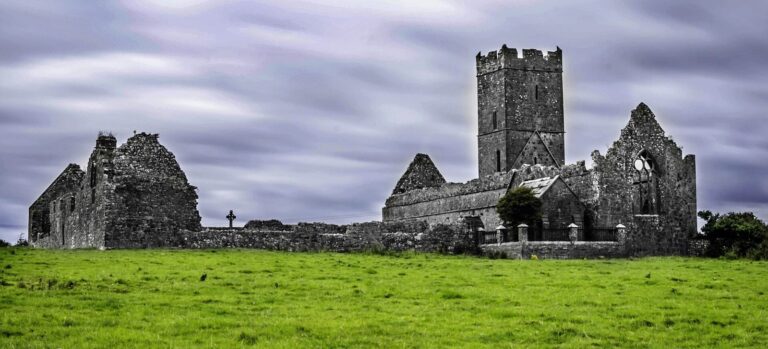
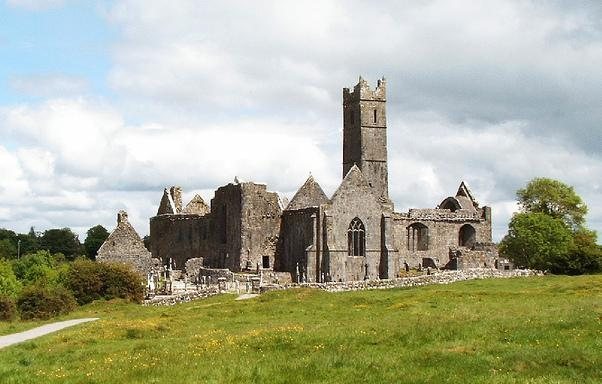
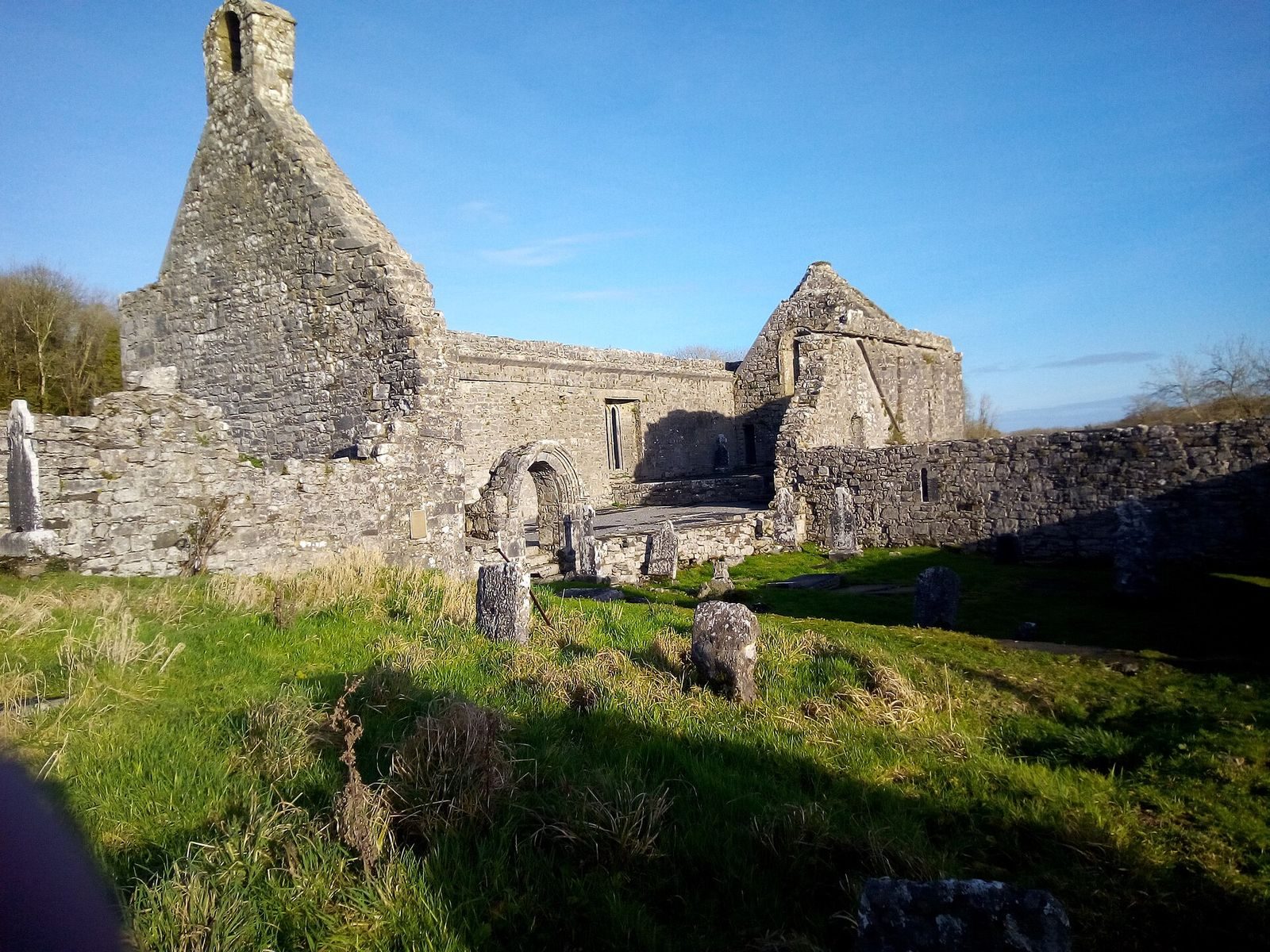
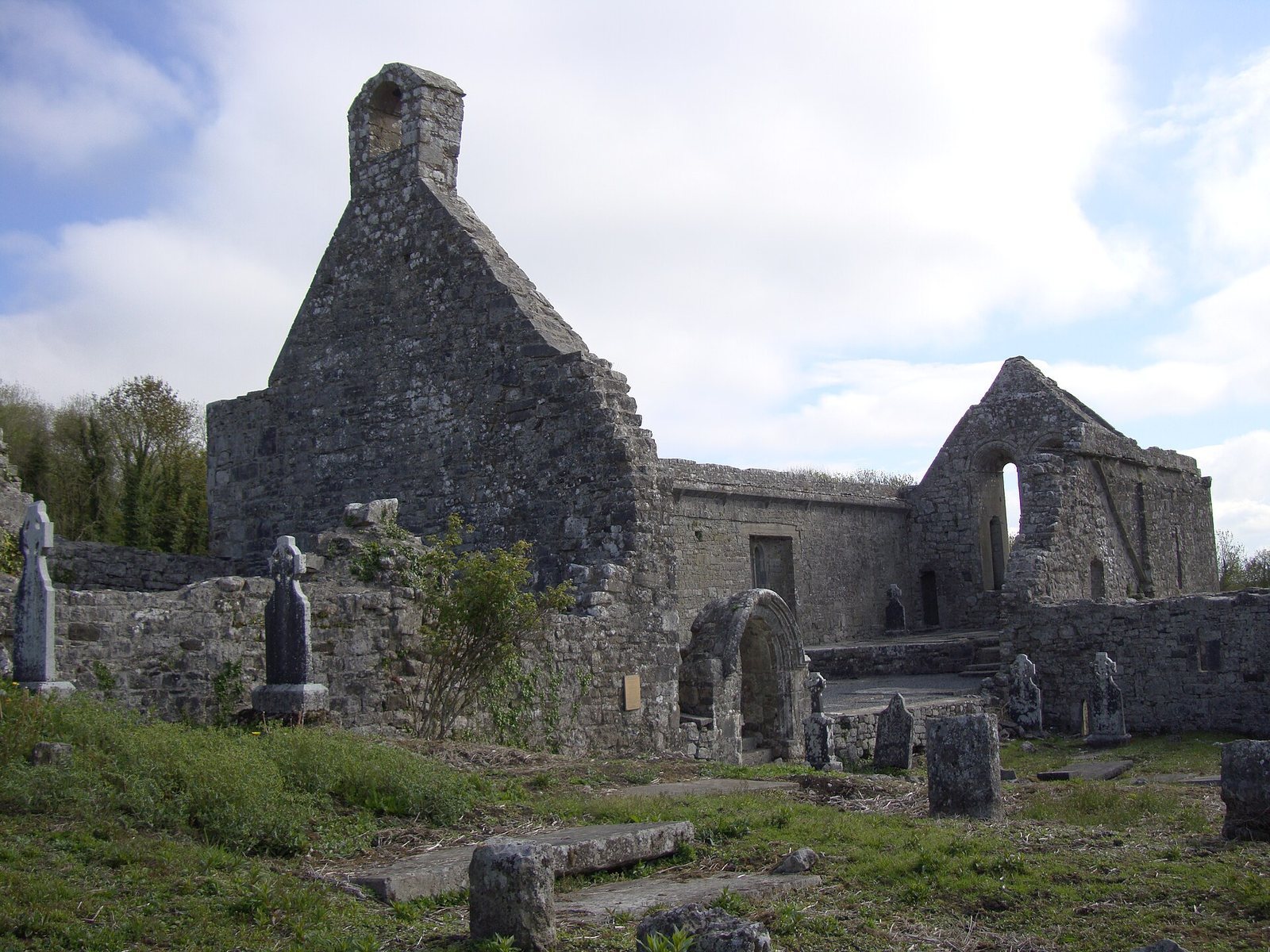
Within the grounds of Newhall House and Estate in County Clare, the sandstone remains include substantial portions of the abbey church, a crypt, and an associated graveyard. A narrow stone stairway between the church altar and east window leads to a ledge atop the south wall, overlooking the surrounding grounds.
The Holy Well
Also within Newhall Estate, the Holy Well of Saint John the Baptist is a natural spring with remnants of historic stone structures. Some of its inscriptions date to around 1600.