Palazzo Cavina: A Baroque Palace in Faenza
Site at a Glance
- Popularity
- Low
- Country
- Italy
- Primary era
- Early Modern
- Eras represented
- Early Modern, Modern
- Civilizations
- Papal States
- Site type
- Domestic
- Remains
- Elite Residence
On this page9 sections
History
Origins and Cavina ownership
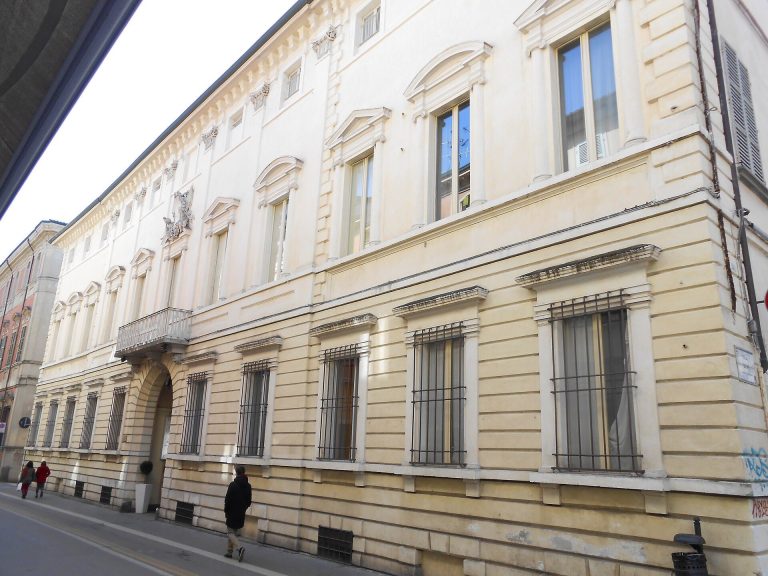
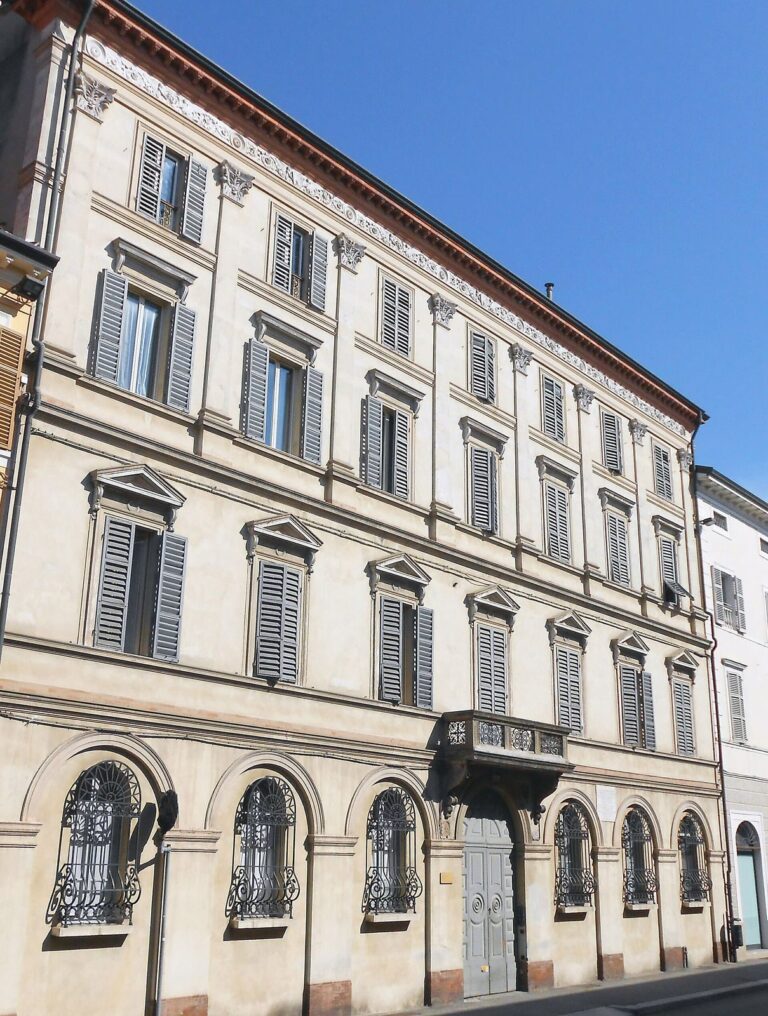
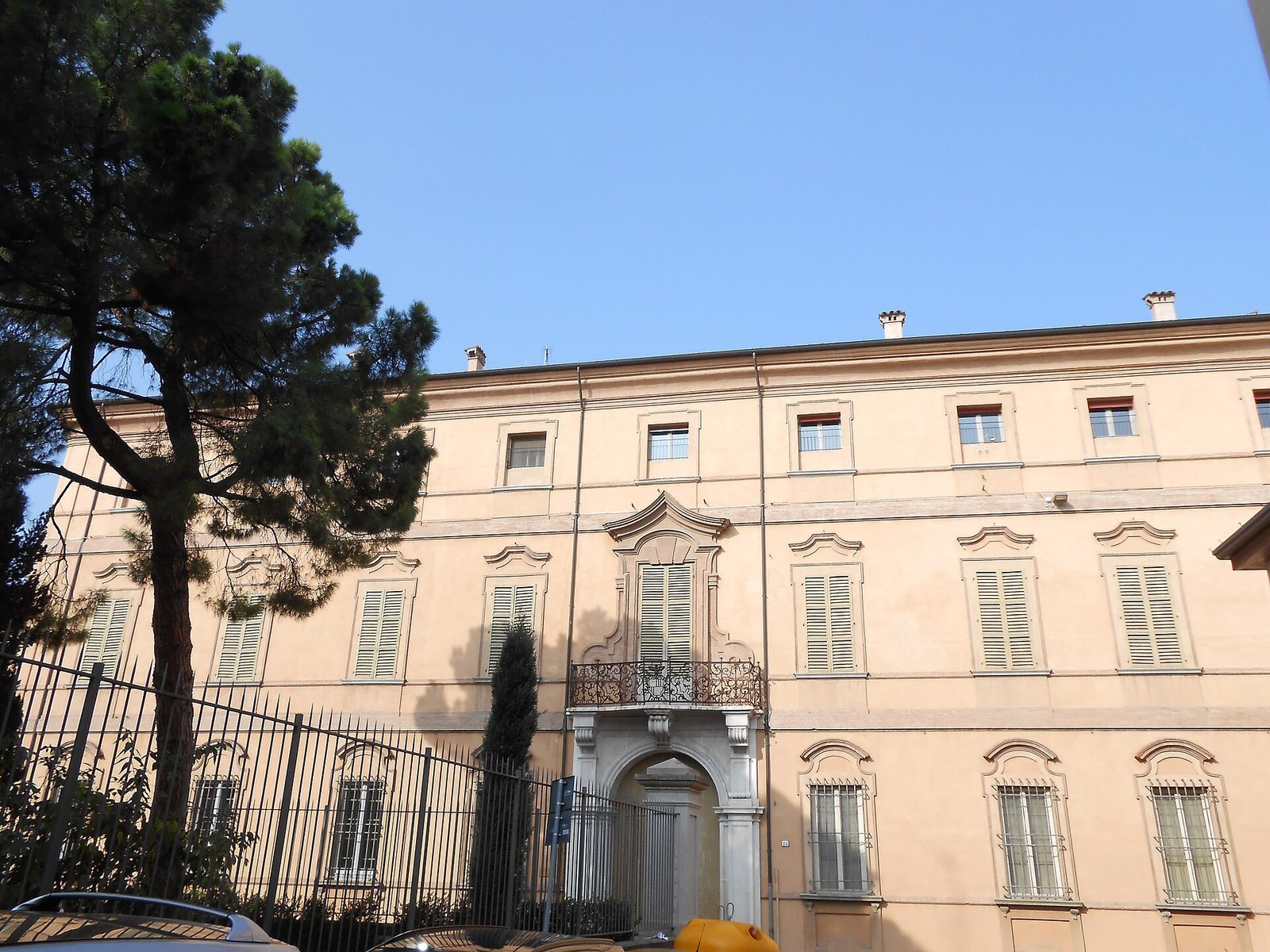
Palazzo Cavina is a Baroque palace in Faenza, Italy, built around 1740 for a branch of the Counts Naldi.
The Cavina family gained Faenza citizenship and patrician standing in 1722. Faenza’s patriciate was its recognized privileged civic class, but the family continued to live at Fognano. Its members began residing in Faenza in the late eighteenth century, and their permanent move came in 1814, when Countess Lucrezia Costa, widow of Count Romano Cavina, purchased the former Naldi residence.
Nineteenth-century civic use
On 14 May 1882, Don Bosco, an Italian Catholic priest and educator who founded the Salesian religious congregation, visited the seriously ill Count Marcello Cavina. Canon Monsignor Giuseppe Cavina had invited him, and Don Bosco offered a blessing to Marcello and his family.
In the late nineteenth century, the palace housed Faenza’s Catholic associations. Their use preceded the construction of the People’s House opposite the palace in 1906, a community gathering place.
Twentieth-century changes
In the 1960s, the garden behind the palace was sold and destroyed to make way for two apartment buildings. The garden had been laid out in the Italian style and included a winter shelter for citrus trees.
At the end of the twentieth century, a comprehensive restoration and renovation altered the palace and increased the number of residential units.
Remains
The Baroque palace’s described features include its stone entrance, decorated interior rooms, and large ballroom. These details reflect both its architectural character and its later domestic use.
Exterior and interiors
Entrance portal
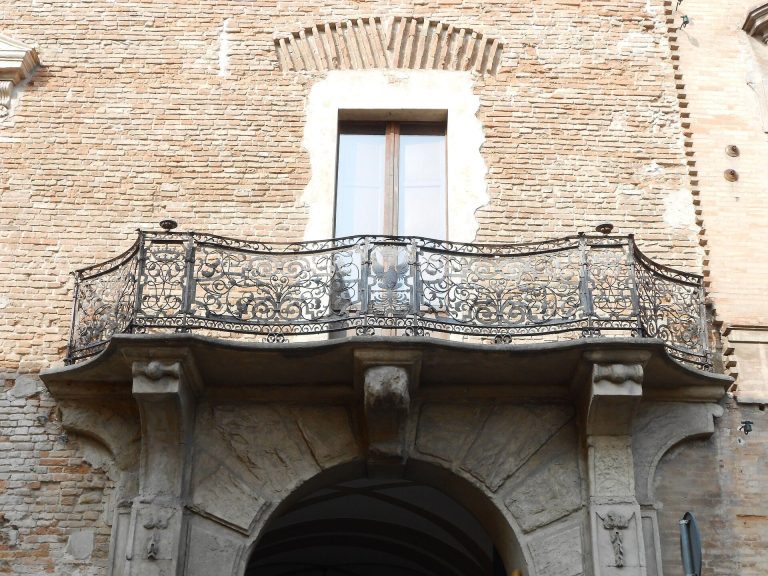
The entrance portal is made of Istrian stone, a limestone quarried in the Adriatic region of Istria. A balcony with a wrought-iron railing rises above it, with the Naldi coat of arms set at the center of the railing.
Decorated rooms
On the principal floor, the main reception level, usually above the ground floor, painter and decorator Felice Giani decorated two rooms in 1816 at Countess Lucrezia Costa’s request. Around 1842, Romolo Liverani and his brother Antonio decorated the walls and vaulted ceiling of a study.
Ballroom and furnishings
The palace’s large ballroom housed the Cavina family’s collection of antique weapons, brought from Fognano. Some original furnishings from Palazzo Cavina can now be seen at Palazzo Milzetti, another historic palace in Faenza.