Church of the Holy Crucifix: A Catholic Church in Alcamo, Italy
Site at a Glance
- Popularity
- Very Low
- Country
- Italy
- Primary era
- Early Modern
- Eras represented
- Early Modern
- Civilizations
- Kingdom of Sicily, Spanish
- Site type
- Religious
- Remains
- Church
On this page13 sections
History
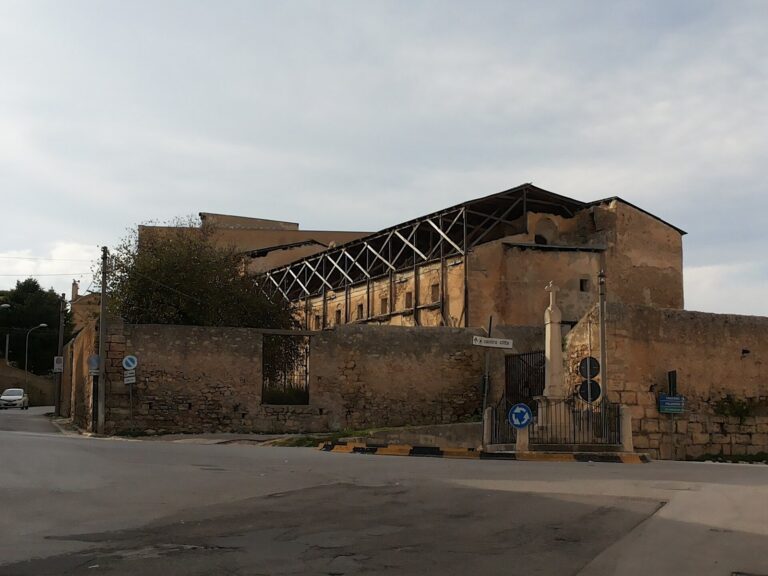
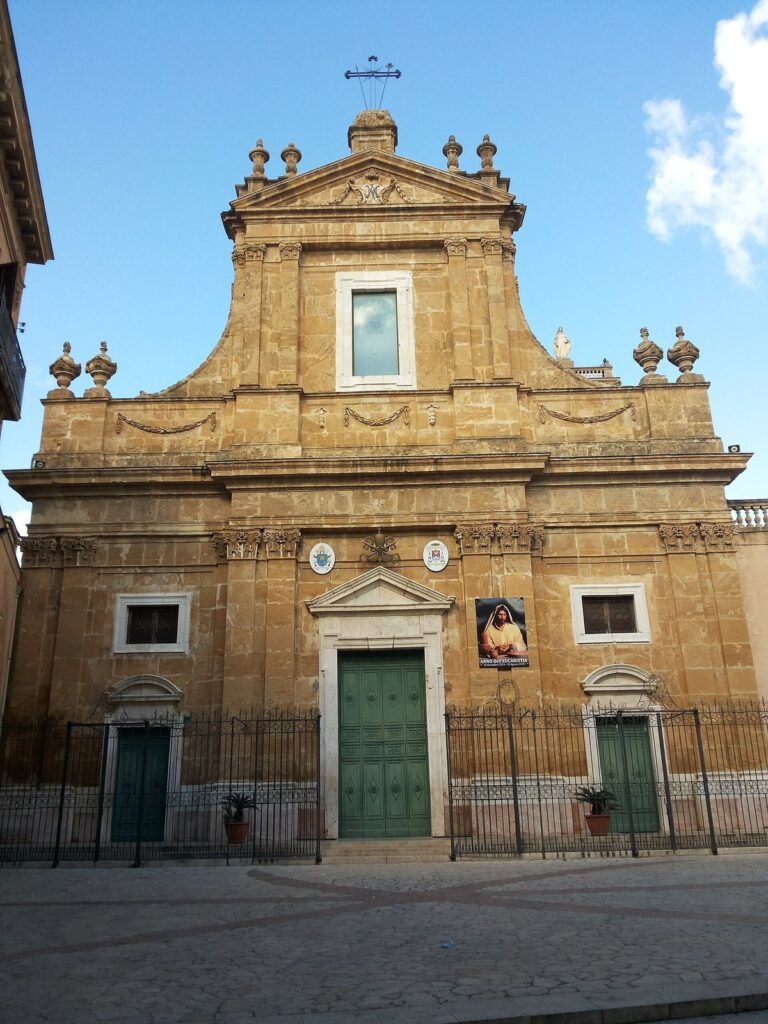
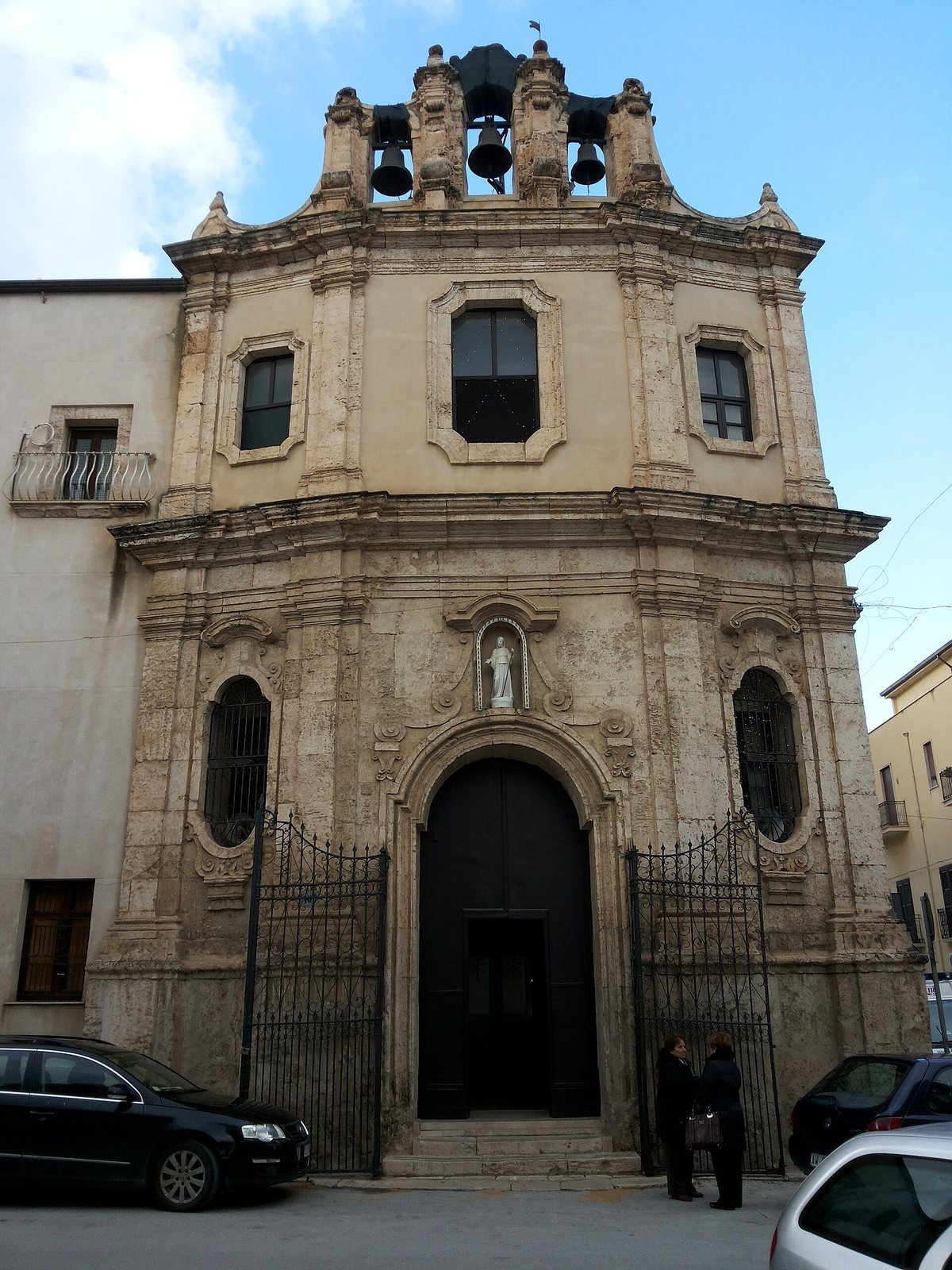
The Church of the Holy Crucifix is a Catholic church in Alcamo, Sicily, Italy, founded as a chapel in 1550 and associated with the Order of Minims and the Diocese of Trapani. Its Rococo façade reflects a style known for elaborate ornament and curved forms. The church is dedicated to the Holy Crucifix, which was Alcamo’s patron at the time of its foundation. It is also called the Church of the Holy Father; the name of Saint Francis of Paola is properly associated with its parish and adjoining friary.
The chapel and its confraternity
In 1542, the municipality granted nobleman Pietro Tabone land for a chapel devoted to the Holy Crucifix. The chapel was built in 1550, and the bishop of Mazara del Vallo approved it in 1552. Tabone retained the authority to enlarge or rebuild it, choose its rector, and establish a confraternity, a lay religious association devoted to worship or charitable work. The poet Sebastiano Bagolino, Tabone’s grandson through his mother, was buried in the church.
In 1565, the confraternity secured the right to hold a 15-day fair for the feast on May 3, with special privileges commonly associated with relief from certain dues. During the plague of 1575, historian Ignazio De Blasi estimated that Alcamo’s population, then about 7,700, fell by half. The hospitals of San Vito and Santo Spirito could not take in all those affected, so another hospital opened on the same street as the chapel.
The friary and later parish
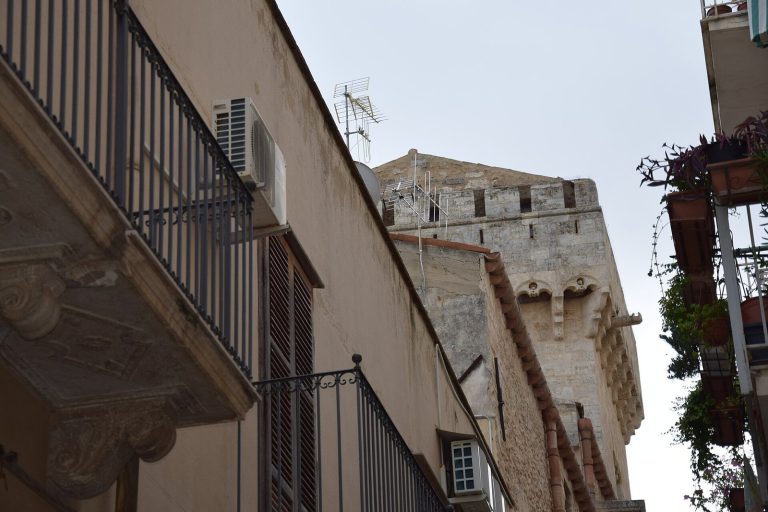
Financial problems had left the church unfinished. In 1596, its confraternity administrators assigned it to the Minims, a Catholic religious order founded by Francis of Paola. The order accepted the donation in 1608 and built an adjoining friary, which it maintained until 1866. In 1780, forty-five priests from Alcamo asked King Ferdinand III to spare the friary from suppression, after other religious houses had already been closed. The friary remained open at that time.
After Italian unification, King Victor Emmanuel II suppressed religious orders and their properties were seized. On May 15, 1870, Alcamo’s municipality assigned the friary to the administrators of the Hospital of San Vito and Santo Spirito. From that year, the former friary housed the Royal Gymnasium, a secondary school, and later the Civic Hospital. In 1926, the church became a parish dedicated to Saint Francis of Paola.
Remains
Plan and architectural decoration
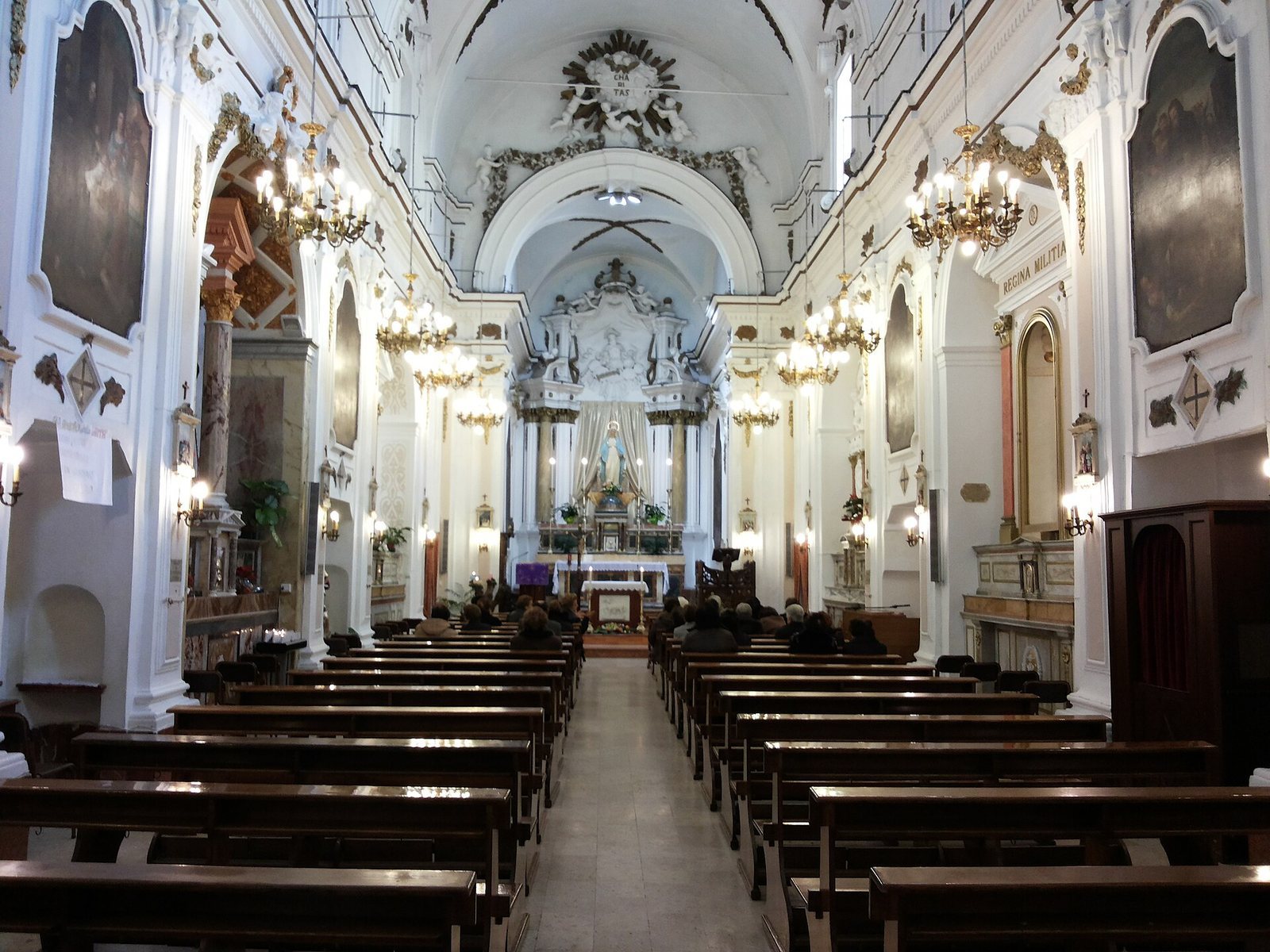
The church has a single nave, the principal lengthwise space, and five altars. Its convex façade dates to 1695. In 1750, Nicolò Curti added stucco, a plaster material used for decoration, to the church’s interior.
Altars and devotional sculpture
High altar and entrance
A wooden Crucifix stands on the high altar. Francesco Marino of Trapani sculpted it in the 19th century. Near the entrance is a basin for holy water carved by Giuseppe Foti in 1606.
Works along the left side
A painting from 1750 by an unknown artist brings together the Holy Trinity and Saints Cosmas and Damian, Rosalia, and Francis de Sales. The same side holds a recent wooden statue of Our Lady of Fatima, an 18th-century statue of Saint Blaise brought from Alcamo’s former Church of the Annunciation, and a wooden statue of the Sacred Heart of Jesus installed in 1921. The artist of the Saint Blaise figure is unknown.
Works along the right side
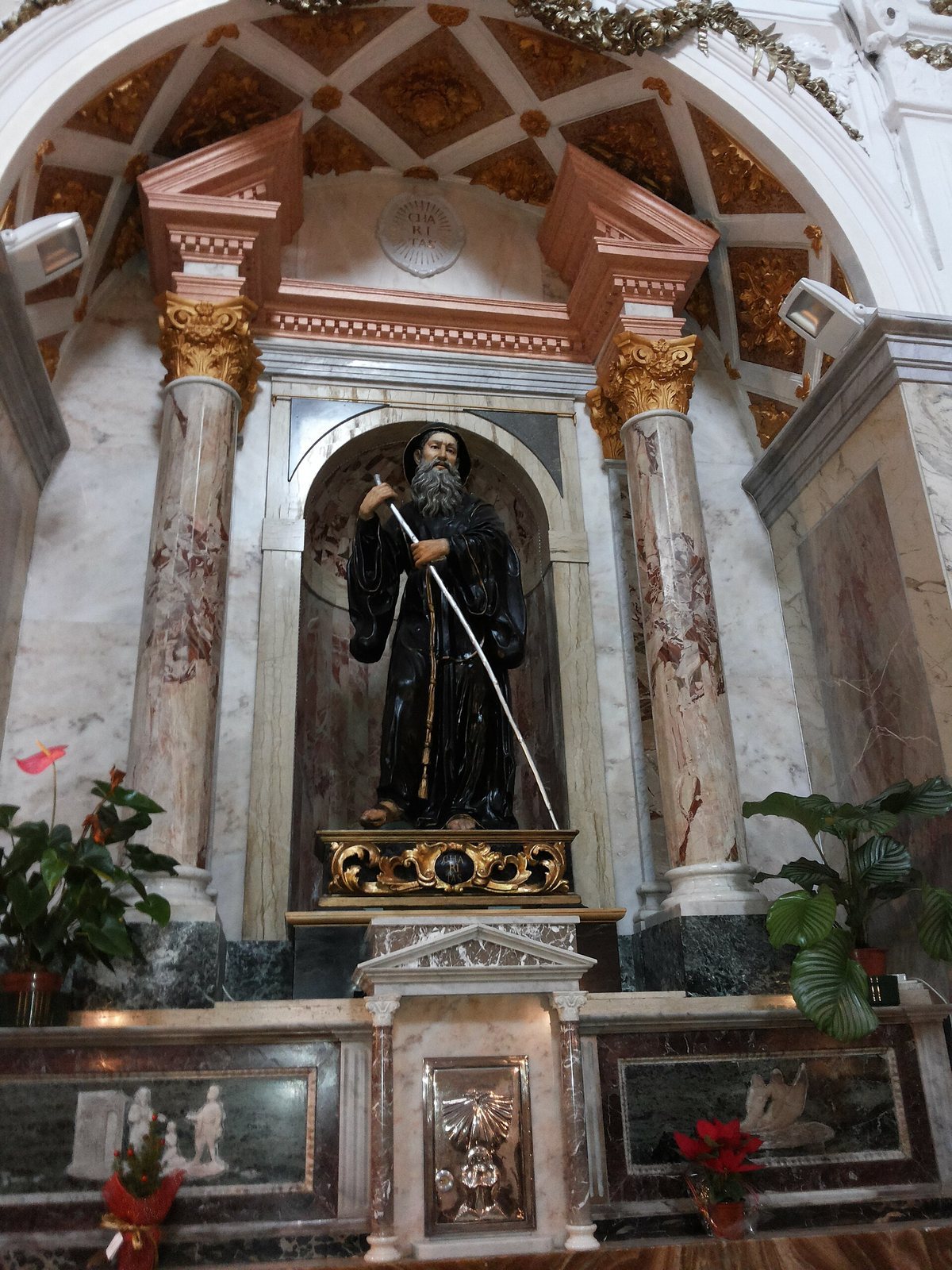
An unknown artist’s 1750 painting shows Our Lady of Miracles with Saints Francis of Paola and Francis de Sales. Nearby are an 18th-century wooden statue of Saint Francis of Paola, possibly made by Filippo Quattrocchi of Gangi; a late-19th-century wooden statue of Saint Anne; a recent plaster statue of the Immaculate; and a wooden statue of Saint Vitus made in 1848. The Saint Anne figure replaced a painting made in 1618 by Giuseppe Carrera.
Painted decoration
Paintings in the nave
Four older paintings by an unknown artist, set in stucco frames, hang on the nave walls. On the right, one depicts Saint Francis of Paola raising two workers who died in a landslide while a friary was being built at Paternò Calabro in 1454; another shows his miracle of the fish. On the left, one portrays a noble family bringing the saint a baby without eyes or a mouth, in a scene of a miracle attributed to him. The other represents the conversion of the King of Naples attributed to the saint.
Chapel of the Most Holy Sacrament
The chapel is devoted to the Most Holy Sacrament, the Eucharist central to Catholic worship. A painting on its right wall depicts the institution of Passover from Exodus, while the image on the left shows Lot’s banquet for two angels from Genesis.
Sacristy
The sacristy, a room used to prepare for services and keep liturgical items, contains a mid-16th-century Crucifix by Giovanni Matinati, made with a mixed-material technique. Its other furnishings include an undated statue of Saint Lucy by an unknown artist, a recent statue of Saint Expeditus, 18th-century canvases of the Madonna of Pietà and Saint Catherine of Siena by artists whose identities are uncertain, an 18th-century statue of Saint Michael the Archangel, and an 18th-century bust of Saint Francis of Paola.