Church of Our Lady of the Star: Alcamo’s Former Mother Church
Site at a Glance
- Popularity
- Low
- Country
- Italy
- Primary era
- Medieval
- Eras represented
- Medieval
- Civilizations
- Kingdom of Sicily
- Site type
- Religious
- Remains
- Church
On this page9 sections
History
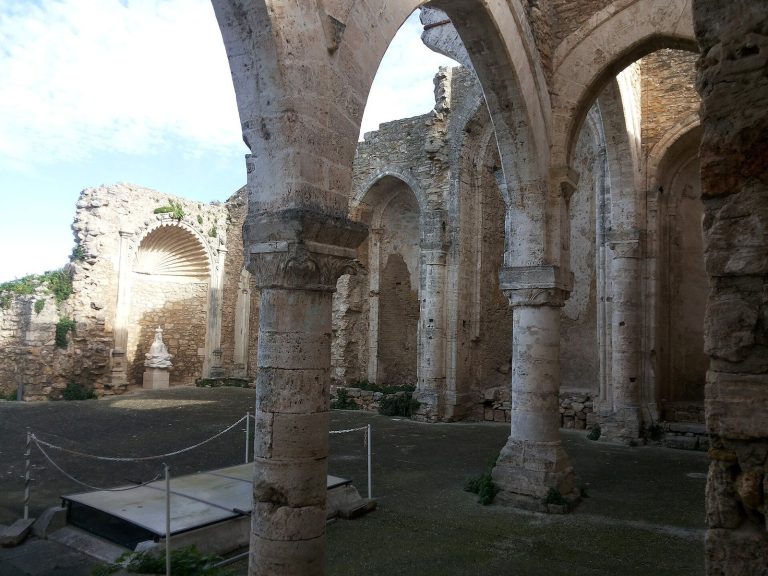
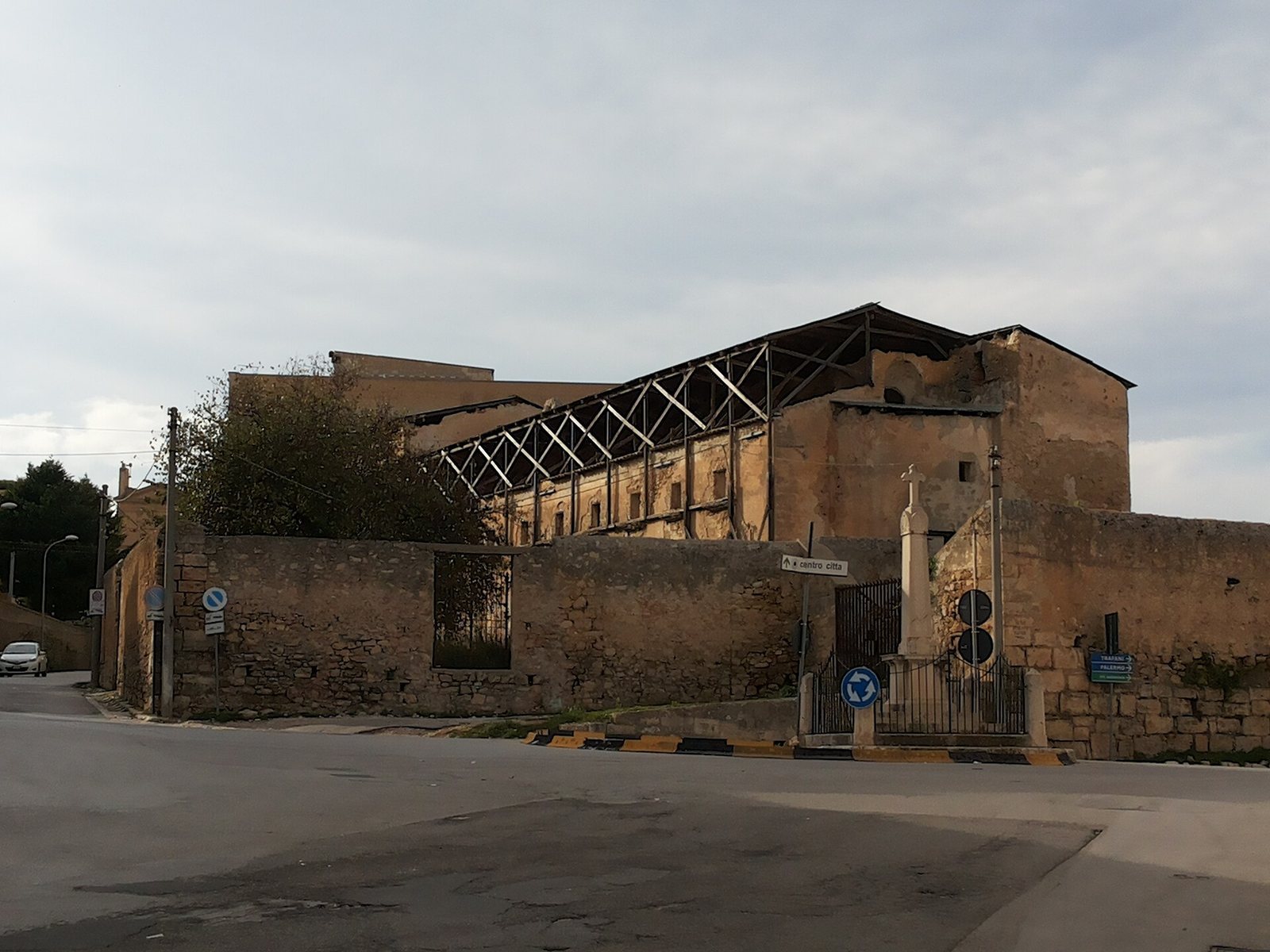
The Church of Our Lady of the Star is a ruined Catholic church in Alcamo, Italy, dedicated to Mary and associated with the Diocese of Trapani. An inscription from the seventeenth century, linked to a wall painting inside the church, places its construction before 1130, during Alcamo’s northward expansion. It later served as the town’s mother church, meaning its principal church.
Early church and town center
Originally dedicated to Our Lady of Mercy, the church was enlarged in 1221 by ancestors of the De Ballis, Comes, Gentilis, and Maurici families. In May 1313, on Ascension Day, Bishop Gotofredo Roncione of Mazara consecrated it as Alcamo’s mother church.
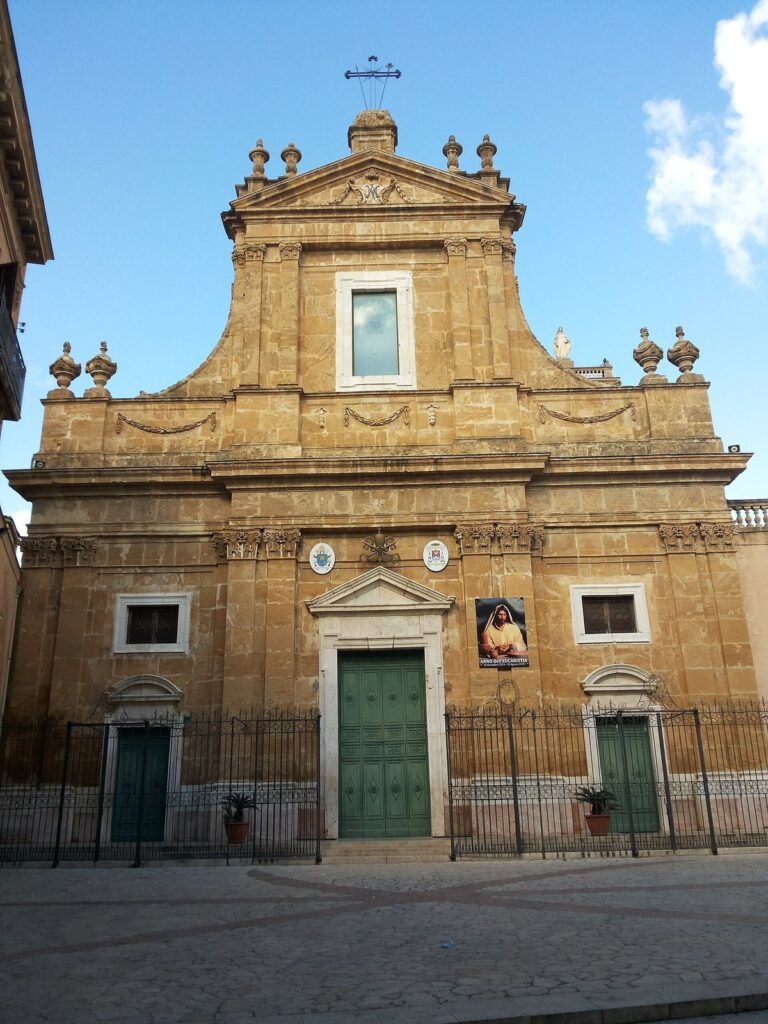
As Alcamo’s center shifted south, a new mother church dedicated to Our Lady of the Assumption was begun in 1332 and completed in 1402. The Church of Our Lady of the Star then lost its role as the town’s principal church.
Dominican convent and relocation
In the fifteenth century, members of the Comes and Gentiles families gave Dominican friars, part of the Catholic Order of Preachers, land beside the church for a convent and gardens. In 1427, the Dominican friar Father Geremia came to Alcamo to visit convents and establish a general reform. The convent is also dated to 1509, when it was described as the order’s twenty-seventh foundation in Sicily.
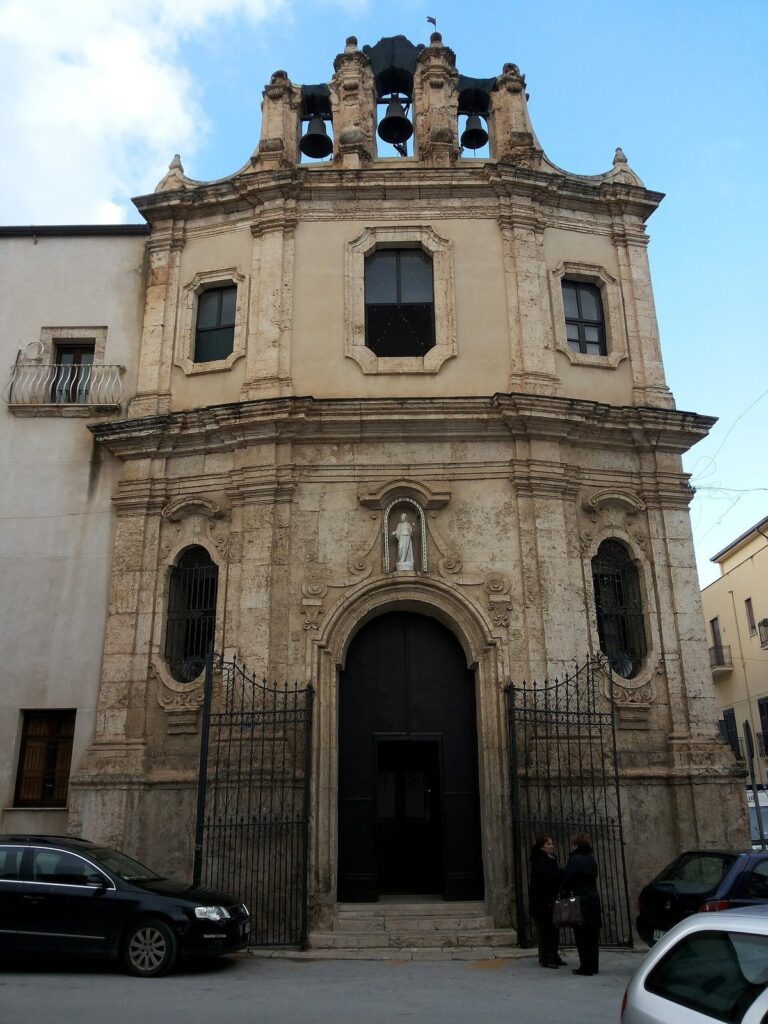
In 1604, a confraternity, an association of laypeople united by religious devotion, affiliated with the Dominicans and agreed to support a feast for Our Lady of the Rosary. Because the convent lay far from the town center, the friars decided to build a new convent and church on Via Giovanni Amendola. They left the old convent in 1660. The following year, they moved the image of Our Lady of the Star, together with the section of wall bearing it, to their new Church of Our Lady of the Rosary.
The former convent as a retreat
In 1706, the Jesuits, members of the Catholic Society of Jesus, asked Alcamo’s town officials to let them use the badly neglected former Dominican convent for religious retreats based on Ignatius of Loyola’s Spiritual Exercises, a guide to prayer and reflection. After restoration, the building could house 40 people and became known locally as the Retreat.
Remains
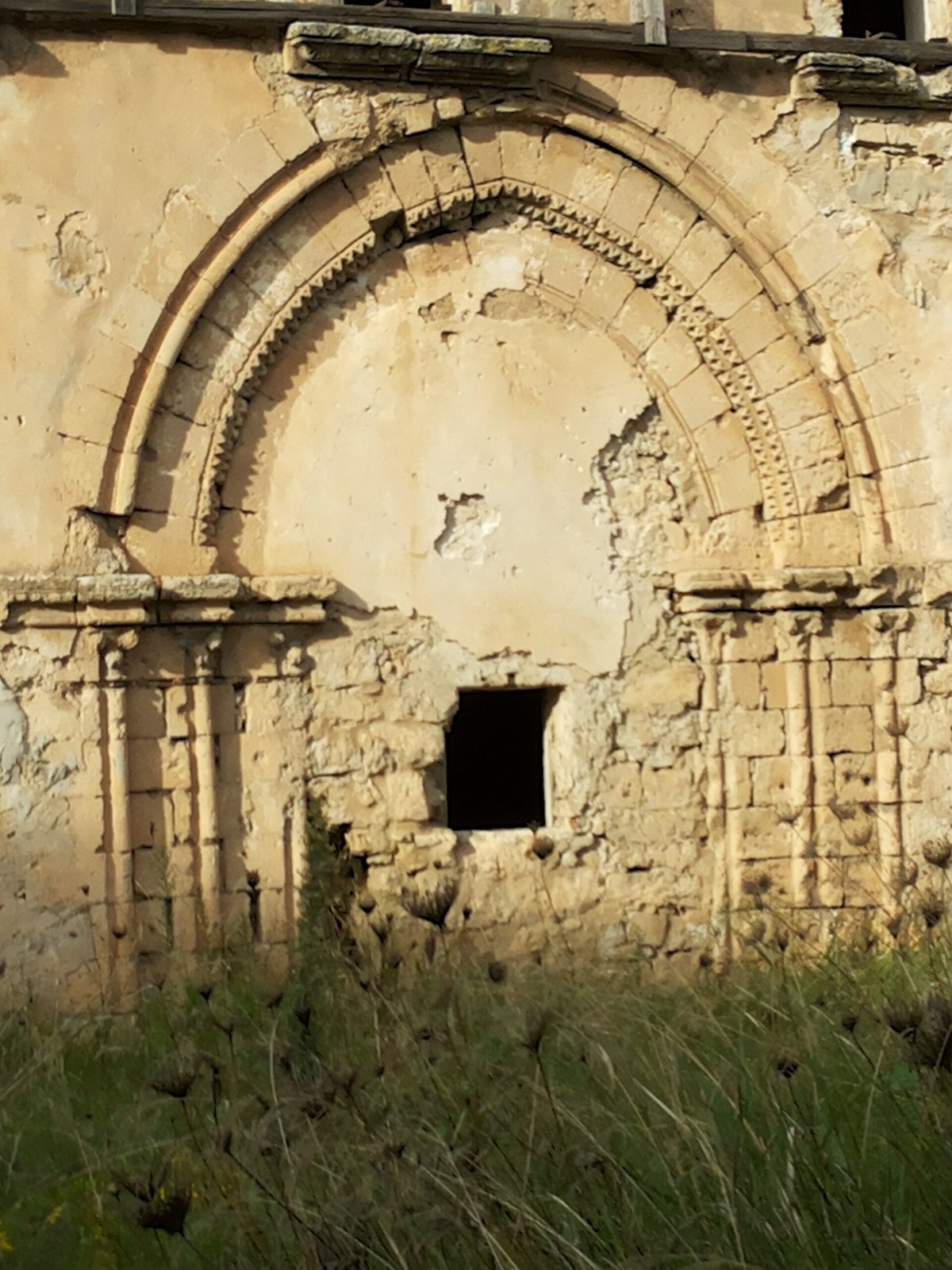
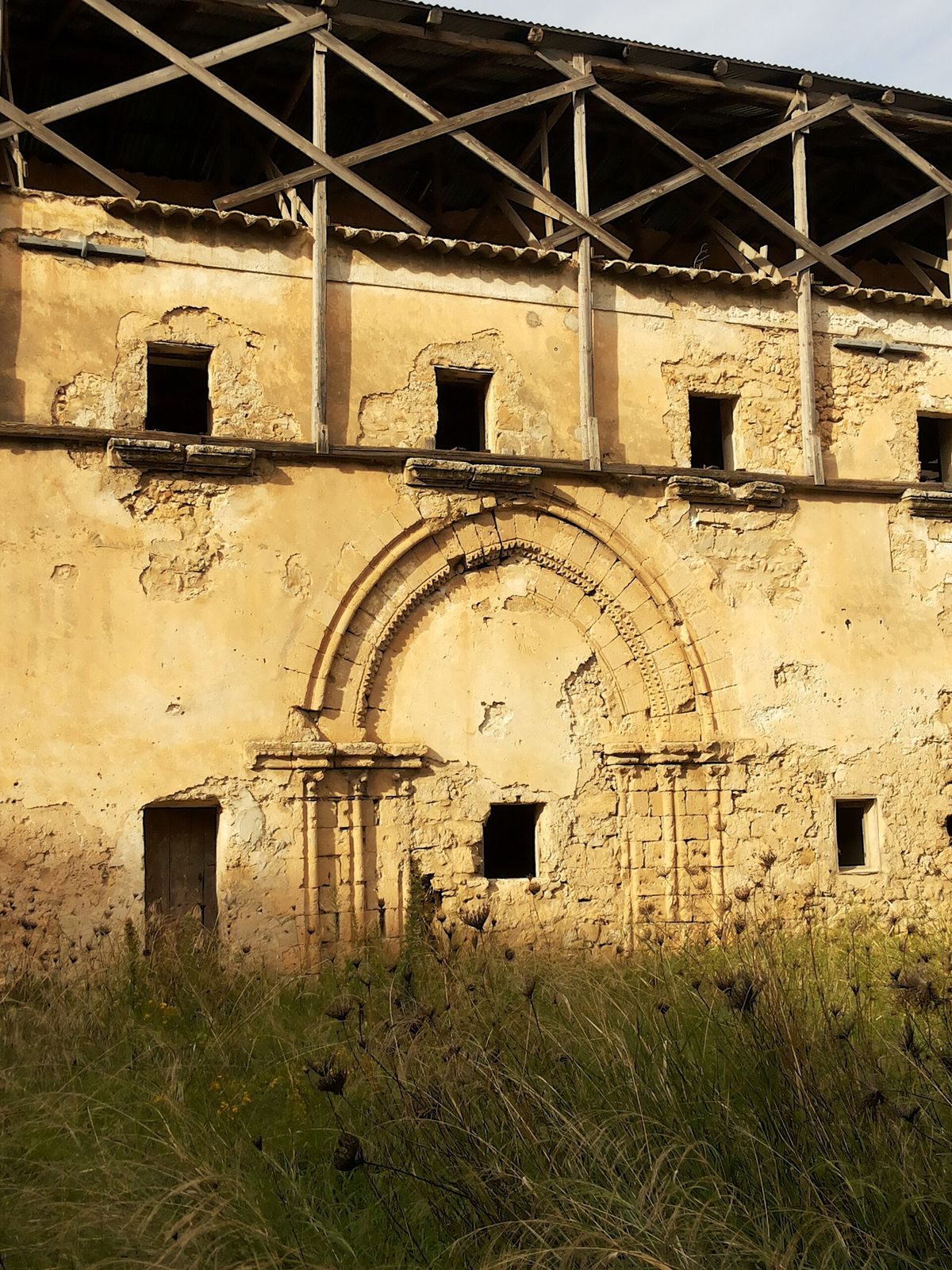
The abandoned church stands in Alcamo’s old San Vito district, also known as the Fountain district. Its portal is the sole surviving architectural feature.
The entrance portal
The portal is made of calcarenite, a rock formed from cemented carbonate sand, with a travertine-like appearance. Its pointed arch follows the Gothic-Chiaramontan style, a Sicilian form of Gothic architecture. A notarial deed from 1582 refers to an earlier portal dating to the beginning of the fourteenth century. The Diana family replaced it with the present entrance, probably in the second half of the fourteenth century or the early fifteenth. The Diana coat of arms appears atop one of the capitals, the upper parts of the supports beside the portal.
Paintings once housed in the church
Wall painting of Our Lady of the Star
A wall painting once inside the church shows Mary holding the infant Jesus and drawing aside the veil covering her breast. The angels around them were added later. The work is attributed to Sicilian painter Tommaso De Vigilia. Art historian Gioacchino Di Marzo dated it to 1464, while an inscription on the painting says it was painted in 1130. It is now severely damaged and faded, with one eye missing.
Painting of Our Lady of Honey
A separate painting of Our Lady of Honey, dated to 1300 and attributed to the fourteenth-century Italian painter Barnaba of Modena, was moved to the Church of Saints Paul and Bartholomew. It is considered the oldest painting in Alcamo.