Ishnya Church: A 17th-Century Wooden Orthodox Church in Russia
Site at a Glance
- Popularity
- Medium
- Country
- Russia
- Primary era
- Early Modern
- Eras represented
- Early Modern
- Civilizations
- Russian
- Site type
- Religious
- Remains
- Church
On this page5 sections
History
Foundation and religious tradition
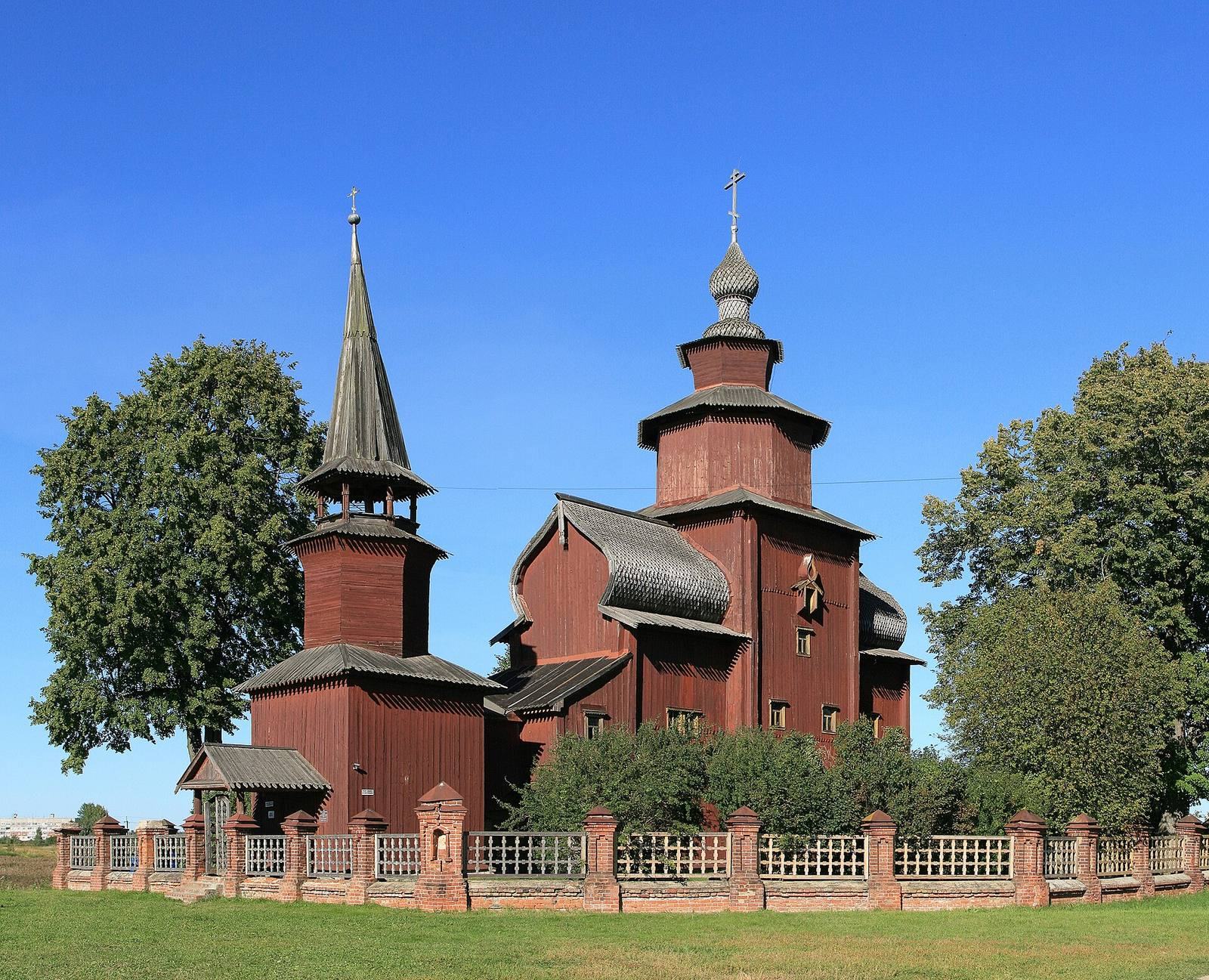
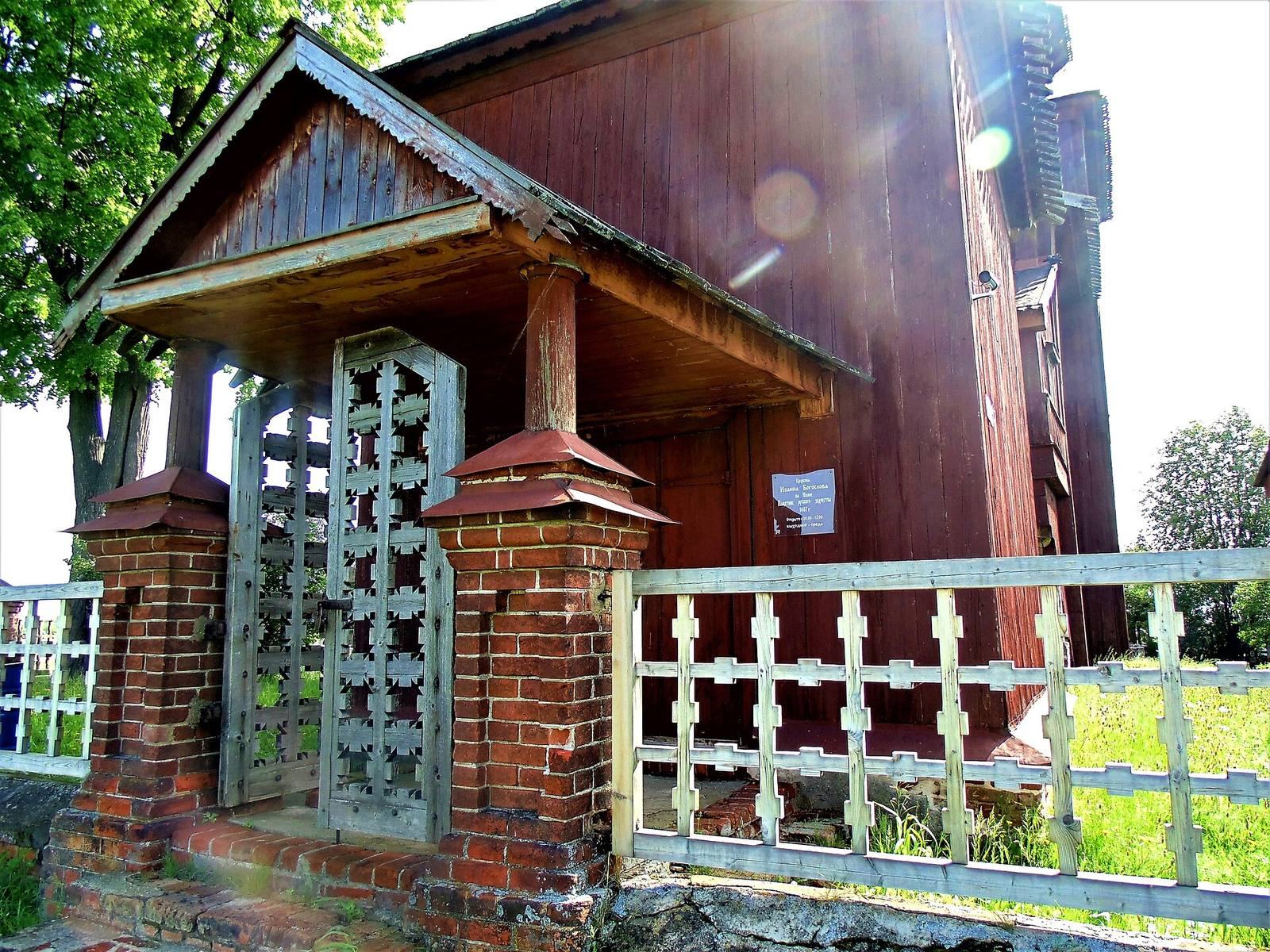
Ishnya Church is a wooden Orthodox church in the village of Bogoslov, Russia, built in 1687 by Archimandrite Gerasim, a senior Orthodox monastic rank. It depended on the Avraamiev Monastery, an Orthodox monastery in Rostov, and is the oldest wooden church in Yaroslavl Oblast, a Russian administrative region. It also holds federal cultural-heritage status in Russia.
The church commemorates a place associated with a religious tradition about Abraham of Rostov, a medieval monk revered as a saint and founder of the monastery. According to the tradition, St. John the Theologian, a title for the apostle John, appeared to Abraham there. The encounter is placed in the early 11th century, centuries before the church was built.
Twentieth-century changes
After the Russian Revolution, the upheavals that ended imperial rule in 1917, the church’s original furnishings, including its icons and royal doors, were transferred to the Rostov Kremlin museum. This changed the church’s interior while preserving those objects in a museum collection.
Remains
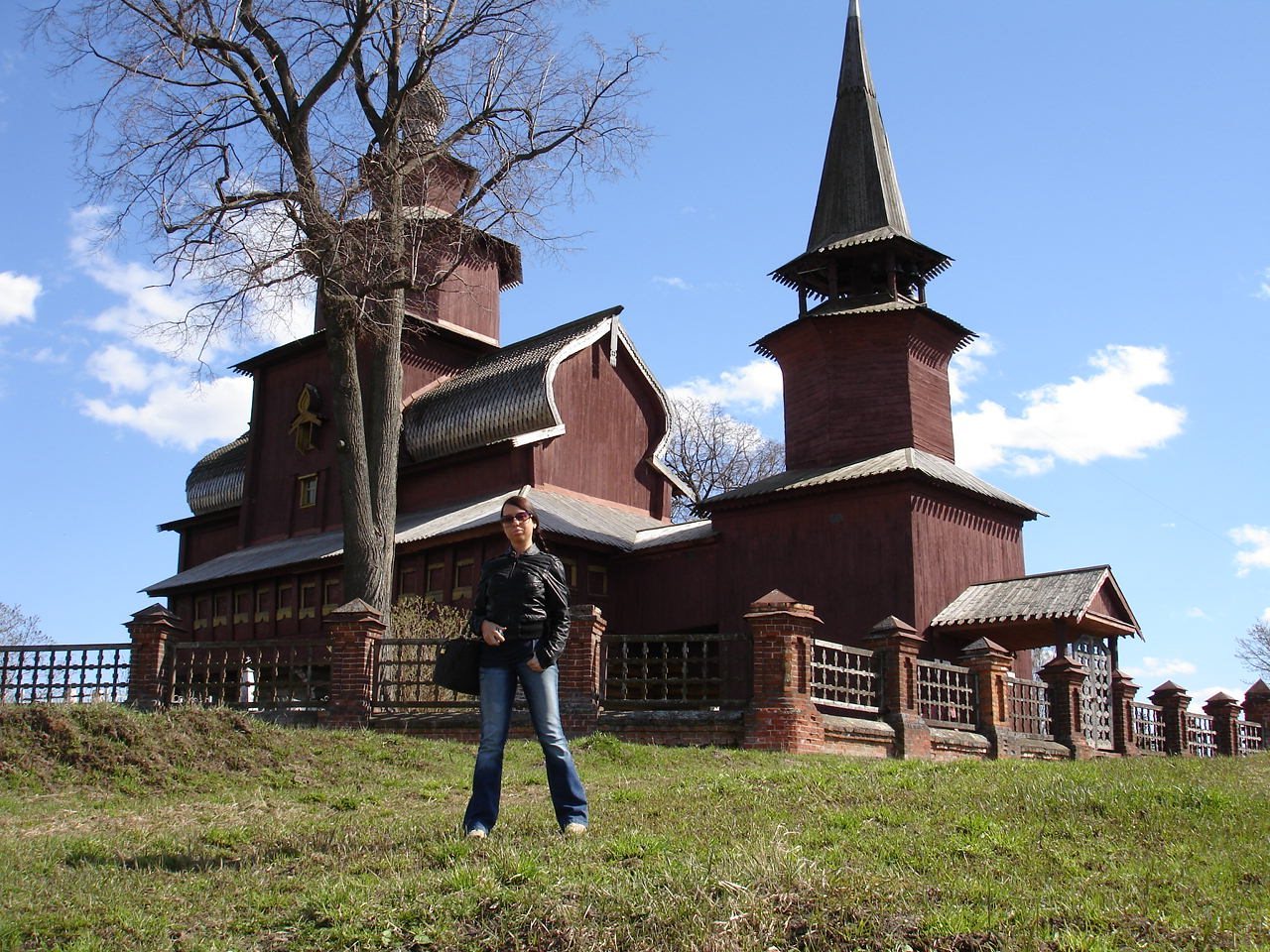
The church stands on the Ishnya River, about 3 km southwest of Rostov. Its tiered design is formed from vertically arranged levels that diminish in volume. The wooden building rises above its surroundings on a high, basement-like lower storey.
Exterior and interior
The main church is octagonal, with porches topped by barrel-shaped roofs and a steepled bell tower in front. Inside, a low, dim gallery with small sliding windows contrasts with the taller, brighter church interior and attached refectory, a communal dining hall. The walls are planed so smoothly that they appear polished. The carved, gilded royal doors, the central doors in the icon screen separating the altar area from the rest of the church, were made in 1562 by Isaiah, a monk and woodcarver from Avraamiev Monastery. The original doors and icons from the screen are displayed at the Rostov Kremlin museum; an exact copy of the doors is in the church. A painting by Vasily Vereshchagin, completed in 1888 and held in the Russian Museum, depicts the original screen. A plaque at the church commemorates the 1913 visit of Nicholas II, Russia’s last emperor, and his family.