Egloffstein Castle: A High-Medieval Spur Castle in Germany
Site at a Glance
- Rating
- 4.4
- Popularity
- Low
- Country
- Germany
- Primary era
- Medieval
- External website
- Open
- Eras represented
- Medieval, Early Modern
- Civilizations
- Holy Roman Empire
- Site type
- Military
- Remains
- Castle
On this page9 sections
History
Egloffstein Castle is a former high-medieval aristocratic spur castle in Egloffstein, Germany, built around 1150 on a rocky promontory above the Trubach valley. The lords of Egloffstein are documented from 1180, while the castle itself first appears in a surviving record from 1358, when Albert II of Egloffstein and his brothers founded a chaplaincy there. The castle was probably older than that record and became the setting for the family’s territorial and political affairs.
Lordship and Bamberg Authority
The Egloffstein family initially held the castle as an allod, meaning property owned outright rather than as a feudal fief. During a feud with the Bishop of Bamberg in 1372, Götz of Egloffstein withdrew there after his castle at Leienfels had been destroyed. The family excluded him from its association in 1374 to prevent Egloffstein Castle from being besieged.
In 1376, Bishop Lamprecht of Brunn compelled Seybot II of Egloffstein to grant the Bishopric of Bamberg opening rights over most of the castle. These rights allowed the bishopric, whose bishops exercised both religious and territorial authority, to enter and use agreed sections for military or administrative purposes. In 1509, Jobst I of Egloffstein transferred his share of the castle to the Prince-Bishopric of Bamberg as a fief. Wolf I of Egloffstein transferred the last freehold portion held by the family in 1516. These changes were probably connected with the family’s financial difficulties.
Wars and Rebuilding
Troops of Margrave Albert Achilles attacked the castle on 8 April 1450 during the First Margrave War, a central-European conflict over territorial power. The attack failed, but the castle was seriously damaged. Extensive remodelling followed between 1482 and 1493.
Nuremberg troops conquered and partly razed Egloffstein Castle in 1504 during the War of the Succession of Landshut, a conflict that affected control of territories in the region. Rebuilding was only partial, and the castle suffered further damage during the German Peasants’ War in 1525. Reconstruction after that destruction was again incomplete and slow. In 1563, during a dispute between William III of Egloffstein and Bishop Veit II of Würtzburg, the bishop had the castle occupied and ravaged.
Swedish raids on the village in 1632 and 1645, during the Thirty Years’ War, caused severe damage to the castle and led to extensive rebuilding. Albert Christopher of Egloffstein commissioned a large battery tower in 1664. The castle’s last wartime occupation took place in 1703 during the War of the Spanish Succession, although it escaped major damage on that occasion. No further destruction followed in the succeeding decades.
Later Use and Preservation
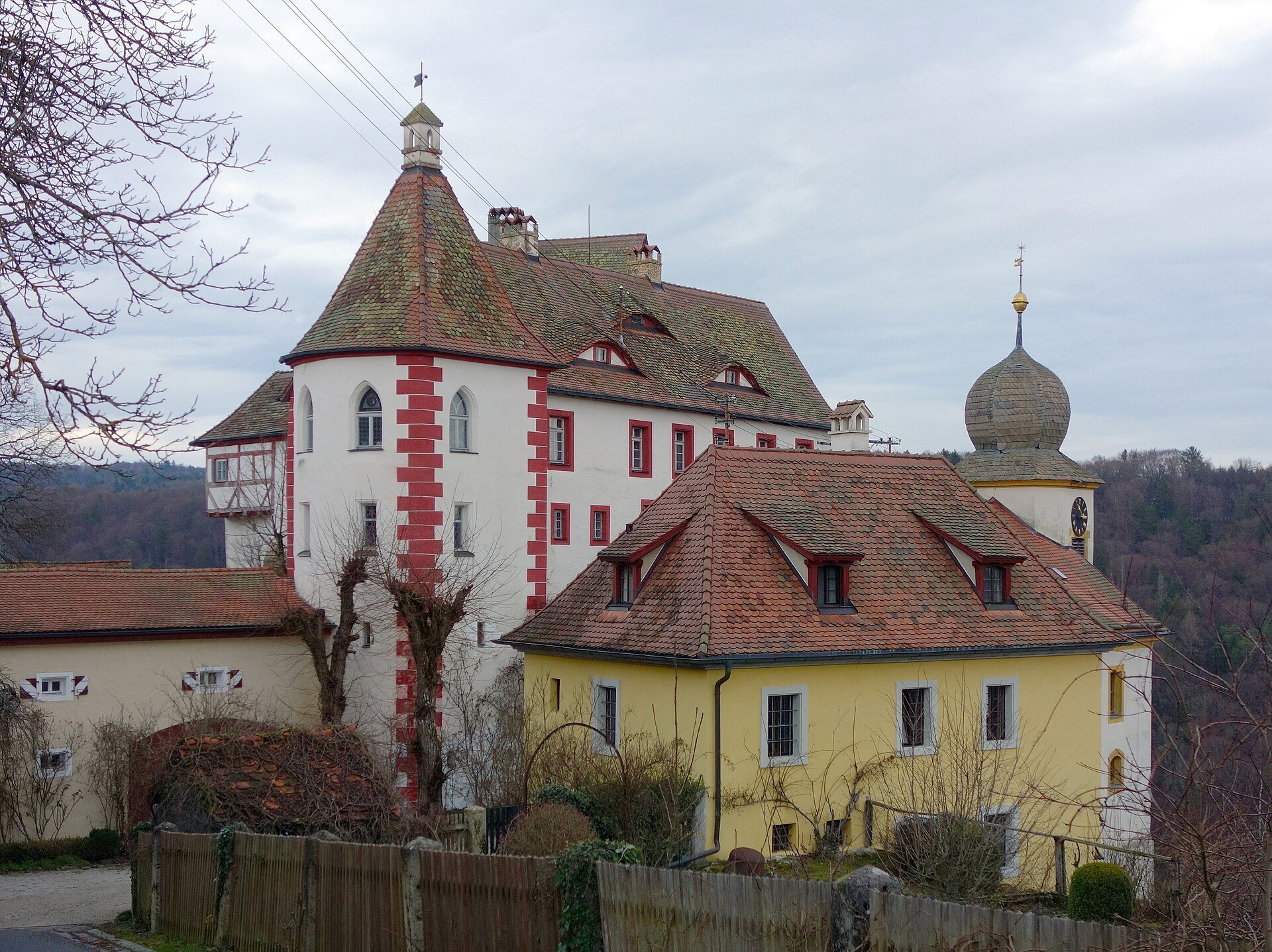
In 1750, Albert Christopher Charles and Louis I of Egloffstein commissioned the present parish church of St Bartholomew on the site of the lower Kemenate and the old castle chapel. The large battery tower collapsed in 1800 and was subsequently removed. The baronial patrimonial court, a local judicial authority exercised by a landholding noble, continued at Egloffstein Castle until 1848.
The castle remains in the possession of the Barons of Egloffstein. The family has also owned Kunreuth Castle since the fourteenth century. Egloffstein Castle is designated as a Bavarian architectural heritage monument and archaeological castle site.
Remains
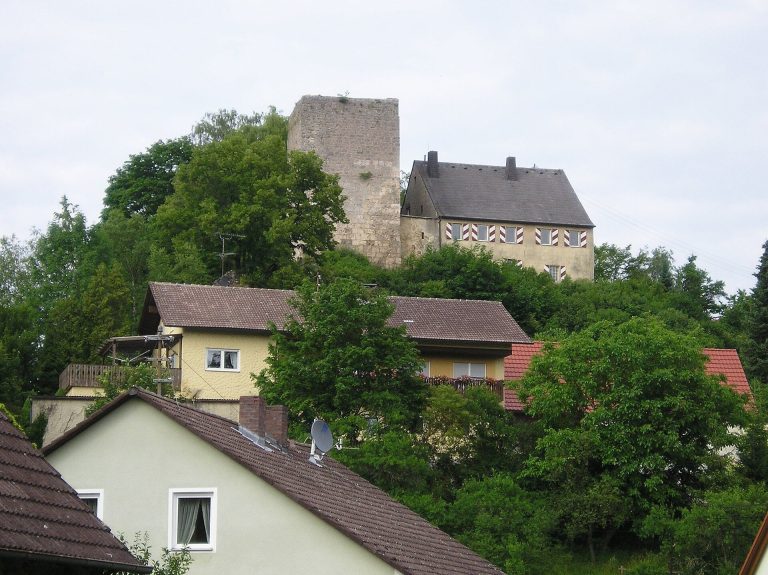
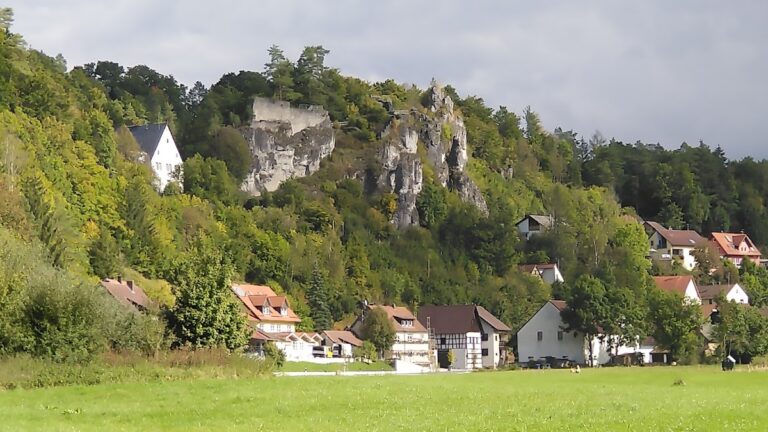
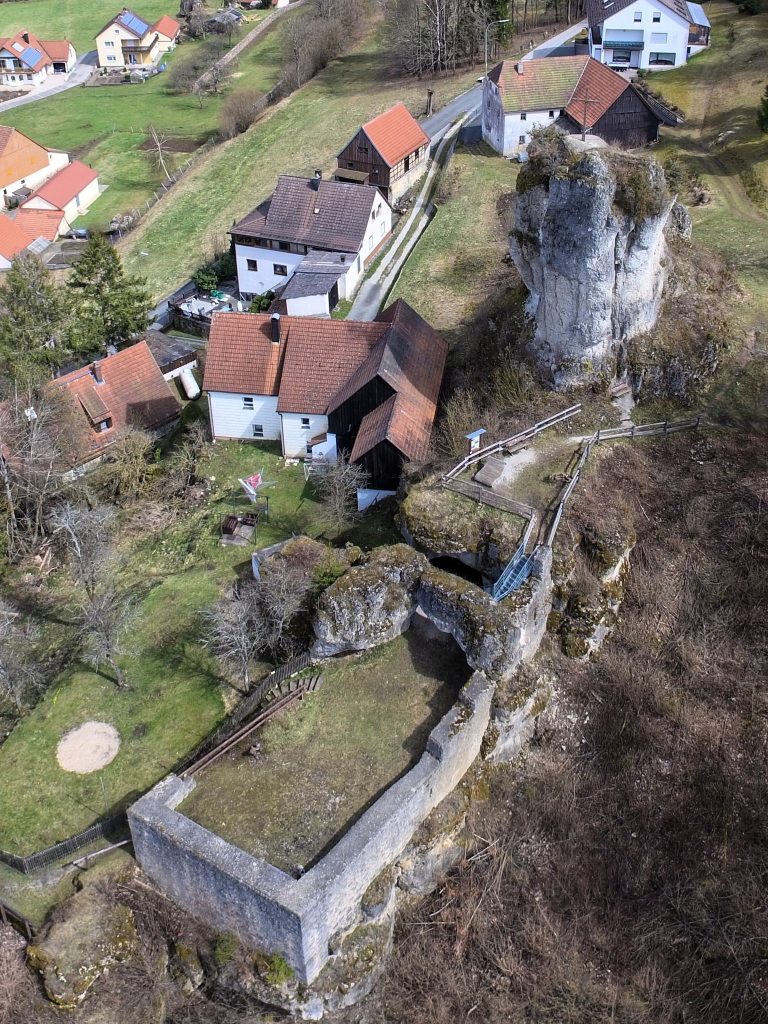
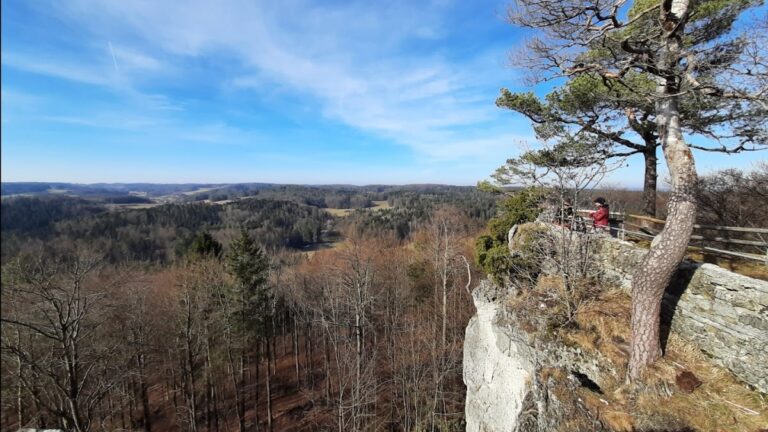
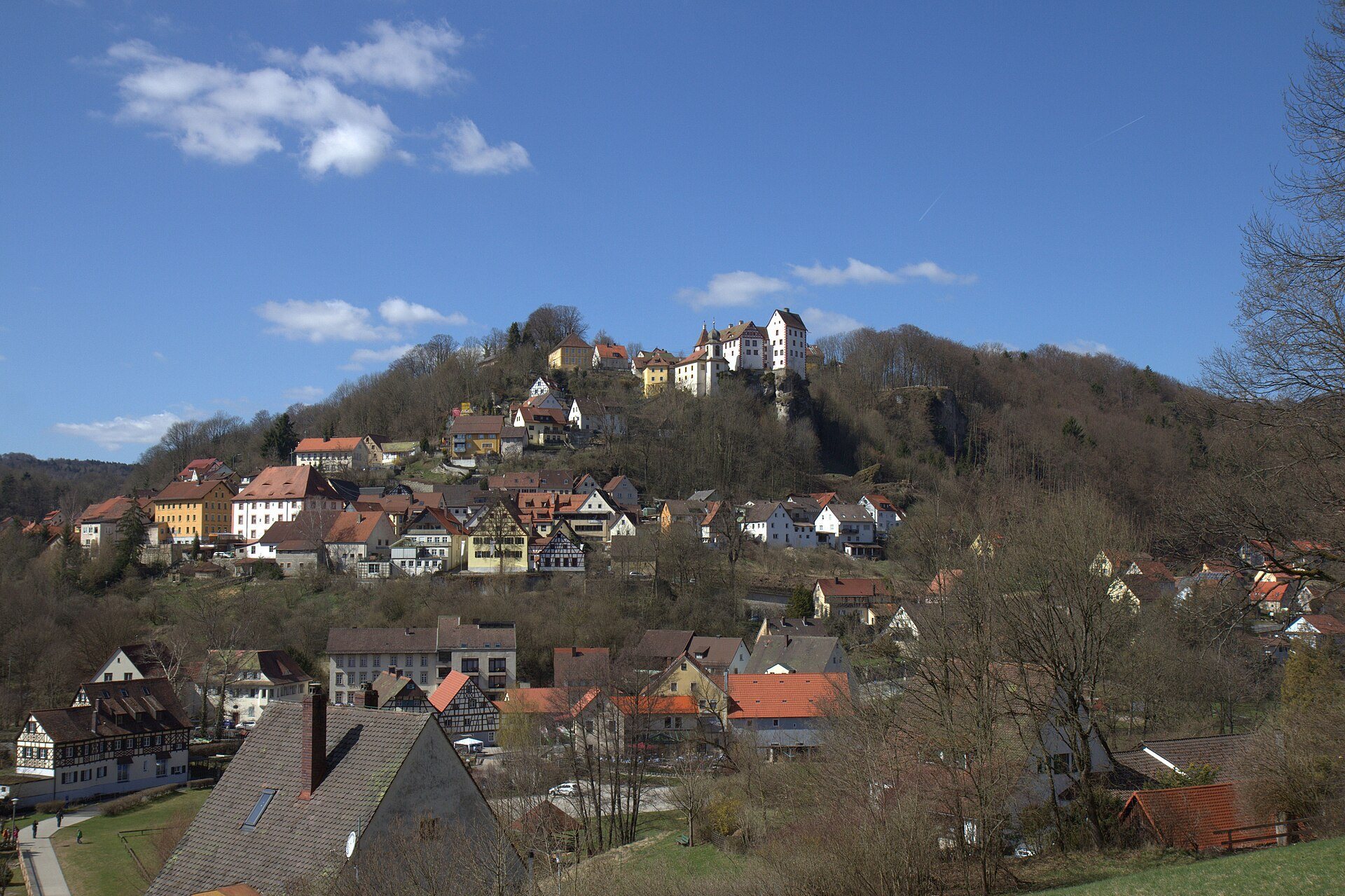
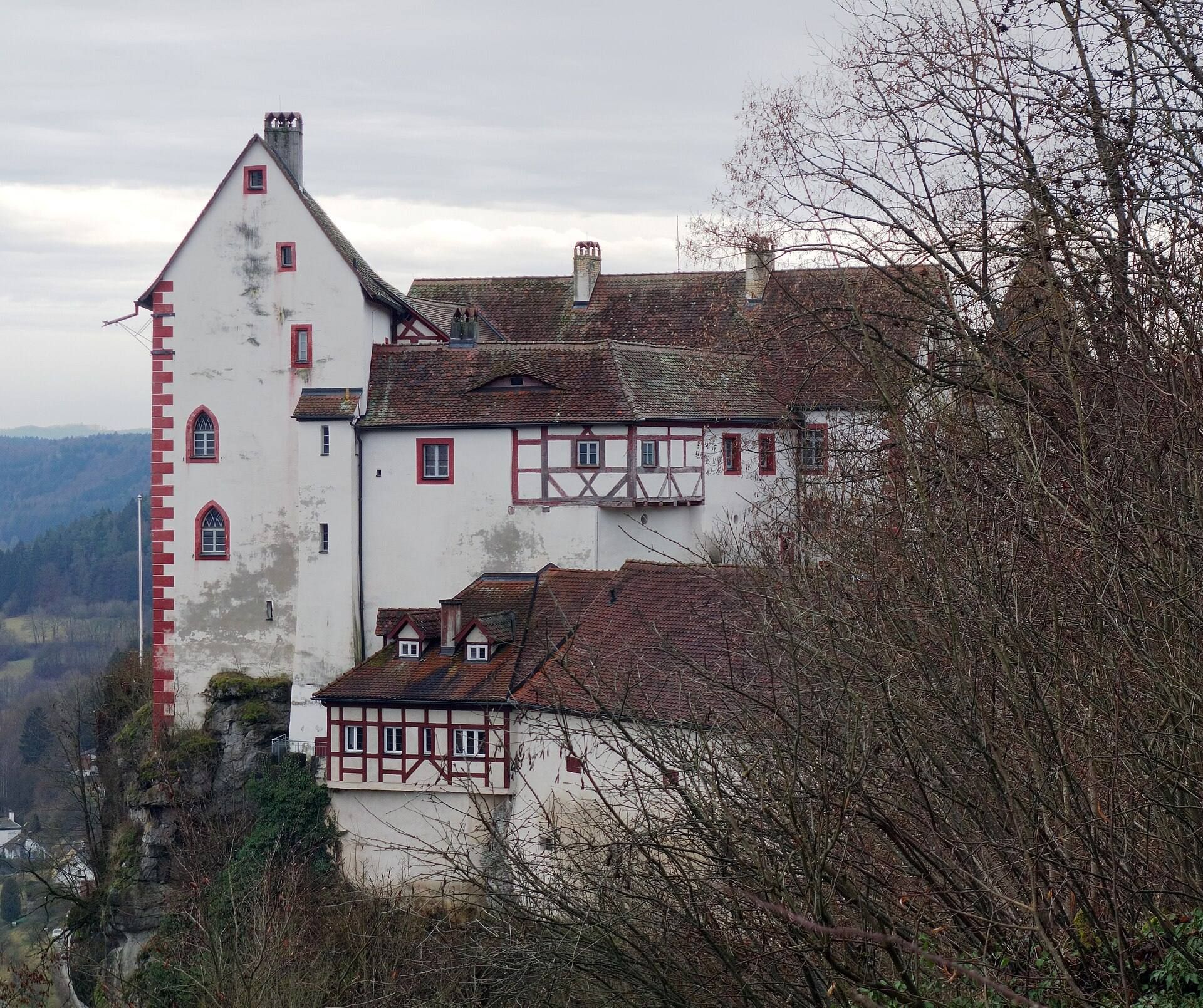
Egloffstein Castle occupies an east-facing rocky promontory of the Rabenstein, about 80 metres above the village in the Trubach valley. It stands at approximately 443 metres above sea level within the Franconian Switzerland-Veldenstein Forest Nature Park. The principal surviving area is the main, or upper, ward, where the remaining residential buildings and fortification elements are concentrated.
Upper Ward
Old Kemenate
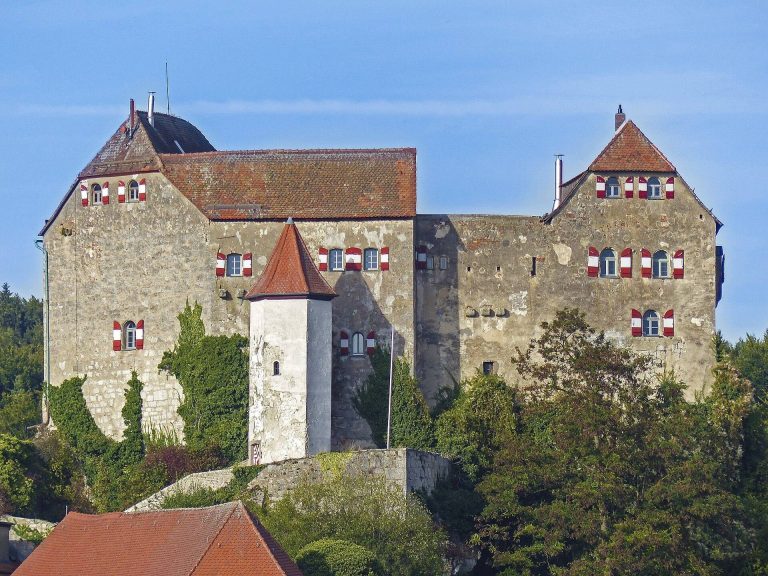
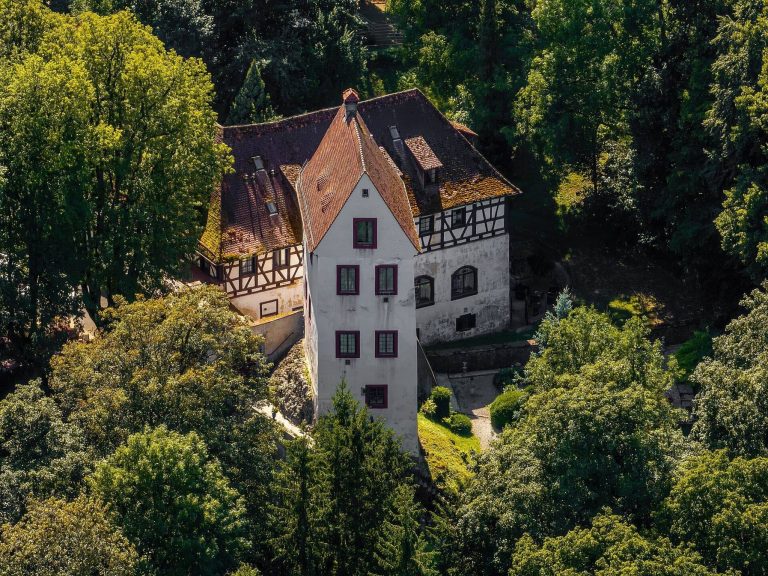
The Old Kemenate is one of the chief surviving buildings of the upper ward. A Kemenate was a residential castle building traditionally associated with heated living quarters. The Old Kemenate probably contains the oldest parts of Egloffstein Castle and may preserve fabric dating from the twelfth century.
Long Kemenate
The Long Kemenate, also called the New Kemenate, forms another principal part of the upper ward. It is associated with a tower and belongs to the castle’s surviving residential architecture. Together with the Old Kemenate, it helps define the present form of the main ward.
Fortifications and Former Lower Area
A surviving fortification wall and a Kemenate form documented components of the monument. A livestock shed with a gate occupies the former castle moat. The parish church of St Bartholomew stands where the lower Kemenate and the old castle chapel once stood, linking the present arrangement of the site with its earlier residential and religious buildings.