Palazzo Dorell: A 17th-Century Country Residence in Malta
Site at a Glance
- Rating
- 5
- Popularity
- Very Low
- Country
- Malta
- Primary era
- Early Modern
- External website
- Open
- Eras represented
- Early Modern
- Civilizations
- Crusader, Knights Hospitaller
- Site type
- Domestic
- Remains
- Elite Residence
On this page6 sections
History
Construction and ownership
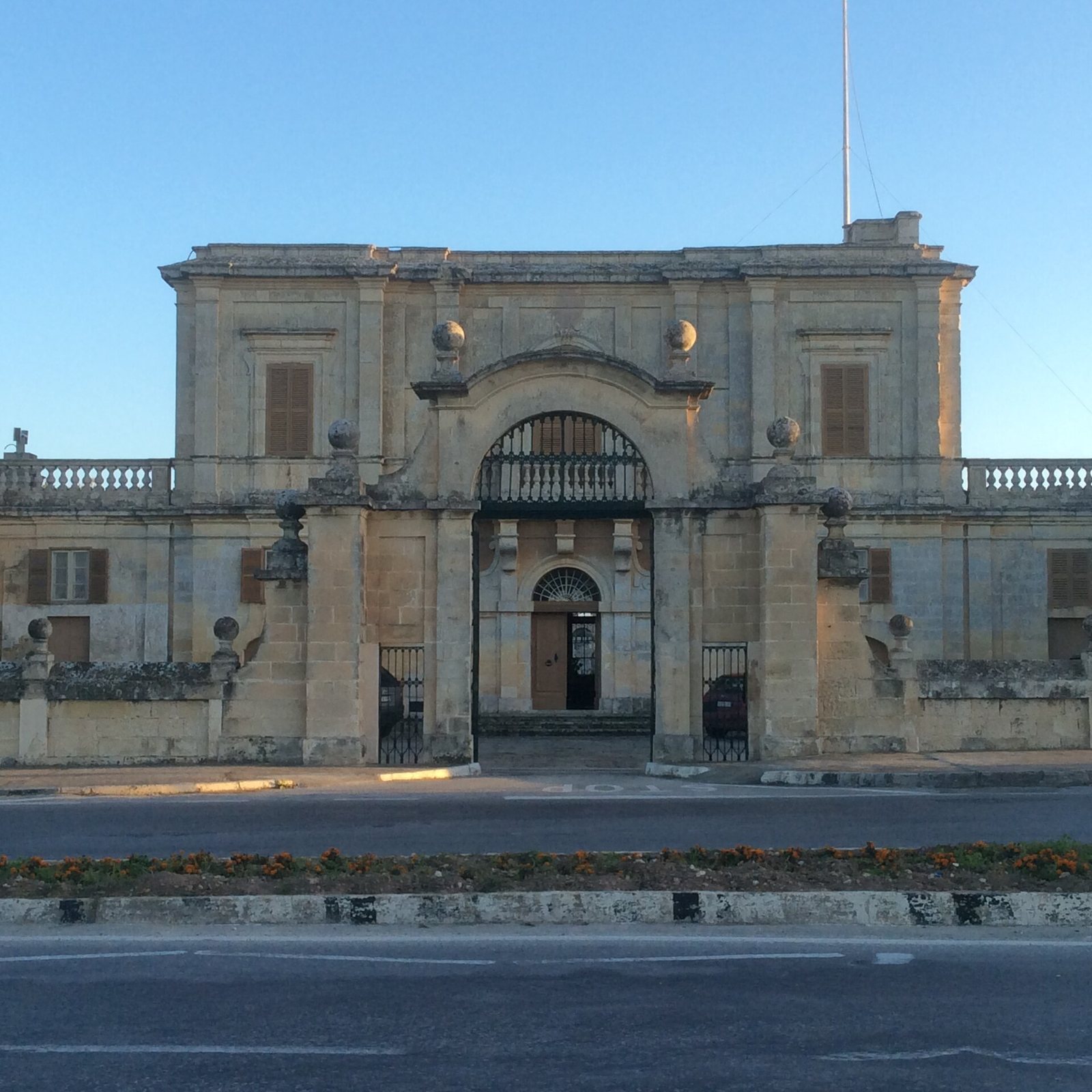
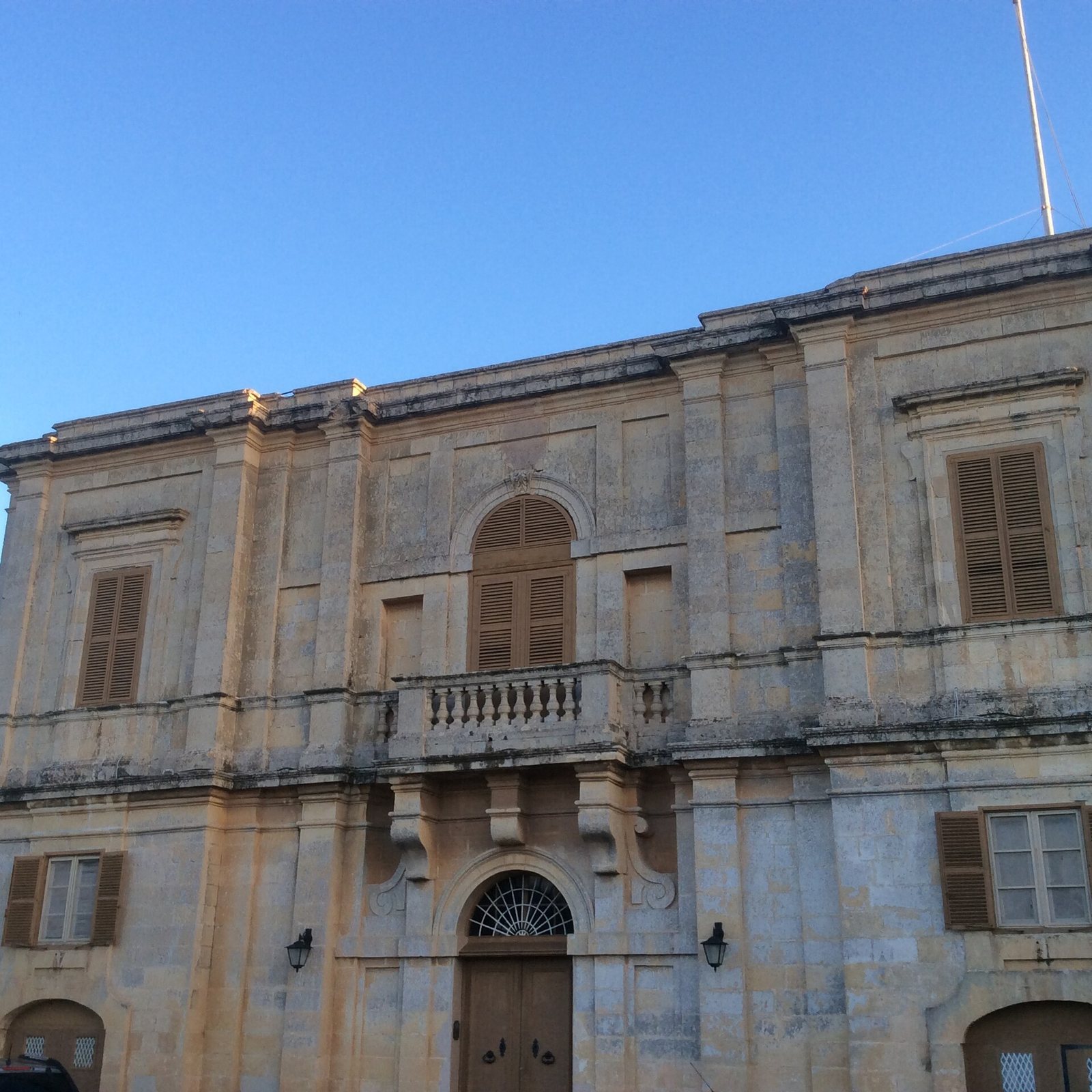
Palazzo Dorell is a residence in Il-Gudja, Malta, built in 1670 in the Palladian style, inspired by Italian architect Andrea Palladio and known for balanced proportions and classical forms. Its construction was commissioned by Count Ignatius Francesco Moscati Falsoni Navarra, Count of Bahrija, during the rule of the Order of St John, a Catholic religious and military order that governed Malta. He intended it as a family home and country residence.
In 1760, Pietro Paolo Falzon d’Aurelle, also rendered Dorell, bought the palace. It became associated with him and his daughter, Marchesa Lady Bettina (Elisabetta) Testaferrata Dorell.
Military use and later history
During the French blockade of Malta from 1798 to 1800, the palace became the headquarters of British forces under General Graham.
In the nineteenth century, the owners began allowing limited public access by special permission, with Lorenzo Galea identified as the first patron associated with it. In 1979, with the owners’ consent, the palace was the last building used by British forces before their departure from Malta on Freedom Day, which marked the end of the British military presence on the island. Palazzo Dorell remains a private residence. It is scheduled as a Grade 1 property and included in the National Inventory of the Cultural Property of the Maltese Islands.
Remains
Palace and gardens
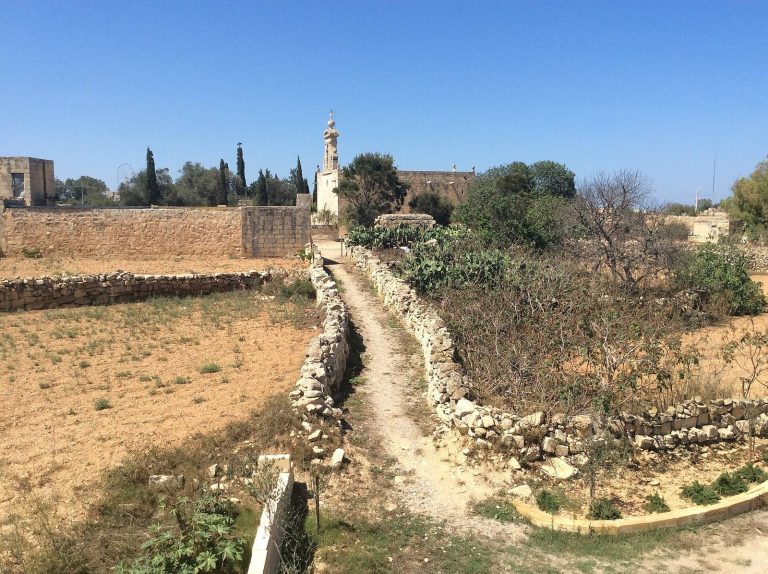
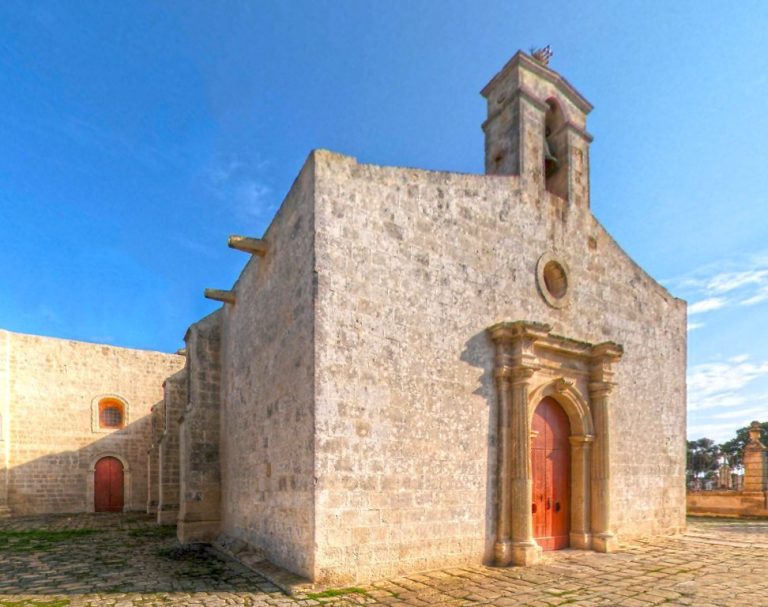
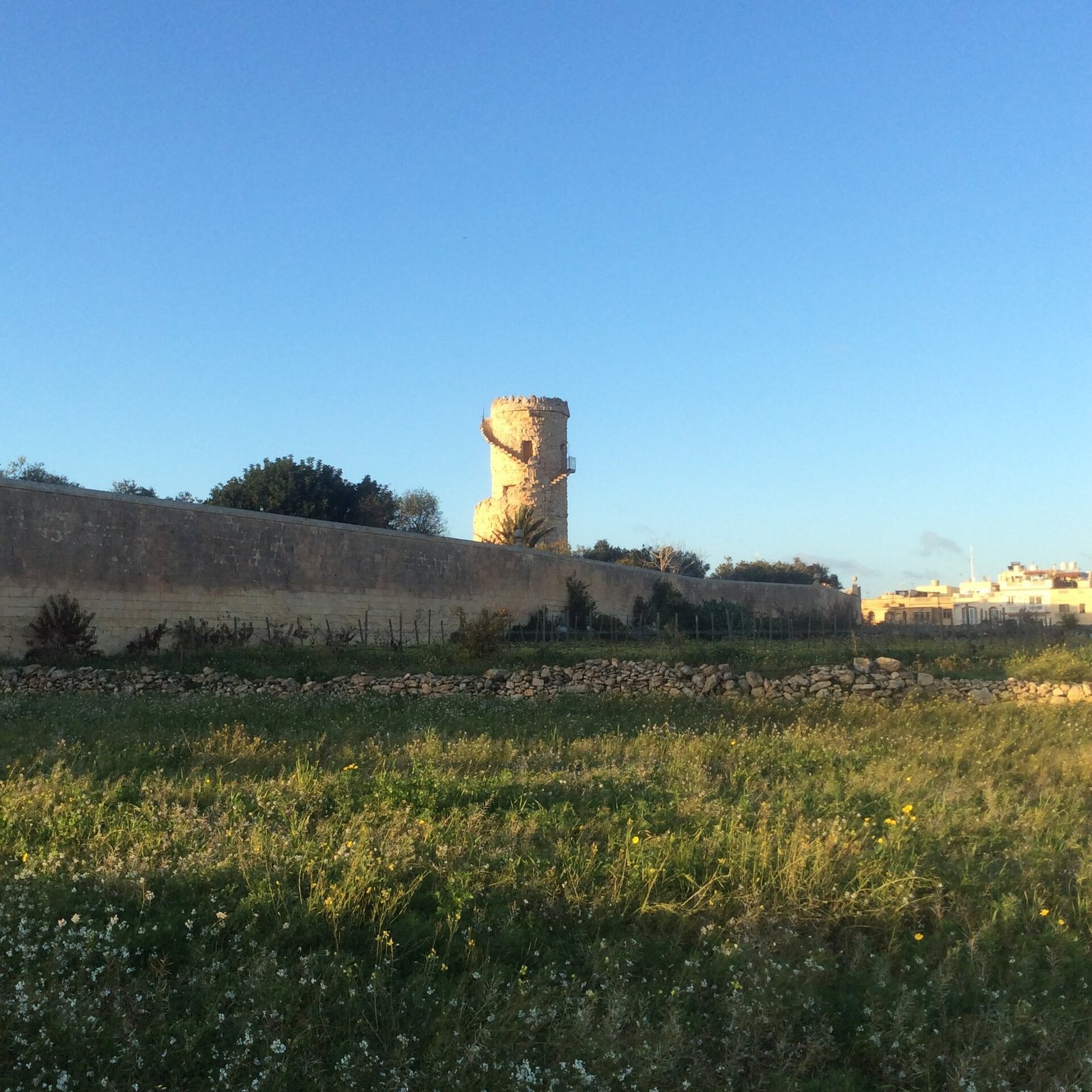
The palace is an intact, two-storey limestone building, described as both a palace and a hunting lodge. Its walled gardens are French-style and relatively large compared with those of other houses. The Xlejli Tower and a chapel are also within the gardens, where a small cemetery contains the graves of British servicemen who died during the French occupation of Malta.
Interior paintings
Some ceilings inside the palace are covered with paintings by the Maltese artist Antonio Grech (1758–1819), also known as Naici or Antonaci.